


You keep seeing this book on the desks of CEOs, recommended by entrepreneurs on podcasts, and sitting on the top shelves at Barnes & Noble. But the reality is, reading 450 pages of historical anecdotes from the French Renaissance or ancient China takes time you simply do not have. You are dealing with modern corporate dynamics, difficult clients, and unpredictable markets right now.
If getting through dense books like this one is a constant struggle, an app designed for busy people can help you absorb the core wisdom without the time commitment.


Listen to 15-minute summaries of The 48 Laws of Power and other strategic classics, so you can learn powerful ideas during your commute or workout.
 LeapAhead
You need the core strategies. Treat this guide as your definitive 48 laws of power cheat sheet. We broke down the exact principles so you can understand the psychology of power, spot manipulators before they strike, and position yourself strategically in any environment.
How to Read This Book Summary 48 Laws of Power
Before diving into the complete list, understand that these rules are amoral. Power does not care about what is "fair." While some laws might seem ruthless, you do not have to become a villain to use them. Smart professionals use this framework defensively—to recognize when someone else is running a play against them.
This perceived ruthlessness is a core part of the book's reputation and has led to significant debate over its ethical implications.
Here is the complete robert greene 48 laws list, organized into logical sections for rapid absorption.
Part 1: Foundations of Influence and Image (Laws 1–12)
Your reputation and how others perceive you dictate your baseline level of power. These first twelve laws focus on establishing unshakeable positioning.
1. Never Outshine the Master
Make those above you feel superior. If you show off your talents too aggressively, you trigger your boss's insecurities. Flatter your superiors and make them look brilliant so you can rise faster.
Make those above you feel superior. If you show off your talents too aggressively, you trigger your boss's insecurities. Flatter your superiors and make them look brilliant so you can rise faster.
2. Never Put Too Much Trust in Friends, Learn How to Use Enemies
Friends are easily triggered by envy and may betray you quickly. A former enemy you hire or collaborate with has more to prove and will often be more loyal to demonstrate their value.
Friends are easily triggered by envy and may betray you quickly. A former enemy you hire or collaborate with has more to prove and will often be more loyal to demonstrate their value.
3. Conceal Your Intentions
Keep people off-balance. If your competitors do not know what you are doing, they cannot prepare a defense. Use smoke screens and misdirection.
Keep people off-balance. If your competitors do not know what you are doing, they cannot prepare a defense. Use smoke screens and misdirection.
4. Always Say Less Than Necessary
The more you talk, the more common you appear—and the higher the chance you will say something foolish. Powerful people impress and intimidate by speaking sparingly.
The more you talk, the more common you appear—and the higher the chance you will say something foolish. Powerful people impress and intimidate by speaking sparingly.
5. So Much Depends on Reputation – Guard It with Your Life
Your reputation is your most valuable asset. A strong reputation does the heavy lifting for you. Anticipate attacks and crush them before they spread.
Your reputation is your most valuable asset. A strong reputation does the heavy lifting for you. Anticipate attacks and crush them before they spread.
6. Court Attention at All Cost
It is better to be attacked or slandered than ignored. Stand out. Be a magnet for attention in a sea of bland, easily forgotten peers.
It is better to be attacked or slandered than ignored. Stand out. Be a magnet for attention in a sea of bland, easily forgotten peers.
7. Get Others to Do the Work for You, but Always Take the Credit
Save your time and energy. Use the skills and knowledge of others to further your own cause. Your efficiency will look god-like to those watching.
Save your time and energy. Use the skills and knowledge of others to further your own cause. Your efficiency will look god-like to those watching.
8. Make Other People Come to You – Use Bait if Necessary
When you force the other person to act, you are in control. Make opponents abandon their own plans to respond to yours.
When you force the other person to act, you are in control. Make opponents abandon their own plans to respond to yours.
9. Win Through Your Actions, Never Through Argument
Arguing breeds resentment. Demonstrate your point through results and undeniable action. Show, do not tell.
Arguing breeds resentment. Demonstrate your point through results and undeniable action. Show, do not tell.
10. Infection: Avoid the Unhappy and Unlucky
Misery is contagious. You can die from someone else’s misery. Associate strictly with the happy, successful, and fortunate.
Misery is contagious. You can die from someone else’s misery. Associate strictly with the happy, successful, and fortunate.
11. Learn to Keep People Dependent on You
To maintain independence, you must be needed. If your company or your clients cannot function without you, you hold all the leverage. Never teach them enough to do it without you.
To maintain independence, you must be needed. If your company or your clients cannot function without you, you hold all the leverage. Never teach them enough to do it without you.
12. Use Selective Honesty and Generosity to Disarm Your Victim
One sincere, honest move covers over dozens of dishonest ones. Strategic generosity drops people’s guard, making them easier to influence.
One sincere, honest move covers over dozens of dishonest ones. Strategic generosity drops people’s guard, making them easier to influence.
These first twelve laws heavily rely on understanding human psychology and leveraging it to build your professional image. If you find the psychology of persuasion fascinating, you might want to explore the science behind why people say "yes." Dr. Robert Cialdini’s cornerstone research on persuasion offers a brilliant, science-backed companion to Greene’s historical anecdotes. It is a must-read for anyone looking to master corporate influence and build genuine leverage without resorting to underhanded tactics.

Influence
Robert Cialdini, Ph.D.
 50 Duration
 9 Key Points
 4.5 Rate
Part 2: Strategic Deception & Offensive Maneuvers (Laws 13–24)
Getting the 48 laws of power explained requires understanding that conflict is inevitable. These laws deal with handling competitors and executing plans flawlessly.
13. When Asking for Help, Appeal to People’s Self-Interest
Never rely on gratitude or mercy. If you want a favor, frame it so it benefits the other person. They will respond enthusiastically if they see a payoff.
Never rely on gratitude or mercy. If you want a favor, frame it so it benefits the other person. They will respond enthusiastically if they see a payoff.
14. Pose as a Friend, Work as a Spy
Learn to probe politely during casual conversations. Gather valuable intelligence by asking indirect questions. Knowledge is power.
Learn to probe politely during casual conversations. Gather valuable intelligence by asking indirect questions. Knowledge is power.
15. Crush Your Enemy Totally
Do not leave an opponent wounded. If you leave embers burning, a fire will eventually break out. Stop them physically, mentally, and professionally so they cannot recover and retaliate.
Do not leave an opponent wounded. If you leave embers burning, a fire will eventually break out. Stop them physically, mentally, and professionally so they cannot recover and retaliate.

16. Use Absence to Increase Respect and Honor
Too much circulation makes your price go down. If you are already established in a group, stepping away temporarily makes people talk about you and admire you more. Scarcity creates value.
Too much circulation makes your price go down. If you are already established in a group, stepping away temporarily makes people talk about you and admire you more. Scarcity creates value.
17. Keep Others in Suspended Terror: Cultivate Unpredictability
Predictability makes you an easy target. By acting in ways that lack obvious purpose, you force others to exhaust themselves trying to figure you out.
Predictability makes you an easy target. By acting in ways that lack obvious purpose, you force others to exhaust themselves trying to figure you out.
18. Do Not Build Fortresses to Protect Yourself – Isolation is Dangerous
A fortress cuts you off from valuable information. It makes you a visible, isolated target. Stay connected and keep circulating within your network.
A fortress cuts you off from valuable information. It makes you a visible, isolated target. Stay connected and keep circulating within your network.
19. Know Who You’re Dealing With – Do Not Offend the Wrong Person
Not everyone reacts to strategy the same way. Some people will hold a grudge for a lifetime. Read the room and choose your targets carefully.
Not everyone reacts to strategy the same way. Some people will hold a grudge for a lifetime. Read the room and choose your targets carefully.
20. Do Not Commit to Anyone
Do not rush to take sides in an argument or conflict. By remaining neutral, you become the master of others as they compete for your support.
Do not rush to take sides in an argument or conflict. By remaining neutral, you become the master of others as they compete for your support.
21. Play a Sucker to Catch a Sucker – Seem Dumber Than Your Mark
No one likes feeling stupid. Make your mark feel smarter than you are. Once they believe they are superior, they will never suspect your underlying motives.
No one likes feeling stupid. Make your mark feel smarter than you are. Once they believe they are superior, they will never suspect your underlying motives.
22. Use the Surrender Tactic: Transform Weakness into Power
If you are weaker, surrender early. This denies your conqueror the satisfaction of a fight, gives you time to recover, and allows you to plot your revenge quietly.
If you are weaker, surrender early. This denies your conqueror the satisfaction of a fight, gives you time to recover, and allows you to plot your revenge quietly.
23. Concentrate Your Forces
Conserve your energy by keeping it concentrated at its strongest point. You gain more by mining one deep oil well than by digging a dozen shallow holes.
Conserve your energy by keeping it concentrated at its strongest point. You gain more by mining one deep oil well than by digging a dozen shallow holes.
24. Play the Perfect Courtier
Master the art of indirect power. Flatter elegantly, yield to superiors, and assert your influence through charm rather than brute force.
Master the art of indirect power. Flatter elegantly, yield to superiors, and assert your influence through charm rather than brute force.
Greene's strategic maneuvers heavily draw from ancient military tactics applied to modern corporate battlefields. If you want to deepen your understanding of these timeless conflict-resolution and strategic principles, looking at the original source material is incredibly eye-opening. Sun Tzu’s ancient masterpiece remains one of the most highly recommended texts for CEOs, entrepreneurs, and leaders navigating high-stakes negotiations or aggressive market competition in the United States today.
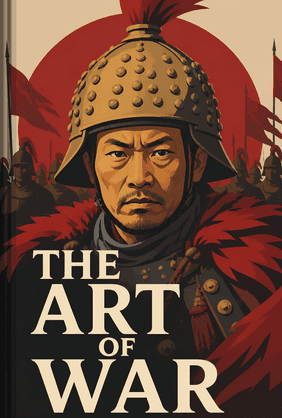
The Art of War
Sun Tzu
43 Duration7 Key Points4.6 RatePart 3: Mastery of Self and Environment (Laws 25–36)
True power requires immense self-control. This section of our 48 laws of power summary covers psychological resilience and environmental manipulation.
25. Re-Create Yourself
Do not accept the roles society forces upon you. Forge a new identity that commands attention. Be the master of your own image rather than letting others define it.
Do not accept the roles society forces upon you. Forge a new identity that commands attention. Be the master of your own image rather than letting others define it.

26. Keep Your Hands Clean
Maintain a spotless appearance. Use scapegoats and "cat's-paws" (people who do your dirty work) to execute unpleasant tasks so blame never falls on you.
Maintain a spotless appearance. Use scapegoats and "cat's-paws" (people who do your dirty work) to execute unpleasant tasks so blame never falls on you.
27. Play on People’s Need to Believe to Create a Cult-Like Following
People desperately want to believe in something. Offer them a cause. Keep your words vague but full of promise. Emphasize enthusiasm over rationality.
People desperately want to believe in something. Offer them a cause. Keep your words vague but full of promise. Emphasize enthusiasm over rationality.
28. Enter Action with Boldness
If you are unsure of a course of action, do not attempt it. Timidity is dangerous. Any mistakes you commit through audacity are easily corrected with more audacity.
If you are unsure of a course of action, do not attempt it. Timidity is dangerous. Any mistakes you commit through audacity are easily corrected with more audacity.
29. Plan All the Way to the End
The ending is everything. Take into account all possible obstacles, twists of fortune, and pushback. Planning to the end prevents you from being overwhelmed by unexpected circumstances.
The ending is everything. Take into account all possible obstacles, twists of fortune, and pushback. Planning to the end prevents you from being overwhelmed by unexpected circumstances.
30. Make Your Accomplishments Seem Effortless
Hide the sweat, late nights, and clever tricks. When you act, make it look natural and easy, as if you could do much more.
Hide the sweat, late nights, and clever tricks. When you act, make it look natural and easy, as if you could do much more.
31. Control the Options: Get Others to Play with the Cards You Deal
Give people choices where every option works in your favor. Force them to choose the lesser of two evils, both of which serve your ultimate goal.
Give people choices where every option works in your favor. Force them to choose the lesser of two evils, both of which serve your ultimate goal.
32. Play to People’s Fantasies
The truth is often ugly and depressing. People flock to those who manufacture romance, illusion, and fantasy.
The truth is often ugly and depressing. People flock to those who manufacture romance, illusion, and fantasy.
33. Discover Each Man’s Thumbscrew
Everyone has a weakness, a gap in their castle wall. It is usually an insecurity, an uncontrollable emotion, or a secret pleasure. Find it, and you hold the leverage.
Everyone has a weakness, a gap in their castle wall. It is usually an insecurity, an uncontrollable emotion, or a secret pleasure. Find it, and you hold the leverage.
34. Be Royal in Your Own Fashion: Act Like a King to Be Treated Like One
How you carry yourself determines how you are treated. If you act vulgar or common, people will disrespect you. Project dignity and supreme confidence.
How you carry yourself determines how you are treated. If you act vulgar or common, people will disrespect you. Project dignity and supreme confidence.
35. Master the Art of Timing
Never seem to be in a hurry. Hurrying betrays a lack of control over time and yourself. Learn to stand back when the time is not right, and strike fiercely when it is.
Never seem to be in a hurry. Hurrying betrays a lack of control over time and yourself. Learn to stand back when the time is not right, and strike fiercely when it is.
36. Disdain Things You Cannot Have: Ignoring Them is the Best Revenge
Acknowledging a petty problem gives it existence and credibility. If there is something you want but cannot have, show contempt for it.
Acknowledging a petty problem gives it existence and credibility. If there is something you want but cannot have, show contempt for it.
The central theme of this third section is that true power stems from absolute self-control. Letting your ego dictate your reactions is the fastest way to lose your strategic advantage. If you want to master this internal discipline and prevent arrogance from sabotaging your success, Ryan Holiday provides a masterclass in staying grounded. His insights are incredibly valuable for ambitious professionals who want to remain objective, focused, and unshakeable under pressure.

Ego Is the Enemy
Ryan Holiday
18 Duration7 Key Points4.6 RatePart 4: The Endgame - Adaptability and Execution (Laws 37–48)
The final laws demand extreme flexibility. You cannot rely on a single playbook. You must adapt to reality as it shifts.
37. Create Compelling Spectacles
Striking imagery and grand symbolic gestures create an aura of power. Stage a spectacle that distracts people from what you are actually doing.
Striking imagery and grand symbolic gestures create an aura of power. Stage a spectacle that distracts people from what you are actually doing.
38. Think As You Like but Behave Like Others
If you flaunt unconventional ideas too publicly, people will think you look down on them. They will punish you. Blend in and share your true thoughts only with tolerant friends.
If you flaunt unconventional ideas too publicly, people will think you look down on them. They will punish you. Blend in and share your true thoughts only with tolerant friends.
39. Stir Up Waters to Catch Fish
Anger and emotion are strategically counterproductive. Stay calm and objective. If you can make your enemies angry while keeping your own head, you have a decisive advantage.
Anger and emotion are strategically counterproductive. Stay calm and objective. If you can make your enemies angry while keeping your own head, you have a decisive advantage.
40. Despise the Free Lunch
What is offered for free often comes with hidden obligations or psychological debts. Pay your own way to avoid being tied down by gratitude or manipulation.
What is offered for free often comes with hidden obligations or psychological debts. Pay your own way to avoid being tied down by gratitude or manipulation.
41. Avoid Stepping into a Great Man’s Shoes
If you succeed a great leader or have famous parents, you have to accomplish double their achievements to outshine them. Establish your own completely different path.
If you succeed a great leader or have famous parents, you have to accomplish double their achievements to outshine them. Establish your own completely different path.
42. Strike the Shepherd and the Sheep Will Scatter
Trouble can often be traced to a single arrogant individual—the instigator. Do not negotiate with them. Isolate them or banish them, and their followers will quickly disperse.
Trouble can often be traced to a single arrogant individual—the instigator. Do not negotiate with them. Isolate them or banish them, and their followers will quickly disperse.
43. Work on the Hearts and Minds of Others
Coercion creates reactions that will eventually work against you. Seduce others into wanting to move in your direction. Play on their individual psychologies and emotional weaknesses.
Coercion creates reactions that will eventually work against you. Seduce others into wanting to move in your direction. Play on their individual psychologies and emotional weaknesses.
44. Disarm and Infuriate with the Mirror Effect
When you mirror your enemies, doing exactly as they do, they cannot figure out your strategy. It mocks and humiliates them, causing them to overreact.
When you mirror your enemies, doing exactly as they do, they cannot figure out your strategy. It mocks and humiliates them, causing them to overreact.
45. Preach the Need for Change, but Never Reform Too Much at Once
People understand the concept of change intellectually, but humans are creatures of habit. Too much innovation is traumatic. Frame your changes as gentle improvements on the past.
People understand the concept of change intellectually, but humans are creatures of habit. Too much innovation is traumatic. Frame your changes as gentle improvements on the past.
46. Never Appear Too Perfect
Appearing better than others is dangerous. Envy creates silent enemies. Occasionally display minor defects or harmless vices to deflect envy and appear more approachable.
Appearing better than others is dangerous. Envy creates silent enemies. Occasionally display minor defects or harmless vices to deflect envy and appear more approachable.
47. Do Not Go Past the Mark You Aimed For; In Victory, Learn When to Stop
The moment of victory is often the moment of greatest danger. Success makes you arrogant. Do not let it push you past your original goal, or you will create more enemies than you defeat.
The moment of victory is often the moment of greatest danger. Success makes you arrogant. Do not let it push you past your original goal, or you will create more enemies than you defeat.
48. Assume Formlessness
By taking a visible, static shape, you open yourself to attack. Stay adaptable and on the move. Accept that nothing is certain and no law is fixed. Be water.
By taking a visible, static shape, you open yourself to attack. Stay adaptable and on the move. Accept that nothing is certain and no law is fixed. Be water.

While trying to absorb all 48 laws at once can feel overwhelming, some rules provide a much greater strategic advantage in the early stages of your career.
Execution Warning: How to Apply This Without Ruining Your Career
Possessing this knowledge is one thing; using it correctly is another.
First, never make your machinations obvious. The moment people realize you are actively running "Law 14: Work as a Spy" or "Law 7: Take the Credit," your reputation is burned. True power lies in subtlety.
Second, use this defensively. If you recognize a co-worker constantly using "Law 11: Keep People Dependent on You" by hoarding standard operating procedures, you can counter them by forcefully democratizing that information. Understanding the rules means you can no longer be played by them.
First, never make your machinations obvious. The moment people realize you are actively running "Law 14: Work as a Spy" or "Law 7: Take the Credit," your reputation is burned. True power lies in subtlety.
Second, use this defensively. If you recognize a co-worker constantly using "Law 11: Keep People Dependent on You" by hoarding standard operating procedures, you can counter them by forcefully democratizing that information. Understanding the rules means you can no longer be played by them.
For a deeper look at applying these principles in a modern corporate setting, these real-world examples can provide a clear roadmap.
To build this defensive knowledge across a wider range of topics, from negotiation to psychology, you need a way to learn consistently even when you're short on time.
Master the key lessons from hundreds of bestselling nonfiction books in bite-sized audio or text, helping you clear your reading list and stay ahead.
LeapAheadWhile this cheat sheet gives you the defensive framework you need to navigate office politics, nothing quite compares to reading Greene's full, unabridged masterpiece. The deep historical case studies—from American industrialists to European royalty—provide a rich context that makes these laws truly unforgettable. If you are ready to dive into the full 450-page deep dive and master the nuances of these strategies, picking up the complete original text is a phenomenal investment in your career trajectory.

The 48 Laws of Power
Robert Greene
43 Duration7 Key Points4.6 RateFAQ
Are the 48 Laws of Power unethical or evil?
The laws themselves are amoral—meaning they are neither good nor evil. They are historical observations on how human power dynamics operate. While some laws describe manipulative behavior, recognizing these tactics allows you to defend yourself against toxic bosses or ruthless competitors.
The laws themselves are amoral—meaning they are neither good nor evil. They are historical observations on how human power dynamics operate. While some laws describe manipulative behavior, recognizing these tactics allows you to defend yourself against toxic bosses or ruthless competitors.
Do I need to read the whole 450-page book if I read this summary?
If you want actionable, immediate takeaways for your professional life, this summary provides the exact framework you need. Read the full book if you enjoy deep historical context, stories of ancient kings, and complex psychological case studies.
If you want actionable, immediate takeaways for your professional life, this summary provides the exact framework you need. Read the full book if you enjoy deep historical context, stories of ancient kings, and complex psychological case studies.
What are the most important laws to remember at work?
Law 1 (Never Outshine the Master) and Law 4 (Always Say Less Than Necessary) are critical for corporate survival. Over-talking and bruising your manager’s ego are the two fastest ways to stall your career progression.
Law 1 (Never Outshine the Master) and Law 4 (Always Say Less Than Necessary) are critical for corporate survival. Over-talking and bruising your manager’s ego are the two fastest ways to stall your career progression.
How do I practice these laws without getting fired?
Focus on the laws that build leverage through competence and emotional control rather than sabotage. Prioritize Law 9 (Win Through Actions), Law 13 (Appeal to Self-Interest), and Law 29 (Plan to the End). Avoid the darker, destructive laws unless you are strictly using them to understand a hostile opponent.
Focus on the laws that build leverage through competence and emotional control rather than sabotage. Prioritize Law 9 (Win Through Actions), Law 13 (Appeal to Self-Interest), and Law 29 (Plan to the End). Avoid the darker, destructive laws unless you are strictly using them to understand a hostile opponent.