

You look in the mirror and still hear the echoes of past relationships or childhood criticism. You try to convince yourself that you are enough, yet anxiety and self-doubt constantly creep in. Reading bell hooks’ cultural masterpiece often feels like looking directly into a mirror that exposes these deepest, most uncomfortable wounds. If you are struggling with emotional baggage, you do not just need inspiring quotes to highlight on your Kindle or add to a Goodreads review. You need a practical, uncompromising roadmap to rewire how you treat yourself.

Many of us are stuck in a cycle of seeking external validation because we never learned the fundamental mechanics of internal validation. Let's break down the core insights from this transformative text so you can stop questioning your worth and start practicing genuine self-acceptance.
If you are tired of merely highlighting quotes on your tablet and want to truly absorb this cultural masterpiece, reading the foundational text cover-to-cover is a must. It serves as an uncompromising roadmap that will forever change how you view relationships, care, and your own self-worth. If you haven't yet read the book that inspired this entire movement of radical self-acceptance, this is where your journey needs to start.

All About Love
bell hooks
 44 Duration
 8 Key Points
 4.6 Rate
Love as a Conscious Action, Not a Passive Feeling
Most of us were raised on a Hollywood diet of romance. We were taught that love is something that happens to us—a magical force we wait for, hoping a partner or an external event will suddenly make us feel whole. When looking for concrete answers on how to love yourself bell hooks firmly dismantles this passive, consumer-driven mindset.
She adopts psychiatrist M. Scott Peck's definition of love: the will to extend one's self for the purpose of nurturing one's own or another's spiritual growth.
Love is an act of will. It is an action you take, not a warm sensation you passively wait to wash over you. To love yourself means applying the six fundamental ingredients of love to your own life daily:
- Care: Tending to your physical and emotional baseline.
- Affection: Speaking to yourself with kindness rather than harsh judgment.
- Recognition: Acknowledging your true needs without suppressing them to please others.
- Respect: Honoring your own boundaries.
- Commitment: Refusing to abandon yourself when you make a mistake.
- Trust: Believing in your own capacity to navigate life's challenges.
If you are neglecting your physical health, ignoring your emotional burnout, or constantly criticizing your own choices, you are not actively loving yourself. You have to wake up every day and consciously choose to extend yourself grace.

As mentioned, bell hooks heavily relied on M. Scott Peck’s clinical definition of love as a verb rather than a passive feeling. If you want to dive deeper into the psychology behind this concept, Peck’s seminal work is an absolute essential. It breaks down the demanding discipline required for spiritual growth and authentic connection. For anyone struggling to bridge the gap between knowing they should love themselves and actually doing the work, this classic psychiatric text provides the necessary framework.
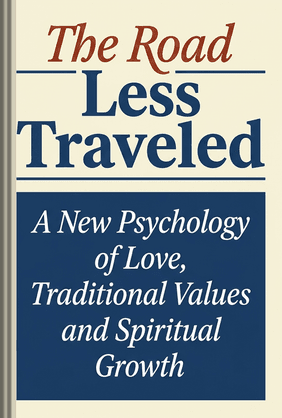
The Road Less Traveled
M. Scott Peck, M.D.
43 Duration7 Key Points4.5 RateAll About Love Healing From Past Trauma
You cannot build a solid foundation of self-worth on top of unacknowledged wounds. The family of origin is our first school of love. Unfortunately, many people grew up in environments where physical or emotional care was deeply entangled with abuse, harsh criticism, or severe neglect. As children, we are biologically wired to attach to our caregivers, so we learn to accept this toxic mixture as "love."
The process of all about love healing from past trauma requires radical honesty about where you come from. Hooks points out that we often romanticize our childhoods. We do this to protect our parents or to shield ourselves from the devastating reality that we were not loved correctly. We carry this distorted definition into adulthood, which explains why so many people tolerate toxic partners.
To heal, you must stop calling abuse, control, or neglect "love." You have to separate the care you received from the harm you endured. Recognize that surviving a painful past means you developed defense mechanisms that might be hurting you today. Maybe you push people away the moment they get close. Maybe you accept terrible treatment because chaos feels like home.
Healing begins the exact moment you refuse to let your past dictate your current standard for love. You have to step up and parent yourself now, providing the safe, stable, and unconditional affection you lacked growing up.

Unpacking the baggage we inherited from our family of origin can feel incredibly daunting, especially if your caregivers lacked the emotional capacity to provide stable affection. If you find yourself constantly rationalizing toxic behavior or repeating childhood cycles in your adult relationships, you need targeted guidance to break free. Dr. Lindsay Gibson’s clinical insights offer a profound look into how emotionally unavailable parents shape our defense mechanisms. It is a vital read for anyone ready to step up, heal those early wounds, and finally parent themselves.
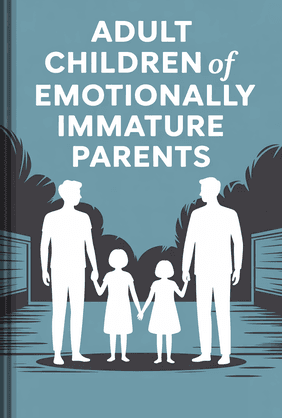
Adult Children of Emotionally Immature Parents
Lindsay C. Gibson, Psy.D.
39 Duration8 Key Points4.6 RateFeeling inspired by all these recommendations but overwhelmed by the thought of tackling another dense book? Sometimes the first step is just grasping the core ideas.


LeapAhead

Quickly absorb the key lessons from these life-changing books on self-love and healing, even when you're short on time or emotional energy.
Bell Hooks on Self Esteem: The Internal Anchor
You cannot demand a partner treat you with a level of respect you refuse to give yourself. In the text, bell hooks on self esteem is incredibly direct: self-love is the foundation of our entire loving practice. Without it, our efforts to love others will eventually warp into codependency, control, or resentment.
Society and advertising constantly tell us we are lacking. We are sold the idea that if we just buy the right clothes, drive the right car, or find the perfect partner, we will finally have value. Hooks completely rejects this. She emphasizes that self-esteem is built exclusively through self-accountability and living in alignment with your personal truth.
Low self-esteem usually stems from hiding your true self out of fear of rejection. When you lie to yourself—whether it is pretending you are happy in a dead-end job, shrinking your personality to fit a partner's preference, or ignoring glaring red flags—you aggressively chip away at your own self-respect.
Honesty is the cornerstone of self-worth. Start telling the truth about what you feel, what you want, and what you will no longer tolerate. The moment you start standing up for your authentic self, your self-esteem naturally rises because you prove to your subconscious that you are worth defending.

Actionable Lessons on Self Love from All About Love
Understanding the philosophy is only the first step; putting it into practice is where the actual transformation occurs. Here are the most critical lessons on self love from all about love that you can apply to your daily routine.
1. Commit to Radical Truth-Telling
Lying is the enemy of love. This includes the polite lies you tell yourself to avoid discomfort. Stop making excuses for people who drain your energy. Stop pretending you do not care when your feelings are genuinely hurt. Radical truth-telling clears the mental fog. When you align your outward actions with your inward reality, you build immense self-trust.
2. Grieve the Love You Did Not Receive
You cannot bypass grief on the road to self-love. Acknowledge the pain of the times you were overlooked, abandoned, or mistreated. Give yourself permission to mourn the childhood you deserved but did not get, or the partner who could not meet you halfway. Bottling up this grief turns into depression and anxiety; releasing it makes room for self-compassion.
3. Cultivate a Village, Not Just Romance
American culture places a massive, often unhealthy emphasis on romantic love as the ultimate life goal. We are sold the lie that finding "the one" will magically fix our internal void. Hooks argues that a rich, loving life requires community. Build strong friendships, lean into chosen family, or join local groups that share your values. True self-love means recognizing you are human and you need a supportive village, not just a spouse, to thrive.
4. Embrace Solitude Over Loneliness
There is a distinct difference between being alone and being lonely. Solitude is a sacred space where you can connect with your inner voice, process your emotions, and recharge. If you constantly distract yourself with social media, busywork, or shallow relationships just to avoid being alone, you are actively running from yourself. Practice sitting in silence. Take yourself out for dinner. Learn to enjoy the quiet rhythm of your own company.
5. Set Fierce Boundaries Based on Your Worth
Boundaries are not aggressive walls meant to keep people out; they are the clear guidelines for how people can safely interact with you. If someone crosses a line, loving yourself means enforcing a consequence. It is always better to walk away from a dynamic that demands you shrink yourself than to stay and slowly erode your self-respect to keep the peace.
Enforcing a consequence when someone crosses a line is often the most terrifying part of this entire process. We are conditioned to be people-pleasers, terrified that asserting our needs will push everyone away. If the thought of pushing back makes your stomach tie in knots, you need a practical playbook for communicating your limits. Nedra Glover Tawwab’s guide is a phenomenal resource that teaches you exactly how to speak up without apologizing, ensuring you can protect your peace and stop eroding your self-respect.

Set Boundaries, Find Peace
Nedra Glover Tawwab
29 Duration10 Key Points4.5 RateStop Waiting for External Validation
The hardest pill to swallow on this personal development journey is realizing that no one is coming to save you. You can read every self-help bestseller available at Barnes & Noble, download endless hours of audiobooks, or memorize hooks’ most famous quotes, but the shift only happens when you do the actual work in the dark.
Self-love is a daily ethic. It is the conscious choice to get out of bed, look your trauma in the eye, forgive your past mistakes, and treat your mind and body with profound respect. You do not need to be perfectly healed to be worthy of love right now. You just need to be willing to show up for yourself, day after day, refusing to abandon yourself ever again.
Realizing that no one is coming to save you is a tough pill to swallow, but it is also the most empowering truth you will ever embrace. When you are finally ready to stop searching for external validation and start getting your hands dirty with real, daily habits, you need a comprehensive toolkit. Dr. Nicole LePera provides an exceptional guide for identifying your trauma responses and consciously rewiring your daily ethic. It is the perfect companion for anyone committed to showing up for themselves, day after day.
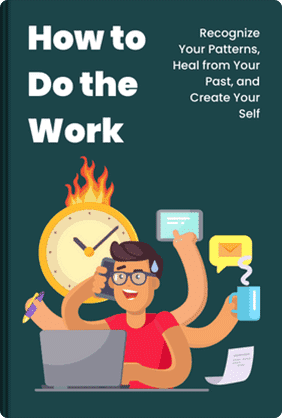
How to Do the Work
Dr. Nicole LePera
47 Duration10 Key Points4.6 RateTackling this essential reading list is the first step, but consistency is key, especially when you're drained after a long day. If you struggle to find the time and energy for full books, there's a way to keep learning and reinforcing these ideas.
LeapAhead
Fit the core lessons from bell hooks and other self-help authors into your daily routine by listening to 15-minute audio summaries during your commute or workout.
FAQ
Why does bell hooks say love and abuse cannot coexist?
Hooks argues that love intrinsically requires care, respect, and growth. Abuse is the active destruction of those exact elements. By accepting that love and abuse cannot share the same space, you stop making excuses for toxic behavior in your past or present. This stark realization is a crucial step in demanding respect and setting boundaries.
How do I build self-esteem if I have always struggled with self-hatred?
Start with radical honesty and small acts of accountability. You cannot force yourself to simply "feel" confident overnight. Instead, take actions that a person who loves themselves would take. Eat a nourishing meal, protect your sleep, stop lying to please others, and keep the small promises you make to yourself. Self-esteem is a byproduct of trustworthy actions.
Can I heal from relationship trauma if I haven't fully forgiven the people who hurt me?
Yes. Healing is an ongoing process, and forgiveness does not mean excusing horrific behavior or letting toxic people back into your life. In the context of self-love, forgiveness is primarily a tool to release the grip the past has on your present energy. You can focus entirely on accepting the reality of what happened and actively choosing a better standard for your future right now, even if complete forgiveness takes years.
What is the most practical way to treat self-love as an action today?
Identify one specific area of your life where you are currently abandoning your own needs. It might be staying up too late scrolling your phone, ignoring a boundary with a demanding family member, or speaking harshly to yourself when you make a mistake. Correct that single behavior today. Treat yourself with the exact same care, patience, and fierce protection you would instantly offer your best friend.