


You watch your child stare blankly at a diner menu, completely paralyzed when the waitress asks what they want to eat. Or maybe they throw their math workbook across the room because they didn't get the answer right on the first try. In these quiet, frustrating moments, a specific kind of panic sets in. You look at them and wonder: Are they going to be okay out there?
The world is loud, fast, and competitive. You want your child to thrive, take initiative, and stand their ground. But the gap between wishing for a strong, independent child and actually knowing how to raise a leader is massive. You don't need another generic pep talk. You need actionable, psychology-backed strategies to stop rescuing your kid and start preparing them for reality.
Redefining Leadership for Kids
Most parents get leadership entirely wrong. They picture the kid leading the charge on the playground, organizing the games, and talking the loudest.
That is not leadership. That is just extroversion.
True leadership starts with self-leadership. Before a child can lead a team, a company, or a community, they must first know how to manage their own emotions, solve their own problems, and bounce back from failure. When you focus on raising confident kids, you are actually building the internal engine of a future leader. Confidence doesn't come from endless praise; it comes from competence. It comes from a child realizing, "I faced a problem, and I figured it out."
Interestingly, the skills you cultivate in your child often mirror the leadership qualities you develop as a parent. The patience, empathy, and strategic thinking required for parenting are powerful assets in any professional setting. Recognizing this connection can reinforce your own confidence as both a parent and a professional.
Core Parenting Tips for Leadership
If you want to instill real leadership qualities, you have to change how you interact with your child daily. Here are the most effective, evidence-based parenting tips for leadership.
1. Stop Being the Fixer
When your child forgets their lunch on the kitchen counter, your immediate instinct is to grab your keys, drive the three miles to their school, and drop it off at the front desk. Stop.
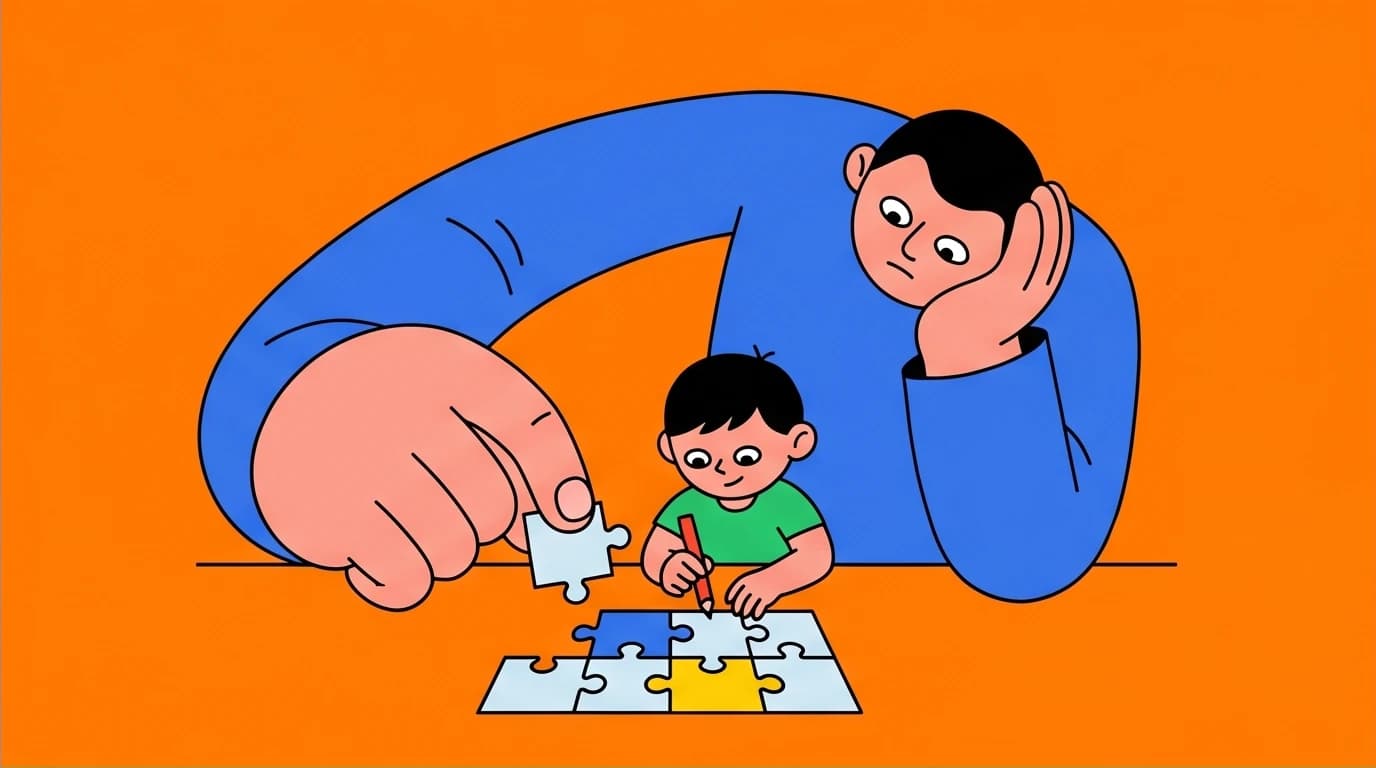
If you fix every minor inconvenience, you rob them of the opportunity to problem-solve. A future leader needs to know what happens when things go wrong. Let them eat a smaller lunch from the cafeteria or ask a friend to share. The mild discomfort they feel today prevents massive anxiety tomorrow. When they bring a problem to you, reply with a question: "That sounds tough. What's your plan to handle it?"
2. Force Meaningful Choices Early
Decision-making is a muscle. If you don't let them flex it, it atrophies. Stop making every choice for them.

Start small. At age four, let them choose between the red shirt or the blue shirt. By age eight, let them decide how to organize their weekend homework schedule. By twelve, they should be ordering their own food at restaurants and speaking directly to the waiter. Leaders make decisions and own the consequences. If they pick a bad homework schedule and end up missing out on Sunday morning cartoons because they have to finish a project, let them experience that natural consequence.
3. Focus Relentlessly on Building Resilience in Children
Resilience is the undisputed core of leadership. The ability to fail, process the disappointment, and try again separates successful adults from those who stall out.
Building resilience in children requires you to reframe how you handle their failures. When they strike out in Little League or get a poor grade on a spelling test, do not blame the coach or the teacher. Validate their disappointment—"I know you're upset, and it's okay to be mad"—but do not shield them from the reality of the failure. Teach them to ask, "What can I do differently next time?"
If you want to dive deeper into the science of bouncing back from failure, understanding the mechanics of "grit" is an absolute game-changer for parents. While talent and intelligence are great, true success depends on passion and perseverance over the long haul. Teaching your child how to stay committed to a goal—whether it's mastering a difficult math concept or finishing a challenging sports season—builds the exact type of resilience needed for future leadership.
Grit
Angela Duckworth
 18 Duration
 8 Key Points
 4.6 Rate
Learn evidence-based parenting strategies from bestselling books in just 15 minutes a day with the LeapAhead app.

Download LeapAhead App now
The Trap of Helicopter Parenting
You cannot raise a leader if you are hovering over them like a drone. Helicopter parenting—and its more aggressive cousin, snowplow parenting (clearing every obstacle out of your child's way)—destroys leadership potential.
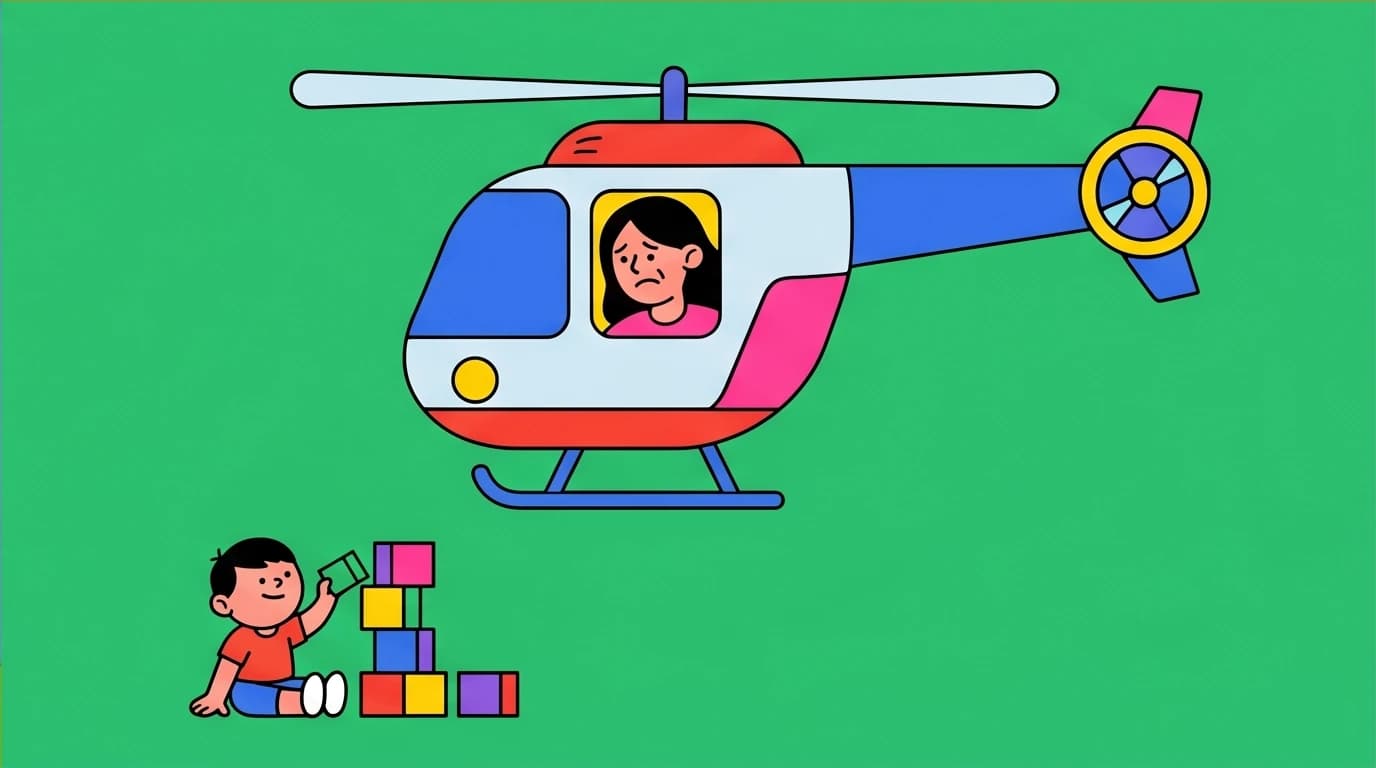
When you step in to mediate a minor playground conflict for your seven-year-old, you send a very clear, damaging message: I don't believe you are capable of handling this yourself.
Over-parented kids often look great on paper. They have perfect grades and perfectly curated extracurriculars because their parents managed the entire process. But the second they hit college or the workforce and face an unpredictable challenge, they crumble. They lack the psychological calluses required to handle stress. To raise a leader, you must get comfortable watching your child struggle.
Stepping back from the snowplow parenting approach can be terrifying, but the psychological benefits for your child are undeniable. When you stop micromanaging, you allow your kid to develop intrinsic motivation and a healthy sense of control over their own life. If you're struggling to let go of the reins, learning how to foster autonomy safely is crucial. Understanding the brain science behind why kids thrive when given independence will make it much easier to step back and watch them grow.

The Self-Driven Child
William Stixrud, Ph.D., Ned Johnson
43 Duration9 Key Points4.3 RateBooks on Raising Successful Children to Build Your Library
You don't have to guess how to do this. Developmental psychologists and researchers have spent decades studying what actually works. Instead of relying on social media advice, lean on the science. If you are browsing Amazon or planning a trip to Barnes & Noble this weekend, these are the essential books on raising successful children you need to add to your Goodreads shelf immediately.
The Gift of Failure by Jessica Lahey
Lahey, a middle school teacher, breaks down exactly why parents need to step back. The core premise is that overparenting creates a generation of anxious, dependent kids.
The Takeaway: Let your kids experience natural consequences. A forgotten assignment is a better teacher than a rescuing parent.
The Takeaway: Let your kids experience natural consequences. A forgotten assignment is a better teacher than a rescuing parent.
Mindset: The New Psychology of Success by Carol S. Dweck
This is the foundational text on the "growth mindset." Dweck's research shows that praising kids for being "smart" actually makes them afraid to take risks.
The Takeaway: Praise the effort, the strategy, and the grit. Say, "I am so proud of how hard you studied," instead of, "You are so smart."
The Takeaway: Praise the effort, the strategy, and the grit. Say, "I am so proud of how hard you studied," instead of, "You are so smart."
To truly implement Carol Dweck’s groundbreaking research in your own home, reading the full text is highly recommended. It provides a wealth of examples on how subtle shifts in your everyday language can drastically alter your child's trajectory. By consistently rewarding effort, strategy, and perseverance rather than fixed traits like being "smart" or "talented," you'll equip your kids with the psychological armor they need to tackle complex challenges without the fear of looking foolish.

Mindset
Carol S. Dweck
51 Duration8 Key Points4.6 RateLeapAhead for the Time-Strapped Parent
Let's be realistic: as a parent, your reading time is fragmented at best. You buy books like the ones on this list with the best intentions, but they end up on your nightstand, creating "reading debt." LeapAhead is a microlearning app that solves this problem by distilling the key ideas from bestselling nonfiction books (including many parenting guides) into 15-minute audio and text summaries. You can absorb the core strategies for raising a leader during your commute, while doing chores, or in the few quiet moments you have each day.
The Takeaway: Instead of letting essential parenting books collect dust, absorb their core lessons in 15-minute bursts. This makes consistent learning achievable even on the most chaotic days.
The Takeaway: Instead of letting essential parenting books collect dust, absorb their core lessons in 15-minute bursts. This makes consistent learning achievable even on the most chaotic days.
While a summary can't fully replace the nuanced stories and detailed research in a book like The Gift of Failure, it delivers the actionable takeaways you can implement immediately. For parents who need practical advice now, it's an incredibly efficient way to learn. It’s a mobile-first experience, making it ideal for on-the-go learning rather than long desktop sessions.
How to Raise an Adult by Julie Lythcott-Haims
Written by a former Stanford Dean of Freshmen, this book highlights the devastating effects of micromanagement on young adults.
The Takeaway: Give your kids chores. Real, non-negotiable responsibilities around the house teach them that they are part of a community and must contribute.
The Takeaway: Give your kids chores. Real, non-negotiable responsibilities around the house teach them that they are part of a community and must contribute.
Lythcott-Haims’s insights are essential reading for any parent who worries they might be doing a little too much for their kids. The transition from childhood to the real world is incredibly abrupt for teenagers who have had every schedule organized and every problem solved for them. Picking up this book will give you a practical, step-by-step roadmap for teaching essential life skills—like managing time, advocating for themselves, and contributing to the household—so they are genuinely ready to leave the nest.
How to Raise an Adult
Julie Lythcott-Haims
33 Duration9 Key Points4.6 RateOverwhelmed by your parenting reading list? LeapAhead delivers key insights from books like these directly to your phone.
Download LeapAhead App now
Everyday Habits That Kill Leadership Potential
If you want to know how to raise a leader, start by eliminating the daily habits that quietly undermine their autonomy.
- Speaking for them: When the doctor asks your child how they are feeling, bite your tongue. Let them answer.
- Paying them for basic chores: Leaders take responsibility for their environment. Making their bed or loading the dishwasher shouldn't be a paid gig; it's the rent they pay for living in the house.
- Bailing them out of commitments: If they beg to join the soccer team but want to quit two weeks in because it's "too hard" or it's 40 degrees Fahrenheit and raining, hold the line. They made a commitment to a team. They can choose not to sign up next season, but they must finish what they started.
Leadership is cultivated in the shadows of everyday life. It is built in the moments when you choose to stay quiet and let them figure it out, rather than rushing in to save the day. It is hard, exhausting work to parent this way. It requires extreme patience. But the payoff is a young adult who steps into the world not looking for someone to lead them, but ready to lead themselves.
This approach to parenting requires you to be at your best. To manage the patience and emotional regulation needed, focusing on your own well-being is not a luxury—it's a necessity. For mothers looking to navigate the challenges of raising a leader without losing themselves in the process, prioritizing self-improvement is key.
FAQ
My child is naturally introverted and shy. Can they still be a leader?
Absolutely. Introverts often make exceptional leaders because they are highly observant, thoughtful, and tend to listen more than they speak. Do not force an introverted child to be loud or the center of attention. Instead, focus on building their one-on-one communication skills and teach them to advocate for their own needs. Quiet confidence is still confidence.
Absolutely. Introverts often make exceptional leaders because they are highly observant, thoughtful, and tend to listen more than they speak. Do not force an introverted child to be loud or the center of attention. Instead, focus on building their one-on-one communication skills and teach them to advocate for their own needs. Quiet confidence is still confidence.
How do I balance guiding my child and letting them fail?
The rule of thumb is to look at the stakes. If the consequence is life-threatening or causes permanent physical or severe emotional harm, you step in immediately. If the consequence is a bad grade, a missed meal, or a bruised ego, you step back. Give them the framework to solve the problem, but do not solve it for them.
The rule of thumb is to look at the stakes. If the consequence is life-threatening or causes permanent physical or severe emotional harm, you step in immediately. If the consequence is a bad grade, a missed meal, or a bruised ego, you step back. Give them the framework to solve the problem, but do not solve it for them.
At what age should I start treating my child like a future leader?
Right now. Even a toddler can learn basic autonomy by picking out their own snacks or putting away their toys. As they grow, the complexity of their responsibilities should scale. If you wait until they are teenagers to suddenly expect leadership and independence, the transition will be met with massive resistance. Start building the habits early.
Right now. Even a toddler can learn basic autonomy by picking out their own snacks or putting away their toys. As they grow, the complexity of their responsibilities should scale. If you wait until they are teenagers to suddenly expect leadership and independence, the transition will be met with massive resistance. Start building the habits early.