

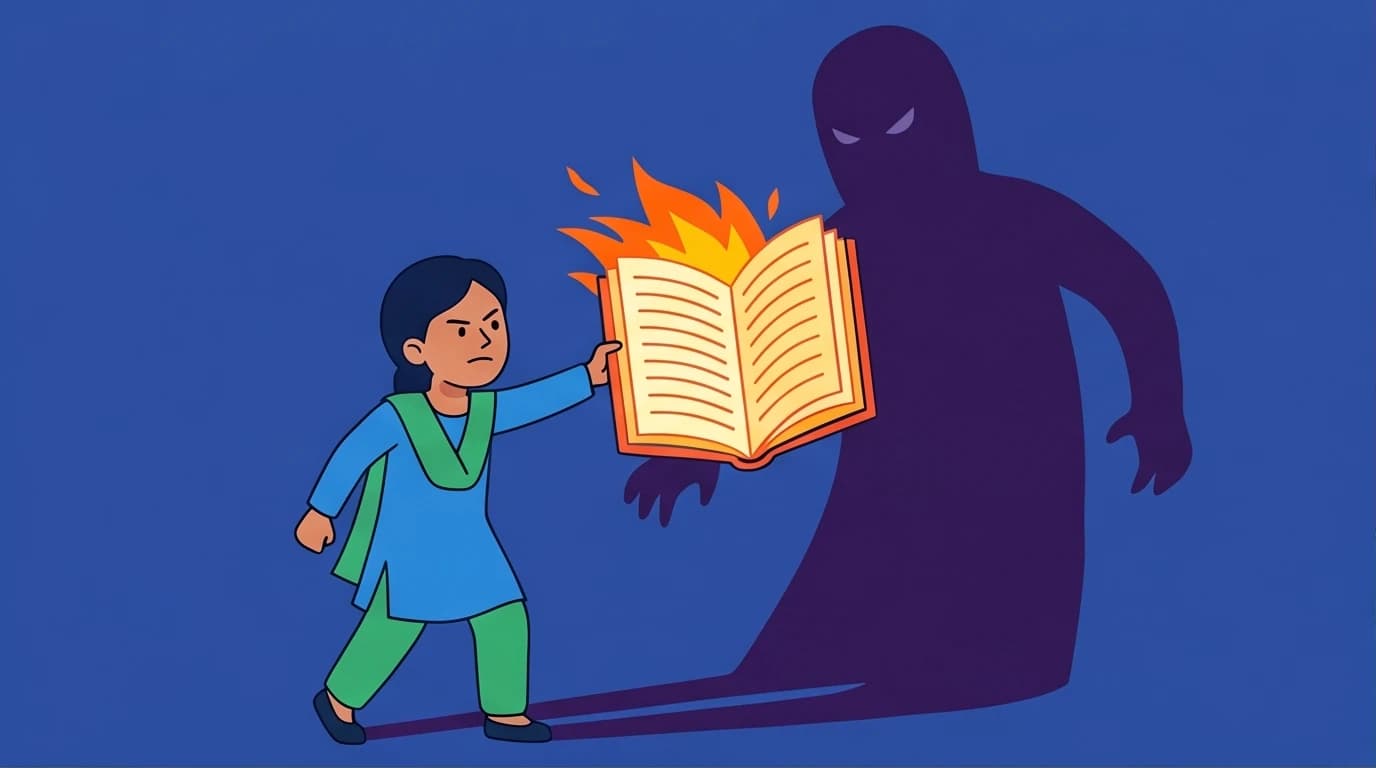
You have a book club meeting, a class discussion, or a personal goal to understand one of the most influential figures of our decade. But reading a 300-page memoir heavily layered with Pakistani political history takes hours you might not have. You know she was shot by the Taliban. You know she survived and won the Nobel Peace Prize. You need the layers beneath that.
If you're often short on time for important but lengthy books like this one, an app can help you grasp the essential ideas in minutes.


LeapAhead

Absorb the core lessons from influential memoirs like I Am Malala with 15-minute audio or text summaries designed for a busy schedule.
This guide strips away the filler. We break down exactly what happened, the underlying concepts driving the narrative, and how you can apply her mindset to your own life.
The Core Context: Before the Attack
To understand the book, you must understand her world. Malala was born in Mingora, the largest city in the Swat Valley, Pakistan. For years, Swat was a beautiful tourist destination. That changed drastically following the 2005 earthquake.
The local government was disorganized in its relief efforts. Islamic extremists, specifically a group that would align with the Tehrik-i-Taliban Pakistan (TTP), stepped in to provide aid. They won the trust of the locals. Slowly, a charismatic leader named Fazlullah started broadcasting a radio show. At first, he offered basic religious advice. Then, the broadcasts turned radical. He began condemning music, television, and eventually, girls' education.
Malala’s father, Ziauddin Yousafzai, ran a local school for girls. While others folded under Taliban pressure, he refused to close his doors. He passed this exact defiance down to his daughter.
For a more comprehensive look at her early life and the events that shaped her activism, explore her complete life story.
I Am Malala Main Points: The Narrative Arc
If you need to summarize the plot quickly, the I Am Malala main points revolve around a timeline of escalating resistance. The book, co-written with British journalist Christina Lamb, tracks Malala from her peaceful early childhood into a sudden war zone.
1. The Rise of the Radio Mullah
The Taliban did not take over by brute force immediately. They used psychological manipulation. Through illegal radio broadcasts, Fazlullah convinced the community that earthquakes and poverty were punishments from God for their "westernized" behavior. They systematically destroyed schools. By 2008, the Taliban had banned girls from attending school entirely.

2. The Gul Makai Diaries
Malala did not stay quiet. At just 11 years old, she began writing a diary for BBC Urdu under the pseudonym "Gul Makai." She detailed the terror of living under Taliban rule—hiding her books under her clothes, listening to gunfire at night, and watching her friends drop out of school out of fear. This was her first major step into global activism.

3. The Target on Her Back
As the Pakistani army temporarily pushed the Taliban out of Swat, Malala's identity as the BBC blogger became public. She began winning national peace awards and appearing on television to advocate for education. Her high profile made her a direct threat to the Taliban’s ideology.
4. The Assassination Attempt (October 9, 2012)
Malala was riding the school bus home after completing an exam. Two young men stopped the bus. One boarded, asked "Who is Malala?" and fired three shots. One bullet hit Malala in the left side of her head, traveling down her neck.
5. Recovery and Global Impact
The final section of the book details her miraculous survival. Airlifted to a military hospital in Peshawar and later to a specialized facility in Birmingham, England, Malala underwent multiple surgeries. She woke up in a foreign country, permanently displaced from her beloved Swat Valley. However, the Taliban's attempt to silence her backfired spectacularly. Her voice was amplified to a global audience.
While this summary covers the high-level timeline, nothing compares to reading Malala's own words. If you want to fully experience the rich descriptions of her beloved Swat Valley and the gripping firsthand account of her survival, picking up the actual memoir is a must. It’s an unforgettable read that will stay with you long after you turn the final page.
I Am Malala
Malala Yousafzai & Christina Lamb
 47 Duration
 9 Key Points
 3.6 Rate
Deep Dive into I Am Malala Themes
Beyond the timeline, the memoir explores several heavy sociopolitical concepts. Understanding these I Am Malala themes is critical if you are writing an essay or leading a discussion.
Education as the Ultimate Threat to Extremism
The Taliban did not fear the Pakistani army nearly as much as they feared a girl with a book. Education teaches critical thinking. It allows women to realize their independence, secure jobs, and refuse to be subjugated. The book makes a clear argument: terrorism thrives in the dark spaces of ignorance. When you educate a population, you immunize them against radicalization.
The transformative power of learning isn't just a central theme in Malala’s life; it's a universal truth for those escaping isolated or extremist environments. If you're drawn to incredible true stories about young women who risked everything to step inside a classroom and reclaim their autonomy, you will find Tara Westover’s breathtaking memoir equally unputdownable.
Educated
Tara Westover
25 Duration8 Key Points4.5 RateThe Power of the Father-Daughter Bond
In a culture that historically mourned the birth of a daughter, Ziauddin Yousafzai celebrated it. He added Malala's name to the family tree—a document previously reserved only for men. Her father’s unconditional support is the engine of the book. He treated her as an intellectual equal. The theme here is clear: systemic change often starts inside the living room.
Identity, Displacement, and Home
Malala loves the Swat Valley. She describes its mountains, rivers, and changing seasons with deep affection. A major theme in the latter half of the book is the pain of exile. Even though she lives safely in the United Kingdom, she grapples with the loss of her home. It highlights the often-ignored emotional toll of becoming a refugee.
Malala’s story is a powerful reminder of the ongoing global fight for women's rights and the toll it takes on those on the front lines. If her journey sparks your interest in how systemic change happens on a broader scale, consider exploring the stories of other courageous women turning oppression into opportunity. There are incredible, deeply researched books that showcase how empowering women and girls is the ultimate key to transforming struggling communities worldwide.
Half the Sky
Nicholas D. Kristof, Sheryl WuDunn
20 Duration7 Key Points4.1 RateLessons from I Am Malala: Applying the Mindset
Memoirs of great figures are only useful if we pull actionable wisdom from them. If you are reading this for personal growth, here are the most potent lessons from I Am Malala that translate directly into everyday life and leadership.
Courage is Not the Absence of Fear
Malala was terrified. She routinely checked the locks on her doors at night and had nightmares about acid attacks. Yet, she continued to speak to journalists. Courage means recognizing the severe risks in front of you and deciding that the mission is simply more important than your personal safety.
Her words on this topic are particularly powerful and provide a deeper window into her mindset.
Use the Tools Available to You
Malala didn't have a massive platform at age 11. She had a phone line to a BBC reporter. She used a pen name. She spoke locally. You do not need absolute power or massive funding to start advocating for a cause. You start by voicing your truth in the spaces you currently occupy.
Refuse to Be a Victim
After being shot in the head, paralyzed on one side of her face, and forced out of her country, it would have been completely understandable for Malala to retreat into a quiet life. She refused. She stated, "They thought that the bullets would silence us, but they failed. And out of that silence came thousands of voices." Trauma does not have to be the end of your story; it can be the catalyst for your life's actual work.
This ability to transform pain into purpose is a hallmark of her character and a central part of her ongoing story.
Choosing purpose over victimhood in the wake of unimaginable trauma requires profound mental resilience. For a deeper exploration of how individuals survive horrifying circumstances and use their experiences to heal themselves and others, Dr. Edith Eva Eger’s memoir is an absolute masterpiece. Her perspective on choosing freedom over fear perfectly mirrors Malala's unbreakable spirit.
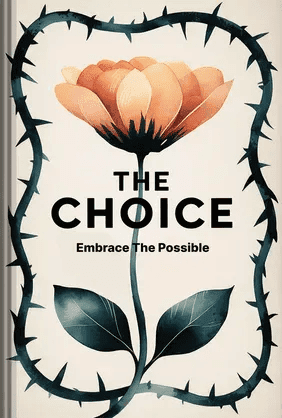
The Choice
Dr. Edith Eva Eger
37 Duration8 Key Points4.7 RateFeeling inspired by these stories of resilience but struggling to find the time to read them all? You can start building a powerful learning habit by listening to their core messages during your commute or workout.
LeapAhead
Fit powerful stories from authors like Malala Yousafzai and Dr. Edith Eger into your day with audio summaries that teach you their key lessons in under 30 minutes.

I Am Malala Key Takeaways at a Glance
If you only have two minutes before your presentation, lock these I Am Malala key takeaways into your memory:
- The inciting incident: The Taliban weaponized a natural disaster (the 2005 earthquake) to gain political control over the Swat Valley.
- The core conflict: The Taliban demanded girls stay home; Malala and her father insisted girls belonged in school.
- The turning point: The assassination attempt on October 9, 2012, designed to silence her, actually created a global icon for education.
- The central message: "One child, one teacher, one book, one pen can change the world."
- The cultural insight: The book dismantles the stereotype that all Muslims or Pakistanis support extremism. Malala and her family are devout Muslims who argue that Islam inherently values the pursuit of knowledge.
FAQ
Is the book appropriate for younger readers?
There are two versions of the book. The original I Am Malala includes heavy political and historical context about Pakistan, as well as graphic descriptions of the attack and its aftermath. It is best suited for older teens and adults. However, there is a Young Readers Edition specifically adapted for children ages 10 and up, which softens the violence while keeping the core message intact.
There are two versions of the book. The original I Am Malala includes heavy political and historical context about Pakistan, as well as graphic descriptions of the attack and its aftermath. It is best suited for older teens and adults. However, there is a Young Readers Edition specifically adapted for children ages 10 and up, which softens the violence while keeping the core message intact.
Did Malala write the book by herself?
No. She co-authored it with Christina Lamb, a veteran British journalist and foreign correspondent. Lamb helped structure the historical background of Pakistan, providing geopolitical context that frames Malala's personal experiences.
No. She co-authored it with Christina Lamb, a veteran British journalist and foreign correspondent. Lamb helped structure the historical background of Pakistan, providing geopolitical context that frames Malala's personal experiences.
What is the difference between the book and the documentary?
The book offers a detailed, chronological breakdown of the history of the Swat Valley and the political maneuvering of the Taliban. The 2015 documentary, He Named Me Malala, focuses more heavily on her post-attack life in England, her global activism, and her close relationship with her father.
The book offers a detailed, chronological breakdown of the history of the Swat Valley and the political maneuvering of the Taliban. The 2015 documentary, He Named Me Malala, focuses more heavily on her post-attack life in England, her global activism, and her close relationship with her father.
Why was the book banned in some Pakistani schools?
Shortly after its publication, a federation of private schools in Pakistan banned the book from their libraries. Critics accused the book of being a tool of Western propaganda and claimed it did not show enough respect for Islam—a claim Malala and her supporters strongly deny, as she frequently cites her faith as the source of her strength.
Shortly after its publication, a federation of private schools in Pakistan banned the book from their libraries. Critics accused the book of being a tool of Western propaganda and claimed it did not show enough respect for Islam—a claim Malala and her supporters strongly deny, as she frequently cites her faith as the source of her strength.