


You are exhausted. Every day feels like a defensive battle against incoming texts, endless workplace demands, and a culture that normalizes extreme burnout. You have probably tried the standard self-care advice—buying expensive candles on Amazon, downloading a meditation app, or booking a weekend away. Yet, true, unshakeable peace still feels completely out of reach.
When the noise gets too loud and your energy drops to zero, you need a different blueprint. You need the unapologetic, fiercely protective energy that legendary actress Jenifer Lewis embodies. Her philosophy is not about smiling through the pain. It is about demanding respect, protecting your energy, and refusing to let external chaos dictate your internal climate.
The Heavy Lifting of Finding Happiness After Trauma
You cannot build a sturdy house on a shattered foundation. A massive part of Lewis's journey involves deep, unflinching honesty about her mental health. She does not sugarcoat her battles with bipolar disorder, past traumas, or the brutal realities of navigating Hollywood.
Toxic positivity tells you to "just look on thebright side." Real healing tells you to look the monster in the eye.

finding happiness after trauma requires you to stop running from your history. Trauma wires your nervous system to expect danger, making joy feel unfamiliar and even threatening. To overcome this, you have to do the unglamorous work. This means sitting in a therapist’s office, unpacking the heavy baggage, and taking medication if your brain chemistry needs it. It means recognizing that while your trauma was not your fault, your healing is entirely your responsibility. You earn your joy by walking through the fire of your own past, not by walking around it.
Her candor about her mental health is a core part of her message. For a deeper look into this aspect of her life, it's worth understanding the full context of her struggles and triumphs.
If you are ready to do the heavy lifting but feel overwhelmed by your own nervous system's responses, it helps to understand exactly how your past has shaped your brain. Healing starts with shifting your perspective from self-blame to self-compassion. For a profoundly insightful look into this process, What Happened to You is a must-read. Co-authored by Dr. Bruce Perry and Oprah Winfrey, this book shifts the conversation from "What’s wrong with you?" to "What happened to you?"—providing the scientific and emotional framework you need to finally unpack that heavy baggage and step into your joy.
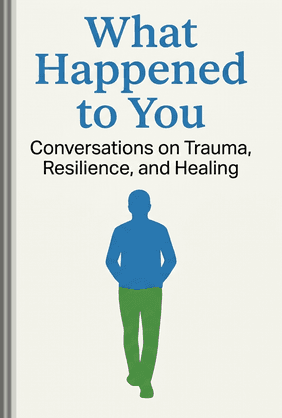
What Happened to You
Bruce D. Perry, M.D., Ph.D., and Oprah Winfrey
 39 Duration
 8 Key Points
 4.5 Rate
Building an Unbreakable Self-Love Mindset
We are conditioned to tie our worth to our productivity and how much we can sacrifice for others. A true self-love mindset actively rebels against this programming. It is the solid boundary you draw between yourself and the people who constantly drain your energy.

Having this mindset means you look in the mirror and decide your mental well-being matters more than making someone else comfortable. It looks like this in practice:
- Saying "No" as a complete sentence: You do not need to provide a three-paragraph explanation when declining an invitation. "I can't make it" is sufficient.
- Rejecting the "Disease to Please": Your value is not determined by how useful you are to your boss, your friends, or your extended family.
- Honoring your physical limits: When you are tired, you rest. You do not push through until your body forces you to shut down.
Jenifer Lewis projects a level of self-worth that commands a room. You can cultivate that exact same energy in your own living room or office by simply refusing to abandon your own needs.
To surround yourself with this powerful energy, it helps to absorb her wisdom directly. Her words are a constant reminder of the strength found in self-acceptance.
Cultivating an unbreakable self-love mindset is much easier when you have practical scripts for those difficult conversations. If the thought of saying "no" sends your anxiety through the roof, you need a field guide to holding your ground without feeling guilty. Melissa Urban’s The Book of Boundaries offers exactly that. It is packed with actionable advice and clear-cut scripts for setting limits with your boss, family members, and even yourself. It is the perfect companion for anyone ready to cure their "disease to please" and start prioritizing their own mental health.

The Book of Boundaries
Melissa Urban
24 Duration8 Key Points4.5 RateAbsorbing the lessons from powerful books like these is key, but finding the time to read them cover-to-cover can feel like a job in itself. If you want to get the main takeaways without the time commitment, an app can help.


LeapAhead provides 15-minute summaries of bestselling books on self-love and boundaries, helping you build a stronger mindset even on your busiest days.
 LeapAhead
Non-Negotiable Protecting Your Peace Habits
Philosophy is useless without execution. If you want to experience the reality of Jenifer Lewis walking in my joy, you must operationalize it. You need structured, daily protecting your peace habits that act as a fortress around your mind.

The First Hour Belongs to You
Do not touch your phone when you wake up. The moment you open your email or scroll social media, you are letting the world dictate your mood. Spend the first hour of your day grounding yourself. Drink your coffee. Walk outside for ten minutes to get sunlight. Set the tone before you let anyone else speak into your life.
The Emotional Eviction Notice
Audit the people in your life. Who leaves you feeling depleted, anxious, or fundamentally bad about yourself? Give them an emotional eviction notice. You do not always need a dramatic confrontation. You can simply step back, stop over-investing, and redirect that energy back into your own life.
Curate Your Inputs
Treat your attention like currency. What are you consuming? If a social media account triggers your anxiety, unfollow it immediately. Choose your entertainment wisely. Whether you are downloading an audiobook on Audible or grabbing a physical book from Barnes & Noble, ensure the media you consume builds you up rather than tears you down.
The "Do Not Disturb" Standard
Normalize being unreachable. You are a human being, not a 24/7 customer service desk. Use the features on your devices. Put your phone on "Do Not Disturb" at 8 PM. Let people wait. The world will not catch fire if you take twelve hours to reply to a non-urgent text message.
Taking control of your inputs and enforcing that "Do Not Disturb" standard can feel impossible when every app is designed to steal your focus. If you find yourself doomscrolling or instantly reacting to every notification, it is time to build a sturdier defense system for your attention. Nir Eyal’s Indistractable is a brilliant resource for reclaiming your time. It provides a practical, psychology-backed framework to help you control your tech usage rather than letting your devices control you. Consider it your blueprint for keeping the noise out and your peace intact.
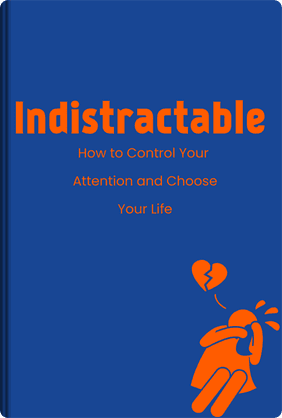
Indistractable
Nir Eyal
23 Duration10 Key Points4.5 RateEssential Jenifer Lewis Life Lessons for Daily Survival
Synthesizing her decades of experience, several core truths emerge that apply directly to your daily grind. Incorporating these Jenifer Lewis life lessons into your routine will drastically shift how you interact with the world.
You Are the Star of Your Own Life
Stop playing a supporting character in your own story. Stop shrinking in meetings. Stop apologizing for taking up space. You have the right to exist loudly, boldly, and exactly as you are. If people are intimidated by your boundaries, that is their issue to process, not yours to fix.
Mental Health is Ultimate Wealth
No amount of money, career prestige, or social status matters if your mind is a war zone. Prioritize your sanity above your salary. If a job is destroying your health, it is too expensive. Make the hard choices required to protect your baseline mental stability.
Joy is a Muscle You Must Flex
Happiness is not a sudden lightning strike. It is a habit. You have to practice it. You have to actively search for things that make you laugh, sing, and feel alive. Walk away from drama. Turn up your favorite song in the car and sing at the top of your lungs. Demand joy in your daily routine.
These lessons were hard-won over a long and storied career filled with both incredible highs and significant challenges. Understanding her professional journey provides deeper context for her wisdom.
Flexing that joy muscle daily requires intentional, sometimes gritty action—especially if you are used to putting yourself last. If you want a hilarious, no-nonsense guide on how to operationalize self-care and actually enjoy your own company, pick up Buy Yourself the Fcking Lilies* by Tara Schuster. Her story of hitting rock bottom and rebuilding her life through simple, daily rituals of self-love perfectly mirrors the Jenifer Lewis philosophy. It is a fantastic roadmap for learning how to champion your own happiness and treat yourself like the star you truly are.

Buy Yourself the F*cking Lilies
Tara Schuster
21 Duration9 Key Points4.8 RateWhen you fully embrace the concept of Jenifer Lewis walking in my joy, you stop asking the world for permission to be happy. You simply claim it, protect it fiercely, and leave anyone who has a problem with it in the dust.
Staying in this powerful mindset requires consistent reinforcement. For those days when you're too drained to pick up a book but still need a dose of inspiration, a micro-learning approach can be a game-changer.
LeapAhead lets you listen to the core wisdom from transformational books in just 15 minutes, making it easy to turn your commute or a short break into a moment of powerful self-improvement.
LeapAheadFAQ
What does "Walking in My Joy" actually mean in practical terms?
It means taking active, daily control of your happiness. It is the conscious decision to reject unnecessary drama, enforce strict boundaries, and refuse to let other people's negative behavior dictate your emotional state. It is an active defense system, not just a happy mood.
How do I start finding happiness after trauma when everything feels heavy?
Start small and seek professional help. Finding happiness after trauma requires processing the pain with a qualified therapist. In your daily life, focus on grounding techniques and small moments of safety. Do not force grand gestures of happiness; focus on building a stable, safe internal environment first.
How do I maintain a self-love mindset when my family or job is the main source of stress?
You create physical and emotional distance. A self-love mindset means you stop expecting toxic environments to suddenly become healthy. You limit your exposure, set firm time boundaries (e.g., leaving work exactly at 5 PM, taking breaks during family gatherings), and stop seeking validation from people incapable of giving it.
What is the hardest part about implementing protecting your peace habits?
The hardest part is the pushback. When you change the rules of engagement and stop being a people-pleaser, the people who benefited from your lack of boundaries will get upset. You must tolerate their temporary discomfort and stand your ground until they realize your new boundaries are permanent.