

Watching a brilliant, high-achieving high school student morph into a remorseless serial killer leaves a lingering question in the mind of any analytical viewer. Was the capacity for mass murder always hardwired into his brain, or did absolute power corrupt an otherwise functional teenager? Strip away the supernatural elements of the death god and the notebook, and what remains is a terrifyingly accurate clinical profile of a mastermind. Understanding the exact psychological conditions driving his manipulation reveals how unchecked intellectual arrogance inevitably metastasizes into a monstrous, destructive ego.
Decoding the Light Yagami Personality Type
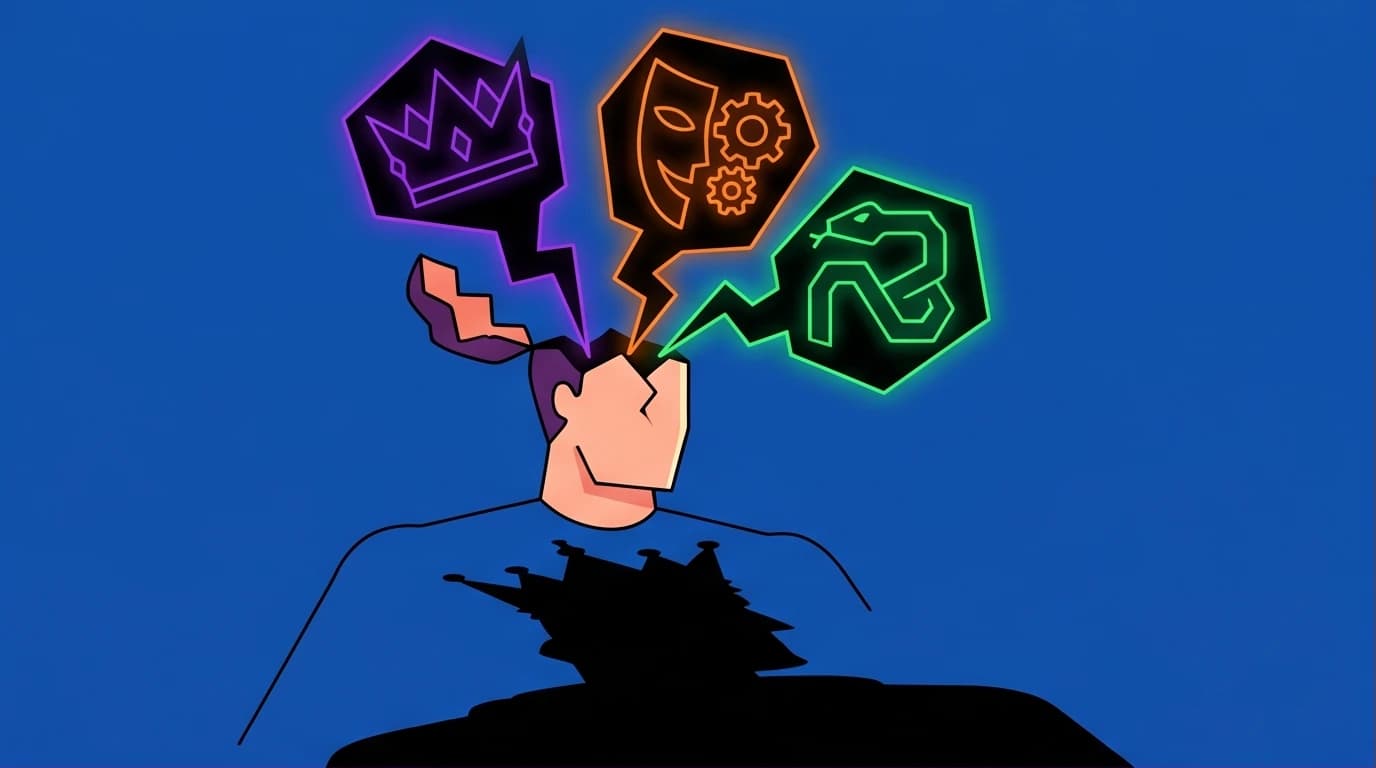
Internet forums frequently debate the Light Yagami personality type through the lens of Myers-Briggs (often categorizing him as an unhealthy ENTJ or INTJ). However, corporate personality tests fail to capture the pathology at the core of his mental state. To truly understand him, we have to look past his high cognitive functioning and examine his emotional deficits.
Clinically, Light is a textbook example of high-functioning Antisocial Personality Disorder (ASPD) layered heavily with Narcissistic Personality Disorder (NPD). He is not a chaotic, disorganized killer. He is a hyper-rational, organized predator. He possesses what psychologists call "cognitive empathy"—the ability to recognize and understand what other people are feeling. He uses this solely to predict their behavior. What he completely lacks is "affective empathy"—the ability to actually share those feelings or care about the suffering of others.
This exact disconnect allows him to maintain a stellar GPA, charm his family, and collaborate with law enforcement while secretly orchestrating the murder of thousands.
His cognitive abilities allowed him to construct this elaborate facade. To truly appreciate the complexity of his plans and how he outmaneuvered global authorities, it's worth examining the specific strategies he employed.
If analyzing the dark, hidden drivers of human behavior fascinates you, exploring the broader spectrum of our psychological makeup can be incredibly rewarding. Beyond clinical diagnoses like ASPD and NPD, human nature is filled with complex, sometimes unsettling traits that dictate how we interact with the world. For a profound deep dive into why people—both in fiction and reality—act the way they do, this comprehensive guide offers remarkable insights into our deepest motivations and the shadowy sides of our personalities.
The Laws of Human Nature
Robert Greene, Paul Michael, et al.
 48 Duration
 7 Key Points
 4.5 Rate
The Dark Triad Personality in Action
In forensic psychology, the most dangerous individuals score extremely high in three overlapping malevolent traits known as the dark triad personality. Light exhibits extreme symptoms of all three dimensions.
1. Machiavellianism: Human Beings as Chess Pieces
Machiavellianism is characterized by a cynical disregard for morality and a focus on self-interest and personal gain. Light does not view people as human beings with intrinsic value; he views them strictly as assets or liabilities.
When he manipulates FBI agent Raye Penber or forces Naomi Misora to walk to her own unmarked grave, there is no hesitation or guilt. He calculates their utility, extracts what he needs, and disposes of them. His romantic relationships are the most glaring examples of this trait. He dates women explicitly to create alibis, mimicking the actions of a devoted boyfriend while internally plotting how to leverage their affection for his survival.
This cold, utilitarian view of people is the foundation of his power. His ability to charm, deceive, and control others goes beyond simple lies; it's a sophisticated system of psychological control.
2. Subclinical Psychopathy: The Mask of Sanity
Psychopathy manifests as impulsivity, thrill-seeking, and a profound lack of remorse. While Light does not have the childhood conduct disorder typically required for a formal psychopathy diagnosis in the United States, his adult behavior mirrors the PCL-R (Psychopathy Checklist-Revised) almost perfectly.
He possesses immense superficial charm. He lies pathologically and convincingly. Most tellingly, he experiences absolutely zero physiological arousal or anxiety when lying to the police or watching innocent people die. His pulse remains steady; his logic remains cold.
It is easy to assume that psychopaths are obvious villains, but as Light Yagami demonstrates, they often hide behind a charming, highly functioning "mask of sanity." If you want to learn how to identify these manipulative individuals in the real world, educating yourself on their specific behaviors is essential. For an eye-opening look at how toxic personalities operate—and how to protect yourself from their calculated charms—this highly recommended book breaks down the exact mechanics of psychopathic manipulation in everyday relationships.
Psychopath Free (Expanded Edition)
Jackson MacKenzie
17 Duration7 Key Points4.7 Rate3. Malignant Narcissism: The Fragile Ego
While psychopathy allows him to kill without guilt, narcissism is the actual engine driving his actions. He genuinely believes he is intellectually and morally superior to the rest of the human race. Before he even touches the notebook, he sits in his classroom silently judging society as "rotten." The power simply gives him the means to act on a superiority complex that was already fully formed.
Narcissism and Sociopathy: A Lethal Intersection
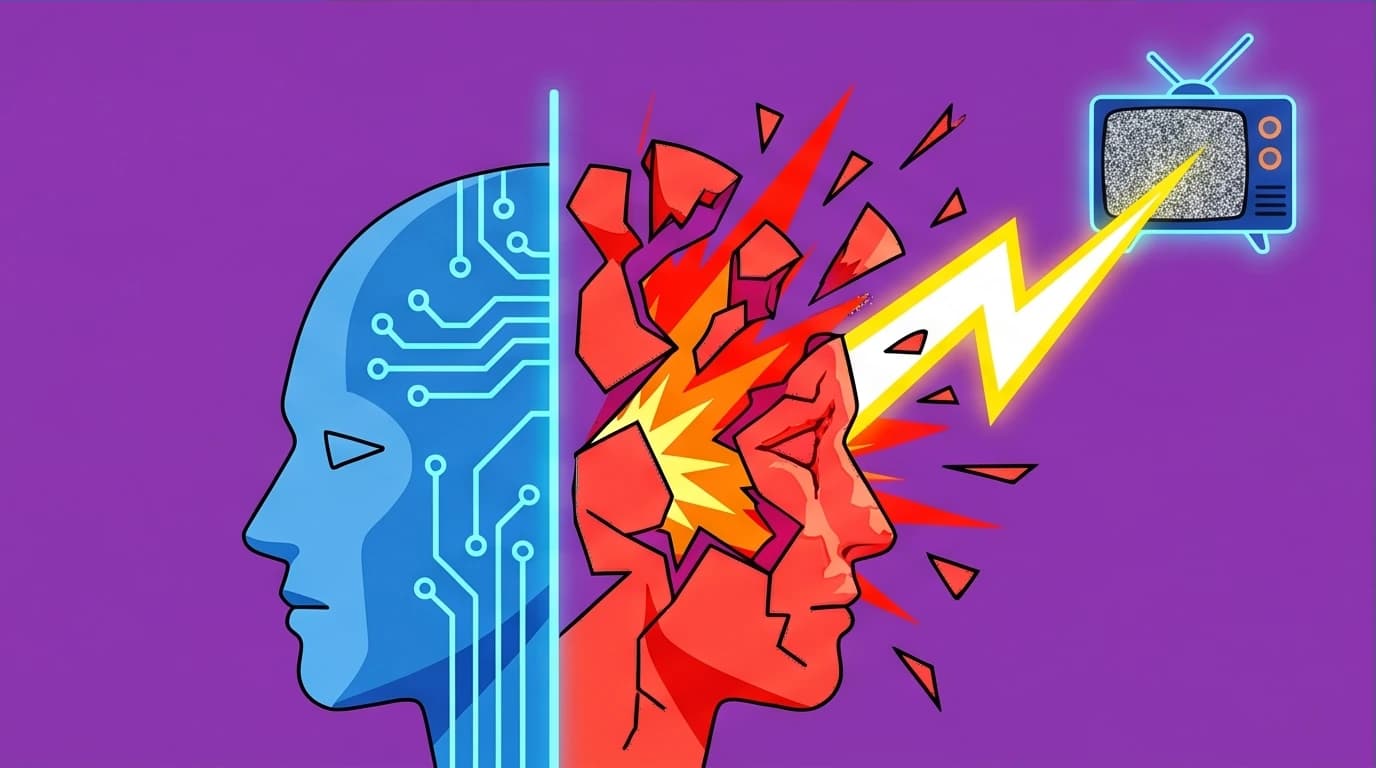
The intersection of narcissism and sociopathy in Light’s behavior answers one of the most debated questions about his character: why does he make mistakes?
If he is a pure, emotionless calculating machine, he should never get caught. But he is entirely compromised by his narcissistic fragility. When a narcissist's ego is threatened, they experience "narcissistic injury," which triggers an explosive, irrational response known as narcissistic rage.
Look at his reaction during the infamous Lind L. Tailor television broadcast. L calls him "evil" on live television. A truly rational, emotionally detached sociopath would have laughed at the television, turned it off, and ignored the bait. There was no strategic advantage to killing the man on screen. But Light’s grandiose narcissism could not tolerate the public insult. He kills Tailor in a fit of impulsive rage, inadvertently confirming his location in the Kanto region and giving L exactly what he needed. His narcissism continually sabotages his sociopathic brilliance.

Understanding God Complex Psychology
When discussing Light Yagami, it is impossible to ignore the concept of god complex psychology. While not a standalone diagnosis in the DSM-5, a God complex falls under the umbrella of grandiose delusions and extreme narcissistic personality disorder.
A God complex requires three psychological pillars to sustain itself, all of which Light constructs:
- Infallibility: The subject believes their judgment is absolute. Light decides who lives and who dies based entirely on his personal, subjective moral compass, yet he considers his verdicts flawless.
- Exemption from Rules: He believes the laws of society apply to the masses, not to him. He is the architect of the new world; therefore, he cannot be bound by the morality of the old world.
- Requirement of Worship: He does not just want to eradicate crime. If that were his only goal, he would have kept the murders random and untraceable. Instead, he intentionally unifies his killing methodology (heart attacks) so the public realizes a single entity is judging them. He demands the world acknowledge his existence, fear him, and ultimately worship him as a deity.
The supernatural weapon did not create this complex; it acted as the ultimate confirmation bias. It provided tangible proof to his twisted psyche that he was indeed chosen to rise above humanity.
The fusion of infallibility and a demand for worship is the very definition of a god complex. It's the central pillar of his entire worldview, driving him to reshape the world in his own image.
The concept of a "God complex" and the malignant narcissism that fuels it isn't just a fascinating trope in psychological thrillers; it is a real phenomenon that experts have studied for decades. When an individual’s unchecked ego and lack of empathy merge into a self-righteous crusade, the results can be truly destructive. If you are intrigued by the clinical reality of "evil" behavior and how extreme narcissism manifests in real life, this classic work in psychology offers a profound, compassionate, yet unflinching examination of the darkest corners of the human mind.
People of the Lie
M. Scott Peck
16 Duration6 Key Points4.2 RateThe Mechanics of Sociopathic Gaslighting
Light’s ability to survive investigation for years relies heavily on clinical gaslighting and emotional mirroring. He constantly manipulates the reality of those around him, making them doubt their own instincts.
When L suspects him, Light reacts with manufactured righteous indignation. He physically fights L, demanding to know how L could accuse a friend. This is classic DARVO (Deny, Attack, and Reverse Victim and Offender). Light flips the script, forcing the detective to second-guess his airtight deductive reasoning by inserting emotional guilt into the equation.
He studies how normal people react to grief, fear, and love, and he puts on a flawless performance. He is entirely hollow inside, essentially functioning as a highly advanced mirror that reflects whatever emotion is necessary to manipulate the person standing in front of him.
Light’s use of guilt, fear, and manufactured indignation to control his investigators is a textbook example of psychological manipulation. Unfortunately, these exact gaslighting tactics are frequently used by manipulative individuals in the real world to keep their victims off-balance. If you are interested in learning more about how emotional manipulators operate and want to understand the mechanics of fear, obligation, and guilt (FOG), this empowering read provides the tools you need to recognize and dismantle emotional manipulation in your own life.

Emotional Blackmail
Susan Forward, PhD, with Donna Frazier
36 Duration10 Key Points4.7 RateExploring the dense concepts from these books is the next step, but finding the time can be a challenge. If you want to absorb the key insights from psychological deep-dives like these without committing to hundreds of pages, an app can be a great starting point.

Quickly grasp the core ideas from bestselling psychology books, helping you understand complex topics like narcissism and manipulation in just 15-minute summaries.

Download LeapAhead App now
FAQ
Is Light Yagami a psychopath or a sociopath?
Clinically, he leans closer to psychopathy. Sociopaths tend to be volatile, emotionally disorganized, and act on raw impulse. Psychopaths are calculated, charismatic, and maintain a highly organized "mask of sanity." Light’s meticulous planning, stable outward demeanor, and complete lack of physiological stress while lying align strongly with primary psychopathic traits, heavily compounded by malignant narcissism.
Did the notebook make Light evil, or was he already mentally ill?
The supernatural tool did not create his pathology; it acted as a catalyst. Before finding the notebook, Light already exhibited covert narcissism, intense boredom, and a disdain for society. The sudden acquisition of absolute, untraceable power removed the societal consequences that keep dark personality traits in check, allowing his latent God complex to fully manifest.
Can a real person have Light Yagami's psychological profile?
Yes. While the scale of his murders is fictional, the precise combination of high intelligence, extreme narcissism, and psychopathy is a well-documented clinical reality. Historically, many cult leaders and highly organized serial killers exhibit this exact dark triad profile, using superficial charm and a grandiose sense of purpose to justify their horrific actions to themselves and their followers.