


You wake up, and the weight of the day is already sitting on your chest. Your mind races through unread emails, endless errands, and tight deadlines before you even step out of bed. You just need something to pull you back to the present moment and quiet the noise.
When your mental bandwidth is entirely tapped out, reading a 300-page self-help book is out of the question. That is exactly where a carefully chosen string of words becomes a lifeline. It is not about pretending everything is perfect. It is about finding a tiny anchor to hold you steady when the waves of a chaotic day try to pull you under.
And for those days when you want the wisdom of a full book without the time commitment, you can get the key ideas in minutes.

LeapAhead

Absorb the core insights from bestselling self-help books in just 15 minutes, perfect for when you're too overwhelmed to read but still want to grow.
Why a Single Sentence Carries So Much Weight
When we are stressed, our brains default to threat-detection mode. We fixate on what could go wrong. We replay past mistakes. Psychologists call this negative rumination. Breaking this cycle requires a pattern interrupt—a sudden shift in focus that forces your brain out of its downward spiral.

Searching for a positive quote of the day provides that exact interruption. It takes less than five seconds to read, but it leaves a lingering imprint on your cognitive filter. When you internalize a calm, empathetic phrase, you create a buffer between yourself and your triggers. A rude coworker, a 10-mile traffic jam, or a derailed project suddenly feels a little more manageable.
If you're looking to build a reliable catalog of pattern-interrupting quotes, drawing from ancient philosophy is an excellent starting point. The Stoics were masters of focusing only on what they could control and letting go of the rest. Having a structured collection of their wisdom can take the guesswork out of finding the right phrase each morning. This comprehensive guide offers one page of practical, grounding insight for every day of the year, giving you a daily anchor to steady your mind before stepping out the door.

The Daily Stoic
Ryan Holiday & Stephen Hanselman
 48 Duration
 9 Key Points
 4.6 Rate
Choosing the Right Words for Your Immediate Need
Not every quote works for every situation. If you are deeply burned out, a high-energy phrase like "crush your goals today!" will only make you feel worse. You need to match the message to your current emotional deficit.

1. Easing the Weight of Burnout and Overwhelm
When you feel hollowed out by constant demands, you need permission to rest and exist without performing. These quotes for mental well-being serve as a gentle reminder that your worth is not tied to your productivity.
- "You do not have to set yourself on fire to keep others warm."
- "Almost everything will work again if you unplug it for a few minutes, including you." – Anne Lamott
- "Rest is not a reward for the work; it is the prerequisite."
How to use them: When you catch yourself skipping lunch or agonizing over an email draft, pause. Repeat one of these phrases. Realize that taking a step back actually protects your long-term capability.
2. Grounding an Anxious, Racing Mind
Anxiety lives in the future. It forces you to mentally solve problems that have not happened yet. A mindfulness quote of the day pulls your attention violently back to the present second, right where your feet touch the floor.
- "You can't calm the storm, so stop trying. What you can do is calm yourself. The storm will pass."
- "Breath is the bridge which connects life to consciousness, which unites your body to your thoughts." – Thich Nhat Hanh
- "Worrying does not empty tomorrow of its sorrow, it empties today of its strength." – Corrie ten Boom
How to use them: Use these words as a breathing cue. Read the sentence, close your eyes, take a deep breath in through your nose, and exhale slowly. Let the words anchor you to the current hour, not the hypothetical disaster waiting next week.
The quote above from Thich Nhat Hanh is just a glimpse into his profound ability to simplify the practice of mindfulness. When anxiety makes you feel like you are speeding down the highway at a hundred miles per hour, learning to harness your breath is the most effective brake pedal you have. If his words resonate with you, exploring more of his teachings can completely transform how you approach your daily stressors. This beautiful read offers bite-sized, practical ways to find deep tranquility in the middle of our chaotic, modern lives.
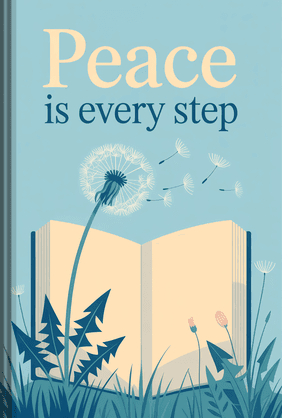
Peace is Every Step
Thich Nhat Hanh
37 Duration8 Key Points4.6 Rate3. Shifting Focus from Lack to Abundance
Stress creates tunnel vision. We only see what is broken, missing, or annoying. Incorporating daily gratitude quotes into your routine widens that lens, allowing you to notice the small, functional, and beautiful parts of your life that you usually step right over.
- "Gratitude turns what we have into enough." – Aesop
- "Notice the small things. The sun on your face, the texture of your coffee cup, the quiet of the morning. They are not interruptions to your life; they are your life."
- "What if you woke up today with only the things you thanked God for yesterday?"
How to use them: Think of gratitude as an observational scavenger hunt. Use these quotes to prompt you to find just three ordinary things to appreciate before you walk out your front door.
How to Make the Words Stick
Reading a quote once on a website will not change your life. To build emotional resilience, you need to turn these words into daily positive affirmations. You have to weave them into the physical environment of your everyday life.
Claim Your Digital Real Estate
You look at your phone dozens of times a day. Turn that habit into a therapeutic tool. Create a simple image with your favorite phrase and set it as your lock screen. Every time you pick up your phone out of habit or anxiety, you are forced to read a calming truth before you unlock the device.
You look at your phone dozens of times a day. Turn that habit into a therapeutic tool. Create a simple image with your favorite phrase and set it as your lock screen. Every time you pick up your phone out of habit or anxiety, you are forced to read a calming truth before you unlock the device.
The Bathroom Mirror Trick
Grab a dry-erase marker or a simple sticky note. Write your chosen quote on your bathroom mirror. It will be the first thing you read while brushing your teeth in the morning and the last thing you see before going to bed.
Grab a dry-erase marker or a simple sticky note. Write your chosen quote on your bathroom mirror. It will be the first thing you read while brushing your teeth in the morning and the last thing you see before going to bed.
Curate an Audio or Literary Input
If you commute, your environment is likely chaotic. Use that time intentionally. You might hear a brilliant line while listening to a self-development book on Audible, or you might find a highlighted passage while scrolling through Goodreads reviews. Whenever a phrase hits you hard, save it. Grab a blank journal from Amazon or Barnes & Noble, keep it on your nightstand, and write down your quote of the day before you go to sleep. The physical act of writing slows your brain down and helps the words take root.
If you commute, your environment is likely chaotic. Use that time intentionally. You might hear a brilliant line while listening to a self-development book on Audible, or you might find a highlighted passage while scrolling through Goodreads reviews. Whenever a phrase hits you hard, save it. Grab a blank journal from Amazon or Barnes & Noble, keep it on your nightstand, and write down your quote of the day before you go to sleep. The physical act of writing slows your brain down and helps the words take root.
Taping a quote to your bathroom mirror or changing your phone's lock screen are perfect examples of designing an environment that supports your mental health. Small, nearly invisible changes to your daily routine can yield massive psychological benefits over time. If you want to dive deeper into why these micro-adjustments work—and how to seamlessly build other positive routines without feeling exhausted—understanding the mechanics of habit formation is key. This breakthrough book provides an incredibly actionable framework for making good habits inevitable and bad ones impossible.

Atomic Habits
James Clear
26 Duration8 Key Points4.7 RateA Warning Against Toxic Positivity
It is critical to organize your thoughts around genuine healing, not forced happiness. True mental wellness is not about ignoring pain, grief, or exhaustion.

If you just lost your job or are dealing with a severe personal crisis, repeating "Good vibes only!" is not helpful. It is dismissive. A highly effective positive quote does not invalidate your struggle. It acknowledges the heavy load and simply offers a better way to carry it. Choose words that validate your reality while simultaneously offering hope.
Navigating the space between true healing and toxic positivity requires a healthy level of emotional flexibility. It is completely normal to feel frustrated, exhausted, or disappointed, and trying to slap a generic "good vibes only" sticker over those emotions usually backfires. True resilience comes from facing your difficult feelings with curiosity and compassion rather than suppression. If you want to learn how to embrace your full emotional spectrum while still moving forward with purpose, this insightful guide offers a brilliant roadmap for getting unstuck and thriving.
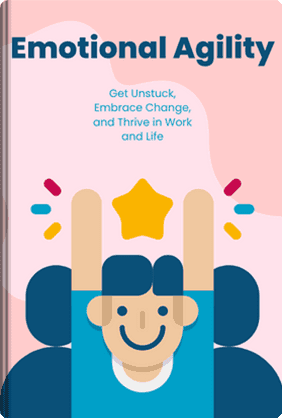
Emotional Agility
Susan David, Ph.D.
48 Duration8 Key Points4.5 RateIf you’re intrigued by these books but know your schedule is too packed to read them all, you can still absorb their main takeaways.
LeapAhead
Explore the core ideas from books like Atomic Habits and Emotional Agility in quick 15-minute summaries, making it easy to learn on even the busiest days.
Find your sentence today. Write it down. Let it anchor you.
FAQ
Do daily affirmations actually work for high stress?
Yes, but they work through repetition, not magic. They act as cognitive pattern interrupts. When your brain spirals into worst-case scenarios, a memorized affirmation provides a concrete, rational thought to anchor onto, lowering your heart rate and reducing immediate panic.
Yes, but they work through repetition, not magic. They act as cognitive pattern interrupts. When your brain spirals into worst-case scenarios, a memorized affirmation provides a concrete, rational thought to anchor onto, lowering your heart rate and reducing immediate panic.
How do I find a quote that doesn't feel cheesy or fake?
Look for quotes rooted in resilience and mindfulness rather than blind optimism. Instead of looking for phrases that say "Everything is perfect," look for phrases that say "Things are hard, but I am capable of handling this." Authenticity resonates better than forced cheerfulness.
Look for quotes rooted in resilience and mindfulness rather than blind optimism. Instead of looking for phrases that say "Everything is perfect," look for phrases that say "Things are hard, but I am capable of handling this." Authenticity resonates better than forced cheerfulness.
Should I use the same quote every day or switch it up?
It depends on your current season of life. If you are dealing with a specific, ongoing issue (like grief or workplace burnout), keeping the exact same quote for a month builds a deep, automatic mental reflex. If you just need general inspiration, switching it daily keeps your brain engaged and prevents the words from becoming invisible background noise.
It depends on your current season of life. If you are dealing with a specific, ongoing issue (like grief or workplace burnout), keeping the exact same quote for a month builds a deep, automatic mental reflex. If you just need general inspiration, switching it daily keeps your brain engaged and prevents the words from becoming invisible background noise.
When is the best time to read my daily quote?
The most effective times are immediately after waking up and right before sleep. In the morning, it sets a proactive emotional baseline before the world starts making demands of you. At night, it helps clear residual stress, allowing for better emotional recovery while you sleep.
The most effective times are immediately after waking up and right before sleep. In the morning, it sets a proactive emotional baseline before the world starts making demands of you. At night, it helps clear residual stress, allowing for better emotional recovery while you sleep.