

Couples rarely plan to ruin their evenings. But one misinterpreted comment about loading the dishwasher or a slight shift in tone during a text message, and suddenly you are both sleeping in separate rooms. If you are exhausted by constant bickering, walking on eggshells, or feeling emotionally disconnected, you are looking for a lifeline. Many therapists recommend Don Miguel Ruiz’s classic book to partners stuck in these exact cycles.

Using The Four Agreements in relationships provides a practical, straightforward framework to cut through the noise, stop defensive reactions, and rebuild intimacy. You don't need to analyze your childhood to make it work today. You just need to commit to four basic habits. Here is exactly how to translate these ancient Toltec concepts into your modern living room.
Before diving into how these agreements apply specifically to couples, it's helpful to have a clear understanding of the core principles.
Agreement 1: Be Impeccable With Your Word
In romantic partnerships, your words are either building a safe harbor or burning it to the ground. Being impeccable with your word means speaking with integrity and intentionally stripping the cruelty out of your daily communication.
It is easy to let sarcasm, passive-aggression, or absolute statements slip out when you are frustrated about the mental load or daily chores. Saying "You never help around the house" or "You are always acting crazy" uses your words as a weapon. It forces your partner into a defensive posture immediately.
When exploring The Four Agreements for couples, this first rule requires a hard pause before you speak. Say exactly what you mean, but say it kindly. Stop using your words to gossip about your partner to your friends, and stop using them to inflict guilt.

How to practice this today:
Catch yourself before using the words "always" and "never." Instead of attacking their character, state a fact and a need. "I feel overwhelmed with the laundry today and need your help organizing the living room" is impeccable. It communicates your reality without diminishing your partner.
Catch yourself before using the words "always" and "never." Instead of attacking their character, state a fact and a need. "I feel overwhelmed with the laundry today and need your help organizing the living room" is impeccable. It communicates your reality without diminishing your partner.
When we feel frustrated about household chores or the mental load, our default is often to use language that blames or shames our partner. If you struggle with breaking the habit of using your words as weapons, you might need a new communication toolkit. Marshall Rosenberg’s groundbreaking work provides exact scripts for expressing your needs without triggering a defensive reaction. It’s an essential read for couples who want to replace passive-aggressive comments with genuine, productive dialogue.
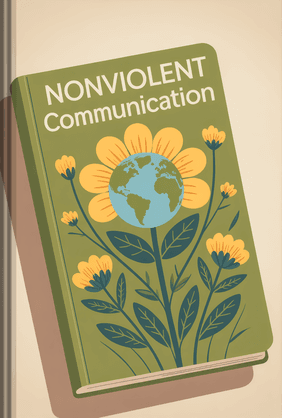
Nonviolent Communication
Marshall B. Rosenberg, Ph.D.
 53 Duration
 9 Key Points
 4.7 Rate
If finding the time to read a full book on communication feels like one more thing on your to-do list, there are ways to absorb these key ideas more efficiently.


LeapAhead

Learn the core principles of books like Nonviolent Communication in just 15 minutes, helping you build better communication habits without the time commitment.
Agreement 2: Don't Take Anything Personally
Picture this: Your partner walks through the door after driving 15 miles in grueling gridlock traffic on the interstate. They drop their bags, look at the mail on the counter, and snap at you for leaving a mess. Your immediate instinct is to fire back and start a fight.
Stop. Do not take it personally.
Ruiz teaches that nothing other people do is because of you. It is a projection of their own reality. When your partner snaps after a long day, they are reacting to physical exhaustion, stress from their boss, or their own internal anxiety. It is not actually about the mail on the counter.
Applying this principle unlocks the core of The Four Agreements love philosophy: true intimacy requires emotional independence. If you stop absorbing your partner’s bad moods as a personal indictment of your worth, you can de-escalate fights instantly.

How to practice this today:
When your partner exhibits a harsh tone, visualize a glass wall between you. The anger bounces off the glass. Instead of getting defensive, you can observe their frustration and respond with, "You seem really stressed today." You protect your own peace while offering them space to cool down.
When your partner exhibits a harsh tone, visualize a glass wall between you. The anger bounces off the glass. Instead of getting defensive, you can observe their frustration and respond with, "You seem really stressed today." You protect your own peace while offering them space to cool down.
This concept is often the most challenging but rewarding agreement for couples to master.
Why is it so difficult to let your partner's bad mood bounce off you? Often, our inability to create that emotional glass wall stems from our underlying attachment style. If you have an anxious attachment style, a partner's sigh or sharp tone feels like a direct threat to the relationship. Understanding the science of adult attachment can help you stop taking these moments personally, allowing you to build the emotional independence required for a truly secure partnership.
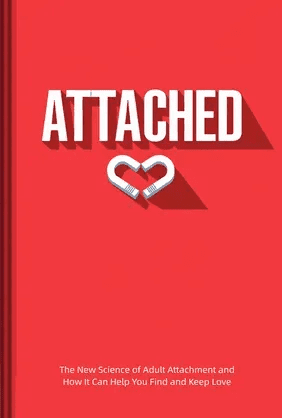
Attached
Amir Levine, PhD, Rachel Heller, MA
48 Duration9 Key Points4.5 RateAgreement 3: Don't Make Assumptions
Mind-reading is the ultimate relationship killer. We naturally expect our partners to just know what we want. We think, "If they truly loved me, they would know why I'm upset right now." When they inevitably fail to guess correctly, we punish them with the silent treatment.
Building a secure, don't make assumptions relationship relies entirely on explicit communication. You have to ask for what you need. If your partner is unusually quiet during dinner, do not assume they are secretly angry with you or losing interest in the relationship. They might just have a headache or be thinking about a project at work. If you want flowers for your anniversary or need an hour alone to decompress, you must tell them.

For those applying the four agreements to marriage or long-term partnerships, replacing assumptions with curiosity changes the entire dynamic of the household.
How to practice this today:
Whenever you feel yourself spinning a negative story in your head about your partner's motives, ask for clarification. A simple, non-accusatory question like, "Hey, when you sighed heavily while doing the dishes, I felt like you were mad at me. Is that true, or are you just tired?" prevents days of unnecessary tension.
Whenever you feel yourself spinning a negative story in your head about your partner's motives, ask for clarification. A simple, non-accusatory question like, "Hey, when you sighed heavily while doing the dishes, I felt like you were mad at me. Is that true, or are you just tired?" prevents days of unnecessary tension.
Assuming your partner knows what you are thinking is a shortcut to resentment. To stop mind-reading, you have to actively learn about your partner's inner world through curiosity and clear questions. Dr. John Gottman’s decades of research on couples have identified exactly what makes relationships succeed or fail. His practical exercises will help you map out your partner's current stresses and desires, ensuring you never have to guess what they need from you again.
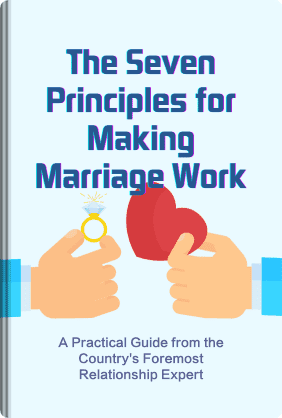
The Seven Principles for Making Marriage Work
John Gottman, Ph.D., Silver Nan
17 Duration7 Key Points4.3 RateAgreement 4: Always Do Your Best
Your "best" is not a fixed baseline. It changes daily. Your best when you are well-rested on a Saturday morning after a full night of sleep looks very different from your best on a Tuesday night when you have a 101-degree Fahrenheit fever and the kids are screaming.
Understand that both you and your partner will have fluctuating capacities. Some days, your partner can give 100% emotional presence to the relationship. Other days, because of burnout or illness, they might only have 20% to give. If they are giving that 20%, they are still doing their best for that specific moment in time.
How to practice this today:
Give yourself and your partner grace. When you mess up—and you will definitely break the first three agreements during a heated argument—do not spiral into shame. Acknowledge the slip-up, apologize clearly, and commit to doing your best again the next day. Perfection is not the goal; consistent effort is.
Give yourself and your partner grace. When you mess up—and you will definitely break the first three agreements during a heated argument—do not spiral into shame. Acknowledge the slip-up, apologize clearly, and commit to doing your best again the next day. Perfection is not the goal; consistent effort is.
If you are trying to implement these daily habits to save your relationship, reading the source material is non-negotiable. Don Miguel Ruiz’s classic text goes far beyond romantic partnerships, offering a profound philosophical guide to personal freedom and emotional peace. Keeping a copy on your nightstand serves as a fantastic daily reminder to watch your words, drop your assumptions, and give yourself grace on the days when your best feels a little bit less than perfect.
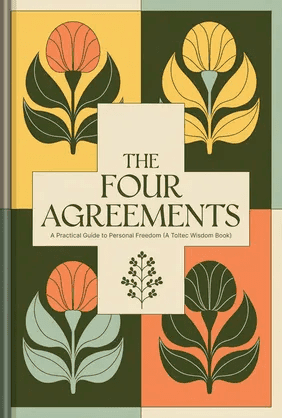
The Four Agreements
Don Miguel Ruiz
33 Duration7 Key Points4.6 RatePutting all this advice into practice can feel overwhelming, especially when life is already busy. If you want to absorb the wisdom from all these recommended books but struggle to find the time, there's a more modern way to learn on the go.
LeapAhead
Absorb the core lessons from relationship guides like The Four Agreements and Attached in 15-minute summaries, making it easier to build better habits on busy days.
Integrating these four habits into your daily life takes consistent effort and intention. For more inspiration, exploring memorable quotes from the book can serve as a powerful daily reminder.
Common Pitfalls to Avoid in Practice
While these tools are highly effective, they are frequently misunderstood in the context of romantic relationships. Keep these boundaries in mind:
- Do not tolerate abuse: "Not taking things personally" does not mean you should accept emotional or physical abuse. Boundaries are still required. You can recognize that a partner's toxic behavior is about their own unhealed trauma, while still deciding to leave the room or the relationship.
- Do not weaponize the rules: Do not use the book to police your partner. Barking "You're making assumptions!" during an argument completely violates the first agreement of being impeccable with your word. Focus entirely on your own behavior. Lead by example.
FAQ
What if my partner refuses to read the book or do the work?
You cannot force them to change. However, you can shift the entire dynamic of your relationship simply by changing your own reactions. Grab the audiobook on Audible or order a copy from Barnes & Noble for yourself. As you stop taking their stress personally and start communicating clearly without assumptions, your partner will naturally have to adjust to the new, healthier way you engage.
How do we remember to use these rules during a heated fight?
It takes practice, and you will forget sometimes. The most effective strategy is calling a physical time-out. When you feel your heart racing and you want to yell, say, "I need 10 minutes." Step into another room, organize your thoughts, and ask yourself which agreement you are breaking. Usually, you will realize you are either taking a comment personally or making a massive assumption.
Does "not taking it personally" mean I can't get upset when my partner hurts my feelings?
No. Your feelings are always valid. If your partner says something unkind, it hurts. Not taking it personally means recognizing that their unkindness stems from their own poor coping skills or temporary stress, rather than believing you inherently deserve to be spoken to poorly. You can recognize their flaw without internalizing it, and still set a firm boundary by saying, "I will not be spoken to that way."