

You did everything right. You got the degree, climbed the corporate ladder, bought a nice house in the suburbs, and built a respectable retirement account. Yet, sitting in your living room after a long week, you feel a lingering sense of emptiness. You wonder, "Is this all there is?" That hollow feeling is not a sign of failure. It is a biological and spiritual signal. You are standing at the peak of your first mountain, realizing the view isn't what you expected.

This The Second Mountain David Brooks summary bypasses the standard academic review. We dissect the exact framework Brooks uses to describe the shift from a resume-driven existence to a life anchored in deep meaning.
The Core Metaphor: Two Mountains and a Valley
To grasp the david brooks second mountain meaning, you have to look at the landscape of a typical human life. Brooks divides our journey into two distinct peaks, separated by a grueling valley.

The First Mountain: The Ego's Peak
Our culture heavily scripts the first mountain. It is the mountain of self-interest, hyper-individualism, and acquisition. You spend your twenties and thirties trying to establish an identity. You focus on what Brooks calls "resume virtues"—the skills and achievements you bring to the marketplace.
On the first mountain, you measure success by metrics. How many miles you run, how high your salary is, what brand of car you drive. It is about keeping up with societal expectations. You want to be independent, secure, and admired. But American individualism has a trapdoor: it breeds profound isolation.
The Valley of Suffering
You rarely jump straight from the first mountain to the second. You fall into a valley. This happens in one of two ways.
First, you might succeed. You reach the top of the first mountain, look around, and realize the flavor of success is remarkably bland. The things you bought on Amazon or the books you stacked from Barnes & Noble didn’t fill the void.
Second, you get knocked off. You face a divorce, a career failure, a serious illness, or the loss of a loved one. The first mountain's superficial values cannot sustain you in the valley. The valley breaks you open. It destroys your ego. But it also exposes your deeper desires—the desire for connection, meaning, and love.
Navigating this painful valley requires more than just resilience; it demands a deep search for meaning amidst the chaos. If you are currently in a season of hardship or reevaluating your life's trajectory after a major setback, Viktor Frankl’s timeless masterpiece is a must-read. His profound insights on finding purpose in our darkest moments perfectly complement the transition from a self-centered life to one anchored in something greater.
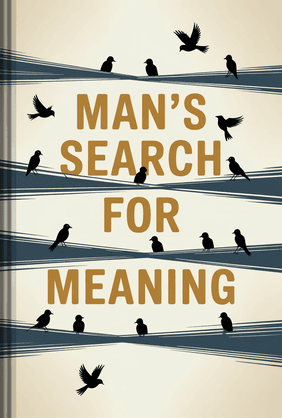
Man's Search for Meaning
Viktor E. Frankl
 44 Duration
 8 Key Points
 4.6 Rate
The Second Mountain: The Joyful Surrender
If the first mountain is about building the ego, the second mountain is about shedding it. It is about interdependence. You stop asking, "What does the world owe me?" and start asking, "What is life asking of me right now?"
Here, you focus on "eulogy virtues"—the traits people talk about at your funeral. Are you kind? Are you fiercely loyal? Do you show up for others? The second mountain replaces the pursuit of temporary happiness with the pursuit of enduring joy.
Brooks first introduced the powerful distinction between "resume virtues" and "eulogy virtues" in an earlier work. For a deeper look at how he builds this foundational concept of character, his preceding book is essential reading.
If this framework resonates with you, there is no substitute for reading Brooks’ full exploration of this journey. The complete book dives much deeper into the historical and cultural forces that push us up that first peak, and it offers incredibly moving real-life stories of people who have successfully navigated their way to the second. It’s a profound read for anyone feeling stuck in the pursuit of conventional success.

The Second Mountain
David Brooks
16 Duration7 Key Points4.5 RateThe Second Mountain Book Summary: The Four Commitments
Climbing the second mountain does not happen by accident. You do not just wake up and decide to be a better person. A detailed the second mountain book summary reveals that the climb requires intentional chains. Brooks argues that a meaningful life is built on four distinct commitments.

1. Vocation (Not Just a Career)
A career is something you choose to make a living. A vocation is a calling that chooses you. On the first mountain, you want a job that pays well and offers prestige. On the second mountain, you look for work that serves a higher cause.
Finding your vocation often starts with a problem that bothers you so deeply you cannot ignore it. It might be local illiteracy, environmental decay, or a broken process in your own industry. You stop asking how to maximize your salary and start figuring out how to maximize your utility to others.
Transitioning from a resume-driven career to a true vocation can be daunting, especially when the corporate world constantly pushes you to chase the next promotion. If you want a practical framework to help you align your daily work with your deepest values, Clayton Christensen’s brilliant guide is an incredible resource. It offers powerful strategies to ensure you are dedicating your time and energy to the things that will truly matter in the long run.

How Will You Measure Your Life?
Clayton M. Christensen, James Allworth, Karen Dillon
16 Duration7 Key Points4.6 RateAnd if your reading list of life-changing books is starting to feel like a third mountain to climb, there’s a more manageable way to start absorbing these transformative ideas.

LeapAhead distills the key lessons from books on purpose and career alignment into 15-minute audio or text summaries, perfect for your commute.

Download LeapAhead App now
2. Marriage and Partnership
Brooks views marriage not as a contract between two independent individuals, but as a crucible that forges a single new entity. The first mountain approaches relationships with a consumer mindset: "Are my needs being met?"
The second mountain requires radical selflessness. It is about surrendering your independence for the sake of the union. You learn to put the relationship above your personal preferences, realizing that true intimacy only happens when you stop keeping score.
3. Philosophy and Faith
You need an intellectual or spiritual anchor. When the storms hit, the shallow consumer culture will not hold you steady. You need a philosophy of life, a moral tradition, or a religious faith.
This commitment forces you to answer the hard questions. What is absolute truth? What is the right way to treat a stranger? Having a defined moral framework prevents you from drifting aimlessly when popular opinion shifts.
4. Community
This is arguably the most critical shift for the modern American. We have traded tight-knit neighborhoods for sprawling suburbs and digital echo chambers. The second mountain demands local commitment.
It means knowing your neighbors. It means coaching the local little league, organizing block parties, or serving on a town committee. Brooks highlights "weavers"—people who actively repair the social fabric of their communities. They do not just write checks to charities; they invest their time and emotional energy into the people living three blocks away.
This commitment to community is built on the skill of truly seeing and understanding the people around you. Brooks dedicates an entire book to this art, offering a practical guide to forming deeper human connections.
The Second Mountain Key Takeaways for Finding Purpose
If you are currently navigating a life transition, the second mountain key takeaways offer a practical roadmap for finding purpose in life.
- Shift from Happiness to Joy: Happiness is a temporary expansion of the self (winning a game, eating a great meal, getting a raise). Joy is the elevation of the self. Joy involves transcending your ego. It often comes through hardship, sacrifice, and deep connection with others. Stop chasing happiness; it is a fleeting metric. Cultivate joy.
- Embrace Restricting Your Freedom: Our culture idolizes absolute freedom. We want endless options on Netflix, dating apps, and career paths. But Brooks points out that ultimate freedom is paralyzing. Meaning is found by chaining yourself to things you care about. Commitments limit your choices, but they give you depth and purpose.
- Become a Weaver: Look at your local environment. Are you a consumer of your community, or a creator of it? Start small. Host a dinner. Organize a local cleanup. Shift your focus from national outrage to local impact.
Understanding the difference between fleeting happiness and enduring joy is one of the most transformative shifts you can make on this journey. If you want to dive deeper into cultivating this profound sense of joy regardless of your external circumstances, you will love the insights shared between the Dalai Lama and Desmond Tutu. Their conversation beautifully captures what it means to live a deeply connected, purpose-driven life.

The Book of Joy
Dalai Lama XIV, Desmond Tutu
38 Duration8 Key Points4.6 RateConsistently engaging with big ideas like these is the key to building a more joyful life, but it can be difficult when you're short on time.
Use LeapAhead to fit powerful insights from bestselling authors into your daily routine, helping you build a learning habit that sticks.
Download LeapAhead App now

If David Brooks's approach to finding meaning resonates with you, exploring his other major works can provide a more complete picture of his philosophy and guide you on your journey.
Common Pitfalls on the Climb
Do not mistake a new hobby for the second mountain. Here are the common traps people fall into when trying to transition.
The Fake Second Mountain
Many successful professionals attempt to climb the second mountain without actually letting go of the first. They join the board of a non-profit, but do it to pad their resume or network with other elites. If your community service is just another way to boost your ego, you are still on the first mountain. True second-mountain work requires humility and often happens without public recognition.
Many successful professionals attempt to climb the second mountain without actually letting go of the first. They join the board of a non-profit, but do it to pad their resume or network with other elites. If your community service is just another way to boost your ego, you are still on the first mountain. True second-mountain work requires humility and often happens without public recognition.
Skipping the Valley
You cannot microwave character development. When the crisis hits, the instinct is to medicate it, ignore it, or hustle your way out of it. Let the valley do its work. The pain of the valley is what strips away your arrogance and prepares you for the deep commitments of the second mountain. If you refuse to feel the emptiness, you will never realize your need for deeper connection.
You cannot microwave character development. When the crisis hits, the instinct is to medicate it, ignore it, or hustle your way out of it. Let the valley do its work. The pain of the valley is what strips away your arrogance and prepares you for the deep commitments of the second mountain. If you refuse to feel the emptiness, you will never realize your need for deeper connection.
Waiting for the "Perfect" Calling
You do not need a burning bush moment to start. Vocation and community commitment often start in mundane ways. You notice a kid in your neighborhood who needs a mentor. You see a flaw in your company's ethics and decide to speak up. Action precedes clarity. Start committing to the small things in front of you, and the mountain path will reveal itself.
You do not need a burning bush moment to start. Vocation and community commitment often start in mundane ways. You notice a kid in your neighborhood who needs a mentor. You see a flaw in your company's ethics and decide to speak up. Action precedes clarity. Start committing to the small things in front of you, and the mountain path will reveal itself.
FAQ
Do I have to quit my corporate job to climb the second mountain?
No. The second mountain is a shift in mindset, not necessarily a shift in employment. You can climb the second mountain inside a Fortune 500 company by changing how you treat your colleagues, mentoring younger staff, and shifting your focus from extracting personal glory to elevating the entire team. It is about the "why" and "how" of your work, not just the "what."
No. The second mountain is a shift in mindset, not necessarily a shift in employment. You can climb the second mountain inside a Fortune 500 company by changing how you treat your colleagues, mentoring younger staff, and shifting your focus from extracting personal glory to elevating the entire team. It is about the "why" and "how" of your work, not just the "what."
What is the exact difference between happiness and joy in this context?
Brooks defines happiness as a temporary state that happens when reality meets your expectations—it is individual and fleeting. Joy, however, is a state of being that occurs when you are deeply connected to others, living out a moral commitment, or serving a higher cause. Happiness is a good day at the beach; joy is holding your newborn child, even when you are exhausted.
Brooks defines happiness as a temporary state that happens when reality meets your expectations—it is individual and fleeting. Joy, however, is a state of being that occurs when you are deeply connected to others, living out a moral commitment, or serving a higher cause. Happiness is a good day at the beach; joy is holding your newborn child, even when you are exhausted.
Is this book only relevant for older people or those in mid-life crises?
While the metaphor resonates deeply with mid-career professionals who have already climbed the first mountain, the framework is crucial for young adults. Understanding the limitations of the first mountain early can prevent decades of misplaced effort. It helps younger readers balance their career ambitions with deep relational commitments from the very beginning.
While the metaphor resonates deeply with mid-career professionals who have already climbed the first mountain, the framework is crucial for young adults. Understanding the limitations of the first mountain early can prevent decades of misplaced effort. It helps younger readers balance their career ambitions with deep relational commitments from the very beginning.
Do I need to be religious to apply the lessons of the second mountain?
Not at all. While Brooks discusses his own faith journey, the four commitments (vocation, marriage/partnership, philosophy, and community) apply universally. The commitment to "philosophy and faith" simply means establishing a firm moral foundation and a set of beliefs that guide your actions, whether those are rooted in a specific religion, secular humanism, or a personal ethical code.
Not at all. While Brooks discusses his own faith journey, the four commitments (vocation, marriage/partnership, philosophy, and community) apply universally. The commitment to "philosophy and faith" simply means establishing a firm moral foundation and a set of beliefs that guide your actions, whether those are rooted in a specific religion, secular humanism, or a personal ethical code.