
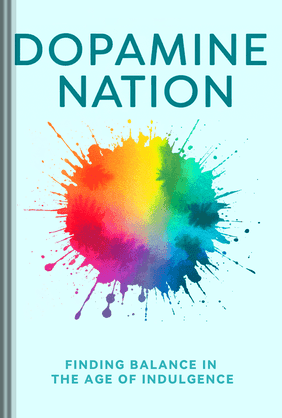
Dopamine Nation
Anna Lembke, M.D.
 20 min
 8 Key Points
 4.6 Rate
What's inside?
Explore the science behind addiction and discover practical strategies to overcome the overindulgence in pleasures, leading to a balanced and healthier life.
You'll learn
 1. What's the deal with dopamine and addiction?2. Are we overdoing it with all the good stuff around us?3. How can we keep it cool in a world of too much?4. Why do we need a bit of pain to feel happy?5. Got any tips to beat addictive habits?6. Is tech and social media messing with our dopamine levels?
Key points
01Overdoing it hurts us and the planet
In our modern world, we're constantly bombarded with things that make us feel good. From the buzz of a new text message to the satisfaction of a well-cooked meal, these little pleasures are all thanks to a chemical in our brain called dopamine. Dopamine is like a little messenger that tells us when something is enjoyable, and it motivates us to do it again. But what happens when we have too much of a good thing? Today, we're living in a world that's chock-full of what we can call 'dopamine triggers'. These are things that give us a quick hit of pleasure. They can be as simple as a sugary snack or as complex as a video game. Even our smartphones, with their constant notifications and endless social media feeds, are like little dopamine factories in our pockets. The trouble starts when we can't stop seeking out these dopamine hits. We start to overindulge, and this can lead to all sorts of problems. Eating too much junk food can make us overweight and cause health problems. Using drugs can lead to addiction and ruin our lives. Spending too much time on our phones can mess with our sleep and make us anxious and depressed. And it's not just our health that's at stake. Our planet is paying the price too. Making all these dopamine triggers uses up a lot of energy and water, and it can pollute our environment. This overconsumption of resources is speeding up climate change, which is a big threat to our future. So, what can we do about it? Well, it's not as simple as just taking away these dopamine triggers. That could lead to other problems, like the creation of black markets. Instead, we need to tackle the root causes of why we get addicted in the first place. This could mean addressing issues like poverty and lack of education. In the end, we need to find a balance. We need to be aware of the hidden costs of our constant search for pleasure. We need to be mindful of how our actions affect not just us, but the world around us. So, the next time you reach for that dopamine hit, take a moment to think about what it's really costing you.
02The "fun" in addiction is a lie that stops us from getting better
Let's talk about pleasure and how it can sometimes trip us up, especially when we're trying to recover from addiction. This idea is all about how chasing after joy and satisfaction can sometimes lead us down a path we didn't intend to take. Imagine your brain as a party host. When you do something fun or satisfying, your brain throws a little party and releases a guest called dopamine. Dopamine is like the life of the party, making you feel all warm and fuzzy inside. But if you keep throwing parties, your brain gets used to the excitement and dopamine doesn't seem as fun anymore. This is what we call tolerance. When tolerance kicks in, you need more and more of whatever it is that gives you pleasure to keep the party going. This can lead to a vicious cycle where you're constantly chasing after more, which can lead to addiction. And addiction isn't about being weak or bad, it's a disease that messes with your brain's chemistry. This messed-up chemistry can make it hard for you to feel happy. Studies have shown that long-term substance use can block your access to positive emotions, making you more likely to feel pain and discomfort. This means that if you're struggling with addiction, you might find it hard to enjoy other parts of your life, which can make the cycle of addiction even worse. To give you an example, there was a study done during World War II where injured soldiers reported feeling less pain because they were just happy to be alive. This shows how our brains are wired to balance pleasure and pain. But in today's world, where we have so much at our fingertips, this balance can get thrown off, leading us to chase after pleasure without thinking about the consequences. This constant chase can make us feel disconnected from ourselves and the world around us. It can also make life seem meaningless, as we're only focused on finding relief from discomfort or pain. Interestingly, our brains can also be tricked into feeling more or less pain based on what we expect. In one study, people reported feeling a lot of pain when they were told they would, even if the thing causing the pain wasn't actually that painful. This shows how powerful our minds can be. So, in a nutshell, the pursuit of pleasure can sometimes be a stumbling block when we're trying to recover from addiction. By understanding how pleasure, pain, and addiction are all connected, we can better navigate our way to recovery and find a healthy balance in our lives.
Continue reading with LeapAhead app
Full summary is waiting for you in the app
03You can learn to control yourself
04Your feelings aren't the bad guys
05A little pain can make the good times better
06Feeling bad about messing up can help you quit
07Beating addiction means being real with yourself and others
08Conclusion
About Anna Lembke, M.D.
Anna Lembke, M.D., is a professor of psychiatry at Stanford University School of Medicine. She is a recognized expert in addiction medicine, serving as the medical director of Stanford Addiction Medicine. Lembke's work focuses on the intersection of culture, neuroscience, and clinical psychiatry.

