
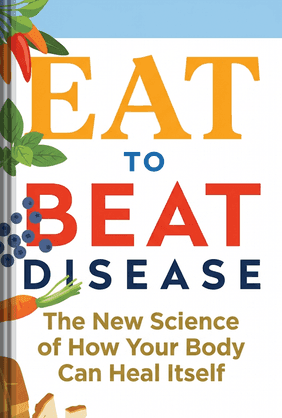
Eat to Beat Disease
William W. Li, M.D.
 47 min
 9 Key Points
 4.6 Rate
What's inside?
Discover the power of food in enhancing your body's natural healing abilities and learn how to make dietary choices that can help prevent and combat various diseases.
You'll learn
 1. How eating right helps your body heal itself2. Spotting foods that boost your body's defenses3. Eating to beat diseases4. The role of blood vessels in keeping you healthy5. Why a healthy gut matters6. Making a meal plan that suits your health needs.
Key points
01The Hidden Highway of Health and Disease
Our bodies are crisscrossed by a vast, invisible network that dictates our overall health in ways we rarely notice. This incredible infrastructure is the foundation of our very first biological defense system, known in the medical world as angiogenesis. To truly grasp the power of this system, we need to look at the sheer scale of the blood vessels inside you. If you were to take every single blood vessel in a typical human body and lay them all out end to end, they would stretch for an astonishing 60,000 miles. That is more than enough biological tubing to wrap around the Earth twice! This massive, bustling highway system is responsible for delivering life-sustaining oxygen and vital nutrients to every single one of our cells. When this system is functioning in perfect harmony, our bodies thrive. Blood vessels grow when we need them to, such as when we are healing from a physical wound, and they prune themselves back when their job is done. The concept of angiogenesis refers specifically to the body's natural process of growing and maintaining these new blood vessels. In a perfectly healthy individual, the body tightly regulates this process, acting much like a highly efficient city planner. The city planner ensures that new roads are built to growing neighborhoods and that unneeded, decaying roads are safely demolished. However, when this delicate balancing act fails, the consequences can be devastating. When the body cannot grow enough new blood vessels, tissues begin to suffocate and die. This lack of blood flow is a primary driver behind severe medical issues like heart disease, stroke, and chronic wounds that simply refuse to heal. Without a proper supply line, the affected areas of the body are essentially starved of the resources they need to survive and repair themselves. On the flip side, what happens when the body builds too many blood vessels? This scenario is equally dangerous and is deeply tied to some of our most feared diseases, including cancer, Alzheimer's disease, and even certain types of blindness. Let us take a closer look at how cancer interacts with our blood vessels. We all have microscopic clusters of abnormal cells forming in our bodies throughout our lives. For the most part, these tiny clusters are completely harmless. They sit there quietly, unable to grow larger than the tip of a ballpoint pen because they do not have a dedicated blood supply. They are effectively cut off from the nutrients they need to expand. But sometimes, these rogue cells figure out a way to hijack our biological highway system. They begin releasing special chemical signals into the surrounding tissue, acting very much like a powerful biological fertilizer. These signals drift over to nearby healthy blood vessels and trick them into sprouting new cellular branches. These new blood vessels grow rapidly toward the cluster of abnormal cells, eventually plugging directly into them like an intravenous line. Once this dark connection is made, the tumor suddenly has an unlimited supply of oxygen and nutrients. It can now grow exponentially, invade surrounding tissues, and eventually use those very same blood vessels as escape routes to spread, or metastasize, to other parts of the body. For decades, the medical community viewed cancer simply as a disease of rapid cell division, treating it primarily with harsh chemicals designed to kill anything that was growing quickly. But pioneering researchers, including Dr. Judah Folkman, introduced a revolutionary new perspective. What if, instead of just trying to kill the cancer cells directly, we simply cut off their food supply? This idea birthed the field of anti-angiogenic therapy. By stopping the abnormal growth of blood vessels, doctors could effectively starve tumors, shrinking them back down to a harmless, microscopic size. This medical breakthrough was a massive leap forward, but it also opened the door to an even more empowering question for the average person. If advanced pharmaceutical drugs can control this blood vessel highway system, can the foods we eat every day do the same thing? The resounding answer is yes. We are not merely passive passengers in our health journey; we actually hold the steering wheel. Every time we sit down to a meal, we are making a choice that either feeds disease or starves it. We have the extraordinary ability to use our diet to keep our blood vessels in a state of perfect balance. Understanding this invisible highway is the crucial first step in taking control of your health. You do not need a medical degree to appreciate the profound impact that daily nutrition has on your cellular infrastructure. The foods you chew, swallow, and digest are broken down into thousands of bioactive compounds that enter this very highway system, traveling to every corner of your body to deliver instructions. Some of these dietary compounds tell blood vessels to stop growing, effectively cutting off the fuel lines to microscopic cancers. Other compounds encourage healthy blood vessel growth, helping to repair damaged tissues and keep our hearts pumping strongly. By recognizing the power of angiogenesis, we fundamentally shift our relationship with food. We begin to see our meals not just as a source of calories for energy, but as a complex communication system with our deepest biology. This takes the fear out of eating and replaces it with a sense of immense opportunity. The choices we make in the grocery store aisles and our home kitchens are directly influencing this 60,000-mile network right this very second. As we move forward to explore the specific foods that modulate this system, keep in mind that you are essentially acting as the chief engineer of your own internal city, using your fork to lay down the blueprints for a long, vibrant, and disease-free life.
02Starving the Bad and Feeding the Good
Controlling the biological highway system inside you does not always require a prescription pad or a pharmacy visit. The food on your dinner plate has the remarkable ability to sculpt this vascular network every single day, giving you unparalleled control over your long-term health. The scientific community has identified dozens of delicious, everyday foods that naturally contain powerful bioactive compounds capable of keeping angiogenesis perfectly balanced. These foods can either act as a natural defense shield to starve microscopic cancers, or they can gently stimulate healthy blood flow when our organs need repair. Let us start by looking at one of the most misunderstood and controversial foods in the modern diet: soy. For years, a widespread myth has circulated claiming that eating soy increases the risk of breast cancer. This fear stems from the fact that soy contains plant-based compounds called phytoestrogens, which sound similar to the human hormone estrogen. Because some breast cancers are fueled by human estrogen, people naturally assumed that eating soy would act as a fertilizer for cancer cells. However, when we look deeply at the science, the exact opposite is true. Phytoestrogens in plants like soybeans act entirely differently in the human body than our own natural hormones. In fact, plant estrogens actually block the dangerous effects of human estrogen by occupying the same cellular receptors, acting much like a fake key that fits into a lock but refuses to turn. Extensive studies observing thousands of women, particularly in Asian countries where soy is a dietary staple, show that those who consume the most soy actually have a significantly lower risk of developing breast cancer. Furthermore, for women who have already been diagnosed with the disease, eating soy is associated with a higher rate of survival and a lower chance of the cancer returning. The secret lies in a potent compound found in soy called genistein, which is a master at anti-angiogenesis. It actively hunts down the rogue blood vessels trying to feed tumors and shuts them down. So, whether you enjoy edamame as an appetizer, use tofu in your stir-fries, or pour a splash of soy milk into your morning coffee, you are actively pouring a natural cancer-starving medicine into your body. Another absolute superstar in the realm of starving disease is the humble tomato. Tomatoes are rich in a vibrant red pigment called lycopene, which is one of the most powerful natural inhibitors of unwanted blood vessel growth ever discovered. Men who consume a high amount of cooked tomatoes have been shown to have a drastically reduced risk of developing prostate cancer. But here is the fascinating culinary twist: how you prepare your tomatoes completely changes their medical value. Lycopene is tightly bound within the cell walls of a raw tomato. When you eat a fresh tomato in a salad, you certainly get some vitamins, but you absorb very little of the cancer-fighting lycopene. However, when you heat the tomato by simmering it in a sauce or roasting it in the oven, the heat breaks down the cell walls and alters the chemical structure of the lycopene, making it highly accessible to your body. Furthermore, lycopene is a fat-soluble compound. This means it needs to hitch a ride on a molecule of fat to successfully pass through your digestive tract and enter your bloodstream. Therefore, slowly simmering tomatoes in rich, high-quality extra virgin olive oil is not just a beloved Italian culinary tradition; it is a profound act of cellular medicine. You are literally creating a highly bioavailable, anti-angiogenic elixir. Specific varieties, like the famous San Marzano tomatoes from Italy, naturally contain significantly higher levels of lycopene than standard grocery store varieties, making them an incredible choice for your pantry. Beverages play a massive role in this defense system as well, with green tea leading the charge. Green tea leaves are packed with a bioactive compound known as EGCG. This compound is a ferocious defender against abnormal blood vessel growth. Drinking just two to three cups of green tea a day bathes your cells in EGCG, helping to suppress the development of colon, breast, and prostate cancers. If you want to maximize this effect, consider trying matcha, a finely ground powder made from specially grown green tea leaves. Because you are consuming the entire leaf rather than just steeping it in water, matcha delivers an intensely concentrated dose of these protective compounds. But what about the times when our bodies desperately need to build new blood vessels? If you suffer a deep cut, undergo a surgical procedure, or experience a blockage in an artery, your body needs to rapidly construct new vascular roads to bring healing cells to the damaged area. In these scenarios, we need foods that stimulate angiogenesis. Fortunately, the grocery store provides for this as well. Take apples, for instance. The skin of an apple is rich in natural chemicals that help stimulate the growth of healthy blood vessels when the body is in a state of repair. Onions, particularly red onions, are packed with quercetin, a compound that supports healthy circulation and blood vessel maintenance. Even certain types of cheese play a surprising role in this regenerative process. Cheeses like Gouda, Edam, and Emmental contain a specific form of Vitamin K2 that has been shown to encourage the healthy growth of blood vessels while simultaneously preventing dangerous calcification in the arteries. Incorporating these foods into your daily routine is incredibly simple and highly enjoyable. You do not need to consume massive, medicinal quantities to see the benefits. It is all about consistent, delicious exposure. Imagine starting your day with a warm cup of green tea, enjoying a crisp apple as a mid-morning snack, having a vibrant salad with a sprinkle of Gouda cheese for lunch, and finishing the day with a comforting bowl of pasta topped with a rich, olive oil-infused tomato sauce. In just one day of entirely normal, deeply satisfying eating, you have actively managed your body’s 60,000-mile highway system, starving the bad cells and feeding the good ones. This is the true joy of eating to beat disease.
Continue reading with LeapAhead app
Full summary is waiting for you in the app
03Awaken Your Inner Cellular Healing Superpowers
04Meet Your Trillion Microscopic Best Friends
05Shielding Your Genetic Blueprint From Daily Harm
06Unleashing Your Personal Biological Fighting Army
07The Brilliant Framework for Your Daily Plate
08Conclusion
About William W. Li, M.D.
Dr. William W. Li is a world-renowned physician, scientist, speaker, and author of "Eat to Beat Disease." He is best known for his groundbreaking work in angiogenesis and his leadership in the field of precision medicine. He is the President and Medical Director of the Angiogenesis Foundation.
