
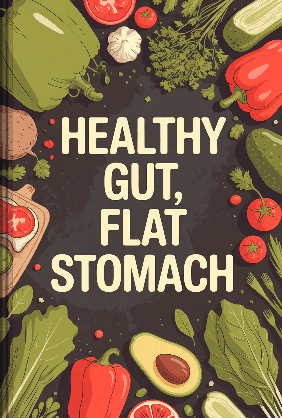
Healthy Gut, Flat Stomach
Danielle Capalino
 20 min
 7 Key Points
 4 Rate
What's inside?
Discover a simple and effective diet plan that promotes gut health, aids digestion, and helps achieve a flat stomach quickly and easily.
You'll learn
 1. Why a happy tummy means a happy you2. Getting the lowdown on Low-FODMAP diets3. Spotting and ditching tummy-troubling foods4. Tasty meals for a tip-top tummy5. Tips for keeping a trim tummy6. Handling and enhancing your digestion.
Key points
01Understanding the Gut: The Foundation of Health
The human gut, often referred to as the second brain, plays a pivotal role in our overall health. It is not just a digestive organ, but a complex system that influences everything from nutrient absorption to our immune response. Understanding the gut's function and its impact on our health is crucial for maintaining optimal well-being. The gut is responsible for breaking down food into nutrients, which are then absorbed into the bloodstream through the gut lining. This process is essential for our survival, as it provides the body with the necessary nutrients for energy, growth, and repair. However, the gut's role extends beyond digestion. It is also a key player in our immune system, helping to ward off diseases and maintain our health. The gut houses a complex ecosystem known as the microbiome, composed of trillions of bacteria, viruses, and fungi. This microbiome plays a crucial role in our health, influencing everything from digestion to mental health. A balanced gut microbiome is essential for optimal health, as an imbalance can lead to various health issues. An unhealthy gut can have far-reaching consequences. An imbalance in the gut microbiome can lead to a range of health problems, including irritable bowel syndrome (IBS), inflammatory bowel disease (IBD), obesity, and even mental health issues like depression and anxiety. These conditions highlight the importance of maintaining a healthy gut for overall well-being. The Low-FODMAP diet is a dietary approach designed to manage gut health. It involves avoiding certain types of carbohydrates that are difficult to digest and can cause gut symptoms. This diet provides a detailed plan, including lists of foods to eat and avoid, meal plans, and recipes. It has been shown to improve gut health and overall well-being in many individuals, demonstrating the power of diet in managing our health. The importance of gut health cannot be overstated. It is not just about digestion, but about our overall well-being. By understanding the gut's role in our health and taking steps to maintain a healthy gut, we can improve our overall well-being and ward off various health issues. The Low-FODMAP diet provides a practical and effective approach to managing gut health, offering hope for those struggling with gut-related health issues. In conclusion, the gut is the foundation of our health. By understanding its role and taking steps to maintain a healthy gut, we can improve our overall well-being and prevent various health issues. The Low-FODMAP diet offers a practical and effective approach to managing gut health, demonstrating the power of diet in influencing our health.
02The Low-FODMAP Diet: A Revolutionary Approach
The Low-FODMAP diet, a revolutionary approach to managing digestive disorders, has been gaining significant attention in recent years. This diet, which focuses on reducing the intake of certain carbohydrates known as FODMAPs, has been scientifically proven to alleviate symptoms in individuals suffering from conditions such as irritable bowel syndrome (IBS). FODMAPs, short for Fermentable Oligosaccharides, Disaccharides, Monosaccharides, and Polyols, are a group of carbohydrates that can cause digestive discomfort in some people. These compounds are found in a wide range of foods, from fruits and vegetables to dairy and grains. For those sensitive to these substances, consuming FODMAP-rich foods can lead to symptoms such as bloating, gas, stomach pain, and other digestive issues. The scientific research supporting the effectiveness of the Low-FODMAP diet is compelling. Studies conducted by Monash University in Australia have shown that individuals following this diet can experience significant improvements in their symptoms. One such case involved a patient who had been suffering from chronic bloating and gas. After adhering to the Low-FODMAP diet for several weeks, the patient reported a substantial reduction in their symptoms, demonstrating the potential of this diet to transform lives. The personal experiences of those who have benefited from the Low-FODMAP diet further underscore its effectiveness. One such individual suffered from stomach pain and bloating for years before discovering this diet. After adopting the Low-FODMAP approach, they experienced a significant reduction in their symptoms, which not only improved their quality of life but also inspired them to become a registered dietitian and help others with similar issues. Implementing the Low-FODMAP diet, however, is not without its challenges. It requires careful meal planning, a good understanding of which foods are high in FODMAPs, and the ability to navigate dining out while adhering to the diet. Despite these challenges, practical advice and resources, such as specific meal plans, recipes, and tips for eating out, can make the transition smoother and more manageable. The Low-FODMAP diet emphasizes the importance of individualized nutrition. It recognizes that each person's body responds differently to different foods, and therefore, encourages individuals to work with a dietitian to tailor the diet to their specific needs and preferences. This personalized approach not only enhances the effectiveness of the diet but also makes it more sustainable in the long run. In conclusion, the Low-FODMAP diet represents a revolutionary approach to managing digestive disorders. Backed by scientific research and personal success stories, it offers a promising solution for those struggling with digestive issues. However, its successful implementation requires careful planning, a good understanding of FODMAP-rich foods, and a commitment to individualized nutrition.
Continue reading with LeapAhead app
Full summary is waiting for you in the app
03Getting Started: Preparing for the Low-FODMAP Diet
04The Implementation Stage: Putting the Low-FODMAP Diet into Practice
05Monitoring Progress: Tracking Your Journey to a Healthy Gut
06Maintaining Success: Long-Term Strategies for a Healthy Gut
07Conclusion
About Danielle Capalino
Danielle Capalino is a registered dietitian with a master's degree in Public Health Nutrition from Johns Hopkins. She specializes in digestive health and is a recognized expert in the Low-FODMAP diet, providing personalized nutritional advice for managing symptoms of irritable bowel syndrome and other digestive disorders.