
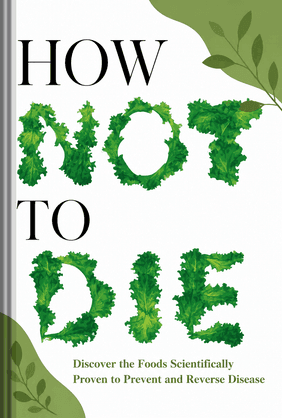
How Not to Die
Michael Greger, Gene Stone
 18 min
 8 Key Points
 4.5 Rate
What's inside?
Explore the power of nutrition in preventing and reversing diseases, as backed by scientific research, to lead a healthier, longer life.
You'll learn
 1. What's killing us and how food can save us?2. Why going green with your diet rocks!3. Easy peasy lifestyle tweaks for better health.4. The lowdown on food science and dodging diseases.5. Cooking up a storm with foods that fight diseases.6. Sweat it out and chill: Your secret weapons against diseases.
Key points
01Make healthier choices to feel better and avoid sickness
Did you know that what you eat can have a huge impact on your health? That's the main idea behind the book by Michael Greger and Gene Stone. They believe that diseases, especially heart diseases, are the real culprits behind death, not old age. And guess what? Our diets have a big role to play in this. Think about it. Doctors don't spend much time talking about nutrition in medical school. They're more likely to chat about pills and prescriptions than what you should be eating. This shows that there's a big focus on treating symptoms, not the root cause of many diseases - our eating habits. And what about genetics? Many people think that's the main reason we get sick. But the authors disagree. They point out that when people move from one country to another, their risk of getting certain diseases changes. And it's all because of their new diet. This shows that what we eat, our dietary environment, is a big factor in our health. Even though people in the United States are living longer, many are living with chronic conditions like cancer, diabetes, or stroke. And these conditions are often linked to bad eating habits. For example, the typical American diet, full of animal products and processed veggies, only scores 11 out of 100 on the dietary quality index. So, what's the solution? The authors suggest a plant-based diet. They talk about diseases that affect important organs like the heart, brain, and lungs, and offer plant-based alternatives to traditional medicines. They also remind us of the importance of herbs, spices, and water for good health. To really drive home the power of healthy choices, the authors talk about something called a telomere. This is a tiny cap at the end of a chromosome that's responsible for cellular aging. We each have 46 chromosomes, and each one has a telomere. The health of our telomeres is directly affected by our lifestyle choices, including what we eat. In a nutshell, the book is all about the power of healthy choices, especially when it comes to food, in preventing and reversing diseases. It's a call to action for readers to take control of their health by making smart food choices. This way, we can rely less on pills and more on good food for better health.
02Heart and lung diseases are common in the US, but you can avoid them with a healthy lifestyle
Let's talk about the two big killers in the United States - heart and lung diseases. They're scary, right? But understanding them can help us fight back. First up, heart disease. Ever heard of atherosclerosis? It's a fancy word for when plaque, a sticky substance, builds up in your arteries. This makes it tough for blood to flow, which can lead to a heart attack or stroke. Shockingly, signs of this can be seen in kids as young as 10. This shows that unhealthy habits are starting way too early. The main bad guy in this story is LDL cholesterol, also known as 'bad cholesterol'. This stuff helps plaque form in your arteries. To keep LDL cholesterol in check, you should steer clear of foods high in trans fats, saturated fats, and dietary cholesterol. Think about it - just one fast-food meal can cause inflammation in your arteries and mess with their function. Next, let's talk about lung diseases. These take the lives of nearly 300,000 Americans each year. The big three are lung cancer, chronic obstructive pulmonary disease (COPD), and asthma. Lung cancer is a real tough one. If you're a smoker, your risk of getting lung cancer is way higher - 23 times higher for men and 13 times higher for women. Even if you don't smoke but are around secondhand smoke, you're still at risk. But here's some good news - if you quit smoking, you can cut your risk in half within a year. Your diet can also play a role in preventing lung cancer. Eating cruciferous veggies like broccoli, cabbage, and cauliflower can help lower your risk. These veggies can actually stop cancer growth. Kale is a superstar here - it can lower bad cholesterol levels and boost good cholesterol levels. Here's a surprising fact - 25% of lung cancer cases happen in non-smokers. These folks are often around secondhand smoke or fumes from frying food. Some oils release harmful chemicals when heated, which can cause genetic changes and possibly lead to cancer. For instance, stir-frying meat is three times more dangerous than frying non-meat food, and the fumes from frying bacon cause four times more DNA changes than those from frying beef. So, what's the takeaway? A healthy diet and lifestyle are key in preventing heart and lung diseases. There's a lot of science backing up the benefits of certain foods and the dangers of others. By making smart choices, you can reduce your risk of these common diseases.
Continue reading with LeapAhead app
Full summary is waiting for you in the app
03Going meatless? Good news! You're less likely to get brain diseases and infections
04Cut the salt and sugar to dodge high blood pressure and diabetes
05Eating more plants can help you avoid breast and prostate cancers
06Spice up your meals! Herbs and spices are tasty and good for you
07Drink more water to flush out toxins and keep your body running smoothly
08Conclusion
About Michael Greger, Gene Stone
Michael Greger is a physician, author, and professional speaker on public health issues, particularly the benefits of a whole food, plant-based diet. Gene Stone is a former Peace Corps volunteer, journalist, and book, magazine, and newspaper editor, and is the author or co-author of more than 45 books on a wide variety of subjects.
