
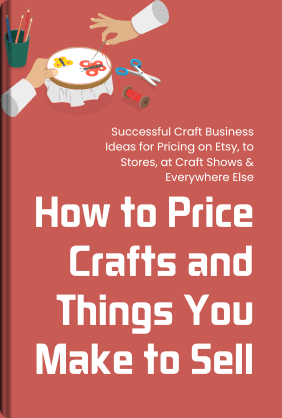
How to Price Crafts and Things You Make to Sell
James Dillehay
 30 min
 9 Key Points
 4.6 Rate
What's inside?
Discover the secrets of pricing your handmade crafts for maximum profit. Learn how to effectively price your items on various platforms like Etsy, in stores, at craft shows and more to ensure your craft business thrives.
You'll learn
 1. How to price your crafts for big bucks2. Figuring out what your crafts are worth3. Selling like a pro on Etsy4. Haggling tips for craft shows and stores5. Keeping up with craft market trends for better pricing6. Balancing costs, time, and price for a booming craft business.
Key points
01Understanding the Craft Market: Opportunities and Challenges
The craft market is a vibrant, ever-evolving landscape, teeming with creativity and entrepreneurial spirit. It's a place where handmade items, from intricate jewelry to bespoke furniture, find their way into the hands of appreciative buyers. But it's not just about the artistry. It's also about the business. And in the world of business, understanding your market is key. The craft market is vast and growing. In the U.S. alone, it's estimated to be worth over $30 billion. That's a lot of potential customers. But it's not just about the numbers. It's about the trends. The rise of online marketplaces like Etsy, the popularity of craft shows, and the resurgence of local artisan shops are all shaping the way craft businesses operate. These trends can be a boon for craft business owners, but they also bring their own set of challenges. Craft businesses come in all shapes and sizes. Some operate solely online, selling their wares on platforms like Etsy. Others set up shop at local craft shows, where they can interact directly with customers. And then there are those who run physical stores, offering a curated selection of handmade goods. Each type of business has its own unique considerations when it comes to pricing, marketing, and overall strategy. For instance, an Etsy seller might focus on SEO and online marketing, while a craft show vendor might prioritize eye-catching booth design and in-person sales techniques. The growth of the craft market presents a wealth of opportunities. More and more people are seeking out unique, handmade items, which means more potential customers for craft businesses. But to tap into this growing market, craft business owners need to position their businesses strategically. This might mean honing in on a specific niche, offering a unique product, or leveraging online marketing tools to reach a wider audience. But with opportunity comes challenge. The craft market is also becoming more competitive. More businesses mean more choices for consumers, which can make it harder for individual craft businesses to stand out. To navigate this challenge, craft business owners need to understand their competition and find ways to differentiate their products. This could involve anything from offering a unique design, using high-quality materials, or providing exceptional customer service. Before diving into the craft market, it's crucial to understand the market dynamics. This includes understanding the level of competition, the current trends, and the potential opportunities. This knowledge can inform key business decisions, such as how to price products, how to differentiate from competitors, and how to market effectively. In conclusion, the craft market is a land of opportunity, but it's not without its challenges. By understanding the market, craft business owners can strategically position their businesses for success. Whether it's through careful pricing, innovative marketing, or simply offering a product that's truly one-of-a-kind, the key is to find a way to shine in a market that's as diverse and dynamic as the crafts it sells.
02Understanding the Fundamentals of Pricing Crafts
You're a craftsperson, your hands are your tools, and your creativity is your guide. You've spent countless hours perfecting your craft, and now you're ready to sell your handmade treasures. But there's a hitch - how do you price your crafts? It's a common dilemma faced by many artisans. Pricing isn't just about covering your costs; it's about valuing your time, your skill, and your artistry. Let's start with the building blocks of pricing. First up is the cost of materials. This is the price you pay for all the raw materials that go into making your craft. It's crucial to keep track of these costs accurately. Don't just guess or estimate. Keep receipts, make notes, and calculate the exact cost of materials for each item you make. Next, we have labor costs. This is where you value your time. Decide on an hourly wage for yourself, and then calculate how many hours you spend making each item. Don't forget to include the time you spend on related tasks, like sourcing materials or packaging your crafts. Then there's overhead costs. These are the indirect costs of running your craft business. Think about things like utilities, rent for your workspace, marketing costs, and any tools or equipment you need. These costs should be spread out over the number of items you make. Now, let's talk about profit margin. This is the difference between the selling price of your craft and the total cost of making it. It's important to set a profit margin that allows you to make a profit while still offering a price that your customers are willing to pay. Understanding your target audience is key to setting a price that they're willing to pay. Research your market. Who are your customers? What are their preferences? What are their buying habits? Use this information to set a price that appeals to them while still ensuring your profitability. Crafting a pricing strategy is not a one-time task. It's a dynamic process that needs to be reviewed and adjusted regularly. Your costs may change, the market may change, and your customers' preferences may change. Your pricing strategy needs to be flexible enough to adapt to these changes. In conclusion, understanding the fundamentals of pricing crafts is crucial for running a successful craft business. It's not just about covering your costs; it's about valuing your time, your skill, and your artistry. So, take the time to understand these principles and apply them to your craft business. Your success depends on it.
Continue reading with LeapAhead app
Full summary is waiting for you in the app
03"Pricing Strategies for Selling Crafts on Etsy"
04Strategies for Pricing Crafts at Shows
05How to price your crafts for retail success?
06Advanced Strategies for Profitable Pricing
07Tips for Cost Management and Increasing Profitability
08Success Stories of Craft Businesses: Pricing Strategies in Action
09Conclusion
About James Dillehay
James Dillehay is a renowned author and entrepreneur with over 30 years of experience in the craft industry. He is known for his insightful advice on pricing crafts, marketing strategies, and business development, helping artisans turn their passion into profitable ventures.
