
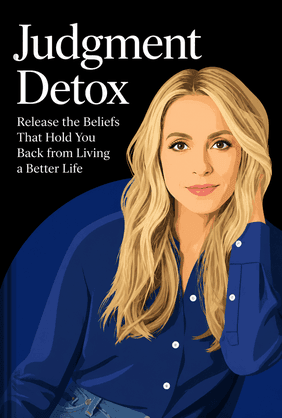
Judgment Detox
Gabrielle Bernstein
 22 min
 8 Key Points
 4.8 Rate
What's inside?
Explore a step-by-step process to free yourself from self-judgment and negative beliefs, leading to a more fulfilling and peaceful life.
You'll learn
 1. How to stop being so judgmental2. Learning to be kinder and more understanding3. Letting go of old grudges4. Boosting self-love and awareness5. Tips for personal and spiritual growth6. Finding peace and happiness in life.
Key points
01Judging others is a bad habit we pick up when we lose touch with our loving nature
The idea that judging others and ourselves can be as addictive as any substance is a powerful one. It suggests that our habit of judging isn't just a bad habit, but a compulsive behavior we use to deal with feeling disconnected from our true selves, which is all about love. Let's break this down a bit. We all judge, whether we like to admit it or not. We judge people based on what they do, what they say, how they look, and even what we think they're thinking. We judge our friends for the decisions they make, our coworkers for how hard they work, and even strangers for how they behave. We're even hard on ourselves, judging ourselves for our own mistakes and failures. And it's not just about negative judgments; we also judge in a positive way, giving praise and admiration to others and ourselves. But here's the thing: this habit of judging, whether it's positive or negative, creates a sense of distance. When we judge, we put ourselves either above or below the person we're judging, creating a gap between us. This gap is a step away from our true selves, which is all about love. Love, in its purest form, is accepting and inclusive, not divisive and judgmental. This step away from our true selves isn't something we consciously choose. It's often a result of things that have happened to us in our lives. For example, a traumatic event in our childhood might have made us feel unsafe and unloved, leading us to develop a defense mechanism of judging others to protect ourselves. This judgment gives us a temporary feeling of safety and superiority, but it also isolates us and feeds our fear and insecurity. These feelings of fear and insecurity then drive us to judge even more, creating a vicious cycle. The more we judge, the further we move away from our true selves, which is all about love, and the more we feel fear and insecurity. This is why judging is seen as an addictive behavior. Like any addiction, it provides a temporary relief from our pain and fear, but it also keeps them going. According to Bernstein, the way to break this cycle of judgment is to reconnect with our true selves, which is all about love. This means recognizing when we're being judgmental, understanding why we do it, and consciously choosing love over judgment. By doing this, we can heal from the pain and fear caused by our judgment and live a more authentic and fulfilling life. In the following chapters, Bernstein provides a step-by-step guide to achieving this detox from judgment. Through a series of exercises and practices, she helps us face our judgment, understand where it comes from, and replace it with love and acceptance. This process isn't easy, but it's essential for our emotional and spiritual health. By detoxing from judgment, we can reconnect with our true selves, which is all about love, and live a more peaceful and joyful life.
02Recognize your fears and judgments to take away their power and free yourself
The idea we're exploring here is that by facing our fears and judgments head-on, we can strip them of their power and set ourselves free. This is based on the belief that fear and judgment aren't built-in parts of who we are, but rather habits we've picked up that we can shake off. Let's break this down. The first step in this process is to become a neutral observer of your own judgment. This means noticing when you stray from kindness and understanding, and honestly acknowledging the less-than-pretty parts of your thoughts. Picture your fear as a creepy figure hiding in the corner of a room. When you switch on the light, you see it's just a coat rack. The fear was only scary when it was hidden in the dark, but once you shine a light on it, it's not so scary anymore. In the same way, when you shine the light of your awareness on your fear and judgment, they lose their grip on you. You start to see them as habits, not as parts of who you are. The next step is to really dig into your judgment. You'll need a notebook and a pen for this. At the top of a page, write: “I am willing to witness my judgment without judgment.” This sets the tone for the exercise and reminds you to keep an open mind. Next, split the page into four columns. In each column, write the following questions: 1. Who am I judging? 2. How does judging this person make me feel? 3. Why do I think it's okay to judge? 4. What's happening in my life that makes me feel this judgment is okay? Start with the first column. Write down any judgments that pop into your head, no matter how small or silly they might seem. For example, you might write, “I judge my coworker for always being late.” Try to come up with at least 15 judgments. Once you've listed your judgments, move on to the second column. Here, you'll explore how these judgments make you feel. Do they make you feel angry, superior, or maybe even guilty? Be honest and detailed in your descriptions. In the third column, write down why you feel it's okay to have these judgments. This isn't about feeling bad or guilty, but about understanding how you think. Finally, in the fourth column, try to pinpoint any triggers or past experiences that might be causing these judgments. This could be anything from a past trauma to a simple misunderstanding. Make this exercise part of your daily routine. Each morning, check in with yourself and see if there are any new judgments you want to dig into. By doing this exercise regularly, you'll become more aware of your judgments and fears, and in doing so, you'll take away their power and set yourself free.
Continue reading with LeapAhead app
Full summary is waiting for you in the app
03To heal, you gotta first admit and respect your emotional wounds
04Learn how to use Emotional Freedom Techniques to kick out judgment
05Swap judgmental thoughts with love vibes through prayer
06Just accept people as they are and show some compassion
07Stop judging by forgiving yourself and your thoughts
08Conclusion
About Gabrielle Bernstein
Gabrielle Bernstein is a renowned motivational speaker, life coach, and author. She has written multiple best-selling self-help books and is known for her teachings on spirituality, mental health, and personal growth. Bernstein is also a regular media contributor and the founder of HerFuture.com, a social networking site for women.

