
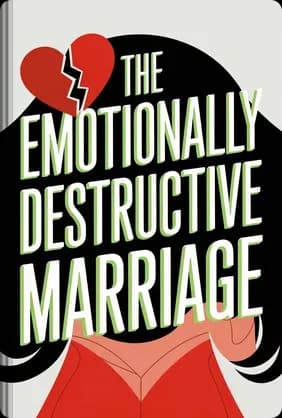
The Emotionally Destructive Marriage
Leslie Vernick
 25 min
 8 Key Points
 5 Rate
What's inside?
Explore ways to identify emotional abuse in marriage, learn how to regain your confidence, and discover hope for a healthier, happier relationship.
You'll learn
 1. Spotting emotional abuse in your marriage2. Tips for clear and bold communication3. How to set emotional health boundaries4. Finding help when times get tough5. Rebuilding your self-esteem and taking back your life6. Making smart choices about your relationship's future.
Key points
01Identifying Signs of Emotional Abuse in Marriage
In the quiet corners of many marriages, a sinister force lurks. It's not as overt as a raised hand or a shouted insult, but its effects can be just as devastating. This force is emotional abuse, a silent killer of joy, self-esteem, and hope. Emotional abuse is a pattern of behavior that one person uses to control or belittle another. It's a series of actions and words that, over time, can make the victim feel worthless, unloved, and trapped. The impact of emotional abuse is profound. It can lead to depression, anxiety, and even physical health problems. But the most insidious part of emotional abuse is that it often goes unrecognized, both by the victim and by those around them. Emotional abuse can take many forms. One of the most common is manipulation. In "The Emotionally Destructive Marriage," Leslie Vernick describes a scenario where a husband constantly criticizes his wife's cooking, making her feel inadequate and unappreciated. This is a form of manipulation, as the husband is using his words to control his wife's behavior and make her feel inferior. Control is another form of emotional abuse. This can be as overt as a spouse dictating what their partner can wear or who they can see, or as subtle as a spouse making all the decisions in the relationship without considering their partner's wants or needs. Belittling is a particularly damaging form of emotional abuse. When a spouse constantly puts down their partner, it can severely damage the victim's self-esteem. They may start to believe that they are worthless or incapable, which can make it even harder for them to leave the abusive situation. Emotional abuse can be incredibly subtle. It's often not as obvious as physical abuse, which makes it easy to overlook or dismiss. One of the most insidious forms of subtle emotional abuse is gaslighting, where the abuser manipulates their victim into questioning their own reality. This can make the victim feel crazy or unstable, further trapping them in the abusive situation. In "The Emotionally Destructive Marriage," Vernick shares several real-life examples of emotional abuse. These stories highlight the patterns of emotional abuse and can help readers identify similar patterns in their own relationships. But even in the face of emotional abuse, there is hope. Victims can find their voice and reclaim their hope. It's important to seek help, whether from a trusted friend, a counselor, or a support group. Establishing boundaries is also crucial. This can be as simple as saying "no" to a request that makes you uncomfortable, or as complex as leaving the relationship entirely. Healing from emotional abuse is a journey, but it's a journey worth taking. It's a path towards self-love, self-respect, and a healthier, happier future. So if you're in an emotionally abusive relationship, remember: you are not alone, you are not crazy, and you do not have to stay. There is help, there is hope, and there is a way out.
02The Impact of Emotionally Abusive Relationships
In the quiet corners of many homes, a silent epidemic is unfolding. It's not the kind of abuse that leaves visible scars, but it's just as damaging, if not more so. We're talking about emotional abuse, a form of mistreatment that's often overlooked, but can have devastating effects on its victims. This is a central theme in Leslie Vernick's book, "The Emotionally Destructive Marriage: How to Find Your Voice and Reclaim Your Hope." Emotional abuse is a slow poison that gradually erodes a person's self-esteem. It's like a constant drip of negativity that makes victims start doubting their worth and capabilities. For instance, a husband might constantly belittle his wife's achievements, making her feel like she's never good enough. Over time, this can lead to a deep-seated sense of worthlessness and self-doubt. The emotional toll of abuse is also significant. Victims often experience heightened levels of anxiety and depression. They live in a constant state of fear and uncertainty, never knowing when the next wave of criticism or humiliation will come. This constant state of stress can also manifest physically. It's not uncommon for victims of emotional abuse to suffer from headaches, stomach problems, and other stress-related health issues. The longer a person stays in an emotionally destructive marriage, the more severe the impact. Chronic mental health issues like severe depression and anxiety disorders can develop. The physical health problems caused by long-term stress can also become serious. For example, research has shown that chronic stress can lead to heart disease, among other conditions. But there's light at the end of the tunnel. Recognizing the abuse and understanding its impact is the first step towards healing and recovery. It's not an easy journey, and it's fraught with challenges. But with the right support and resources, victims can regain their self-esteem and overcome the emotional trauma they've endured. There are countless stories of people who have successfully broken free from emotionally abusive relationships and rebuilt their lives. They've found their voice, reclaimed their hope, and are now leading healthier, happier lives. It's a testament to the human spirit's resilience and a powerful reminder that it's never too late to seek help and start the journey to recovery. In conclusion, emotional abuse is a serious issue that can have devastating psychological, emotional, and physical effects. But with awareness, support, and determination, victims can reclaim their lives and find hope again. If you or someone you know is in an emotionally abusive relationship, remember: you're not alone, and help is available. Don't be afraid to reach out and take the first step towards a better future.
Continue reading with LeapAhead app
Full summary is waiting for you in the app
03How to Stand Up Against Emotional Abuse: A Practical Guide
04Healing from Emotional Abuse: A Guide to Rebuilding Your Life
05Why you need professional help in an emotionally destructive marriage?
06The Importance of a Support Network in Overcoming Emotional Abuse
07How to rebuild after leaving an emotionally destructive marriage?
08Conclusion
About Leslie Vernick
Leslie Vernick is a licensed counselor, coach, speaker, and author specializing in relationship issues. She has over 30 years of experience helping individuals and couples navigate their emotional and relational struggles. Vernick is known for her work on destructive relationships and her Christian-based approach to counseling.