
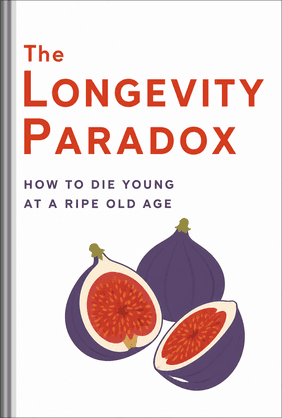
The Longevity Paradox
Steven R. Gundry, MD
 30 min
 10 Key Points
 4.6 Rate
What's inside?
Discover the secrets to aging gracefully and healthily, as this book guides you through the science of longevity and provides practical lifestyle changes for a longer, happier life.
You'll learn
 1. Top tips for aging like a fine wine2. Keeping fit and sharp as you get older3. Eating right for a long, healthy life4. Gut health: the secret to feeling great and living long5. Dodging diseases as you age6. Lifestyle tweaks for a longer life.
Key points
01Why Living Longer Isn’t Always Better
At first glance, longer life expectancy seems like a universal triumph. Advances in medicine, hygiene, and technology have added decades to our lifespans compared to just a century ago. But beneath the surface of this success story lies a troubling reality: we’re not necessarily living better, just longer. Today, the majority of people in developed countries will live into their 70s, 80s, or beyond. Yet these additional years often come with a price—an extended period of chronic disease, disability, and reduced quality of life. According to data from the CDC, six in ten adults in the U.S. now live with at least one chronic condition such as heart disease, diabetes, or cancer. Four in ten live with two or more. These aren’t just isolated ailments—they represent systemic breakdowns that begin quietly and compound over time. In the past, people tended to die from acute infections or injuries. If you survived those, you were typically healthy until the end. But in our modern world, death has become slower, more fragmented. Aging populations now spend their final decades managing disease rather than enjoying vitality. We’ve gained years but lost function. What’s causing this disconnect between lifespan and healthspan? Part of the answer lies in lifestyle and diet, but the broader issue is that we’ve come to accept chronic disease as an inevitable part of aging. This belief is not only outdated—it’s dangerous. It encourages a reactive approach, where symptoms are managed with medications rather than prevented through long-term strategies. The paradox is clear: we’ve succeeded in extending the number of years we live, but we haven’t solved how to make those years worth living. Medical advancements have delayed death, but not deterioration. A person may survive a heart attack thanks to cutting-edge intervention, only to spend the next twenty years navigating a slow decline. This shift in the nature of aging forces us to ask a different question—not just “How long can we live?” but “How well can we live for as long as possible?” The answers require more than treating symptoms. They demand a rethinking of the aging process itself: what causes it, what accelerates it, and what we can do to slow it down. Living longer is no longer enough. The real goal is to match our longevity with vitality—adding not just years to life, but life to years.
02The Hidden Threat: Microbes and Mitochondria
Inside your body lives a bustling ecosystem of trillions of microbes—more than the number of human cells you possess. This microscopic community, known as the gut microbiome, plays a far greater role in your health than most people realize. It influences not just digestion, but immunity, inflammation, and even the speed at which you age. Think of the microbiome like the soil in a garden. If it’s rich, balanced, and well-tended, the plants thrive. If it’s polluted or overrun with weeds, even the strongest plants struggle. As we age, the diversity and balance of our gut bacteria often decline. Beneficial microbes get crowded out by harmful ones—what Dr. Gundry calls “gang members.” These bad actors don’t just sit quietly in your gut; they damage the intestinal lining, leak toxins into the bloodstream, and trigger widespread inflammation. This chronic, low-grade inflammation—coined “inflammaging”—is now considered a major driver of age-related diseases. But the problem doesn’t stop at the gut. The inflammation sparked by microbial imbalance has ripple effects throughout the body, damaging organs, impairing immunity, and degrading cellular function. And no system feels this burden more than your mitochondria. Mitochondria are the power plants of your cells—tiny organelles that convert nutrients into usable energy. But they are highly sensitive to their environment. Inflammatory molecules, bacterial toxins, and oxidative stress can all impair mitochondrial function. When mitochondria falter, energy production declines, and the body begins to break down at the cellular level. Fatigue, brain fog, muscle loss, and even neurodegenerative diseases can all be traced back to this slow energy collapse. The link between gut microbes and mitochondria is more than coincidence. Mitochondria evolved from ancient bacteria, and they still respond to microbial signals in your body. A hostile gut environment doesn’t just harm digestion—it sends stress signals that reverberate all the way down to your cellular engines. In this way, aging isn’t just about time; it’s about the environment you create inside your own body. To slow aging and protect your vitality, you need to protect these two systems. A healthy microbiome reduces inflammation and supports mitochondrial health. When your gut is balanced, your cells run more efficiently. It’s not about fighting aging with more medicine—it’s about nurturing the microbial and cellular foundations that quietly determine how well you age.
Continue reading with LeapAhead app
Full summary is waiting for you in the app
03Leaky Gut, Leaky Life
04The Inflammation-Aging Loop
05Mitochondria and Energy Decline
06The Longevity Diet Blueprint
07Toxins, Medications, and Modern Hazards
08The Aging Brain and Cognitive Decline
09Movement, Sleep, and Hormonal Balance
10Conclusion
About Steven R. Gundry, MD
Steven R. Gundry, MD, is a renowned cardiologist, medical researcher, and author. He has challenged traditional medical norms with his groundbreaking theories on longevity, nutrition, and gut health. He is the founder of Gundry MD, a wellness company, and has written several best-selling health books.
