

We often talk about love as a mysterious, magical force that just happens to us. You browse the romance section at Barnes & Noble, watch movies, and wait patiently to "fall" in love. Yet, despite this massive cultural obsession, a growing number of people feel entirely disconnected, confused, and profoundly loveless. You might be wondering why relationships fail so often or why family dynamics feel toxic despite claims of affection. This exact disconnect is the problem bell hooks tackles head-on.

If you are trying to figure out if this book is worth adding to your Amazon cart or Audible library, or if you simply need a refresher on its core philosophy, this all about love book summary will break down exactly how hooks redefines the most misunderstood word in the English language.
What is All About Love by Bell Hooks About?
At its core, answering "what is all about love by bell hooks about" requires us to look at love through a lens of social critique and personal accountability. Published in 2000, All About Love: New Visions is the first book in hooks' "Love Song to the Nation" trilogy.
Hooks noticed a fatal flaw in American culture: we have no agreed-upon definition of love. Because we don’t know what it is, we accept abuse, neglect, and manipulation masquerading as love.
Her main thesis is sharp and unyielding: Love is an act of will, both an intention and an action.
She borrows heavily from psychiatrist M. Scott Peck, defining love as "the will to extend one's self for the purpose of nurturing one's own or another's spiritual growth." By this definition, love is not something you passively fall into. It is hard work. It is a choice you make every single day. If society can shift its understanding from love as a fleeting emotion to love as an actionable ethic, we can begin to heal both personal wounds and broader cultural divides.
Since hooks drew such profound inspiration from psychiatrist M. Scott Peck’s definition of love as an act of spiritual growth, exploring his original work can add incredible depth to your understanding. His foundational text is a brilliant companion read for anyone looking to transition away from passive romance into active, intentional love. It provides the psychological framework that helped shape All About Love, making it a must-read if you want to explore the discipline and dedication required to truly nurture another human being.
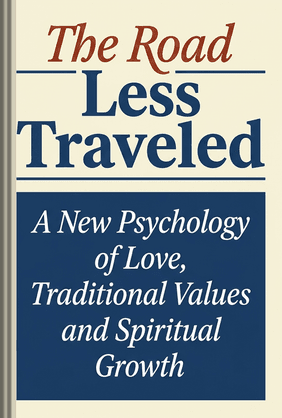
The Road Less Traveled
M. Scott Peck, M.D.
 43 Duration
 7 Key Points
 4.5 Rate
All About Love New Visions Synopsis: The Core Themes
Before diving into specific chapters, you need to understand the foundational pillars hooks builds her arguments on. This all about love new visions synopsis highlights the major cultural lies hooks exposes.
1. The Myth of "Cathexis" vs. Real Love
One of the most eye-opening concepts in the book is the distinction between love and "cathexis." Cathexis is the process of investing emotional energy into someone or something. When you feel a deep attachment to a toxic partner or a parent who harms you, that is cathexis. Our culture constantly confuses this emotional attachment with love. Hooks argues that true love and abuse cannot coexist. If someone is hurting you, they may be heavily "cathected" to you, but they do not love you.

If you find yourself repeatedly drawn to partners who offer emotional highs and lows rather than stability, you might be confusing anxious attachment with true love. Unpacking the science behind why we cling to toxic dynamics—what hooks refers to as cathexis—can help you break these painful patterns. Understanding your unique attachment style is often the missing puzzle piece for anyone striving to leave chaotic relationships behind and build secure, healthy, and lasting connections.
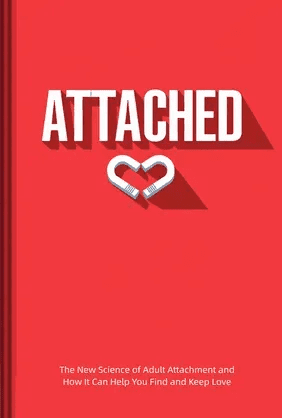
Attached
Amir Levine, PhD, Rachel Heller, MA
48 Duration9 Key Points4.5 Rate2. The Impact of Patriarchy
Hooks connects our inability to love to systemic patriarchy. Men in American society are socialized from a young age to suppress their emotions, cut off their feelings, and focus entirely on dominance and power. Women, conversely, are taught to center their entire existence around securing a male partner. This dynamic creates a culture where men cannot express love and women tolerate lovelessness just to maintain a relationship.

3. Consumerism as a Barrier to Connection
Hyper-individualism and consumer greed are actively destroying community. When people prioritize material wealth—working 60-hour weeks to buy bigger houses and better cars—they abandon the time and energy required to build loving communities. Hooks points out that true love requires a "love ethic" that values human connection over profit.
Bell Hooks All About Love Summary: A Closer Look
To really grasp how these themes play out, a detailed bell hooks all about love summary requires breaking down her progression of thought. She doesn't just point out the problems; she offers a roadmap for cultivating love in every aspect of life.
Healing Childhood Wounds
Hooks starts at the beginning: childhood. Most of us learn our definitions of love from our families. Unfortunately, many families operate on a model of power and control rather than genuine care. Parents often demand obedience and use physical or emotional punishment, wrapping it in the phrase, "I do this because I love you." Hooks insists we must unlearn these childhood scripts. Recognizing that you may not have been truly loved as a child is painful, but it is the necessary first step to learning how to love properly as an adult.

Unlearning the flawed definitions of love we inherited from our families takes immense courage. If hooks’s observations about childhood dynamics resonate with your experience—especially if your caretakers equated love with control or discipline—there are excellent resources designed to help you navigate those specific early wounds. Gaining a psychological perspective on how emotionally limited parents shape our adult behaviors can empower you to stop seeking validation from people who are simply incapable of giving it.
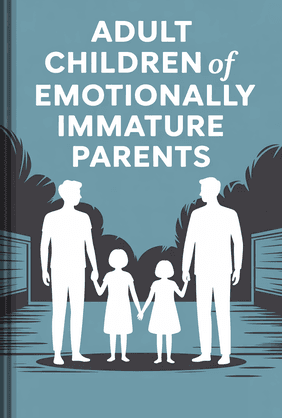
Adult Children of Emotionally Immature Parents
Lindsay C. Gibson, Psy.D.
39 Duration8 Key Points4.6 RateThe Necessity of Honesty
You cannot have love without truth. Hooks dedicates significant space to how normalized lying has become in our culture, especially between the sexes. Men lie to avoid conflict or maintain power; women lie to manipulate or keep the peace. A relationship built on deception lacks the foundation of trust required for actual love. To practice love, you must commit to radical honesty.
Redefining Romance
Hooks wants us to stop "falling" in love. The narrative of falling strips us of our agency and makes us victims of our emotions. Instead, she advocates for choosing love. When you view love as a choice, you enter romantic relationships with intention, assessing whether this person actually shares your values and is willing to do the hard work of mutual spiritual growth.
All About Love Chapter Summary Breakdown
For a quick reference, here is an organized all about love chapter summary. Instead of isolating every single chapter, grouping them by their functional progression helps clarify hooks’ roadmap.
Chapters 1-3: Clarity, Justice, and Honesty
These opening chapters establish the baseline. Hooks defines what love is (Clarity), explores how childhood abuse prevents us from understanding love (Justice), and demands an end to the pervasive lying that ruins our relationships (Honesty). She argues that you cannot experience love if you are wearing a mask.
These opening chapters establish the baseline. Hooks defines what love is (Clarity), explores how childhood abuse prevents us from understanding love (Justice), and demands an end to the pervasive lying that ruins our relationships (Honesty). She argues that you cannot experience love if you are wearing a mask.
Chapters 4-6: Commitment, Spirituality, and Values
Here, the focus shifts inward. Chapter 4 emphasizes self-love—not the superficial spa-day self-care sold to us by influencers, but a deep commitment to your own spiritual growth. She then moves into the necessity of spiritual life and aligning your daily actions with a consistent set of values that prioritize human dignity over material gain.
Here, the focus shifts inward. Chapter 4 emphasizes self-love—not the superficial spa-day self-care sold to us by influencers, but a deep commitment to your own spiritual growth. She then moves into the necessity of spiritual life and aligning your daily actions with a consistent set of values that prioritize human dignity over material gain.
Chapters 7-9: Greed, Community, and Mutuality
Hooks expands love outward into society. She heavily critiques the American capitalist drive (Greed) that isolates us into nuclear families. She advocates for extended communities (Community) because expecting one romantic partner to fulfill every emotional need is a recipe for failure. Chapter 9 tackles romantic relationships directly, urging mutual respect over the traditional patriarchal power dynamics.
Hooks expands love outward into society. She heavily critiques the American capitalist drive (Greed) that isolates us into nuclear families. She advocates for extended communities (Community) because expecting one romantic partner to fulfill every emotional need is a recipe for failure. Chapter 9 tackles romantic relationships directly, urging mutual respect over the traditional patriarchal power dynamics.
Chapters 10-13: Romance, Loss, Healing, and Destiny
The final section deals with the realities of living with a love ethic. She breaks down the illusion of romantic fairy tales (Romance) and provides profound insights on how love sustains us through grief and death (Loss). The book closes on a hopeful note, mapping out how embracing a love ethic brings collective healing (Healing) and is the ultimate destiny of a fulfilled life (Destiny).
The final section deals with the realities of living with a love ethic. She breaks down the illusion of romantic fairy tales (Romance) and provides profound insights on how love sustains us through grief and death (Loss). The book closes on a hopeful note, mapping out how embracing a love ethic brings collective healing (Healing) and is the ultimate destiny of a fulfilled life (Destiny).
The Takeaway: How to Apply a "Love Ethic"
Reading an overview of the book is only half the battle. The real value of All About Love lies in execution. Here is how you can apply hooks' philosophy to your life right now:
- Audit Your Relationships: Look at the people you claim to love. Are your actions actively nurturing their spiritual and personal growth? If not, you are experiencing attachment, not love.
- Stop Tolerating Abuse: Accept the hard truth that love and abuse cannot coexist. This includes emotional manipulation.
- Commit to Truth-Telling: Stop telling white lies to avoid awkwardness. Build connections based on reality, not a curated version of yourself.
- Expand Your Circle: Stop relying solely on a romantic partner for emotional fulfillment. Build a network of close friends, mentors, and community members.
Putting these ideas into practice often means drawing wisdom from multiple sources, but it's easy to feel overwhelmed by a long reading list. If you want to absorb the core concepts from transformative books without the heavy time commitment, an app can help.


LeapAhead

Listen to the key insights from bestselling books on psychology and relationships in 15-minute audio summaries, perfect for learning during your commute or workout.
While this summary covers the essential frameworks of hooks's philosophy, nothing compares to experiencing her eloquent, fierce, and compassionate prose firsthand. If you are ready to completely redefine how you approach romance, family, and community, immersing yourself in the full text is the best investment you can make. Adding the original book to your reading list will give you the complete, unfiltered roadmap needed to start practicing a genuine love ethic in your daily life.

All About Love
bell hooks
44 Duration8 Key Points4.6 RateFAQ
Is All About Love a self-help book?
Not in the traditional sense. It does not offer a 10-step checklist for finding a spouse. Instead, it is a blend of cultural critique, feminist theory, philosophy, and personal memoir. It challenges how society functions rather than just offering quick personal fixes.
Not in the traditional sense. It does not offer a 10-step checklist for finding a spouse. Instead, it is a blend of cultural critique, feminist theory, philosophy, and personal memoir. It challenges how society functions rather than just offering quick personal fixes.
Do I need to read bell hooks' other works before this one?
No. All About Love stands perfectly on its own and is highly accessible. While it is the first in a trilogy (followed by Salvation and Communion), it requires zero prior knowledge of her academic or feminist writings to understand and appreciate.
No. All About Love stands perfectly on its own and is highly accessible. While it is the first in a trilogy (followed by Salvation and Communion), it requires zero prior knowledge of her academic or feminist writings to understand and appreciate.
How long does it take to read the actual book?
The book is roughly 240 pages. For the average reader, it takes about 4 to 5 hours to read cover to cover. It is also a very popular choice on Audible, making it an excellent listen for your daily commute.
The book is roughly 240 pages. For the average reader, it takes about 4 to 5 hours to read cover to cover. It is also a very popular choice on Audible, making it an excellent listen for your daily commute.
Why does bell hooks spell her name in lowercase?
Gloria Jean Watkins used the pen name "bell hooks" (her maternal great-grandmother's name) in lowercase to shift the focus from her identity to her ideas. She wanted readers to engage with the substance of her books rather than the personality behind them.
Gloria Jean Watkins used the pen name "bell hooks" (her maternal great-grandmother's name) in lowercase to shift the focus from her identity to her ideas. She wanted readers to engage with the substance of her books rather than the personality behind them.