

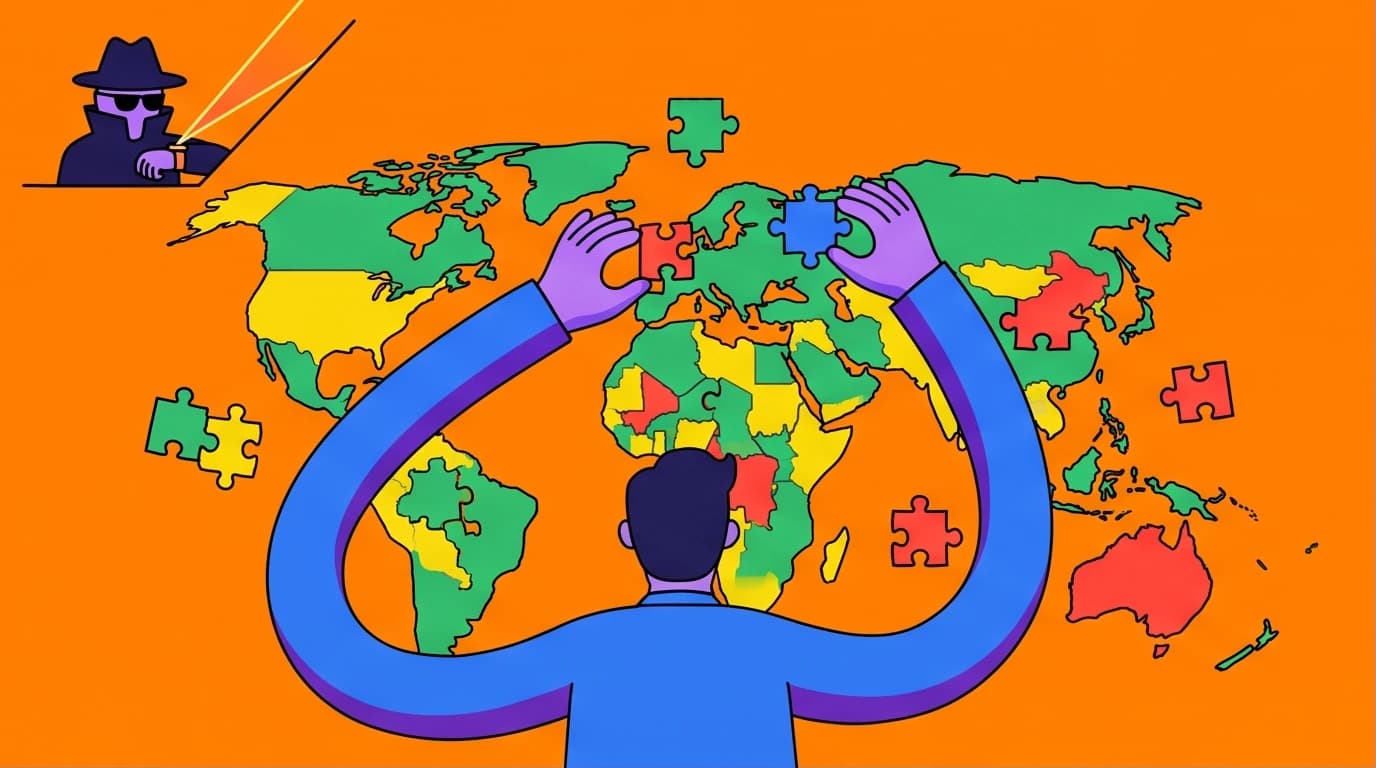
You love a good espionage thriller, but eventually, explosive pens and invisible cars lose their appeal. You want the raw truth behind the shadows. Finding accurate accounts of actual intelligence operations is tough. Genuine spycraft is deliberately shrouded in secrecy, and bookstores are flooded with sensationalized memoirs that read like bad action scripts. You need books grounded in declassified documents, rigorous investigative journalism, and verifiable historical facts.
Here is a curated breakdown of the most authoritative non-fiction espionage books, categorized by the specific aspects of intelligence work they expose.
The Reality of Tradecraft: Why True Spy Stories Matter
Fictional spies win with gunfights and car chases. Real intelligence officers win with patience, psychology, and bureaucratic maneuvering.
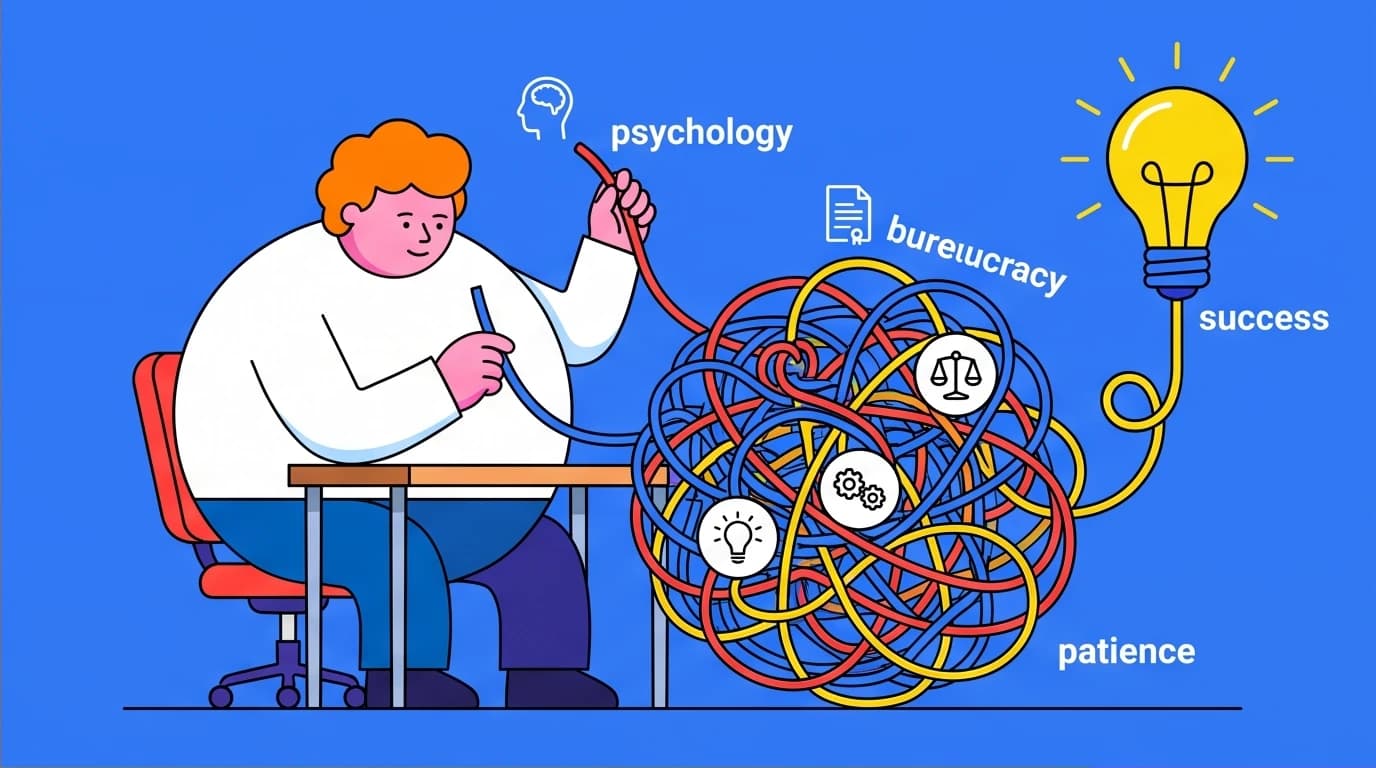
When you dive into true spy stories, you quickly realize that the most devastating breaches of national security rarely involve a shootout. They involve a disillusioned bureaucrat passing microfilm through a dead drop in a Moscow alley, or a signals intelligence analyst spotting an anomaly in encrypted radio traffic.
Reading about actual espionage provides a unique lens on world history. You stop seeing geopolitical events as spontaneous occurrences and start recognizing them as the results of decades of covert positioning, sabotage, and information warfare.
Before you dive into massive historical accounts, you might want to understand the fundamental psychology behind espionage. If you are fascinated by how real intelligence officers assess risks and manipulate situations without firing a weapon, A Spy's Guide to Thinking is an absolute must-read. Written by a former CIA case officer, this short but incredibly impactful book breaks down the exact cognitive frameworks agents use in the field. It’s a fascinating look at how the analytical tools of the trade can actually be applied to everyday decision-making and business strategy.
A Spy's Guide to Thinking
John Braddock
 17 Duration
 8 Key Points
 4.8 Rate
The Cold War Chessboard: Masters of Deception
The Cold War remains the undisputed golden age of espionage. The threat of nuclear annihilation meant hot wars were out of the question, leaving intelligence agencies to fight in the shadows.
The Spy and the Traitor by Ben Macintyre
If you only read one espionage book in your lifetime, make it this one. Macintyre details the life of Oleg Gordievsky, a high-ranking KGB officer who secretly worked for Britain’s MI6.
This book strips away the glamour and shows the immense psychological toll of living a double life. It details the actual tradecraft used on the streets of Moscow—brush passes, specific grocery bags used as signals, and the constant, suffocating paranoia of KGB surveillance. Gordievsky’s eventual exfiltration from the Soviet Union in the trunk of a British diplomatic car is more nerve-wracking than any fiction.
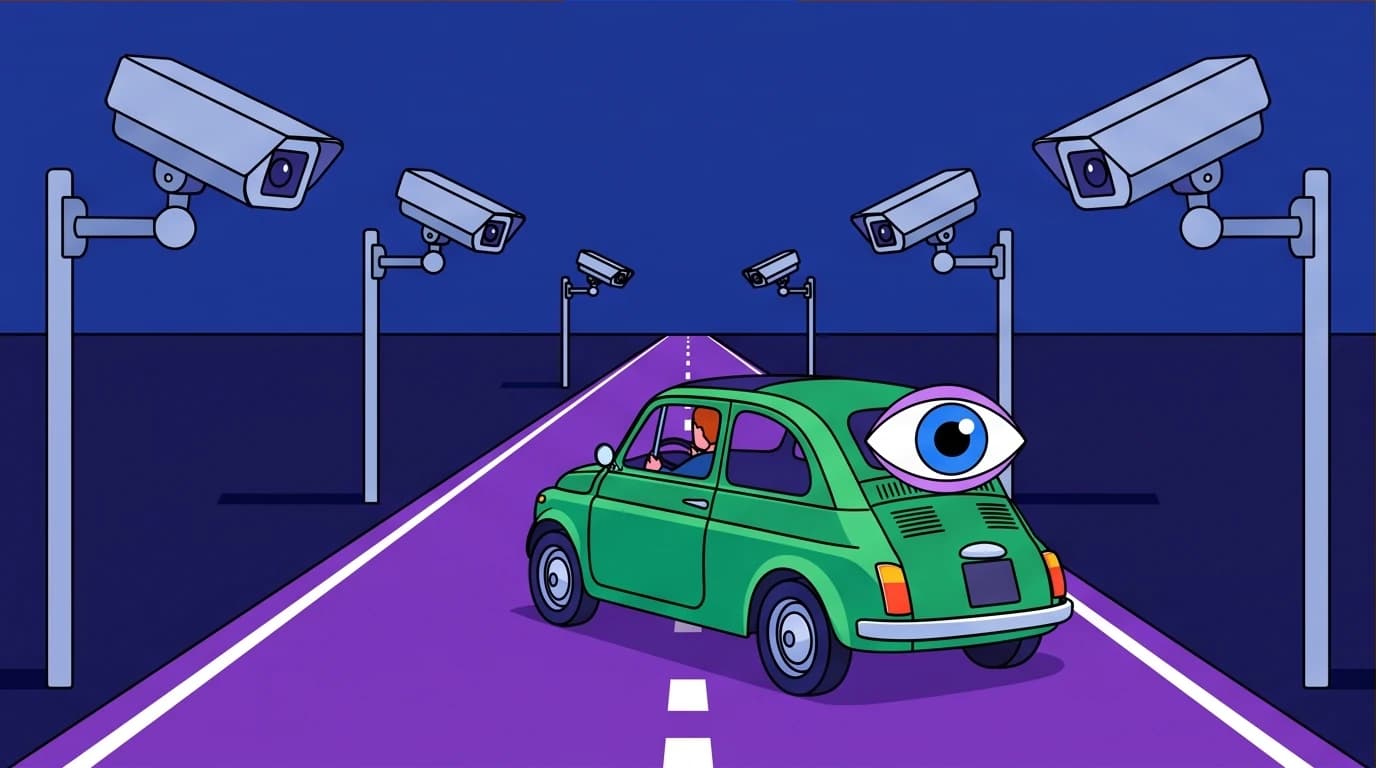
If this gripping account of Cold War betrayal sounds exactly like what you're looking for, you shouldn't hesitate to pick it up. The Spy and the Traitor reads with the breakneck pacing of a blockbuster thriller, yet every single pulse-pounding moment is rigorously documented history. Ben Macintyre’s unparalleled access to MI6 files and KGB defectors makes this an absolute masterpiece of espionage non-fiction. Grab a copy and prepare for a sleepless night, because once Gordievsky’s exfiltration begins, you simply won't be able to put it down.
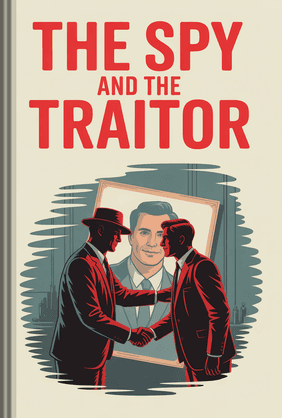
The Spy and the Traitor
Ben Macintyre
40 Duration8 Key Points4.4 RateGordievsky’s ability to manage extreme stress and make critical decisions under pressure is a masterclass in mental resilience. The psychological fortitude required in such high-stakes environments is a fascinating field of study in itself.
The Billion Dollar Spy by David E. Hoffman
Hoffman’s Pulitzer Prize-winning work focuses on Adolf Tolkachev, an electronics engineer who compromised Soviet radar systems to the CIA.
This is one of the premier real life espionage books for anyone interested in the technical side of spycraft. You get a front-row seat to how the CIA’s Office of Technical Service operated. The book explains how handlers built specialized miniature cameras for Tolkachev and developed complex communication protocols to avoid the KGB's relentless physical surveillance.
These deep dives into Cold War espionage are fascinating, but their detailed accounts can be a big time commitment. If you want to grasp the core events and tradecraft from these stories quickly...

Absorb the key insights from dense historical narratives like The Spy and the Traitor in just 15-minute text or audio summaries, perfect for your commute.

Download LeapAhead App now
Institutional Evolution: History of the CIA Books
To understand modern global conflicts, you must understand the infrastructure of the organizations fighting them. Books focusing on the institutional history of intelligence agencies highlight the systemic failures, internal politics, and massive budgets behind the operations.
Legacy of Ashes: The History of the CIA by Tim Weiner
Weiner, a Pulitzer Prize-winning journalist, relies almost entirely on declassified archives, primary source documents, and interviews with former directors to map the CIA’s trajectory from its inception after WWII to the early War on Terror.
This is arguably the most essential among history of the CIA books. It is highly critical. Weiner exposes how early operations in Eastern Europe were compromised, how the agency botched assessments during the Cold War, and how Presidents consistently misused the CIA for short-term political gains rather than long-term strategic intelligence gathering.
Ghost Wars by Steve Coll
To comprehend the landscape of modern intelligence in the Middle East, Coll’s masterpiece is mandatory reading. It covers the CIA’s involvement in Afghanistan from the Soviet invasion to the days immediately preceding September 11, 2001.
Coll details the complex relationships between the CIA, Pakistan's ISI, and Saudi intelligence. It is a masterclass in understanding how funding proxy wars and arming insurgents can create massive, unintended blowback decades later.
While the CIA dominates the history of human intelligence, understanding the modern evolution of statecraft requires looking at signals intelligence. If you want a firsthand look at how the massive, multi-billion-dollar infrastructure of the NSA reshaped global surveillance after 9/11, Edward Snowden’s Permanent Record is essential reading. Regardless of your political stance on his whistleblowing, his memoir provides an unprecedented, insider's view of the highly classified digital networks that now monitor global communications. It is a stark reminder of how technology has forever changed the intelligence community.

Permanent Record
Edward Snowden
16 Duration7 Key Points4.3 RateThe Kinetic Reality: Books on Intelligence Operations
Sometimes intelligence requires physical intervention. Intelligence gathering often overlaps with covert paramilitary action.
Surprise, Kill, Vanish by Annie Jacobsen
Jacobsen dives deep into the history of the CIA’s Special Activities Center (formerly Special Activities Division)—the paramilitary wing responsible for assassinations, sabotage, and direct action.
If you are looking for books on intelligence operations that detail the hard, violent edge of statecraft, this is your target. From the jungles of Vietnam to modern drone strikes in the Middle East, Jacobsen explores the legal, moral, and tactical frameworks that allow the President of the United States to order covert lethal action.
Directorate S by Steve Coll
A follow-up to Ghost Wars, this book shifts the focus to the operational realities of the CIA and US military fighting Al Qaeda and the Taliban post-9/11. It highlights the immense friction between gathering intelligence for strategic understanding and conducting tactical night raids to eliminate high-value targets.
World War II: The Birth of Modern Deception
Modern espionage tactics were largely forged in the fires of the Second World War. The British, in particular, mastered the art of the double cross and strategic deception.
Double Cross by Ben Macintyre
During WWII, MI5 captured or turned every single German spy operating in Britain. They used this network to feed the German high command a steady stream of calculated disinformation.
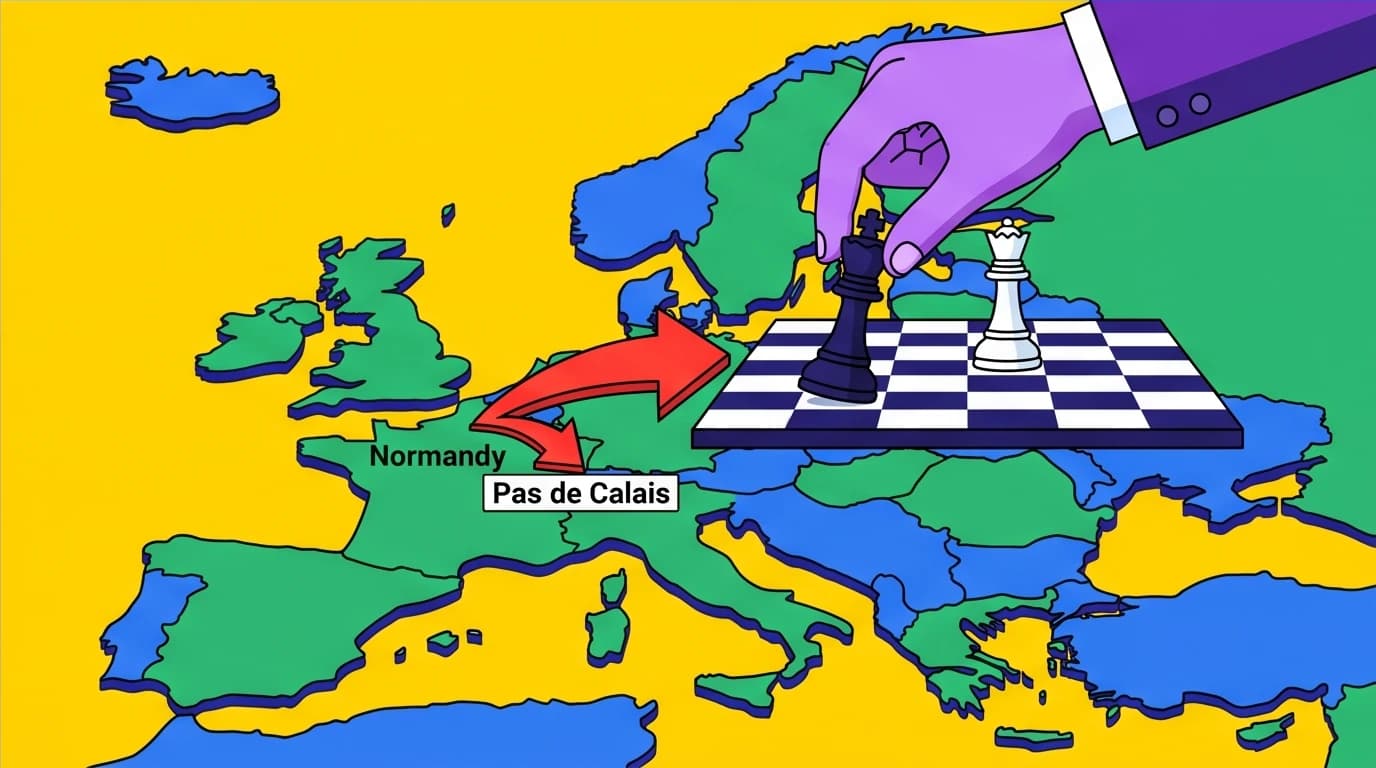
This book highlights the strategic brilliance of the Double Cross System, culminating in Operation Fortitude, the deception campaign that convinced Hitler the D-Day landings would happen at Pas de Calais instead of Normandy. It proves that controlling the flow of of information is just as critical as raw firepower.
The meticulous planning and shocking betrayals detailed in these WWII accounts share many elements with another genre of gripping non-fiction. If you enjoy how these true spy stories deliver more tension than a scripted thriller, you'll find the same appeal in real-life criminal investigations.
How to Evaluate and Choose Espionage Non-Fiction
When browsing Amazon or Barnes & Noble for your next read, keep these strict criteria in mind to avoid sensationalized garbage:
- Check the Source Material: Look at the bibliography and footnotes. High-quality books rely heavily on FOIA (Freedom of Information Act) requests, declassified National Security Archive documents, and verified primary sources.
- Investigate the Author: Look for established journalists (especially those with a history at publications like the Washington Post or New York Times), academic historians, or high-ranking former intelligence officials.
- Beware the Unverifiable Memoir: Lower-level operatives sometimes exaggerate their roles for a book deal. If an author claims they single-handedly saved the world and there is zero institutional record to back it up, skip it.
- Format Matters: These books are dense with historical names and bureaucratic acronyms. If you struggle with heavy text, grab the audio versions on Audible. Listening to these narratives often feels like an engaging history lecture or a true-crime podcast.
As you build your collection of credible, verifiable espionage literature, you might also want a book that teaches you actual, applicable skills from the intelligence world. Written by three former CIA officers, Spy the Lie is a phenomenal example of authoritative non-fiction. The authors share the exact interrogation and deception-detection methodologies they developed during their time at the agency. It’s a brilliant, highly credentialed read that lets you practice the tradecraft of detecting deceit in your own daily life—without having to dodge any KGB surveillance.
Spy the Lie
Phil Houston, Michael Floyd, and Susan Carnicero with DonTennant
49 Duration8 Key Points4.7 RateWith a list this packed with essential reading, the biggest challenge can be finding the energy to start after a long day. For a lighter way to learn that still delivers powerful knowledge...
Turn your reading list into a manageable habit by listening to the main ideas from these must-read spy books and thousands more during your workout or drive.
Download LeapAhead App now
FAQ
Are books written by former CIA or intelligence officers heavily censored?
Yes. Any former CIA officer or employee holding a high-level clearance must submit their manuscripts to the Prepublication Review Board (PRB). The PRB ensures no classified sources or methods are exposed. While they redact classified facts, they cannot censor opinions or criticisms of the agency, which is why former officers can still publish highly critical books.
Which book offers the most accurate picture of what it feels like to be a spy?
For the human and emotional reality, Life Undercover by Amaryllis Fox offers a visceral look at the CIA’s recruitment process, training at "The Farm" in Virginia, and the isolating reality of operating deep undercover as a young woman in the Middle East. For historical tradecraft, The Spy and the Traitor remains unmatched.
Do these books teach actual, usable spycraft techniques?
They teach historical concepts of tradecraft, such as how dead drops work, the theory behind surveillance detection routes (SDRs), and the psychology of recruiting a human asset. However, modern digital surveillance, biometric tracking, and cyber espionage have rendered many of the physical, Cold War-era techniques obsolete. You will learn the strategic mindset, but not a modern how-to manual for evasion.