

Pressure reveals exactly how your nervous system is wired. When a sudden crisis hits—a massive corporate collapse, a medical emergency, or a physical threat—raw intellect becomes entirely useless if panic takes over. You freeze. Your vision narrows. Your logic shuts down.
Understanding how to bypass this biological trap is not an innate talent. It is a trainable skill. The frameworks required to keep your mind sharp when the walls are closing in are hidden inside the accounts of those who faced the ultimate test and lived to tell the tale. We have distilled the absolute
best books on survival psychology available on Amazon, Barnes & Noble, and Audible. These titles do not just recount wilderness adventures; they provide actionable neurological blueprints for anyone who needs to operate at peak capacity when failure is not an option.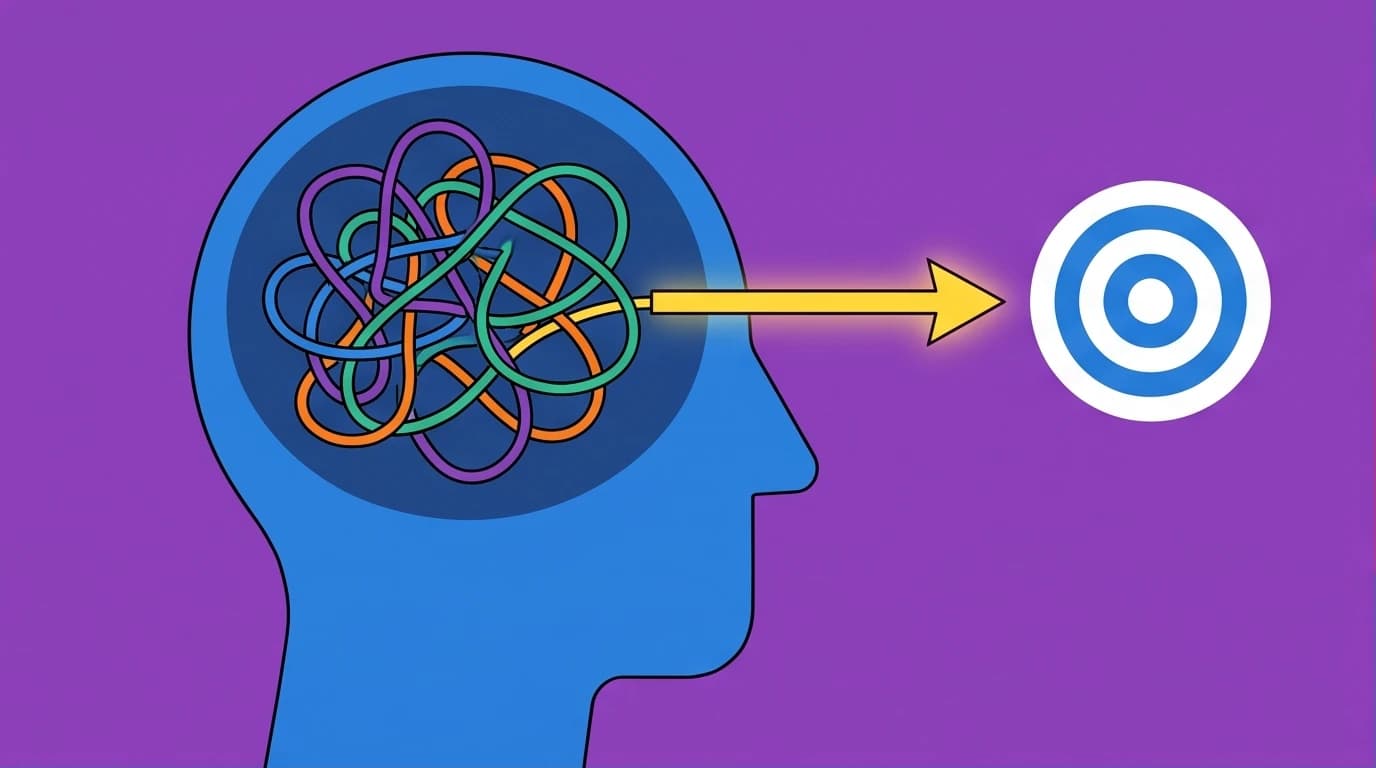
Why Extreme Survival Psychology Matters to You
You do not need to be stranded hundreds of miles from civilization to benefit from survival psychology. The human brain cannot distinguish between a charging predator and a catastrophic financial ruin. The biological response—cortisol floods, adrenaline spikes, and the amygdala hijack—is exactly the same.
By studying how survivors bypass the fatal "freeze" response, you learn how to process data faster, organize chaotic information, and act decisively. These books provide the fundamental rules for handling extreme stress, allowing you to reprogram your baseline reactions.
If you are looking for a practical, step-by-step approach to reprogramming your baseline reactions to stress, you might want to dive into specific mental toughness strategies. While survival stories give us the ultimate case studies, applying those lessons to your daily life requires a structured plan. Damon Zahariades offers an exceptional guide that breaks down how to build an unbreakable mindset, manage your emotional responses, and thrive under everyday pressures. It is an excellent companion read for anyone wanting to fortify their mental resilience before a crisis even hits.
The Mental Toughness Handbook
Damon Zahariades
 39 Duration
 9 Key Points
 4.4 Rate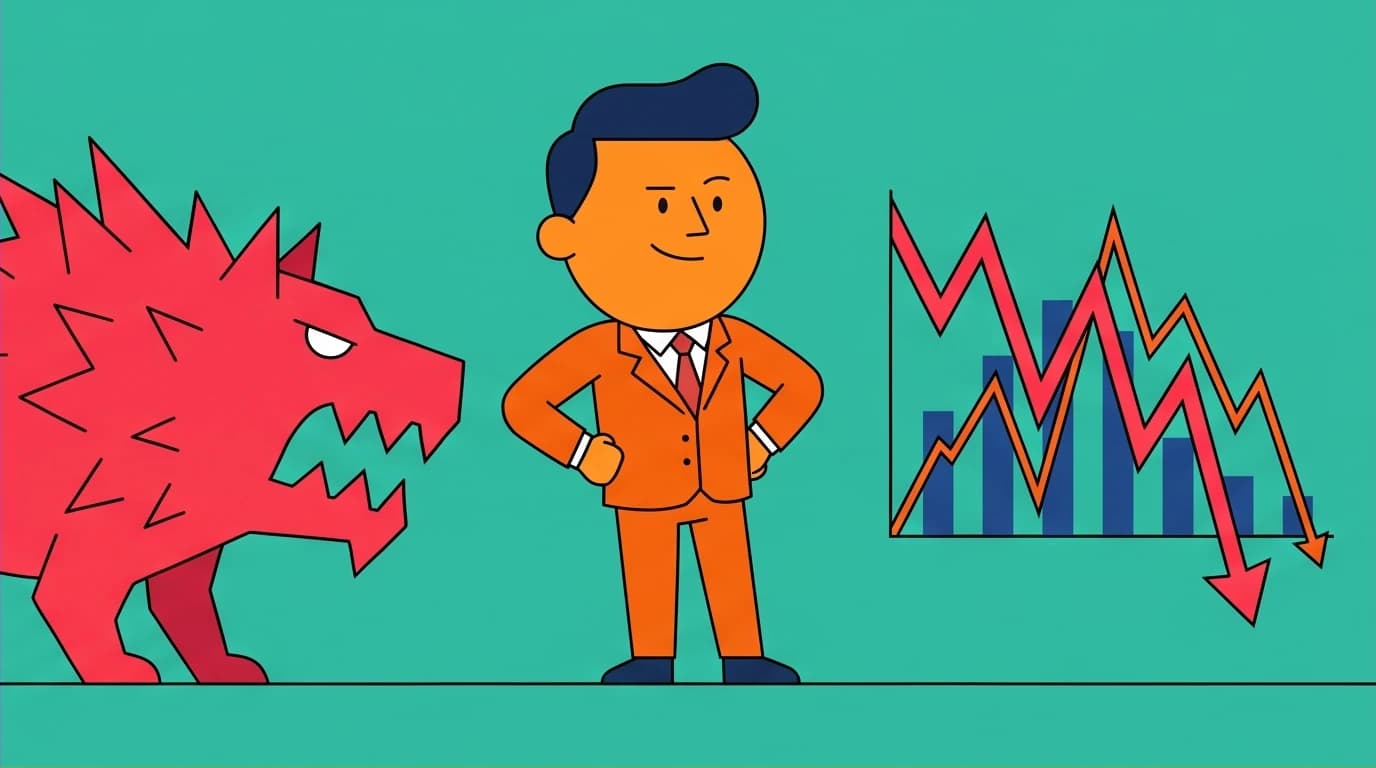
The Definitive Survival Psychology Reading List

Want the key insights from these survival psychology books but don't have time to read them all? LeapAhead delivers 15-minute summaries you can listen to anywhere.

Download LeapAhead App now
1. Deep Survival: Who Lives, Who Dies, and Why by Laurence Gonzales
The Core Focus: The neurobiology of survival and
high stakes decision making.If you only read one book on this topic, make it Deep Survival. Laurence Gonzales spent decades analyzing why experienced professionals die in the wild while complete amateurs survive. The answer lies entirely in mental models.
Gonzales breaks down the deadly phenomenon of "bending the map"—the psychological trap where an arrogant brain refuses to accept overwhelming evidence that it is lost. Survivors do exactly the opposite. They instantly accept their new, terrifying reality.
Critical Takeaway for Daily Application:
- Acknowledge, Then Act: Gonzales identifies that survivors look extreme danger in the eye, accept the harsh reality of their situation, and then immediately begin working on a solution. Denial kills.
- The Rule of 3: Survival requires letting go of previous plans. In business and life, the moment variables change radically, clinging to your original strategy is a fatal error. Adapt instantly.
The principles Gonzales outlines are not just for wilderness survival; they are fundamental to any field where a single bad decision has catastrophic consequences. For more case studies on individuals who operate under constant, life-or-death pressure, exploring true stories of intelligence operations can be incredibly insightful.
2. The Unthinkable: Who Survives When Disaster Strikes—and Why by Amanda Ripley
The Core Focus: The definitive
psychology of fear book.Amanda Ripley investigates the predictable ways human beings react to disasters, from fires to hostage situations. She dismantles the Hollywood myth of widespread panic. Instead, she reveals that the most common human reaction to unexpected trauma is extreme lethargy and denial—a biological glitch known as "normalcy bias."
Ripley breaks the survival arc into three distinct phases: Denial, Deliberation, and the Decisive Moment. If you want a top-tier
psychology of fear book that explains exactly how to train your brain to move through these phases faster than the people around you, this is essential reading.Critical Takeaway for Daily Application:
- Defeating Normalcy Bias: When a crisis begins, your brain will try to convince you everything is fine. Train yourself to recognize anomalies immediately. If the smoke alarm rings, move. If the market indicators flash red, act. Do not wait for someone else to validate the danger.
3. Endurance: Shackleton's Incredible Voyage by Alfred Lansing
The Core Focus: Absolute
resilience in crisis and extreme leadership.While often categorized as history or leadership, Endurance is arguably the greatest case study in survival psychology ever documented. When Sir Ernest Shackleton’s ship was crushed by Antarctic ice in 1915, his crew was stranded thousands of miles from the nearest human settlement in temperatures that regularly plunged well below zero Fahrenheit.
Lansing’s masterpiece illustrates how to maintain psychological
resilience in crisis. Shackleton understood that the true enemy was not the freezing temperature or starvation; it was despair. He managed the mental state of his crew with ruthless precision, squashing pessimism before it could infect the group.Critical Takeaway for Daily Application:
- Routine Saves Minds: Shackleton forced his men to maintain strict daily routines and social obligations. In your own life, when chaos strikes and stress peaks, clinging to fundamental daily routines (sleep, exercise, scheduled work blocks) is the ultimate defense against mental collapse.
If Shackleton’s extraordinary leadership in the freezing Antarctic inspires you, there is incredible value in reading modern accounts of wilderness resilience. Sometimes, understanding how to push past the absolute limits of human endurance is best learned from someone who has made a career out of surviving unforgiving environments. Bear Grylls’ gripping autobiography explores the gritty realities of Special Forces training and extreme expeditions, offering powerful insights into how raw grit and unyielding determination can pull you through your own lowest moments.
Mud, Sweat, and Tears
Bear Grylls
22 Duration10 Key Points4.8 Rate
4. LeapAhead: The Microlearning App for Survival Insights
The Core Focus: Absorbing key survival psychology principles in 15-minute audio or text summaries.
While the books on this list offer irreplaceable deep dives, the modern professional often faces a different kind of survival challenge: a lack of time. LeapAhead addresses this by distilling the core ideas from over 30,000 nonfiction books—including many on mental toughness, psychology, and resilience—into 15-minute summaries available in both audio and text. It is a powerful tool for building a broad mental toolkit without committing to hundreds of pages.
For those wanting to internalize the lessons from Gonzales or Ripley but struggling to find reading time, LeapAhead makes it possible to learn during a commute, workout, or lunch break. With features like personalized learning plans and daily goals, it helps turn the passive desire to learn into an active, consistent habit.
Critical Takeaway for Daily Application:
- Rapid Knowledge Absorption: Use the app to quickly internalize mental models from dozens of survival psychology books, creating a versatile framework for handling pressure. It's about building a broad base of knowledge efficiently.
- Habit Formation: The app's structure, with daily check-ins and goal tracking, is designed to build the same kind of routine and discipline that Shackleton used to keep his crew mentally sharp.
- Trade-off: Depth vs. Breadth: The 15-minute format is designed for core-idea extraction. You get the essential frameworks, but you will miss the immersive storytelling and emotional weight of the full-length books. It complements, rather than replaces, deep reading.
5. Touching the Void: The True Story of One Man's Miraculous Survival by Joe Simpson
The Core Focus: Mental framing and task segmentation under physical agony.
Unlike typical
books about surviving extreme situations that focus heavily on gear and technical skills, Touching the Void is a brutal, introspective look at the isolated human mind. After shattering his leg on an Andes mountain peak, Joe Simpson was left for dead in a crevasse.His journey crawling back to base camp over several days without food or water is a masterclass in psychological segmentation. Simpson did not focus on the miles he had to cross; doing so would have crushed him mentally. Instead, he picked a rock twenty feet away and told himself he had to reach it in twenty minutes.
Critical Takeaway for Daily Application:
- Micro-Goals: When confronting a massive, seemingly impossible problem (a debt mountain, a failing company, a health crisis), looking at the big picture will cause paralysis. Shrink your world. Set a micro-goal for the next 30 minutes, execute it, and then set the next one.
6. The Gift of Fear: Survival Signals That Protect Us from Violence by Gavin de Becker
The Core Focus: Trusting intuition over social conditioning.
Gavin de Becker is a leading expert on predicting violent behavior. His core thesis is simple: human beings have a highly evolved, biological radar for danger, but we are socially conditioned to ignore it so we do not appear rude.
De Becker teaches readers the crucial difference between localized intuition (true fear, which is a survival mechanism) and manufactured anxiety (worrying about future events that have not happened).
Critical Takeaway for Daily Application:
- Honor Your Intuition: If a situation, a business deal, or a person feels entirely wrong, do not attempt to logically talk yourself out of that feeling. True fear is a powerful data point processed by your brain faster than your conscious mind can articulate. Listen to it.
De Becker's work empowers you to recognize external threats. To take that understanding a step further, delving into the minds of those who consistently exhibit predatory behavior can provide an even deeper layer of awareness and protection.
Since understanding the difference between genuine survival signals and everyday anxiety is such a foundational skill, we highly recommend reading Gavin de Becker's complete work on the subject. Exploring the full depth of his research will fundamentally change how you navigate both personal and professional environments. It is a brilliant, empowering read that teaches you exactly how to listen to the brilliant survival mechanisms your brain already possesses. If you are ready to stop second-guessing your gut instincts, you need to pick up a copy of this masterpiece.
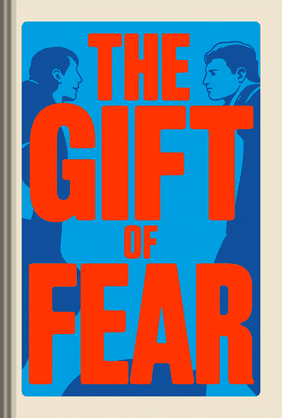
The Gift of Fear
Gavin de Becker
33 Duration8 Key Points4.5 RateAbsorb the core lessons from the world's best books on mental toughness and resilience in just 15 minutes a day. Try LeapAhead to start building your mental toolkit.
Download LeapAhead App now
How to Apply These Frameworks Tomorrow
Do not just read these titles and put them back on the shelf. The value of
best books on survival psychology lies in operationalizing the data. To actively build mental resilience, start implementing these three habits derived from the literature:- Conduct Pre-Mortems: Before starting a high-stakes project, assume it has failed catastrophically. Write down exactly why it failed. This destroys normalcy bias and prepares your brain for the worst-case scenario, removing the element of shock.
- Practice Stress Exposure: You cannot learn to control your adrenaline through reading alone. Put yourself in uncomfortable, controlled environments—intense physical training, public speaking, or martial arts. Learn what your body feels like when the heart rate spikes, and practice breathing to lower it.
- Categorize Your Fears: When you feel overwhelmed, use de Becker's framework. Ask yourself: Is this an immediate, physical threat (Fear), or is my brain projecting a worst-case scenario into the future (Anxiety)? Labeling the emotion instantly reduces its power.
To truly master the stress exposure and breathing techniques mentioned above, it is incredibly helpful to learn from a master of physiological control. You can proactively train your nervous system to stay calm in the face of adrenaline spikes through deliberate, daily practices. Wim Hof has famously documented how specialized breathing exercises and cold exposure can radically alter your body's stress response. Adding his methodologies to your routine is a fantastic way to bridge the gap between understanding survival psychology and actually programming your body to handle the pressure.

The Wim Hof Method
Wim Hof
20 Duration8 Key Points4.6 Rate
FAQ
Are survival psychology books only useful for outdoor enthusiasts or military personnel?
Not at all. The neurological mechanisms that trigger panic in a wilderness survival situation are the exact same mechanisms that cause professionals to freeze during a boardroom crisis or a financial collapse. Learning to manage the amygdala hijack is universally applicable to any high-stress environment, making these books essential for entrepreneurs, executives, and anyone facing heavy life pressures.
If I only have time to read one book on this list, which should I choose?
Start with Deep Survival by Laurence Gonzales. It provides the most comprehensive, scientifically backed overview of why some people panic and others focus. It bridges the gap between biological theory and real-world application better than any other book on the market, offering clear rules for life.
How can reading about extreme, life-threatening situations improve my daily anxiety?
Anxiety thrives on uncertainty and a lack of control. By reading accounts of people surviving unimaginable extremes, you gain a massive shift in perspective. More importantly, these books provide proven frameworks—like micro-goal setting and recognizing normalcy bias—that you can immediately use to break down daily stressors into manageable, solvable tasks.
What is the difference between fear and anxiety in survival psychology?
As detailed in Gavin de Becker's The Gift of Fear, true fear is an immediate, localized response to a present danger—it is a survival signal demanding instant action. Anxiety, on the other hand, is an ongoing, manufactured state of dread about things that might happen in the future. Survival psychology teaches you to trust and act on true fear while systematically dismantling unproductive anxiety.