

You’ve watched the true crime documentaries and read the gripping psychological thrillers. Now you are left wondering where the Hollywood exaggeration ends and the actual clinical reality begins. You want to understand the wiring of a mind that mimics emotion, manipulates effortlessly, and operates entirely without remorse. Finding accurate information means stepping away from fictional villains and diving into the clinical research of behavioral experts, neuroscientists, and forensic psychologists.
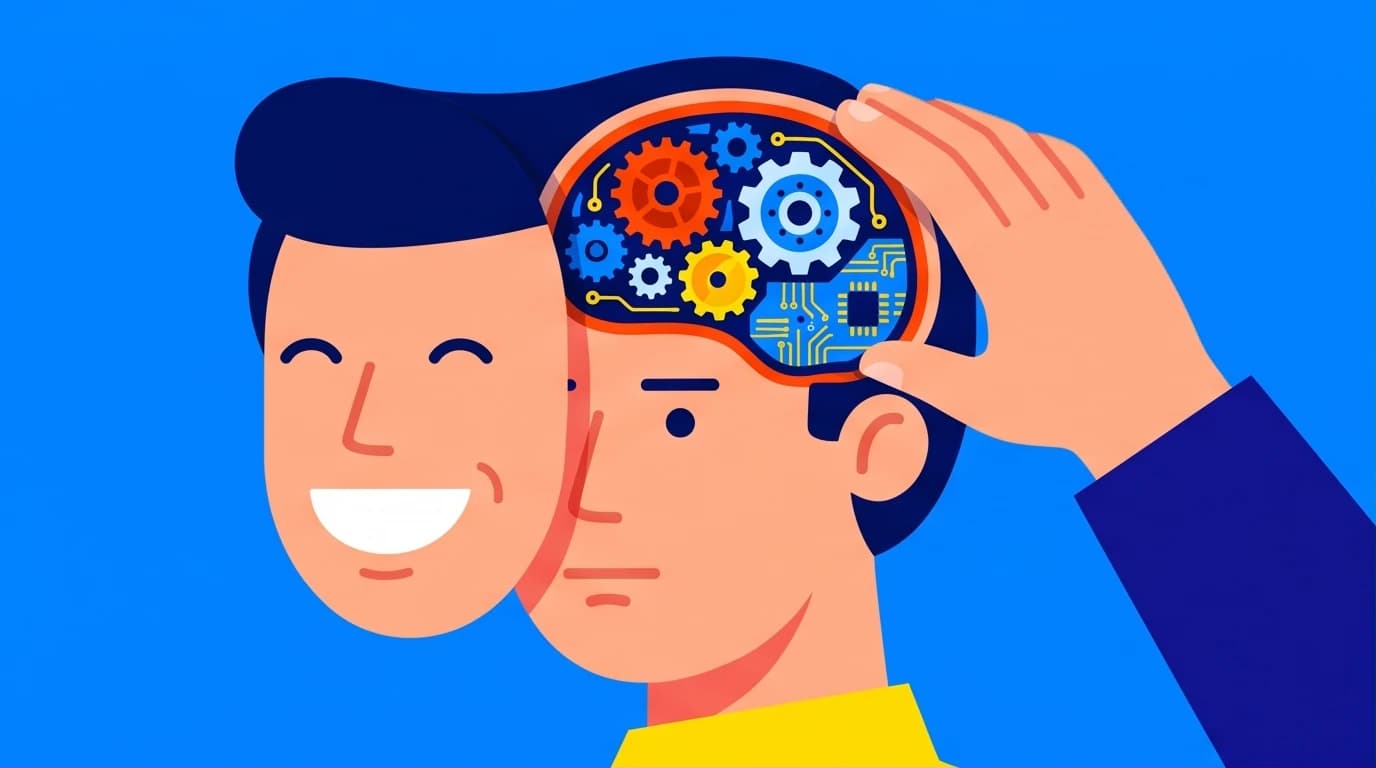
If you want to strip away the cinematic myths and examine the actual behavioral science of dangerous minds, this curated guide will break down the essential reading.
Decoding the Clinical Mind: Foundational Science
To understand how a psychopathic mind operates, you have to start with the experts who defined the condition. These books lay the clinical groundwork, explaining the diagnostic criteria that mental health professionals and the FBI use in the real world.
Without Conscience by Robert D. Hare, PhD
If there is a definitive starting point for books on the psychology of psychopaths, it is this masterpiece by Dr. Robert Hare. Hare is the creator of the Psychopathy Checklist-Revised (PCL-R), the gold-standard diagnostic tool used by researchers and law enforcement agencies worldwide.
- The Core Premise: Hare breaks down his 20-item checklist, detailing the traits that define clinical psychopathy. He explains how these individuals navigate the world using glibness, superficial charm, and a profound lack of empathy.
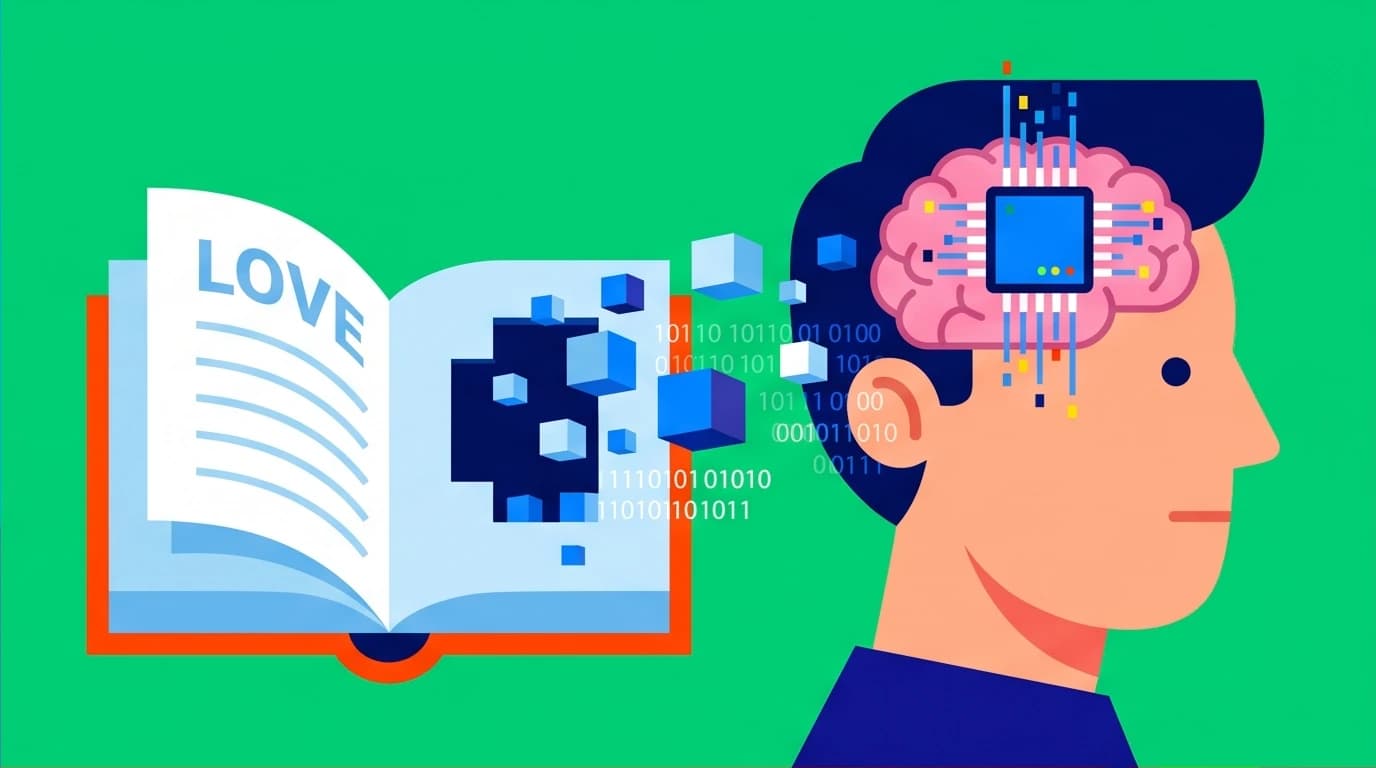
- The Psychological Takeaway: You will learn the difference between structural brain anomalies and learned behaviors. Hare explains how psychopaths process language and emotion differently—knowing the dictionary meaning of "love" or "fear" but completely failing to experience the emotional weight of those words.
- Why It Beats Fiction: Thrillers often portray psychopaths as deranged serial killers. Hare clarifies that most psychopaths are not physically violent; they are grifters, white-collar criminals, and manipulative spouses who leave a trail of emotional and financial devastation.
The Psychopath Inside by James Fallon
For readers who want hard neuroscience, this memoir by a prominent neurobiologist at UC Irvine is required reading.
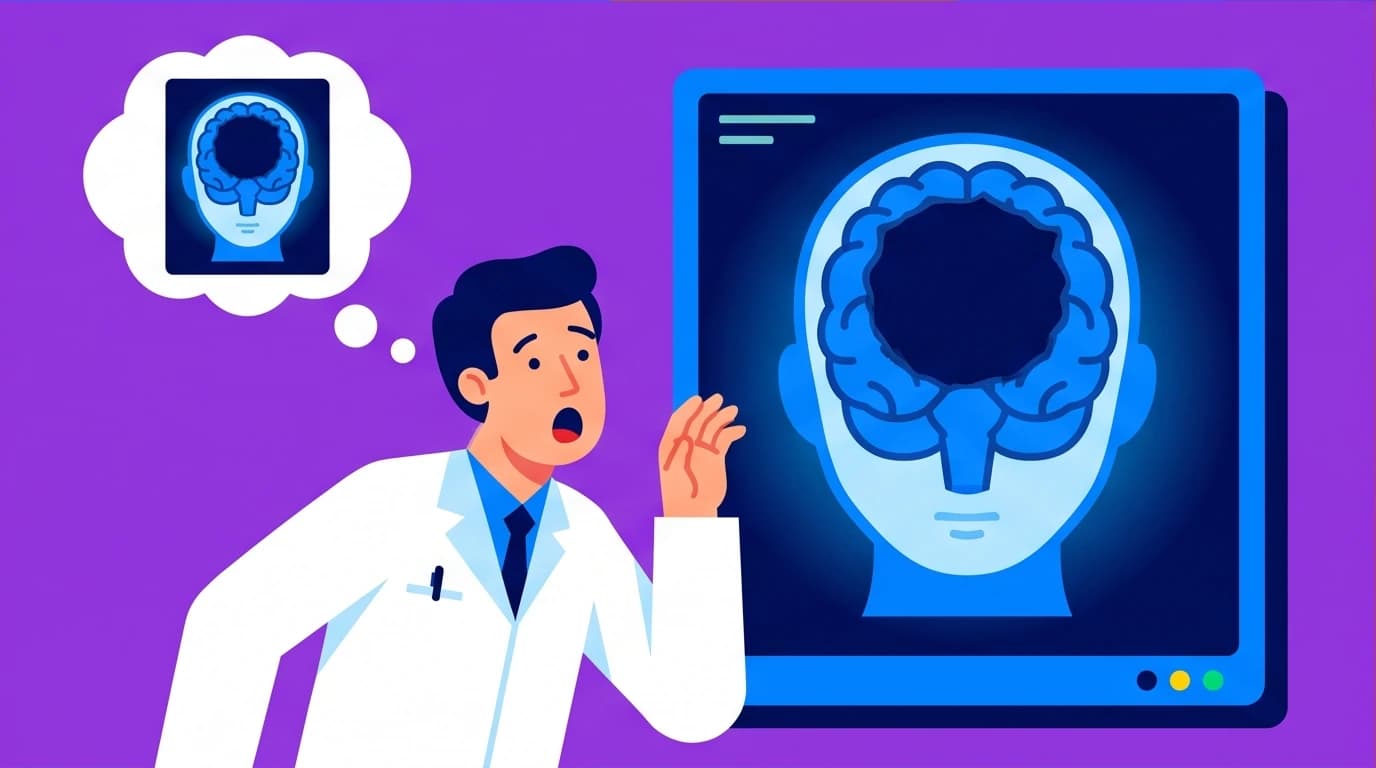
- The Core Premise: While studying the brain scans of convicted serial killers, James Fallon looked at a scan of his own brain serving as a healthy control—only to discover his brain shared the exact same anatomical patterns as the killers he was studying.
- The Psychological Takeaway: Fallon dives deep into the biology of the brain, specifically the orbital cortex and the amygdala, which regulate impulse control and empathy. He introduces the "warrior gene" (MAOA) and explains epigenetics—how environmental factors like a stable, loving childhood kept his psychopathic neurological traits from turning him into a violent criminal.
Once you understand the biological and neurological underpinnings of extreme personalities, you might find yourself wanting to zoom out and analyze the broader spectrum of human behavior. While clinical texts give you the diagnostic criteria for disorders, exploring the deeper, sometimes darker motivations of everyday people is just as crucial. If you're fascinated by what drives us—from our highest potential to our most manipulative tendencies—there's a comprehensive guide that breaks down exactly how to decode the actions and hidden intentions of everyone around you.
The Laws of Human Nature
Robert Greene, Paul Michael, et al.
 48 Duration
 7 Key Points
 4.5 Rate
Everyday Manipulation: The Dark Triad
Not every dangerous personality ends up in a maximum-security prison. Many thrive in corporate America, navigating the halls of Wall Street or leading major companies. When readers look for dark psychology books, they are usually trying to understand the covert manipulation happening in their everyday lives.
The Wisdom of Psychopaths by Kevin Dutton
Dutton, a research psychologist at Oxford, presents a highly controversial but fascinating perspective: psychopathic traits are not in herently evil and can, in fact, be beneficial in certain modern contexts.
- The Core Premise: Dutton argues that psychopathy is not a binary switch but a spectrum. He visualizes psychopathic traits—ruthlessness, fearlessness, charm, focus—as dials on a sound mixing board. When turned up slightly, these traits create highly successful surgeons, special forces soldiers, and CEOs.
- The Psychological Takeaway: You will explore the concept of the "functional psychopath." Dutton examines how the precise cognitive traits that make a serial killer deadly are the exact same traits that allow a trauma surgeon to operate on a dying patient without their hands shaking from panic.
Dangerous Personalities by Joe Navarro
For readers actively looking for an understanding sociopaths book that offers actionable defense mechanisms, former FBI profiler Joe Navarro delivers a masterclass in behavioral analysis.
- The Core Premise: Navarro spent his career analyzing nonverbal behavior and behavioral red flags. Here, he breaks down four dangerous personality types: the Narcissist, the Predator (psychopath), the Paranoid, and the Unstable.
- The Psychological Takeaway: This book is an excellent primer on books about the dark triad (Machiavellianism, Narcissism, and Psychopathy). Navarro moves away from clinical jargon and provides behavioral checklists. You will learn to identify the "instrumental aggression" of a predator—aggression used not out of anger, but as a calculated tool to get what they want.
LeapAhead: Accessing Key Ideas in 15 Minutes
While the books on this list offer deep, comprehensive knowledge, not everyone has the time to read dense clinical texts from cover to cover. For those who want to grasp the core concepts of books on psychopathy and human behavior quickly, a microlearning app like LeapAhead is an excellent modern alternative. It’s designed for busy people who want to absorb key insights during a commute, workout, or lunch break.
- The Core Concept: LeapAhead distills the main ideas of bestselling nonfiction books into 15-minute summaries, available in both audio and text. With a library of over 30,000 titles, you can quickly get the essential takeaways from authors like Robert Greene or Joe Navarro without the multi-hour commitment.
- The Psychological Advantage: The app helps you build a consistent learning habit. By setting daily goals and exploring curated collections on topics like "career success" or "improving relationships," you can turn fragmented moments into productive learning sessions. This is especially useful for complex psychological topics, where a simplified overview can make the subject matter more approachable.
- Strengths vs. Limitations: LeapAhead excels at making knowledge accessible and easy to retain through visual infographics and key insight cards. However, users seeking deep, academic-level detail will find the summaries are a starting point, not a replacement for full-length reading. Additionally, its mobile-first design is perfect for on-the-go learning but may feel limiting for those who prefer studying on a desktop.

Grasp the core ideas of bestselling psychology books in just 15 minutes. Perfect for busy people who want to learn faster and smarter.

Download LeapAhead App now
Since the article already highlights Joe Navarro’s incredible insights into dangerous personalities, it makes sense to dive deeper into the specific skill set he utilized during his FBI career. Spotting a manipulator often comes down to recognizing the physical tells they leave behind when they lie or feel cornered. If you want to train yourself to read these subconscious cues and spot deception before a predator can take advantage of you, Navarro's foundational guide to decoding nonverbal communication is an absolute game-changer.
What Every Body Is Saying
Joe Navarro, Marvin Karlins
42 Duration8 Key Points4.5 RateThe Criminal Mind: Profiling and Law Enforcement
If your fascination stems from true crime and police procedurals, you need books that apply psychological theory to active criminal investigations. High-quality criminal psychology books focus on the intersection of deviant psychology and the justice system.
Mindhunter by John E. Douglas and Mark Olshaker
Before the hit Netflix series, there was the groundbreaking book by John Douglas, the man who pioneered criminal profiling at the FBI’s Behavioral Science Unit in Quantico, Virginia.
- The Core Premise: Douglas details his interviews with some of America’s most notorious serial killers. The goal was never to excuse their behavior, but to build psychological profiles that could help law enforcement catch active killers.
- The Psychological Takeaway: You will understand the crucial distinction between disorganized and organized offenders. Douglas maps out the childhood triad of traits (the Macdonald triad) and explains how severe childhood trauma, combined with underlying antisocial personality disorders, creates a violent offender. It bridges the gap between raw psychological theory and practical forensic application.
The Anatomy of Motive by John E. Douglas
While Mindhunter focuses on the who, this follow-up focuses on the why. Douglas dissects the underlying motivations behind arsonists, hijackers, and mass shooters, heavily relying on forensic psychology to explain how different variations of antisocial behavior manifest in entirely different types of crimes.
The work of profilers like John Douglas has captivated audiences, blurring the line between meticulous police work and gripping storytelling. For readers who enjoy diving deep into real cases that are more shocking than any thriller, there are many other excellent reads.
Profiling serial offenders is only one piece of the law enforcement puzzle; interrogating them and breaking through their web of lies is another entirely. When investigators sit across the table from a seasoned manipulator, they rely on advanced deception detection techniques. If you are captivated by how intelligence agencies catch suspects in high-stakes lies, learning the exact methodology used by veteran interrogators offers a thrilling, real-world look at how the experts outsmart the criminal mind.
Spy the Lie
Phil Houston, Michael Floyd, and Susan Carnicero with DonTennant
49 Duration8 Key Points4.7 RateSociopathy vs. Psychopathy: Making the Distinction
One of the most common confusions among thriller readers is the interchangeable use of the terms "psychopath" and "sociopath." While the Diagnostic and Statistical Manual of Mental Disorders (DSM-5) categorizes both under Antisocial Personality Disorder (ASPD), clinical researchers make sharp distinctions.
The Sociopath Next Door by Martha Stout, PhD
If you only read one understanding sociopaths book, make it this one. Dr. Stout, a clinical psychologist who served on the faculty at Harvard Medical School, brings the statistics to life.
- The Core Premise: Stout introduces a chilling statistic: 1 in 25 ordinary Americans are sociopaths, meaning they live entirely without a conscience.
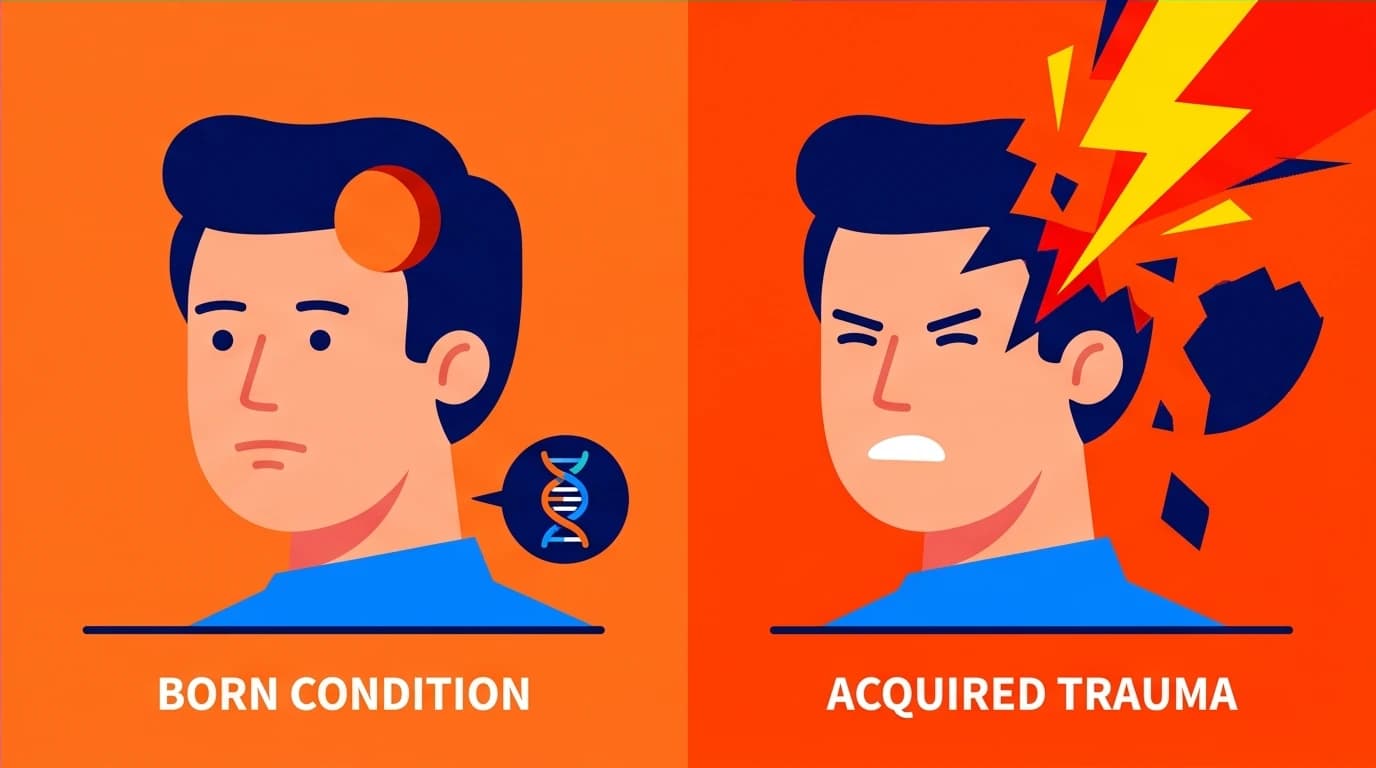
- The Psychological Takeaway: Stout highlights the environmental and behavioral differences between sociopaths and psychopaths. While psychopaths are largely born with neurological deficits (nature), sociopaths are often created through severe early trauma or adverse environments (nurture). Sociopaths are erratic, prone to rage, and struggle to hold down steady jobs, whereas psychopaths are highly organized and emotionally cold.
- Why It Beats Fiction: Stout uses composite case studies of ordinary people—a neighbor, a boss, a romantic partner—to show how the absence of a conscience plays out in mundane, yet highly destructive, ways. It strips the glamour away from the Hollywood villain and exposes the parasitic nature of the real-world sociopath.
Overwhelmed by a long reading list? Use LeapAhead to absorb key insights from complex books on psychology and human behavior without the time commitment.
Download LeapAhead App now
Recognizing a sociopath or psychopath is only the first step; surviving their emotional fallout and healing from their abuse is the real challenge. Many readers dive into this topic because they’ve already encountered someone on the dark spectrum and are trying to make sense of the emotional whiplash. If you are looking for practical, empathetic advice on how to break the toxic bond, establish ironclad boundaries, and reclaim your life from an emotional predator, there are excellent resources designed specifically for recovery.
Psychopath Free (Expanded Edition)
Jackson MacKenzie
17 Duration7 Key Points4.7 RateUnderstanding the psychological toll of these encounters is crucial for recovery. The same mental fortitude required to survive a toxic relationship is often explored in the context of extreme physical and emotional challenges.
How to Choose Your Next Read
Your selection depends entirely on what you want to extract from the material:
- For the Clinical Foundation: Start with Without Conscience. It is the undisputed baseline for understanding the clinical reality of the condition.
- For Self-Defense and Awareness: Pick up Dangerous Personalities or The Sociopath Next Door. Both serve as practical guides for identifying and avoiding toxic, manipulative individuals in your personal and professional life.
- For the Neuroscience: The Psychopath Inside offers the most fascinating look at the actual brain chemistry and genetics involved in the condition.
- For the True Crime Fan: Mindhunter is the ultimate gateway into how the FBI uses behavioral psychology to track predators.
These authors prove that the truth of human psychology is infinitely more complex, unsettling, and fascinating than any fiction written for the screen. You can find all of these titles readily available in paperback or audiobook formats on Amazon, Audible, and Barnes & Noble.
FAQ
What is the difference between a psychopath and a sociopath according to these books?
While both fall under Antisocial Personality Disorder (ASPD) in the DSM-5, researchers distinguish them by origin and behavior. Psychopathy is largely viewed as a neurological condition you are born with (genetic and brain structure differences), leading to calculated, cold, and highly organized behavior. Sociopathy is generally considered a result of environmental factors (severe trauma or abuse), leading to more erratic, impulsive, and disorganized behavior.
While both fall under Antisocial Personality Disorder (ASPD) in the DSM-5, researchers distinguish them by origin and behavior. Psychopathy is largely viewed as a neurological condition you are born with (genetic and brain structure differences), leading to calculated, cold, and highly organized behavior. Sociopathy is generally considered a result of environmental factors (severe trauma or abuse), leading to more erratic, impulsive, and disorganized behavior.
Are dark psychology books safe to read, or do they just teach people how to manipulate others?
Legitimate non-fiction books on this topic are written by clinical psychologists, neuroscientists, and forensic experts. Their goal is defensive, not offensive. By explaining the mechanics of manipulation, gaslighting, and the Dark Triad, these books arm readers with the knowledge needed to spot red flags and set boundaries against predatory individuals.
Legitimate non-fiction books on this topic are written by clinical psychologists, neuroscientists, and forensic experts. Their goal is defensive, not offensive. By explaining the mechanics of manipulation, gaslighting, and the Dark Triad, these books arm readers with the knowledge needed to spot red flags and set boundaries against predatory individuals.
Do these criminal psychology books explain how psychopaths are made?
Yes. The prevailing scientific consensus detailed in these books points to a mix of nature and nurture. Books like The Psychopath Inside thoroughly explain the genetic predispositions (like the MAOA gene) and structural brain abnormalities. However, they also emphasize epigenetics—meaning a person might have the genetic blueprint for psychopathy, but it often requires a trigger, such as childhood abuse or trauma, to activate violent or severely antisocial behavior.
Yes. The prevailing scientific consensus detailed in these books points to a mix of nature and nurture. Books like The Psychopath Inside thoroughly explain the genetic predispositions (like the MAOA gene) and structural brain abnormalities. However, they also emphasize epigenetics—meaning a person might have the genetic blueprint for psychopathy, but it often requires a trigger, such as childhood abuse or trauma, to activate violent or severely antisocial behavior.
Where should a beginner start if they want to understand the psychopathic mind?
Dr. Robert Hare’s Without Conscience is universally recommended as the best starting point. It is highly readable for a layperson, avoids overly dense medical jargon, and introduces the PCL-R checklist, which is the foundational tool for modern psychological assessment of the condition.
Dr. Robert Hare’s Without Conscience is universally recommended as the best starting point. It is highly readable for a layperson, avoids overly dense medical jargon, and introduces the PCL-R checklist, which is the foundational tool for modern psychological assessment of the condition.