

You have heard the stories. The guy who runs 100 miles in the middle of summer. The only man in history to complete Navy SEAL training, Army Ranger School, and Air Force Tactical Air Controller training. But you are busy. You have a demanding job, a family, and a packed schedule. You do not have 10 hours to listen to the Audible version right now. You need the exact mental frameworks Goggins uses to push through pain, fatigue, and self-doubt so you can apply them to your own life today.
This summary will give you the core principles, but what about all the other life-changing books on your to-read list? If your packed schedule is the biggest hurdle to continuous learning, there are ways to absorb key ideas in the time you do have.

Get the core insights from bestselling books on mental toughness and discipline in just 15-minute audio or text sessions, perfect for a busy schedule.

Download LeapAhead App now
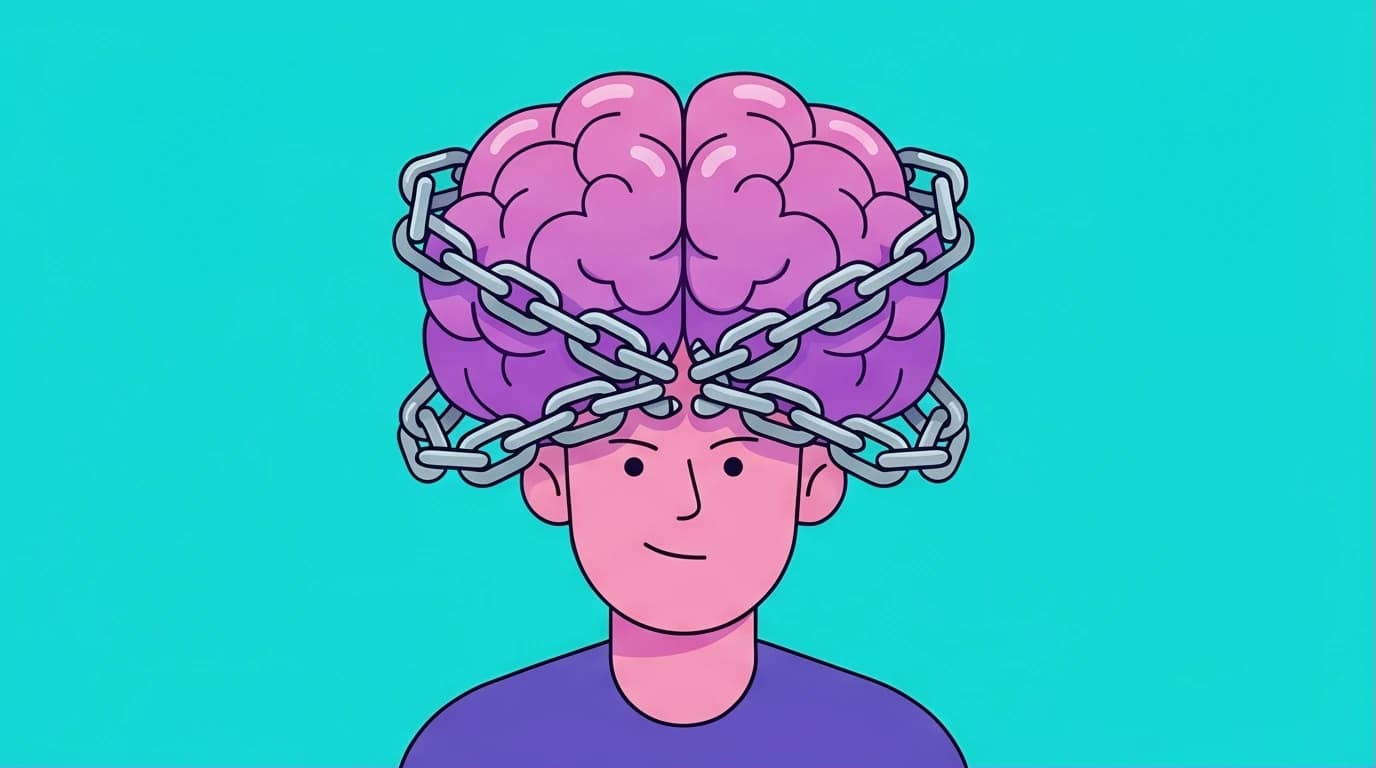
Here is the most direct, fluff-free Can't Hurt Me summary available.
David Goggins Book Summary: The Core Philosophy
Before you can fix your mindset, you have to understand the baseline. David Goggins did not start as a superhuman athlete. He was an overweight, depressed exterminator spraying for cockroaches. He grew up experiencing severe physical abuse, poverty, and racism.
The central thesis of Can't Hurt Me is simple: Motivation is garbage. Motivation comes and goes. When you are driven, whatever is in front of you will get destroyed. Goggins argues that most of us are operating at a fraction of our true capacity because we let our minds dictate our limits. We choose comfort over friction.
To change your trajectory, you have to master your own mind. You have to callous it the same way a weightlifter callouses their hands.
One of the best ways to internalize this mindset is by revisiting his most direct and powerful statements.
If you are finding this summary impactful, nothing compares to hearing the full, unfiltered story straight from the source. While this guide breaks down the core lessons, immersing yourself in the complete narrative gives you the raw emotional context behind every framework. The audiobook version, in particular, features podcast-style commentary that dives even deeper into the mindset required to overcome seemingly impossible odds. If you are ready to completely rewire your approach to friction and discomfort, picking up the full copy is your mandatory next step.
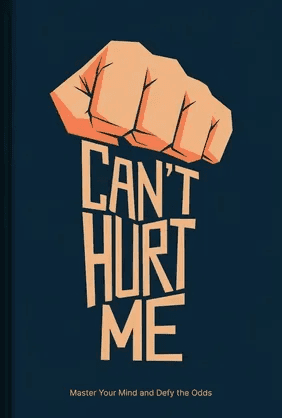
Can't Hurt Me
David Goggins, Adam Skolnick, et al.
 26 Duration
 10 Key Points
 4.6 Rate
Can't Hurt Me Key Takeaways & Mindset Shifts
If you want to extract the maximum value from this book without reading all 300 pages, focus on these five core concepts. These are the tools Goggins used to rebuild his brain.
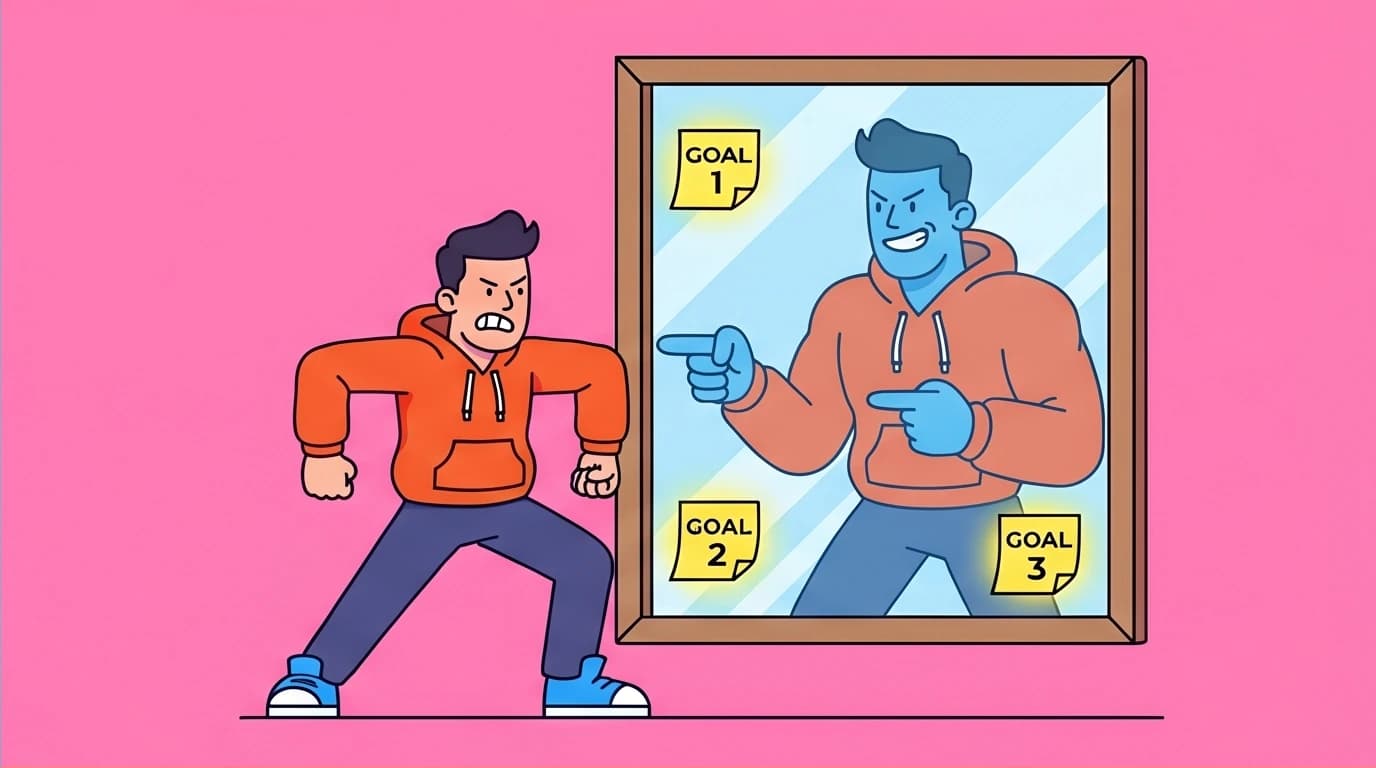
1. The Accountability Mirror
You cannot fix a problem until you admit it exists. Goggins created the "Accountability Mirror" to force himself to face reality.
He stood in front of his bathroom mirror and told himself the brutal truth. If he was fat, he called himself fat. If he was falling behind, he admitted he was lazy. No sugarcoating. No corporate jargon.
How to use it:
Get sticky notes. Write down your actual goals and the steps required to achieve them. Slap them on your bathroom mirror. Every morning and every night, look yourself in the eyes. Are you doing the work, or are you lying to yourself? The mirror does not accept excuses.
Get sticky notes. Write down your actual goals and the steps required to achieve them. Slap them on your bathroom mirror. Every morning and every night, look yourself in the eyes. Are you doing the work, or are you lying to yourself? The mirror does not accept excuses.
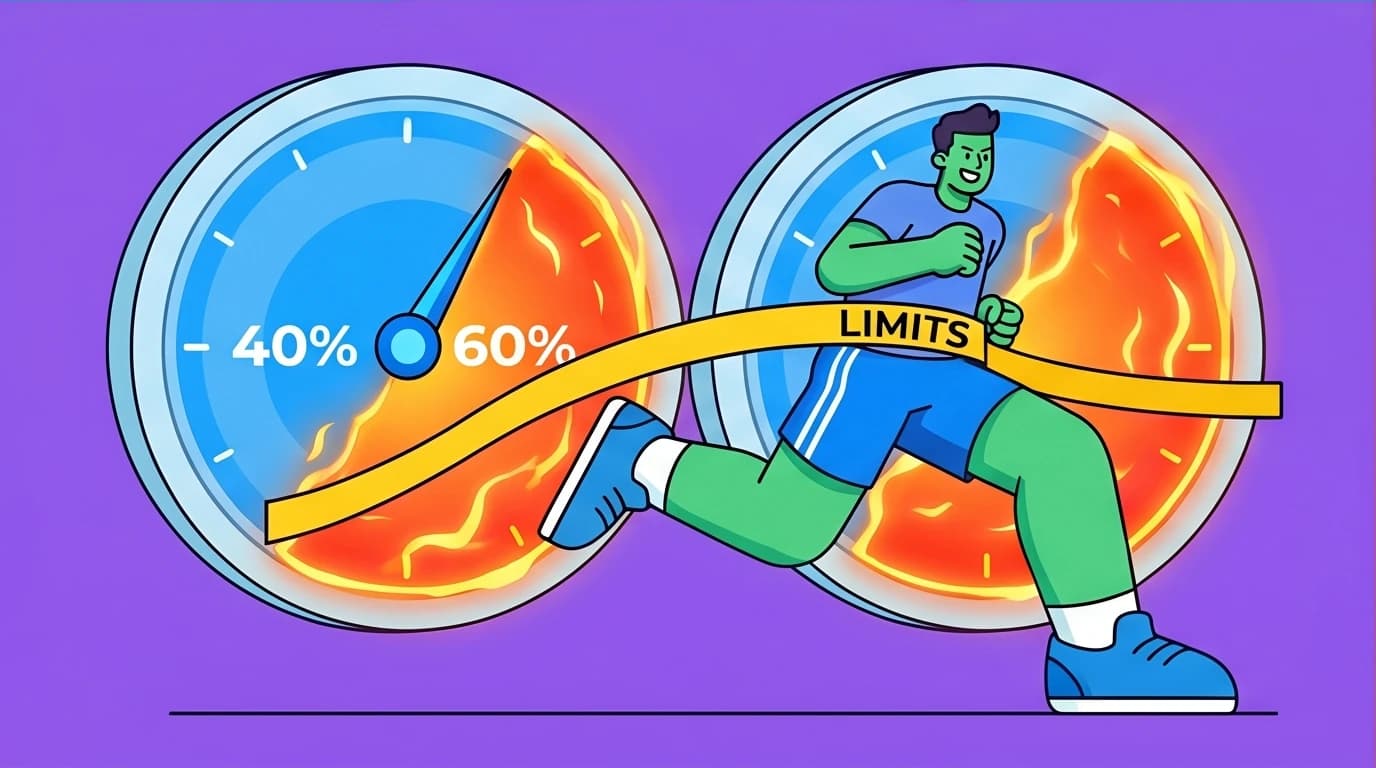
2. The 40 Percent Rule Goggins Made Famous
This is the most famous concept in the book. The 40 percent rule Goggins talks about states that when your mind tells you that you are completely exhausted, done, and cannot go a single step further, you are actually only at 40% of your total capacity.
Think of your brain like a car with a built-in governor. The governor limits the speed to protect the engine. Your brain does the same thing to protect you from pain and fatigue. It sends pain signals and doubt to make you quit long before your body actually fails.
How to use it:
Next time you hit a wall—whether you are running miles on the track, lifting weights, or grinding through a brutal project at work at 2 AM—remind yourself of the governor. Acknowledge the desire to quit, and then push past it. That initial wall is an illusion.
Next time you hit a wall—whether you are running miles on the track, lifting weights, or grinding through a brutal project at work at 2 AM—remind yourself of the governor. Acknowledge the desire to quit, and then push past it. That initial wall is an illusion.
3. Callousing Your Mind
If you work manual labor, your hands get blisters. Eventually, those blisters turn into callouses. The friction no longer hurts. Your mind works the exact same way.
We live in a society built around comfort. Air conditioning, instant food delivery, on-demand entertainment. Comfort makes the mind soft. To build mental toughness, you must intentionally introduce friction and discomfort into your daily routine.
How to use it:
Do something that sucks every single day. It does not have to be a 50-mile run. It can be waking up at 4:30 AM instead of 6:00 AM. It can be taking a cold shower when it is 30 degrees Fahrenheit outside. It can be having that difficult conversation you have been avoiding. Intentional suffering builds a mental armor that protects you when real tragedy strikes.
Do something that sucks every single day. It does not have to be a 50-mile run. It can be waking up at 4:30 AM instead of 6:00 AM. It can be taking a cold shower when it is 30 degrees Fahrenheit outside. It can be having that difficult conversation you have been avoiding. Intentional suffering builds a mental armor that protects you when real tragedy strikes.

4. The Cookie Jar
When you are in the middle of a brutal challenge, your mind will scramble for a reason to quit. It will ask, "Why are we doing this?"
You need a mental reserve to draw from. Goggins calls this the "Cookie Jar." Your Cookie Jar is a mental collection of all your past victories, the obstacles you overcame, and the times you proved the doubters wrong.
How to use it:
When the pain hits and you want to quit, reach into the Cookie Jar. Remind yourself of the hardest thing you have ever survived. Use that past success to fuel your current struggle. If you survived that, you can survive this.
When the pain hits and you want to quit, reach into the Cookie Jar. Remind yourself of the hardest thing you have ever survived. Use that past success to fuel your current struggle. If you survived that, you can survive this.
5. Taking Souls
This is about psychological warfare, both against your competitors and against your own inner weakness. "Taking souls" means performing at such a high level in the face of adversity that you earn the absolute respect (and sometimes fear) of those watching you or trying to break you.
When Goggins was going through Navy SEAL Hell Week on broken legs, he did not just survive. He led his boat crew with manic energy. He smiled at the instructors who were trying to make him quit. He took their souls by showing them they could not break him.
How to use it:
When a boss, a competitor, or life itself tries to put you down, do not just meet expectations. Annihilate them. Outwork everyone to the point where they question their own work ethic.
When a boss, a competitor, or life itself tries to put you down, do not just meet expectations. Annihilate them. Outwork everyone to the point where they question their own work ethic.
These frameworks are the engine of Goggins' operating system. For a more detailed breakdown of how to apply them in your own life, it's worth exploring them further.
"Taking souls" is about stepping into a completely different tier of performance—one where you aren't just competing with others, but completely dominating your own inner weakness. If you are fascinated by the psychology of elite competitors who operate at this unparalleled level, you will find immense value in exploring the minds of legendary athletes who refuse to settle. Understanding how top-tier performers push past the physical and mental breaking points of ordinary people can help you unlock that exact same intensity in your own career and life.

Relentless
Tim. S Grover, Shari Lesser Wenk
39 Duration7 Key Points4.5 RatePractical Can't Hurt Me Lessons You Can Apply Today
Understanding the theory is useless without execution. Here are the most direct Can't Hurt Me lessons you can implement in your life starting today.
Audit Your Time
Stop saying you do not have time. Goggins advocates for a ruthless time audit. Track every single 15-minute block of your day for a week. You will quickly realize how much time you waste scrolling social media, watching Netflix, or doing busywork.
- Action: Schedule your day in blocks. Dedicate specific blocks to working out, deep work, and family. Protect these blocks aggressively.
Remove the Victim Mentality
We all have a story. Many people use their past trauma or current disadvantages as a crutch. Goggins had every excuse to fail—abusive father, learning disabilities, extreme racism. He realized that nobody was coming to save him.
- Action: Take extreme ownership. Your past might not be your fault, but your future is entirely your responsibility. Drop the excuses.
Dropping the excuses and taking full responsibility for your future is often the hardest, yet most transformative step you can take. If you want to dive deeper into this specific mindset, looking into the leadership strategies of US Navy SEALs is incredibly effective. The concept of completely owning your circumstances—without blaming your environment, your upbringing, or your team—is the bedrock of elite military leadership. Mastering this level of radical accountability will change how you lead your family, your business, and yourself.
Extreme Ownership
Jocko Willink, Leif Babin
45 Duration7 Key Points4.6 RateThe Power of Visualization
Visualization is not about sitting on a couch and imagining a million dollars falling into your lap. Goggins uses visualization to prepare for the worst-case scenarios.
- Action: Before tackling a hard task, visualize the obstacles. Visualize the moment you will want to quit. Decide exactly how you will react when that moment comes. When the pain hits, you will be ready for it.
Go Beyond Expectations
If the standard is 100 reps, do 101. If your boss asks for a report by Friday, deliver a flawless one by Thursday.
- Action: Always exceed the baseline standard. This is not about impressing other people; it is about rewriting your own internal standard of excellence.
Avoiding Common Misinterpretations
While applying these lessons, many high-achievers fall into a few traps. Here is how to avoid them:
- Ignoring Severe Injuries: The 40% rule is about pushing past perceived fatigue, not destroying your body permanently. Goggins ran on broken legs and caused severe damage to his kidneys. You do not need to permanently injure yourself to build mental toughness. Learn the difference between the pain of effort and the pain of actual injury.
- Neglecting Recovery: Even Goggins eventually had to learn to stretch and recover. You cannot redline an engine forever without changing the oil. Build mobility, sleep, and recovery into your routine.
- Alienating Your Circle: Goggins admits his relentless drive often alienated the people around him. You can be hard on yourself without being a tyrant to your family and friends. Keep your Accountability Mirror focused on yourself, not others.
Ultimately, Goggins' philosophy isn't for everyone, and it's important to consider different viewpoints on his extreme methods.
Building an unbreakable mind isn't just about pushing yourself to the brink; it is also about recognizing and eliminating the self-sabotaging habits that drain your mental energy. Once you have learned to embrace friction, the next step is identifying the subtle ways you might be giving away your power or dwelling on things you can't control. Cultivating true mental resilience requires both aggressive action and defensive awareness. If you want a comprehensive guide to stripping away the toxic thought patterns holding you back, exploring the habits of mentally strong individuals is highly recommended.
13 Things Mentally Strong People Don't Do
Amy Morin
21 Duration9 Key Points4.7 RateApplying these lessons requires consistent reinforcement, not just from one book, but from a habit of learning. If your bookshelf is already full of unread books, finding a way to get through them and others like them is crucial.
Clear your 'reading debt' by listening to the key ideas from books like these during your commute or workout, turning downtime into learning time.
Download LeapAhead App now
Reading a David Goggins book summary gives you the roadmap, but it does not do the push-ups for you. The beauty of Goggins' philosophy is its accessibility. You do not need money, special equipment, or a favorable background to master your mind. You just need the willingness to get uncomfortable.
Start small today. Pick one thing you hate doing, and go do it.
FAQ
What is the 40% rule in Can't Hurt Me?
The 40% rule is the concept that when your mind tells you that you are completely exhausted and cannot take another step, you are actually only at 40% of your physical and mental capacity. Your brain is acting as a governor to protect you from discomfort. By acknowledging this, you can push past the initial desire to quit and tap into the remaining 60% of your potential.
Do I need to run ultramarathons to apply David Goggins' advice?
No. Goggins uses extreme endurance sports as his personal vehicle for mental toughness, but the lessons apply to everything. You can use his strategies to study for a difficult exam, build a business, overcome a personal tragedy, or simply get better at your current job. The goal is mastering your mind, not necessarily becoming an endurance athlete.
How do I use the Accountability Mirror effectively?
Get honest with yourself. Write your goals and your current shortcomings on sticky notes and put them on a mirror you look at every day. If you are failing, admit it to the mirror. Use it as a daily check-in to ensure your actions are aligning with the goals you claim to care about.
Is Can't Hurt Me worth reading if I already know the summary?
Yes. While a summary gives you the actionable frameworks, the actual book (especially the audiobook version, which includes podcast-style commentary between chapters) provides the raw emotional context of Goggins' life. Hearing the depth of his suffering makes his ultimate success much more impactful and helps anchor these lessons in your mind.