


You have a demanding schedule. Your bookmark folder is a graveyard of unread articles, and that comprehensive masterclass you bought last year is sitting at 4% completion. You want to grow, stay competitive, and expand your mind. But after a full day of meetings, commuting, and family obligations, sitting down for a two-hour lecture feels impossible.
The problem is not your lack of discipline. The problem is a mismatch between traditional education formats and your current reality.
If you are trying to force college-style studying into a modern, hyper-busy lifestyle, you will fail. You need a frictionless approach. Here is how to restructure your knowledge intake, prioritize speed, and actually retain what you consume.
Format Dictates Completion: The Best Way to Learn Fast
The secret to rapid skill acquisition is understanding that not all knowledge should be consumed in the same way. The format you choose dictates whether you will actually finish the material.
Most people default to video courses because they feel like "real" learning. But video dictates the pace. You are forced to sit through long introductions, slow explanations, and irrelevant tangents. When you are strapped for time, this creates massive friction.
The best way to learn fast is to ruthlessly match the medium to the material. Stop treating every new topic like a college semester. Categorize what you want to learn into two buckets: conceptual knowledge and tactical skills. Once you separate the two, your path to mastery becomes obvious.
Skillshare vs Reading Books: Which Wins?
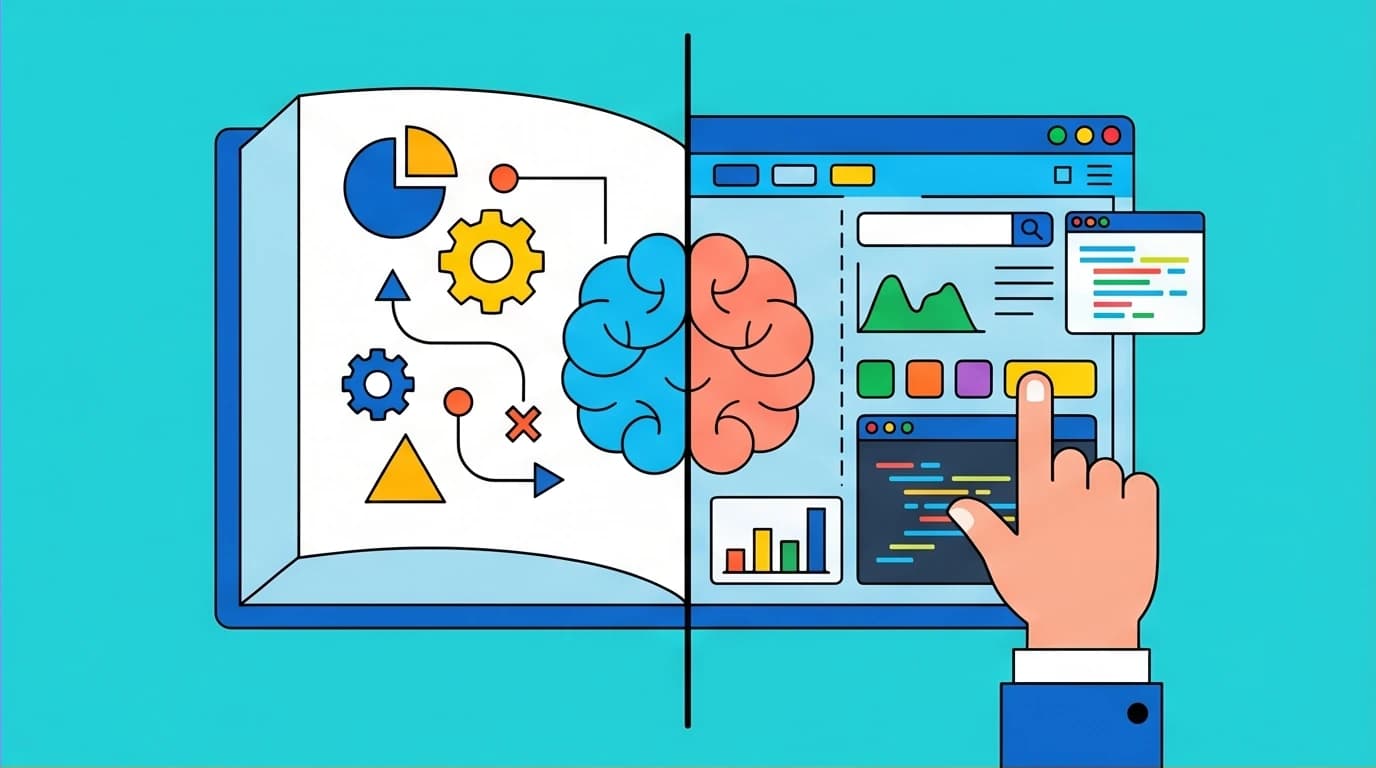
A common dilemma for lifelong learners is choosing between digital course platforms and traditional reading. The debate of Skillshare vs reading books comes down to one simple rule: Are you learning a mindset or a mouse-click?
When to Choose Reading (or Text Summaries):
If you are learning leadership, psychology, negotiation, finance, or philosophy, choose text. Books deliver conceptual frameworks. The distinct advantage of reading is that you control the speed. You can skim a chapter on history that you already know, slow down for a complex financial formula, and skip the author's lengthy personal anecdotes. Text allows for nonlinear learning. You can flip straight to the index, find the exact chapter solving your current problem, and extract the value in 15 minutes.
If you are learning leadership, psychology, negotiation, finance, or philosophy, choose text. Books deliver conceptual frameworks. The distinct advantage of reading is that you control the speed. You can skim a chapter on history that you already know, slow down for a complex financial formula, and skip the author's lengthy personal anecdotes. Text allows for nonlinear learning. You can flip straight to the index, find the exact chapter solving your current problem, and extract the value in 15 minutes.
When to Choose Skillshare or Video Courses:
If you are learning a tactile or software-based skill—like Adobe Premiere Pro, woodworking, advanced Excel macros, or playing the guitar—choose video. You need to see the instructor's hands or their screen. Reading a book about how to use a complex software interface is an exercise in frustration. However, keep video learning strictly confined to times when you are sitting at a desk and can practice simultaneously. Do not watch coding tutorials on your couch.
If you are learning a tactile or software-based skill—like Adobe Premiere Pro, woodworking, advanced Excel macros, or playing the guitar—choose video. You need to see the instructor's hands or their screen. Reading a book about how to use a complex software interface is an exercise in frustration. However, keep video learning strictly confined to times when you are sitting at a desk and can practice simultaneously. Do not watch coding tutorials on your couch.
For those leaning toward online courses, it's helpful to dive deeper into specific platforms and their offerings.
If you are serious about designing your own curriculum and mastering hard skills outside of a traditional classroom, you need a solid blueprint for self-education. Whether you are tackling massive textbooks or diving into intensive software tutorials, having a strategy is half the battle. Ultralearning is an exceptional guide that shows you how to aggressively and efficiently tackle complex subjects. It is highly recommended if you want to push past the frustration phase of learning a new topic and figure out exactly which format will help you absorb the material the fastest.
Ultralearning
Scott H. Young
 32 Duration
 8 Key Points
 4.5 Rate
Supercharging Your Self Study Methods
Once you know what format fits your goal, you need a system that fits your day. Effective self study methods for busy professionals rely on reclaiming "dead time" rather than trying to manufacture free time.
Leverage Audio Learning Apps for "Dead Time"
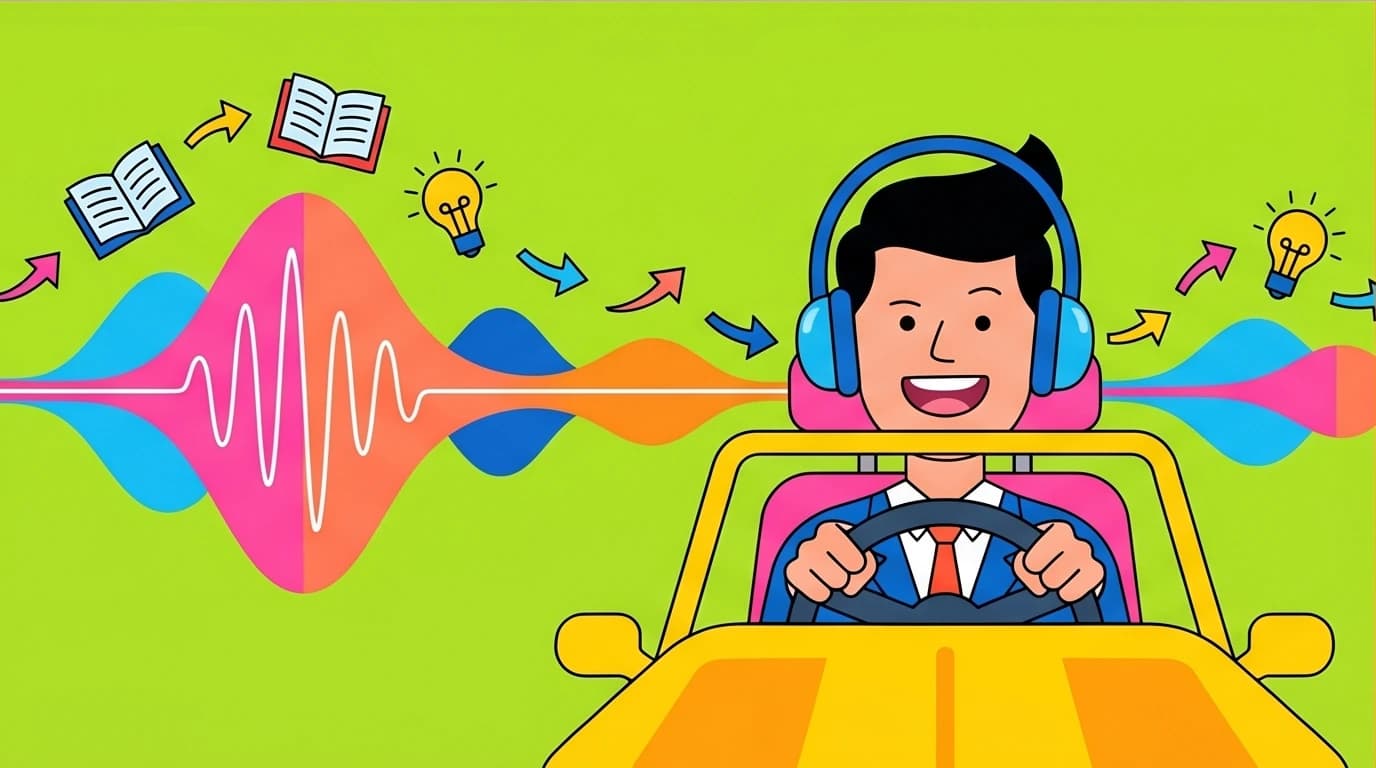
You likely spend hours every week driving, walking the dog, doing laundry, or standing in line at the grocery store. This is dead time. Converting this dead time into a mobile classroom is the single highest-return habit you can build.
Audio learning apps are the ultimate tool for the time-poor adult. Full-length audiobook platforms like Audible are great for deep dives, while microlearning apps like Blinkist, Headway, and LeapAhead are designed for maximum efficiency. LeapAhead, for instance, focuses on 15-minute audio and text summaries from a library of over 30,000 nonfiction books. This format allows you to set daily learning goals and absorb core concepts on leadership, productivity, or finance during a short commute. While these condensed formats excel at delivering key takeaways quickly, they may not satisfy learners seeking deep, academic nuance—a trade-off many busy professionals are willing to make. The key is to find a tool that fits into the pockets of your day.

Turn your commute into a classroom with 15-minute book summaries from LeapAhead. Learn faster and smarter on the go.
 LeapAhead
A 40-minute round-trip commute equals about 160 hours of drive time a year. If you play audiobooks at 1.5x speed, you can easily finish 30 to 40 books a year just by sitting in traffic.
For maximum efficiency, start with book summary apps. Instead of committing 10 hours to a full audiobook, listen to a 15-minute summary first. If the core concepts blow your mind, go buy the physical copy on Amazon or Barnes & Noble to dig deeper. If the summary gives you the gist, you just saved yourself 9.5 hours of fluff.
The 80/20 Rule of Knowledge Extraction
Most nonfiction books could be a long email. Most video courses could be half their length.
To learn efficiently, you must abandon the guilt of not finishing things. Give yourself permission to quit a book or a course the moment you extract the core value. Read the table of contents, jump to the three chapters that actually matter to your current project, take your notes, and put the book away.
Your goal is not a completion certificate. Your goal is behavioral change and skill acquisition.
Stop letting books pile up. Use LeapAhead to absorb the key ideas from bestsellers in minutes, not months.
LeapAheadThe concept of extracting only the core knowledge you need perfectly aligns with the principles of rapid skill acquisition. You do not need to dedicate 10,000 hours to a topic just to see practical benefits in your career. If you are looking for a step-by-step roadmap to go from total beginner to noticeably proficient in record time, The First 20 Hours is a phenomenal resource. It teaches you how to deconstruct any skill, focus entirely on the most crucial components, and overcome the initial barrier of feeling overwhelmed.
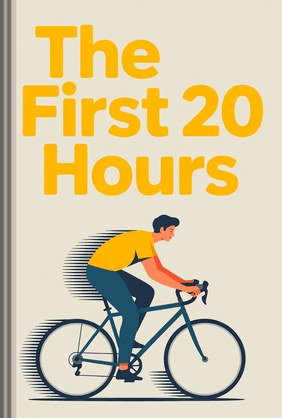
The First 20 Hours
Josh Kaufman
24 Duration11 Key Points4.7 RateThe "Capture and Apply" Framework
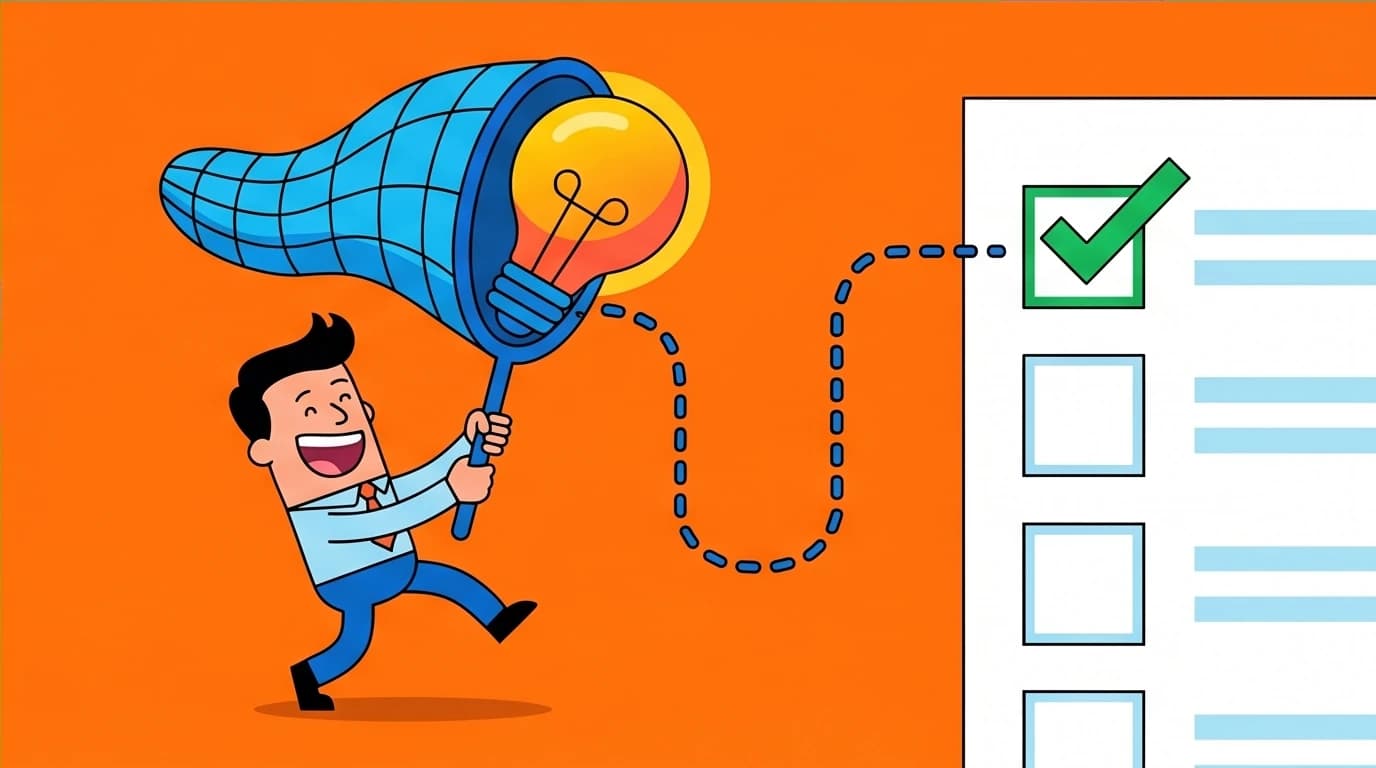
Consuming information fast means nothing if you forget it entirely by the next morning. Passive listening is the biggest trap of modern self-education. You can listen to ten hours of business strategy on Audible, but if you don't anchor that knowledge, it vanishes.
You need a lightweight capture system.
- The One-Sentence Rule: After you finish a podcast or a book chapter during your commute, take 30 seconds when you park your car to open Apple Notes. Write down exactly one actionable sentence. Not a summary. One thing you will actually try.
- Immediate Application: New skills decay rapidly if untested. If you learn a new Excel shortcut, open a spreadsheet and use it five times that same day. If you read a book on active listening, test the framework in your very next staff meeting.
- Teach It: The fastest way to solidify a concept is to explain it. Tell a coworker about the mental model you just learned. If you stumble through the explanation, you haven't grasped it yet.
Taking a few notes on your iPhone is a great start, but eventually, you will need a more robust way to organize all those valuable insights. If you want to stop forgetting the brilliant frameworks you hear on your commute, you should look into creating a personal knowledge management system. Building a Second Brain is the ultimate playbook for offloading information from your head into a reliable digital platform. It is a game-changer for busy professionals who want to ensure their captured knowledge is completely searchable and ready to apply.
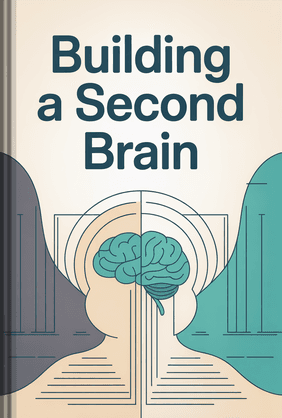
Building a Second Brain
Tiago Forte, André Santana, et al.
46 Duration9 Key Points4.4 RateCommon Pitfalls to Avoid
Even with the right intentions, busy learners often fall into traps that waste their limited time.
The "Preparation" Trap:
Spending three weeks researching the absolute best course, reading reviews, and buying high-end stationery. Stop planning. Pick a highly-rated, short resource and start immediately. Action creates momentum.
Spending three weeks researching the absolute best course, reading reviews, and buying high-end stationery. Stop planning. Pick a highly-rated, short resource and start immediately. Action creates momentum.
Ignoring Your Energy Levels:
Do not try to learn complex coding logic at 10 PM after a grueling workday. Your cognitive load is maxed out. Save deep, analytical learning for Saturday mornings when your mind is fresh. Use your low-energy evenings for light reading or passive audio consumption.
Do not try to learn complex coding logic at 10 PM after a grueling workday. Your cognitive load is maxed out. Save deep, analytical learning for Saturday mornings when your mind is fresh. Use your low-energy evenings for light reading or passive audio consumption.
Context Switching:
Trying to learn Spanish, digital marketing, and real estate investing all in the same week. Pick one specific, actionable skill per month. Saturate your environment with it. Listen to audio on that topic, read articles on that topic, and practice that topic. Focused intensity always beats scattered curiosity.
Trying to learn Spanish, digital marketing, and real estate investing all in the same week. Pick one specific, actionable skill per month. Saturate your environment with it. Listen to audio on that topic, read articles on that topic, and practice that topic. Focused intensity always beats scattered curiosity.
Avoiding traps like context switching and mental fatigue ultimately comes down to managing your attention. In an always-on corporate environment, finding the bandwidth to tackle tough subjects can feel nearly impossible. If you are struggling to carve out high-quality study time, Deep Work provides a fantastic framework. It is an essential read for anyone looking to cultivate the ability to focus without distraction. You will learn how to optimize your schedule, protect your energy levels, and make those brief weekend study sessions incredibly productive.
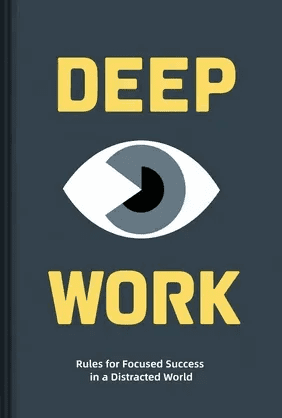
Deep Work
Cal Newport
47 Duration8 Key Points4.6 RateFAQ
Can book summaries actually replace reading the full book?
Yes, for about 80% of nonfiction books. Many business and self-help books are built around one or two core concepts padded with case studies. Summary apps extract the frameworks perfectly. Save full-book reading for dense, nuanced topics where the author's specific arguments and context are vital to understanding the subject.
Yes, for about 80% of nonfiction books. Many business and self-help books are built around one or two core concepts padded with case studies. Summary apps extract the frameworks perfectly. Save full-book reading for dense, nuanced topics where the author's specific arguments and context are vital to understanding the subject.
Is it possible to learn a hard, technical skill just by listening to audio?
No. Audio is strictly for conceptual knowledge, vocabulary building, and mindset shifts. You cannot learn to write Python or edit video via audio. For hard skills, you must use active self study methods: watch a short video tutorial, pause it, and immediately replicate the action on your own computer.
No. Audio is strictly for conceptual knowledge, vocabulary building, and mindset shifts. You cannot learn to write Python or edit video via audio. For hard skills, you must use active self study methods: watch a short video tutorial, pause it, and immediately replicate the action on your own computer.
How do I actually remember what I learn while commuting or exercising?
You need an active recall mechanism. Do not pause your run to take notes—it ruins the habit. Instead, use voice dictation. Tap the microphone icon on your phone and dictate a 10-second voice memo to yourself about the insight you just heard. Review those memos once a week on Sunday evening and organize them into your primary note-taking app.
You need an active recall mechanism. Do not pause your run to take notes—it ruins the habit. Instead, use voice dictation. Tap the microphone icon on your phone and dictate a 10-second voice memo to yourself about the insight you just heard. Review those memos once a week on Sunday evening and organize them into your primary note-taking app.
Why do I struggle to finish video courses even when I care about the topic?
Because video courses require high cognitive load and dedicated screen time, which are your scarcest resources. You are likely trying to consume them at the wrong time of day. If you must take a video course, treat it like a scheduled meeting. Block out 20 minutes on your calendar, watch one module, do the exercise, and close the tab. Do not binge-watch courses; treat them as interactive workshops.
Because video courses require high cognitive load and dedicated screen time, which are your scarcest resources. You are likely trying to consume them at the wrong time of day. If you must take a video course, treat it like a scheduled meeting. Block out 20 minutes on your calendar, watch one module, do the exercise, and close the tab. Do not binge-watch courses; treat them as interactive workshops.