

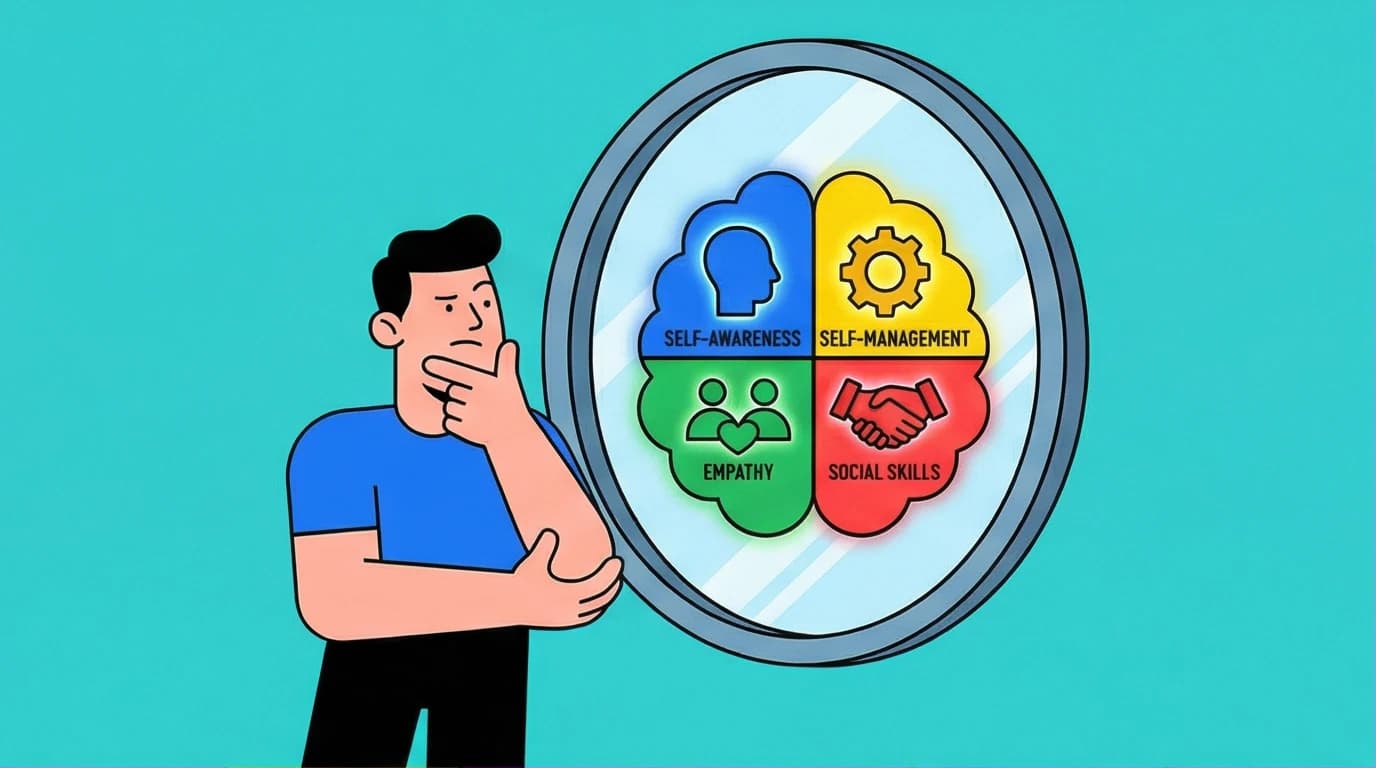
You just walked away from a conversation feeling completely misunderstood. Or maybe a colleague's reaction to your feedback caught you entirely off guard, leaving you confused about what went wrong. You review the interaction in your head, wondering if you missed a subtle social cue or struck the wrong tone. It is exactly this kind of everyday friction that makes you stop and ask: am I emotionally intelligent?
When relationships stall or workplace communication breaks down, raw intellect or technical skills cannot fix the problem. You need emotional intelligence (EQ). Unlike your IQ, which remains relatively static throughout your life, your EQ is a flexible skill set. You can train it, optimize it, and leverage it to navigate complex social environments. Before you can improve it, you need to know exactly where you stand.
The Framework: What an EQ Test Actually Evaluates
Before jumping into a self-assessment, you need to know the benchmark. Most accurate assessments trace their roots back to the framework popularized in the 1990s. If you take a professional eq test daniel goleman is usually the architect behind the underlying theory.
Goleman shifted the cultural focus away from pure academic intelligence and proved that emotional competencies matter more for leadership and life satisfaction. A standard emotional intelligence test breaks your emotional profile into four distinct quadrants:
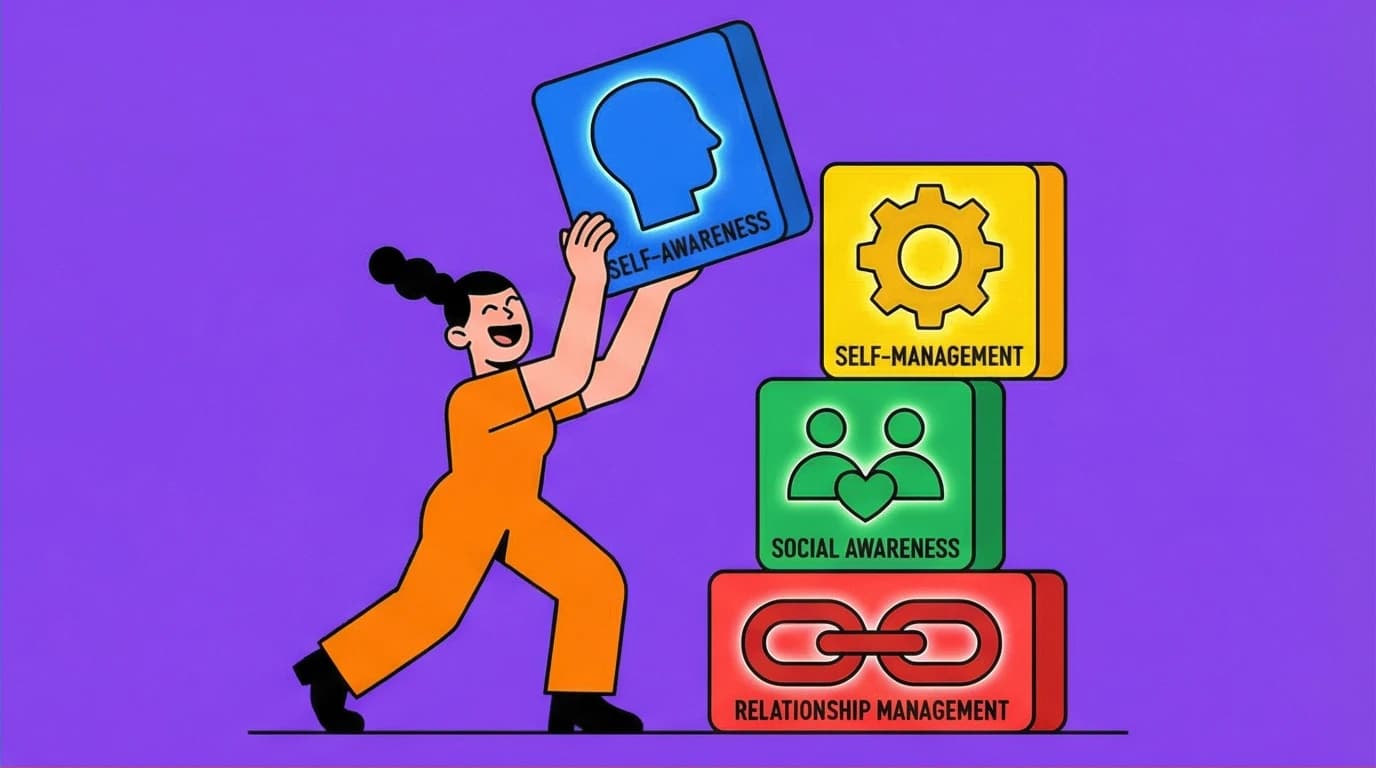
- Self-Awareness: Recognizing your own emotions as they happen.
- Self-Management: Controlling impulsive feelings and adapting to changing circumstances.
- Social Awareness: Empathy. Understanding the emotions, needs, and concerns of other people.
- Relationship Management: Inspiring, influencing, and developing others while managing conflict.
If you struggle in one quadrant, it heavily impacts the others. You cannot effectively manage conflict (Relationship Management) if you do not realize you are visibly angry (Self-Awareness). For a deeper look into Goleman's model and the core pillars that define your EQ, explore this detailed breakdown.
If you want to dive straight into the source material that started the modern conversation on EQ, Daniel Goleman’s groundbreaking work is a must-read. This is the exact foundational book mentioned earlier, and it provides a deep dive into the neuroscience and psychology of why emotional competencies often outshine pure intellect in the real world. Whether you're navigating a tough corporate ladder or just trying to build better personal connections, Goleman’s insights will completely reframe how you view intelligence.
Emotional Intelligence
Daniel Goleman, Ph.D.
 46 Duration
 8 Key Points
 4.6 Rate
The Emotional Quotient Quiz: Assess Your Baseline
To figure out your current level, take this foundational emotional quotient quiz. Read the following scenarios and statements. Be brutally honest with yourself. Rate how often each statement applies to you on a daily basis.
Part 1: Self-Awareness
- When I am stressed, I can immediately identify the physical signs in my body (e.g., tight shoulders, shallow breathing) before I snap at someone.
- I know exactly which specific behaviors from other people trigger my anger.
- I can accurately label my emotions instead of just saying "I feel bad." I know the difference between feeling disappointed, frustrated, and exhausted.
Part 2: Self-Management
- If someone cuts me off on the highway, making me brake suddenly, I can let the anger go within a few miles instead of letting it ruin my morning.
- When I receive harsh criticism at work, I pause and process the feedback instead of immediately getting defensive or attacking the other person.
- I can adapt to sudden changes in my schedule without losing my temper or shutting down.
Part 3: Social Awareness (Empathy)
- I can easily tell when a friend or coworker is upset, even if they insist they are "fine."
- In group settings, I naturally notice who is being left out of the conversation and try to bring them in.
- I listen to understand, rather than just waiting for my turn to speak.
Part 4: Relationship Management
- When I have a conflict with a partner or friend, I focus on resolving the specific issue rather than bringing up past mistakes.
- People frequently come to me for advice or comfort when they face difficult times.
- I know how to deliver negative feedback without crushing the other person's confidence.
How to score your results:
If you found yourself answering "rarely" or "sometimes" to most of these statements, you have located your exact EQ blind spots. If you answered "always" to the Self-Awareness questions but "rarely" to the Relationship Management questions, your focus needs to shift outward. You know how you feel, but you are failing to translate that into healthy interactions with others.
If you found yourself answering "rarely" or "sometimes" to most of these statements, you have located your exact EQ blind spots. If you answered "always" to the Self-Awareness questions but "rarely" to the Relationship Management questions, your focus needs to shift outward. You know how you feel, but you are failing to translate that into healthy interactions with others.


LeapAhead

Identified your EQ weak spots? LeapAhead offers curated learning plans on self-awareness and relationship management to help you improve your score, one book at a time.
Once you've identified your baseline score and pinpointed your emotional blind spots, you might be wondering about the next practical steps. Taking an assessment is only half the battle; the real work lies in daily application.
If you're looking for a structured, step-by-step guide to boosting your score across all four quadrants, there is an excellent resource packed with proven strategies. It takes the guesswork out of improving your self-awareness and relationship management, offering actionable habits you can start using at the office or at home today.
Emotional Intelligence 2.0
Travis Bradberry, Jean Greaves
19 Duration8 Key Points4.6 RateHow to Measure Emotional Intelligence Beyond a Single Quiz
Taking an online assessment is a great first step, but emotional intelligence is contextual. You act differently in a high-stress boardroom than you do at the dinner table. If you want to know how to measure emotional intelligence accurately, you must look at your real-world behavioral data.
The 360-Degree Feedback Loop
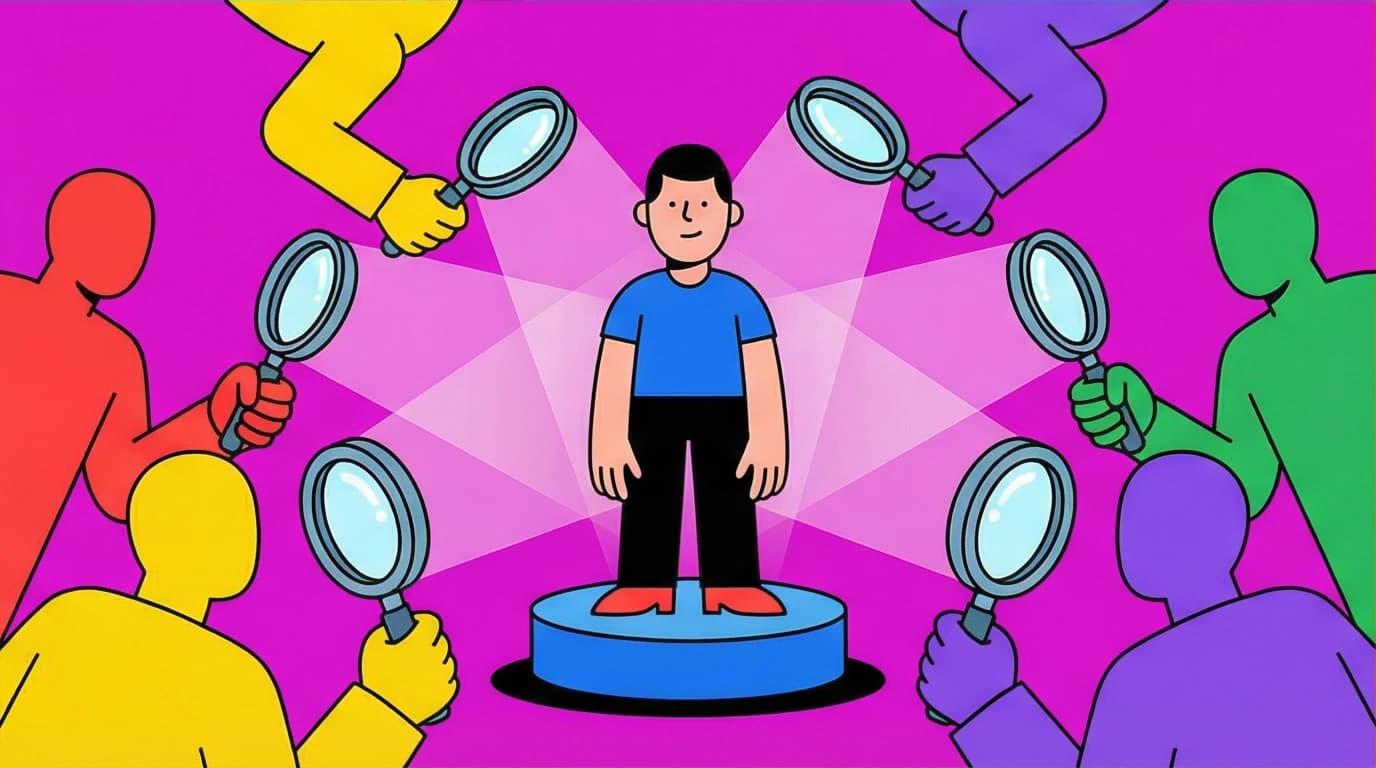
The biggest hurdle in measuring your own EQ is the "blind spot" effect. We judge ourselves by our intentions, but others judge us by our behavior.
To get real data, ask three people you trust—a coworker, a close friend, and a family member—a single, slightly uncomfortable question: "When we disagree or when I am under pressure, what is it like to be on the receiving end of my behavior?"
Tell them you are actively working on your personal growth and need absolute honesty. Their answers are the most accurate emotional intelligence test you will ever take.
Asking for absolute honesty from colleagues and family members can be incredibly nerve-wracking. When those conversations uncover uncomfortable truths about how you handle pressure, you need the right tools to navigate the fallout and rebuild trust. Learning how to talk through high-stakes, emotionally charged disagreements without getting defensive is a game-changer. If you struggle to keep your cool when the stakes are high and opinions vary, mastering the art of dialogue will dramatically elevate your relationship management skills.
Crucial Conversations
Kerry Patterson, Joseph Grenny, Ron McMillan, Al Switzer
20 Duration9 Key Points4.7 RateTrack Your Refractory Period
Your refractory period is the amount of time it takes you to recover from a strong emotional trigger. Let’s say your boss dismisses your project in a meeting. Do you harbor resentment for three days, complaining to everyone who will listen? Or do you process the frustration, recalibrate, and ask for a private feedback session that afternoon?
Measure the hours or days it takes you to return to a baseline of calm. High EQ individuals have remarkably short refractory periods. Shrinking this recovery time is a highly effective way to track your progress.
Leverage Dedicated Resources
Do not try to reinvent the wheel. If you realize your baseline is lower than you thought, treat EQ like any other hard skill. Pick up Goleman’s foundational book on Amazon, browse the self-improvement section at Barnes & Noble, or listen to case studies on Audible during your commute. The more vocabulary and frameworks you expose yourself to, the faster you will recognize these patterns in your own life.
Use Microlearning Apps like LeapAhead
In a world of fragmented attention, sitting down with a dense psychology book can feel daunting. Microlearning apps offer a modern solution by distilling the core concepts of bestselling nonfiction into digestible 15-minute summaries, available in both audio and text formats. This approach allows you to absorb key ideas about emotional intelligence during a commute, at the gym, or on a short break.
One of the strongest contenders in this space is LeapAhead. With a massive library of over 30,000 titles, it covers virtually every major book on emotional intelligence, leadership, and communication. The app helps you build a consistent learning habit through features like daily goal setting and personalized recommendations, turning small pockets of free time into genuine opportunities for growth.
- What we like: The dual-format (audio and text) summaries are incredibly convenient for busy schedules. Its curated learning plans on topics like "Career Success" or "Improving Relationships" provide a structured path to improving specific EQ skills, rather than just random reading.
- What to consider: As with any summary service, you're getting the essential framework, not the full nuance and detailed case studies of the original book. For academic research or readers who crave deep, immersive learning, it's a supplement, not a replacement. Additionally, its experience is designed for mobile, which may feel limiting for users who prefer to study on a desktop.
Best for: Busy professionals who want to build a consistent learning habit and understand the core principles of emotional intelligence without committing to full-length books.
LeapAhead
Start building your emotional intelligence in just 15 minutes a day. LeapAhead delivers key insights from bestselling EQ books directly to your phone.
Common Blind Spots and Traps to Avoid
Many people who think they have high emotional intelligence actually suffer from severe blind spots. Watch out for these common traps.
The "Brutally Honest" Myth

People who pride themselves on being "brutally honest" usually lack empathy. They deliver feedback without considering the recipient's emotional state. High EQ means recognizing that the delivery of the truth is just as important as the truth itself. If your honesty damages the relationship permanently, your social awareness failed.
Confusing Empathy with Agreement
Empathy does not mean you have to agree with someone's unreasonable behavior. It means you understand the emotion driving it. You can validate someone's frustration without validating their poor actions. Mastering this distinction allows you to set firm boundaries while remaining emotionally connected.
Empathy does not mean you have to agree with someone's unreasonable behavior. It means you understand the emotion driving it. You can validate someone's frustration without validating their poor actions. Mastering this distinction allows you to set firm boundaries while remaining emotionally connected.
Suppressing Instead of Managing
Self-management is not about swallowing your emotions and pasting on a fake smile. If you just push anger down, it acts like a pressure cooker and eventually explodes. True self-management involves feeling the anger, recognizing it, and channeling it into a constructive conversation rather than an outburst.
Self-management is not about swallowing your emotions and pasting on a fake smile. If you just push anger down, it acts like a pressure cooker and eventually explodes. True self-management involves feeling the anger, recognizing it, and channeling it into a constructive conversation rather than an outburst.
Moving past the urge to just swallow your emotions requires a fundamental shift in how you process your inner life. Instead of viewing frustration or sadness as liabilities that need to be hidden away, you can learn to use them as valuable data points. Giving yourself the grace to actually experience and accurately label your feelings is the cornerstone of true self-management. If you want to stop the cycle of emotional suppression and build a healthier, more authentic relationship with your own mind, this powerful exploration of emotional well-being is highly recommended.
Permission to Feel
Marc Brackett, Ph.D.
18 Duration7 Key Points4.7 RateWhile these skills are invaluable for personal growth, they are absolutely critical in a professional context. The ability to manage teams, navigate corporate politics, and inspire action is directly tied to EQ.
FAQ
Can you actually increase your EQ, or is it fixed?
Unlike IQ, which remains largely stable throughout your adult life, EQ is highly malleable. Emotional intelligence is a set of learned skills, habits, and neural pathways. With deliberate practice—such as active listening, emotional journaling, and soliciting feedback—you can drastically increase your EQ at any age.
Unlike IQ, which remains largely stable throughout your adult life, EQ is highly malleable. Emotional intelligence is a set of learned skills, habits, and neural pathways. With deliberate practice—such as active listening, emotional journaling, and soliciting feedback—you can drastically increase your EQ at any age.
Are online emotional intelligence tests accurate?
Online tests provide a great starting point for self-reflection, but they rely entirely on self-reporting. If you lack self-awareness, you will likely answer the questions inaccurately. The most accurate measurement combines self-assessment with external feedback from colleagues and friends.
Online tests provide a great starting point for self-reflection, but they rely entirely on self-reporting. If you lack self-awareness, you will likely answer the questions inaccurately. The most accurate measurement combines self-assessment with external feedback from colleagues and friends.
Is EQ more important than IQ for career success?
Yes, in most professional environments. While IQ gets you hired and helps you understand the technical aspects of your job, EQ is what gets you promoted. Leadership, negotiation, and teamwork all rely heavily on emotional intelligence. Research consistently shows that top performers in leadership roles score exceptionally high in EQ.
Yes, in most professional environments. While IQ gets you hired and helps you understand the technical aspects of your job, EQ is what gets you promoted. Leadership, negotiation, and teamwork all rely heavily on emotional intelligence. Research consistently shows that top performers in leadership roles score exceptionally high in EQ.
How long does it take to improve emotional intelligence?
You can start noticing behavioral shifts in a matter of weeks by practicing basic pauses (e.g., waiting 5 seconds before responding to an angry email). However, rewriting deep-rooted emotional responses and defensive habits typically takes several months of consistent effort and self-reflection.
You can start noticing behavioral shifts in a matter of weeks by practicing basic pauses (e.g., waiting 5 seconds before responding to an angry email). However, rewriting deep-rooted emotional responses and defensive habits typically takes several months of consistent effort and self-reflection.