

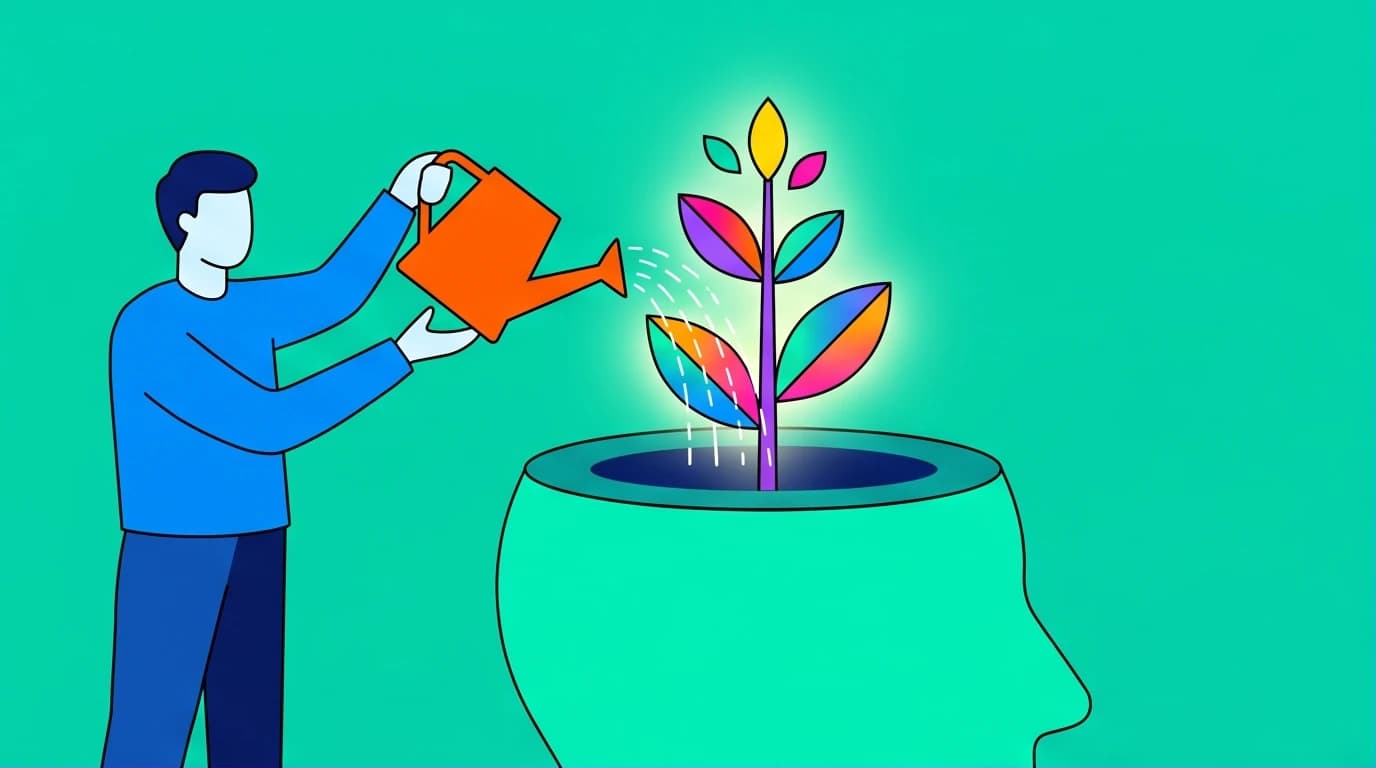
You probably know the feeling: you care deeply about someone, maybe even obsess over them, yet the relationship constantly leaves you drained, insecure, or on edge. We are taught from a young age that love is a magical, uncontrollable force that just happens to us. But when that magic fades and leaves a mess behind, you start questioning what went wrong.
The late author and cultural critic bell hooks saw this modern relationship crisis clearly. In her groundbreaking book All About Love: New Visions—a constant bestseller on Amazon and a staple recommendation in therapy offices across the US—she completely dismantles the fairy tales we were sold. If you want to stop hurting in relationships, you have to completely rewire how you understand the concept of love.
Love is a Verb, Not a Noun
The most critical shift in understanding the core bell hooks definition of love is moving it from a noun to a verb.
We usually talk about love as something we "fall into." You trip, you fall, and suddenly you are in love. hooks argues that this passive view is incredibly dangerous. When we view love as something that just happens to us beyond our control, we strip ourselves of accountability. If you "fall" out of love, it is just bad luck. If your partner treats you terribly but claims they "love you," the intense feeling is used as an excuse for bad behavior.
Instead, hooks adopted the definition originally coined by psychiatrist M. Scott Peck: Love is the will to extend one's self for the purpose of nurturing one's own or another's spiritual growth.
Love is an act of will. It is an intention followed by action. You choose to love. You choose to engage in behaviors that nurture your partner's growth, and they do the same for you. If the actions are not there, the love is not there—no matter how strong the butterflies in your stomach feel.
Her direct and powerful words often make this concept click. To see how she articulates these ideas throughout her work, you can explore some of her most memorable insights.
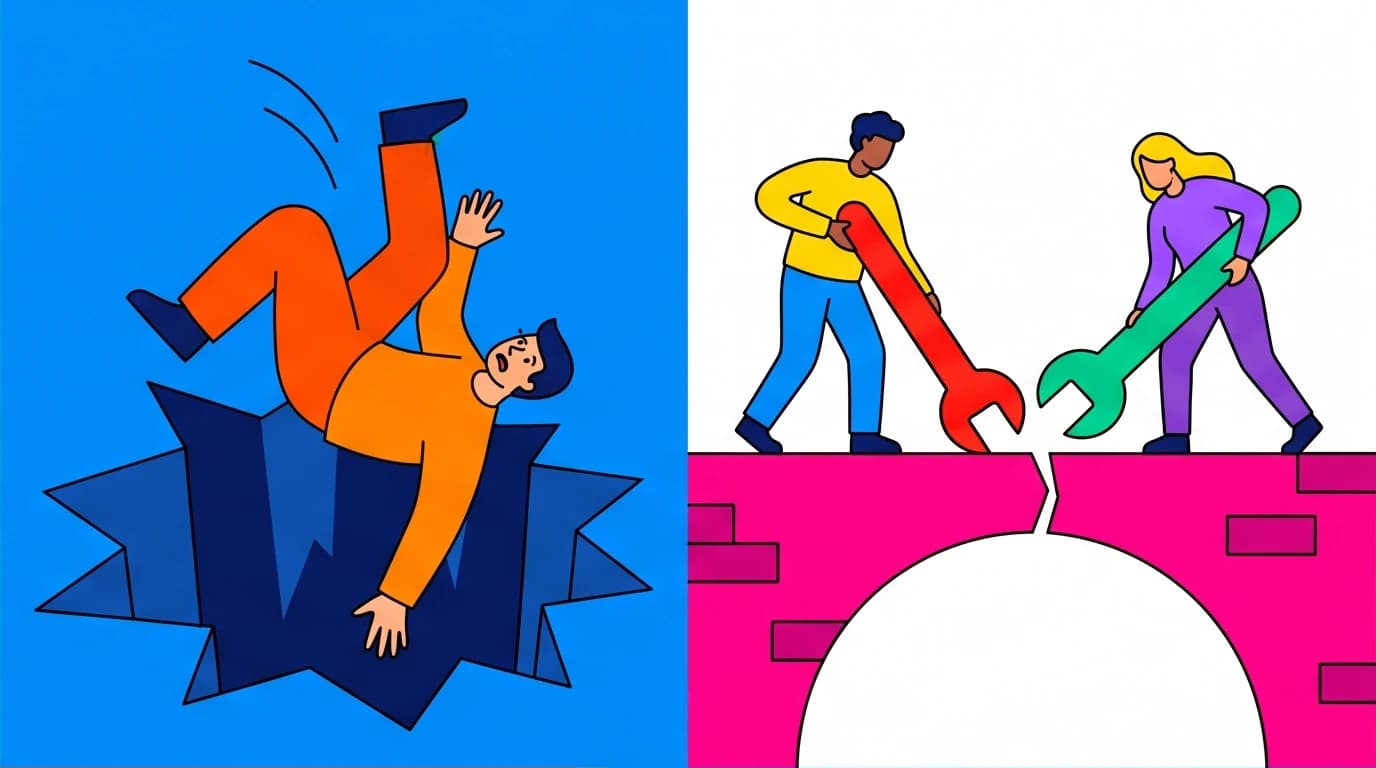
Since hooks actually pulled her transformative definition of love directly from psychiatrist M. Scott Peck, diving into his foundational work is a fantastic next step. If you're fascinated by the idea of love as an act of will rather than a fleeting emotion, his classic book expands on this concept brilliantly. It helps readers understand the deep connection between spiritual growth, personal discipline, and authentic love, making it a perfect companion read to understand the psychological framework behind hooks' arguments.
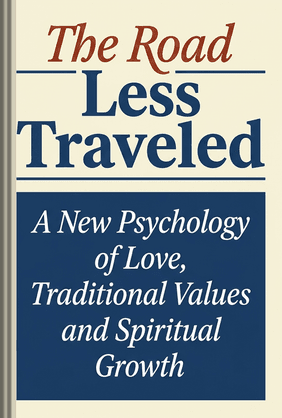
The Road Less Traveled
M. Scott Peck, M.D.
 43 Duration
 7 Key Points
 4.5 Rate
The Six Ingredients: Decoding the "All About Love" Meaning
When diving into the all about love meaning, you quickly realize that hooks leaves no room for ambiguity. She argues that true love cannot exist as an abstract concept. It requires a specific recipe. If any of these six ingredients are missing, what you are experiencing might be attachment, desire, or dependency—but it is not love.

1. Care
Care is the baseline. It means actively attending to someone's physical and emotional needs. It is the effort you put in to ensure your partner feels safe and supported after a brutal day at work. Care is the foundation, but hooks explicitly notes that care alone is not love. Parents care for their children, but they can still be emotionally abusive.
2. Affection
Affection is the physical and emotional warmth that bridges the gap between two people. It is holding hands, a deliberate hug, or a kind word that signals to the other person that they are valued. It is the active expression of your fondness.
3. Recognition
This is where many modern relationships fail. Recognition means seeing your partner for who they actually are, not who you want them to be. You are not projecting a fantasy onto them. You see their flaws, their quirks, and their unique identity, and you accept them. You cannot love someone if you are only in love with their potential.
4. Respect
Respect is the refusal to dominate or control. In American culture, we often confuse jealousy and control with passion. hooks argues that respect means allowing the other person to be autonomous. You honor their boundaries. You do not check their phone while they sleep. You do not dictate who they spend time with.
5. Commitment
Commitment is the active choice to stick around and do the work when the initial honeymoon phase ends. It means staying dedicated to the mutual growth of the relationship, even when you have a frustrating disagreement about finances or household chores.
6. Trust
Trust is the environment where all the other ingredients can survive. It is the deep-seated safety of knowing your partner will not betray your vulnerability. Without trust, you are constantly in a defensive posture, which makes the active practice of love impossible.
If you want to fully internalize these six ingredients and permanently change how you view your relationships, you absolutely need to read the source material. This masterpiece by bell hooks is a foundational read that completely breaks down our cultural illusions about romance. It is one of those rare, life-altering books that will have you underlining nearly every page as you unlearn toxic habits and discover what true, active care and commitment really look like in everyday life.

All About Love
bell hooks
44 Duration8 Key Points4.6 RateFor those who prefer to absorb information while driving or doing chores, listening to the book can be an equally transformative experience.
If the idea of adding another life-changing book to your to-read pile feels overwhelming, there’s a way to start absorbing these powerful concepts without the time commitment.


LeapAhead

Grasp the core lessons from bell hooks' *All About Love* and other relationship-changing books in minutes, perfect for when you're too busy for a full read.
Abuse and Love Cannot Coexist
When looking at the psychology of love bell hooks presents, there is one profound, uncompromising rule: love and abuse are mutually exclusive.
Culturally, we are fed a toxic narrative. Think about the movies we watch or the books we buy at Barnes & Noble. We are taught that someone can treat you terribly, lie to you, manipulate you, or even hit you, but still "love" you deep down inside. We separate the feeling of love from the action of abuse.
hooks rejects this completely. Because love is defined by actions that nurture growth (respect, care, trust), any action that destroys growth (abuse, manipulation, neglect) cancels out the love.
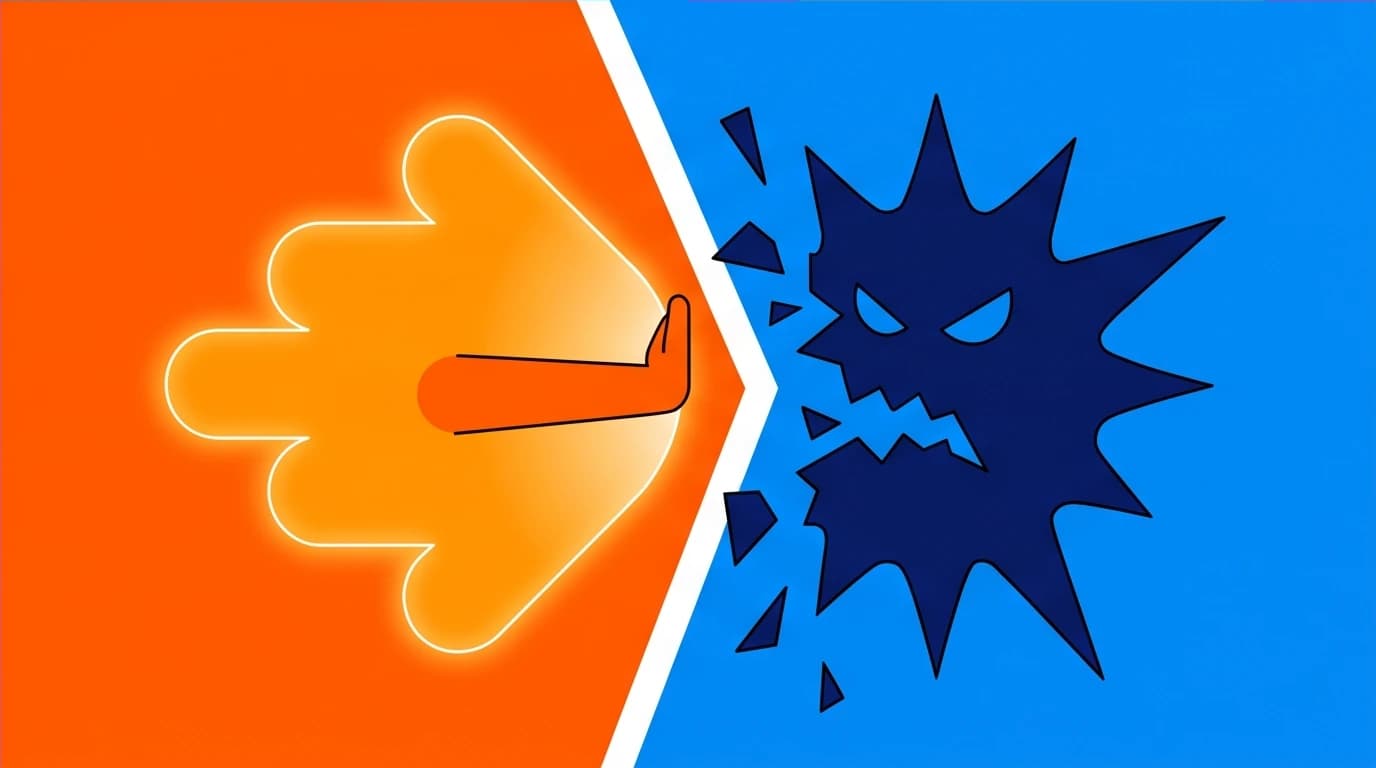
Your partner cannot say, "I love you, I just have a bad temper."
A parent cannot say, "I beat you because I love you."
A parent cannot say, "I beat you because I love you."
If someone is abusing you, they are not loving you. Period. Accepting this single psychological shift can give people the clarity they need to finally walk away from toxic dynamics. It removes the confusing cognitive dissonance of trying to reconcile a partner's cruel actions with their romantic words.
How to Love Better: bell hooks’ Practical Playbook
Understanding the theory is only half the battle. The core of this philosophy is action. If you are trying to figure out how to love better, bell hooks offers a clear roadmap that applies to romantic relationships, friendships, and family dynamics.
Start with Radical Self-Love
You cannot practice the six ingredients of love with someone else if you do not practice them on yourself. Self-love is not just about buying a bath bomb on Amazon or taking a weekend trip. It is about self-recognition and self-respect. It means setting rigid boundaries. It means trusting your own intuition when something feels wrong. If you continually abandon yourself to keep a partner happy, you are not acting in love.
Radical self-love sounds great in theory, but putting it into practice often requires learning a completely new skill set—specifically, knowing how to establish and enforce your limits. If you struggle with people-pleasing or feel guilty when you advocate for your own needs, learning how to set healthy boundaries is a game-changer. This practical guide will walk you through exactly how to communicate your limits clearly, helping you protect your energy and build the self-respect that hooks argues is essential for real love.
Set Boundaries, Find Peace
Nedra Glover Tawwab
29 Duration10 Key Points4.5 RateCommunicate with Complete Honesty
hooks believed that lies destroy the capacity for love. Even the small, seemingly harmless lies we tell to avoid conflict eventually erode trust. To love better, you have to practice radical honesty. This means communicating your actual needs instead of expecting your partner to read your mind. It means having the uncomfortable conversation about your budget or your sexual desires without hiding behind a mask.
Embrace Conflict as a Tool for Growth
Because love aims to nurture spiritual and emotional growth, conflict is inevitable. You are two different people. However, intentional love changes how you fight. Instead of fighting to win or to punish the other person, you fight to resolve. You maintain respect and care even when you are furious. You do not hurl insults meant to tear the other person down, because that violates the core definition of love.
Navigating conflict without resorting to insults or defensive behavior is incredibly challenging, especially when emotions are running high. To truly fight for resolution rather than victory, you need a reliable framework for expressing your feelings without placing blame. Mastering this style of empathetic, honest dialogue is vital for nurturing growth in any partnership. If you are looking for a practical method to overhaul the way you communicate during disagreements, this transformative resource will teach you how to be heard while still holding onto respect and care.
Nonviolent Communication
Marshall B. Rosenberg, Ph.D.
53 Duration9 Key Points4.7 RateBuild a "Love Ethic"
Do not save your love just for a romantic partner. hooks argues that our cultural obsession with romantic couples leaves us isolated. Apply the ingredients of love—care, affection, recognition, respect, commitment, and trust—to your friendships and your community. A healthy life is supported by a broad network of loving actions, not just one person trying to fulfill every emotional need you have.
The Freedom of Intentional Love
Shifting your mindset to match the bell hooks definition of love is not easy. It forces you to look in the mirror and realize that maybe you have not been loving your partner well. It might make you realize that a relationship you have clung to for years lacks the fundamental ingredients of real love.
But this realization is deeply liberating. When love becomes an action and a choice, you are no longer a victim of mysterious romantic forces. You hold the power. You can wake up every day and choose to act with care, respect, and trust. And you can demand exactly the same in return.
If you're ready to continue this journey of intentional learning but feel too exhausted after work to pick up another book, you can still nurture your own growth on the go.
LeapAhead
Turn your commute or workout into learning time by listening to key insights from bestselling books on relationships, communication, and self-love in just 15 minutes.
FAQ
Is love a choice or a feeling according to bell hooks?
According to hooks, love is absolutely a choice. While you might experience the feeling of attraction or affection involuntarily (often called "cathexis" or attachment), actual love requires the conscious, daily choice to act in ways that nurture another person's emotional and spiritual growth.
According to hooks, love is absolutely a choice. While you might experience the feeling of attraction or affection involuntarily (often called "cathexis" or attachment), actual love requires the conscious, daily choice to act in ways that nurture another person's emotional and spiritual growth.
Can you love someone and still be toxic or abusive to them?
No. This is one of hooks' most firm stances. Because love is defined by actions that support growth, respect, and trust, abusive behaviors directly contradict love. A person might feel strong attachment or possessiveness toward you, but if they are abusing you, they are not loving you.
No. This is one of hooks' most firm stances. Because love is defined by actions that support growth, respect, and trust, abusive behaviors directly contradict love. A person might feel strong attachment or possessiveness toward you, but if they are abusing you, they are not loving you.
Why does bell hooks say romantic love is a myth?
She does not say that romance itself is a myth, but rather that the mainstream American narrative of "falling in love" is a dangerous fantasy. Pop culture teaches us that love is effortless, cures all problems, and requires zero skills. hooks calls this a myth because real love requires intense effort, intention, and continuous self-reflection.
She does not say that romance itself is a myth, but rather that the mainstream American narrative of "falling in love" is a dangerous fantasy. Pop culture teaches us that love is effortless, cures all problems, and requires zero skills. hooks calls this a myth because real love requires intense effort, intention, and continuous self-reflection.
How do I apply bell hooks' definition to dating?
Stop looking for someone who just gives you intense "butterflies" and start evaluating their actions. Does this person show you consistent care? Do they respect your boundaries? Are they honest? Look for a partner who demonstrates the six ingredients (care, affection, recognition, respect, commitment, trust) rather than just someone who says all the right romantic words.
Stop looking for someone who just gives you intense "butterflies" and start evaluating their actions. Does this person show you consistent care? Do they respect your boundaries? Are they honest? Look for a partner who demonstrates the six ingredients (care, affection, recognition, respect, commitment, trust) rather than just someone who says all the right romantic words.