


You are likely swiping through dating apps, sitting on your couch after a draining argument with a partner, or staring at a blank journal page wondering why modern romance feels so complicated. American culture teaches us that love is something you "fall" into—a mystical force that happens by chance. We buy into the Hollywood narrative, only to end up disappointed when the initial spark fades and the real work begins.
Visionary author and cultural critic bell hooks dismantles this illusion entirely. In her seminal book, she strips away the romanticized fluff and gives us a grounded, actionable framework for what it actually means to care for another human being. If you are looking for the best quotes from All About Love to inspire your own healing journey, share with your Goodreads community, or use as a daily anchor, this guide breaks down her most transformative words.
For those who want a chapter-by-chapter overview of the book's foundational arguments before diving into these specific quotes, a comprehensive summary can provide valuable context.
If you haven't yet read the foundational text that inspired this movement toward conscious connection, this is your sign to grab a copy. While these quotes offer powerful glimpses into her philosophy, diving into the complete book will fundamentally shift how you view relationships, family, and your own self-worth. It is an essential addition to your bookshelf if you want to navigate modern romance with true clarity and intention.

All About Love
bell hooks
 44 Duration
 8 Key Points
 4.6 Rate
Redefining the Noun: The Foundation of hooks' Philosophy
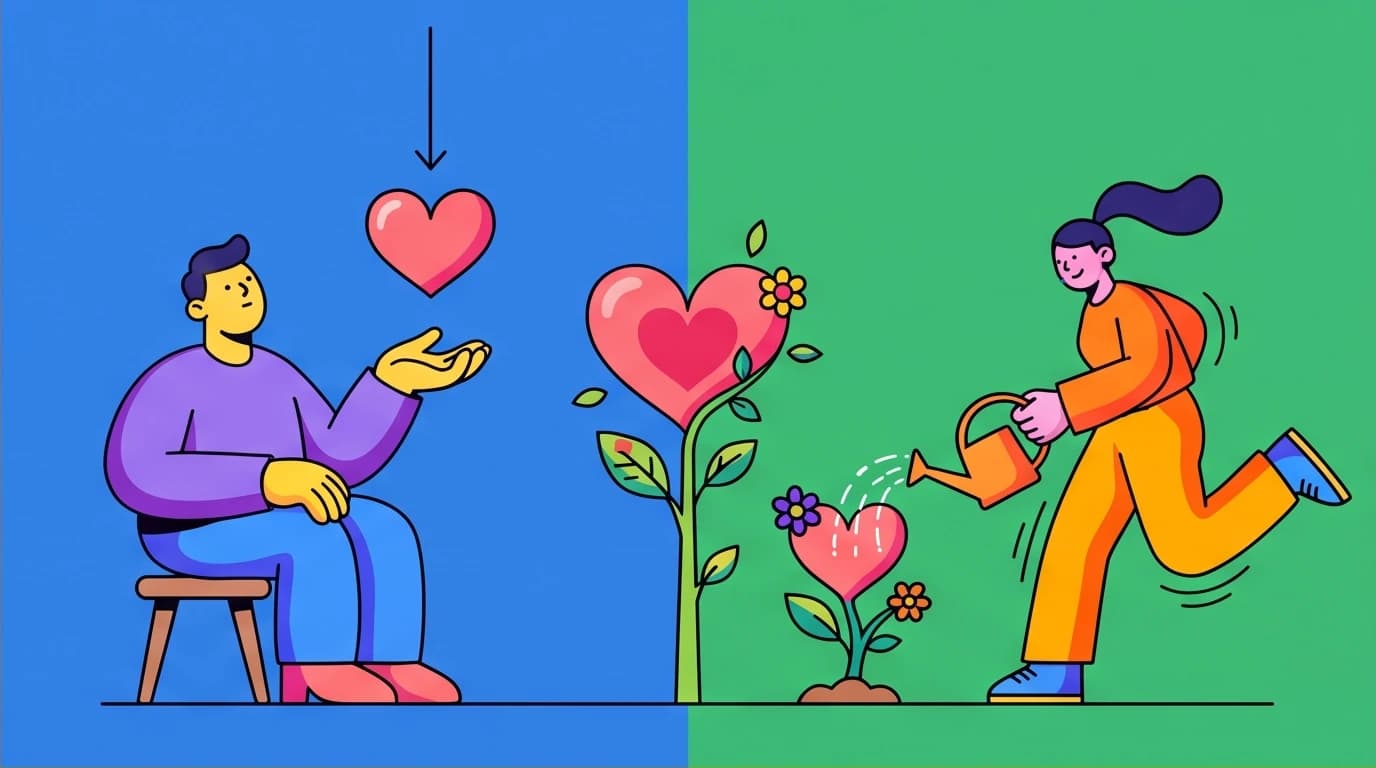
The biggest mistake we make in relationships is treating love like an object we can acquire or a passive state we enter. Hooks argues that this linguistic misunderstanding is the root of our relational failures.
"The word 'love' is most often defined as a noun, yet we would all love better if we used it as a verb."
The Insight: When you treat love as a noun, you wait for it to arrive. You expect it to fix you. When you redefine it as a verb, you take accountability. Love becomes something you do when you wake up in the morning. It is the active practice of patience, listening, and showing up even when it is inconvenient. If a relationship is failing, asking "Are we still doing the work of loving?" yields much better answers than "Are we still in love?"
"To truly love we must learn to mix various ingredients—care, affection, recognition, respect, commitment, and trust, as well as honest and open communication."
The Insight: This is the ultimate checklist for any connection. Society often tells us that intense affection or overwhelming chemistry is enough to sustain a partnership. Hooks bluntly reminds us that affection without respect is hollow. Commitment without honest communication breeds resentment. You cannot bake a cake with just sugar, and you cannot build a healthy relationship using only attraction.
This multi-faceted approach is central to her work. For a more detailed breakdown of her philosophy and how she arrived at this revolutionary framework, it's worth exploring her core definition of love in greater detail.
Interestingly, bell hooks’ perspective on love as an active practice was deeply influenced by the mid-century psychoanalyst Erich Fromm. If you are fascinated by the idea of love as a verb rather than a fleeting emotion, exploring the psychological roots of this concept can be incredibly eye-opening. This classic work beautifully complements hooks’ teachings, a timeless look at why sustaining genuine affection requires discipline, patience, and daily commitment.

The Art of Loving
Erich Fromm
19 Duration7 Key Points4.7 RateIf diving into multiple philosophical texts feels like a big commitment, you're not alone. Many of us struggle to find the time for deep reading, even when the topics are essential for our growth.


LeapAhead

Absorb the core lessons from complex books like All About Love and The Art of Loving in just 15 minutes, making it easier to start your healing journey today.
bell hooks Quotes on Relationships and Romantic Illusions
Modern dating often masks deep insecurities. We use other people to avoid ourselves. Some of the most piercing bell hooks quotes on relationships force us to look in the mirror and evaluate why we actually seek out partners.
"To return to love, to get the love we always wanted but never had, to have the love we want but are not prepared to give, we seek romantic relationships. We believe these relationships, more than any other, will rescue and redeem us. True love does have the power to redeem but only if we are ready for redemption. Love saves us only if we want to be saved."
The Insight: This tackles the "savior complex" head-on. You cannot use a partner as a band-aid for your childhood trauma. A romantic relationship will not magically cure your anxiety or your fear of abandonment. Healing is an inside job; a healthy relationship simply provides a safe environment for that internal work to happen.
"Love and abuse cannot coexist."
The Insight: Perhaps the most vital five words in the entire book. Many of us grew up in households where parents equated strict discipline, emotional manipulation, or even physical harm with "doing it out of love." Hooks breaks this generational curse. If someone is hurting you, diminishing your worth, or controlling your choices, they are not loving you. Period. Recognizing this is the first step in setting firm boundaries.

"Awakening to love can happen only as we let go of our obsession with power and domination."
The Insight: Look at how couples fight. Who gets the last word? Who controls the finances? Who dictates the social calendar? A relationship built on a power struggle is a relationship devoid of genuine love. True connection requires mutual surrender and the willingness to operate as a team rather than as competitors.
Recognizing that genuine love cannot exist alongside control or emotional manipulation is a massive breakthrough, but actually enforcing that standard in your life is the hard part. If you struggle with people-pleasing or finding the courage to advocate for your needs, learning to establish clear limits is non-negotiable. This empowering guide provides practical steps for protecting your energy and speaking up without guilt—essential skills for building the balanced, respectful partnerships hooks describes.
Set Boundaries, Find Peace
Nedra Glover Tawwab
29 Duration10 Key Points4.5 RateSolitude, Self-Worth, and Personal Healing
You cannot pour from an empty cup. Before you can execute the "verb" of loving someone else, you have to master your relationship with yourself. Hooks frequently touches on the American epidemic of loneliness and our desperation to escape it.
"But many of us seek community solely to escape the fear of being alone. Knowing how to be solitary is central to the art of loving. When we can be alone, we can be with others without using them as a means of escape."
The Insight: If you jump from relationship to relationship because sitting alone in your apartment on a Friday night terrifies you, you are not seeking love. You are seeking an anesthetic. Mastering solitude means learning to enjoy your own company. Once you stop needing people to distract you from your own thoughts, you can start choosing people because they actually add value to your life.

"Do not expect to receive the love from someone else you do not give yourself."
The Insight: This is the harsh reality of self-esteem. If you constantly criticize your body, belittle your own achievements, and ignore your own boundaries, you will subconsciously accept partners who treat you exactly the same way. You set the baseline for how others are allowed to engage with you.
Taking hooks’ advice to heart means you must first confront the deep-seated patterns keeping you stuck in a cycle of low self-worth. If you are ready to stop accepting breadcrumbs and finally build a solid relationship with yourself, it is time to get proactive about your healing. This highly actionable read offers a clear framework for overcoming self-sabotaging behaviors and childhood conditioning, allowing you to become the healthy, whole person who is truly ready for love.
How to Do the Work
Dr. Nicole LePera
47 Duration10 Key Points4.6 RateAll About Love Quotes With Page Numbers (For Citations & Journaling)
Whether you are writing a sociology paper, compiling notes for your book club, or curating your reading aesthetic on social media, exact citations matter. Below are the most requested All About Love quotes with page numbers. (Note: These citations align with the widely circulated Harper Perennial paperback edition, often found at Barnes & Noble and Amazon. Slight variations may occur depending on your specific print run or Kindle format).
- Page 4: "The word 'love' is most often defined as a noun, yet we would all love better if we used it as a verb."
- Page 4: "Love is an act of will—namely, both an intention and an action. Will also implies choice. We do not have to love. We choose to love."
- Page 5: "To truly love we must learn to mix various ingredients—care, affection, recognition, respect, commitment, and trust, as well as honest and open communication."
- Page 15: "True love does have the power to redeem but only if we are ready for redemption. Love saves us only if we want to be saved."
- Page 24: "When we understand love as the will to nurture our own and another's spiritual growth, it becomes clear that we cannot claim to love if we are hurtful and abusive. Love and abuse cannot coexist."
- Page 43: "Knowing how to be solitary is central to the art of loving. When we can be alone, we can be with others without using them as a means of escape."
- Page 87: "Awakening to love can happen only as we let go of our obsession with power and domination."
- Page 137: "There can be no love without justice."
If these quotes spark your curiosity and you're ready to discuss the book's major themes with others, you may find discussion prompts helpful.
How to Actually Apply These Words to Your Life
Reading bell hooks love quotes and highlighting them in your Kindle is only the first step. The true value of her work lies in execution. If you want to honor the core intent of her philosophy, you have to change your behavior.
- Audit Your Ingredients: Look at your current relationship (or your closest friendships). Run them through hooks' seven ingredients: care, affection, recognition, respect, commitment, trust, and communication. Where is the deficit? Have a direct conversation about the missing element.
- Stop Using Passive Language: Remove phrases like "I fell out of love" from your vocabulary. Replace it with "We stopped choosing each other" or "We stopped doing the work required to maintain our connection." This forces accountability.
- Evaluate Your Motivations: The next time you feel desperate to text an ex or swipe on Tinder because you are bored on a Sunday evening, stop. Ask yourself if you are looking for connection, or if you are just trying to escape the discomfort of your own solitude. Choose to read a book, go for a walk, or sit with your thoughts instead.
Consistently absorbing these kinds of insights is key to real change, but it can be tough to fit dedicated reading time into a busy schedule after a long day at work.
LeapAhead
Turn your commute or workout into learning time by listening to key ideas from the world's best books on relationships, self-worth, and personal growth.
bell hooks did not write a fairytale; she wrote a manual. Keep these excerpts close when the noise of modern dating gets too loud, and use them to anchor yourself in what is real, actionable, and true.
FAQ
Why does bell hooks say love is a verb?
She argues that treating love as a noun makes it seem like a magical, uncontrollable force that happens to you by chance. Defining it as a verb reframes love as an active, daily choice and a set of behaviors you are responsible for maintaining.
She argues that treating love as a noun makes it seem like a magical, uncontrollable force that happens to you by chance. Defining it as a verb reframes love as an active, daily choice and a set of behaviors you are responsible for maintaining.
What are the 7 ingredients of love according to bell hooks?
In her definition, genuine love requires a combination of seven specific elements: care, affection, recognition, respect, commitment, trust, and open, honest communication. Without all of these working together, true love cannot thrive.
In her definition, genuine love requires a combination of seven specific elements: care, affection, recognition, respect, commitment, trust, and open, honest communication. Without all of these working together, true love cannot thrive.
What does bell hooks say about love and abuse?
She famously states, "Love and abuse cannot coexist." Hooks stresses that any behavior that diminishes another person's spiritual or emotional growth—including physical harm, emotional manipulation, or severe neglect—cancels out the presence of love entirely.
She famously states, "Love and abuse cannot coexist." Hooks stresses that any behavior that diminishes another person's spiritual or emotional growth—including physical harm, emotional manipulation, or severe neglect—cancels out the presence of love entirely.
Which edition of All About Love should I buy to match these page numbers?
The page numbers referenced in this guide generally align with the Harper Perennial (HarperCollins) paperback edition, which is the most common version sold in US bookstores today. If you are reading on an e-reader or using an audiobook via Audible, focus on the chapter topics (such as Chapter 1: Clarity, or Chapter 2: Justice) to locate these exact passages.
The page numbers referenced in this guide generally align with the Harper Perennial (HarperCollins) paperback edition, which is the most common version sold in US bookstores today. If you are reading on an e-reader or using an audiobook via Audible, focus on the chapter topics (such as Chapter 1: Clarity, or Chapter 2: Justice) to locate these exact passages.