

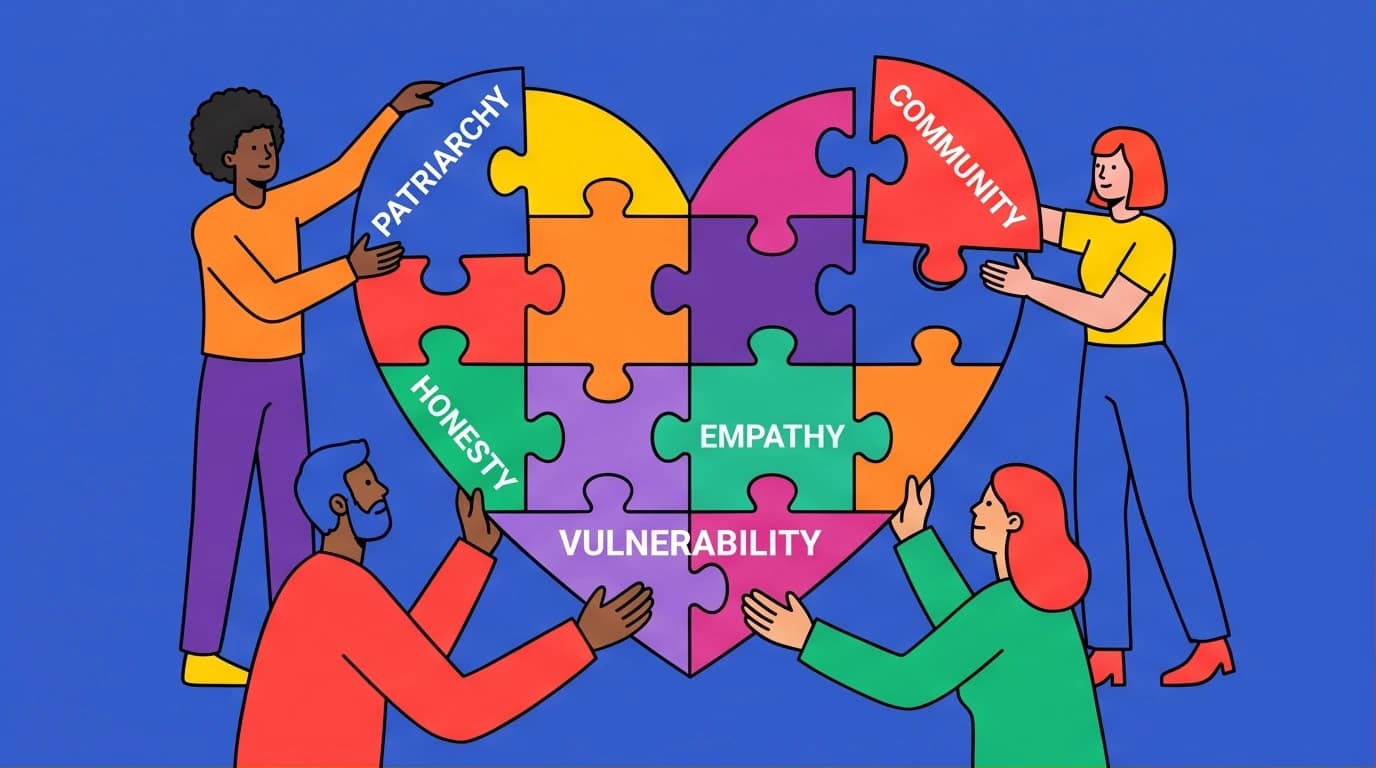
You selected bell hooks for your next meetup. Excellent choice. But translating her dense cultural critique into a flowing two-hour conversation requires serious preparation. Moving a group from solitary reading to an open dialogue about patriarchy, childhood wounds, and societal emotional suppression is challenging. You do not want a silent room. You also do not want a superficial chat that misses the intellectual weight of the text.
You need a structured framework. The following guide provides targeted discussion prompts, theme breakdowns, and analytical touchpoints to help you lead a grounded, thought-provoking session.
Setting the Stage: Is All About Love a Good Book for Groups?
If you are finalizing your reading list and wondering, "Is all about love a good book for a group setting?" the answer is an absolute yes. It remains a fixture on bestseller lists and dominates recommendations on platforms like Goodreads and Amazon for a specific reason: it forces self-reflection.
Unlike standard self-help books that focus on individual fixes, hooks challenges societal structures. She argues that our cultural understanding of romance is flawed by design. This friction between personal experience and societal critique makes it an ideal catalyst for group debate. People bring their own baggage, histories, and biases to the table. Your job as a host is to give them a safe, structured space to unpack it.
If you're hosting this discussion, you will obviously want to make sure everyone in your group has a copy of the book before the meeting. While many local libraries carry it, having a personal copy allows readers to highlight, annotate, and flag specific pages—which is incredibly helpful for the kind of deep dive this book requires. If you need to grab a copy for yourself or want to send a link to your book club members so they can get theirs in time, you can find the exact edition right here.

All About Love
bell hooks
 44 Duration
 8 Key Points
 4.6 Rate
Deconstructing All About Love Themes
Before asking your group a single question, you need to understand the underlying architecture of the book. Grounding yourself in these all about love themes gives you the ability to steer the conversation back on track when tangents inevitably happen.
Love as an Action, Not a Feeling
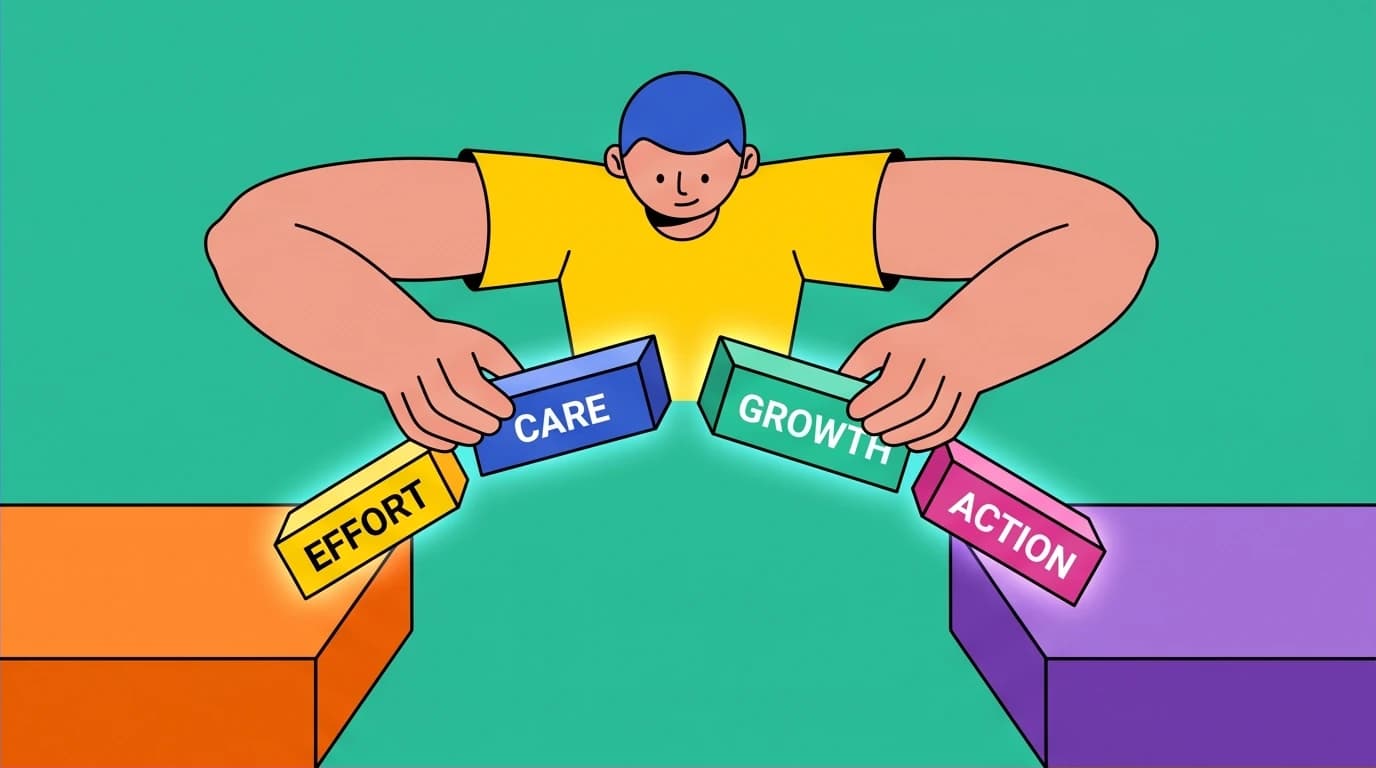
This is the most critical shift hooks introduces. Relying heavily on M. Scott Peck’s definition, she insists love is "the will to extend one's self for the purpose of nurturing one's own or another's spiritual growth." It is a verb. It requires intention, effort, and accountability. It is not a passive emotion you simply "fall" into.
To ensure your group fully grasps this foundational concept, it can be helpful to review the core components hooks identifies as essential for loving practice.
Since hooks builds her foundational definition of love directly upon the framework established by psychiatrist M. Scott Peck, exploring his original work can add incredible depth to your book club’s discussion. If you find your group lingering on the idea that love requires discipline and spiritual growth rather than just a fleeting romantic feeling, Peck’s classic text is the perfect supplementary read. It expands on the exact psychological principles hooks references, making it an excellent resource for anyone wanting to fully grasp this concept.
The Road Less Traveled
M. Scott Peck, M.D.
43 Duration7 Key Points4.5 RateIf your group's reading list is growing but your free time isn't, there's a way to absorb the core ideas from these supplementary texts quickly.


LeapAhead helps you grasp the key insights from foundational books like The Road Less Traveled in just 15 minutes, perfect for enriching your discussion without the commitment of a full read.
 LeapAhead
The Illusion of the Nuclear Family
Hooks aggressively dismantles the American ideal of the nuclear family. She suggests that these closed systems often harbor abuse, silence, and emotional dysfunction. She argues that extended communities and chosen families offer a healthier environment for learning how to care for one another.
Honesty vs. The Culture of Lying
A massive barrier to love, according to hooks, is our cultural acceptance of lying. From white lies to protect feelings to systemic lies maintained by patriarchal structures, she posits that you cannot build a foundation of love without absolute truth-telling.
Greed and Consumer Culture
Hooks connects a lack of love to late-stage capitalism. When people feel empty, American culture encourages them to consume. We buy things to fill emotional voids, treating partners and relationships like commodities to be acquired and discarded.
To ensure you have a comprehensive grasp of these interconnected themes before leading the Q&A, a detailed review can be invaluable.

The All About Love Book Club Questions
Use these prompts to guide your session. They are categorized to help you build the conversation logically—starting with definitions, moving into personal reflections, and expanding into societal critiques.
Section 1: Redefining the Core Concept
Start here to get everyone on the same page regarding the book's central thesis.
- Hooks chooses to define love strictly as an action and a choice, rather than a feeling. Did this definition validate your past relationship experiences, or did it make you question them?
- Think about the cultural messaging we get from movies, music, and pop culture. How does the media's portrayal of "falling in love" directly conflict with hooks' definition of "choosing to love"?
- Early in the book, hooks states that our culture is practically devoid of true love. Did you initially agree with this harsh assessment? Did your opinion change by the final chapter?
Section 2: Family, Childhood, and Healing
These questions require vulnerability. Read the room and allow people to share only what they feel comfortable sharing.
- One of the most controversial points hooks makes is that love and abuse cannot coexist. She argues that parents who abuse their children do not truly love them in those moments. How does this challenge the traditional narrative of unconditional family love?
- The author highlights the nuclear family as a flawed system that often hides dysfunction. Do you agree that moving toward a "chosen family" or communal living model is a necessary step for societal healing?
- How did hooks' breakdown of childhood wounds make you reflect on your own adult relationships? What habits did you realize you carried over from your upbringing?
When your book club wades into the heavy topics of childhood wounds and family dysfunction, you might find that the conversation naturally shifts toward how we carry those early experiences into adulthood. If your group is fascinated by the intersection of trauma, physical health, and emotional healing, this next recommendation is an absolute must-read. It masterfully explains how unhealed pain physically alters our nervous systems and offers a profound, science-backed look at how to truly move past the kind of deep-seated issues hooks discusses.
The Body Keeps The Score
Bessel Van Der Kolk
32 Duration10 Key Points4.5 RateSection 3: Patriarchy and Gender Dynamics
Hooks is a renowned feminist scholar. You cannot discuss this text without addressing gender.
- How does the patriarchy limit men from experiencing and giving love, according to the text?
- Hooks argues that women are often socialized to accept fake love or tolerate poor behavior in exchange for companionship. Do you see this dynamic playing out in modern dating?
- The book critiques the idea that men are naturally less emotional. How can society create spaces where men feel safe enough to unlearn this emotional suppression?
Section 4: Honesty, Greed, and Modern Society
Connect the book's older publication date to today's cultural landscape.
- Look at the chapter on honesty. Hooks claims that a culture of lying prevents intimacy. Where do you see "acceptable lying" most prevalent in today's relationships?
- How does consumerism replace affection? Discuss hooks' idea that we try to buy happiness to mask a profound lovelessness.
- If hooks were writing this book today, how do you think she would view dating apps and the swipe-culture of modern romance?
As your group tackles hooks' critique of modern romance, dating apps, and the ways we sometimes settle for less-than-ideal partnerships, the topic of adult attachment styles is bound to come up. Understanding why we chase unavailable partners or pull away when things get intimate is a fantastic way to bridge hooks' sociological theories with practical relationship psychology. If you want to give your members an actionable follow-up read that decodes the science behind who we choose to date and why, this insightful guide will completely change how you view modern courtship.
Attached
Amir Levine, PhD, Rachel Heller, MA
48 Duration9 Key Points4.5 RateAll About Love Analysis: Framing the Discussion
A strong book club host guides the narrative. Keep a brief all about love analysis in your back pocket to bridge gaps in the conversation.
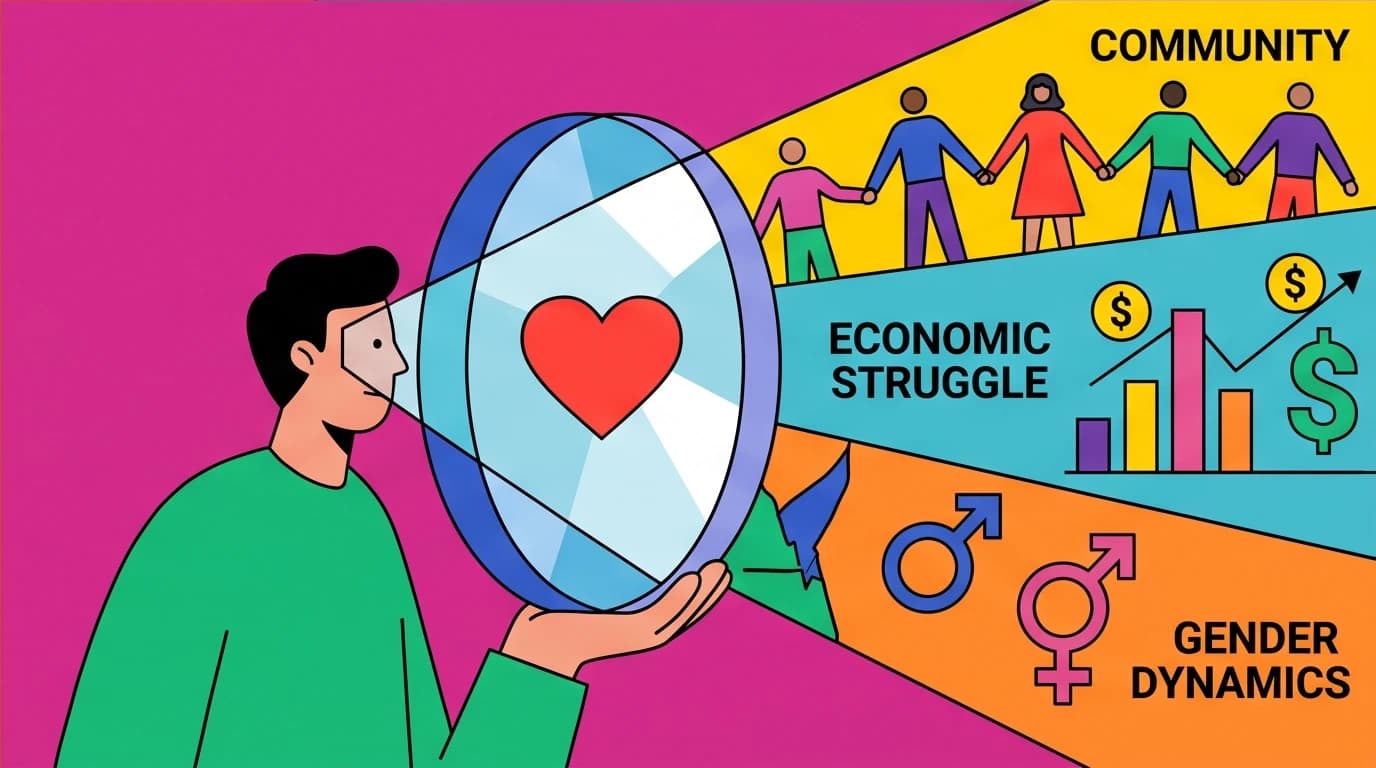
Hooks utilizes intersectionality seamlessly. She does not look at romance in a vacuum. She looks at it through the lens of race, class, and gender. When your group gets stuck on a point about romantic love, pivot the lens. Ask them how poverty impacts a person's ability to prioritize emotional growth. Ask them how systemic racism forces marginalized groups to build different types of community love to survive.
Her analysis of death in the final chapters often catches readers off guard. She brings the conversation to spirituality and mortality to prove a point: a life lived with true love removes the fear of death. If your group is highly intellectual, spend time dissecting how she bridges practical psychology with this profound spirituality.
To help facilitate these deeper conversations, having some of the book's most impactful passages ready can be incredibly useful.
Understanding the Consensus: The Average All About Love Book Review
People in your group will have mixed reactions. Knowing the standard all about love book review consensus helps you validate their feelings.
Many readers find the book life-changing. They praise its clinical, no-nonsense approach to something usually shrouded in mystery. They love how it holds both men and women accountable for toxic behaviors.
However, a common critique you might hear in your club is that the book feels repetitive or overly academic in certain chapters. Some readers feel she relies too heavily on M. Scott Peck's work or that her views on the media are dated.
If some of your members found the book's academic style a barrier, you can point them to a tool that makes dense concepts more accessible.
LeapAhead breaks down the core arguments of complex books like All About Love, so you can understand the essential ideas without getting bogged down in academic language.
LeapAheadIf a member brings up these critiques, do not shut them down. Validate the point. Ask the group: "Even if her media references feel like they belong in the 1990s, does the core psychological argument still apply to social media today?" Turn the critique into a stepping stone for deeper debate.
Final Advice for the Host
Do not force the group to answer every single question. If a specific prompt sparks a massive 30-minute debate, let it run. The goal is a meaningful exchange of ideas, not checking off a list. Keep an eye on the clock, ensure quiet members get a chance to speak by directing low-stakes questions their way, and wrap up by asking everyone for one actionable change they want to make in how they practice love.
FAQ
Is this book too academic or difficult for a casual book club?
No, but it requires focus. While bell hooks is an academic, she wrote this specific book to be accessible to the general public. The language is straightforward, though the concepts are dense. It is perfectly suited for a book club that wants a break from fiction and is willing to engage in serious self-reflection.
How do I handle sensitive topics if the discussion gets too personal?
Set ground rules at the beginning of the meeting. Remind everyone that the discussion will touch on childhood trauma, abuse, and gender roles. Encourage members to speak about the text and societal trends if they are uncomfortable sharing personal anecdotes. As a host, if someone overshares and the room gets tense, gently validate their experience and quickly pivot back to the author’s broader sociological point.
How long does it take the average reader to finish this book?
The book is relatively short, usually around 240 pages depending on the edition. Most readers can finish it in 4 to 6 hours. However, because the material is dense and requires reflection, it is best to give your club at least three to four weeks to read it before meeting.
What should our book club read next if we enjoyed this one?
If your group appreciated the analytical tone and cultural critique, consider reading the rest of hooks' "Love Song to the Nation" trilogy: Salvation and Communion. If they want something contemporary focusing on relationships and psychology, Attached by Amir Levine and Rachel Heller, or The Body Keeps the Score by Bessel van der Kolk are excellent follow-ups that map well to the themes hooks outlines.