

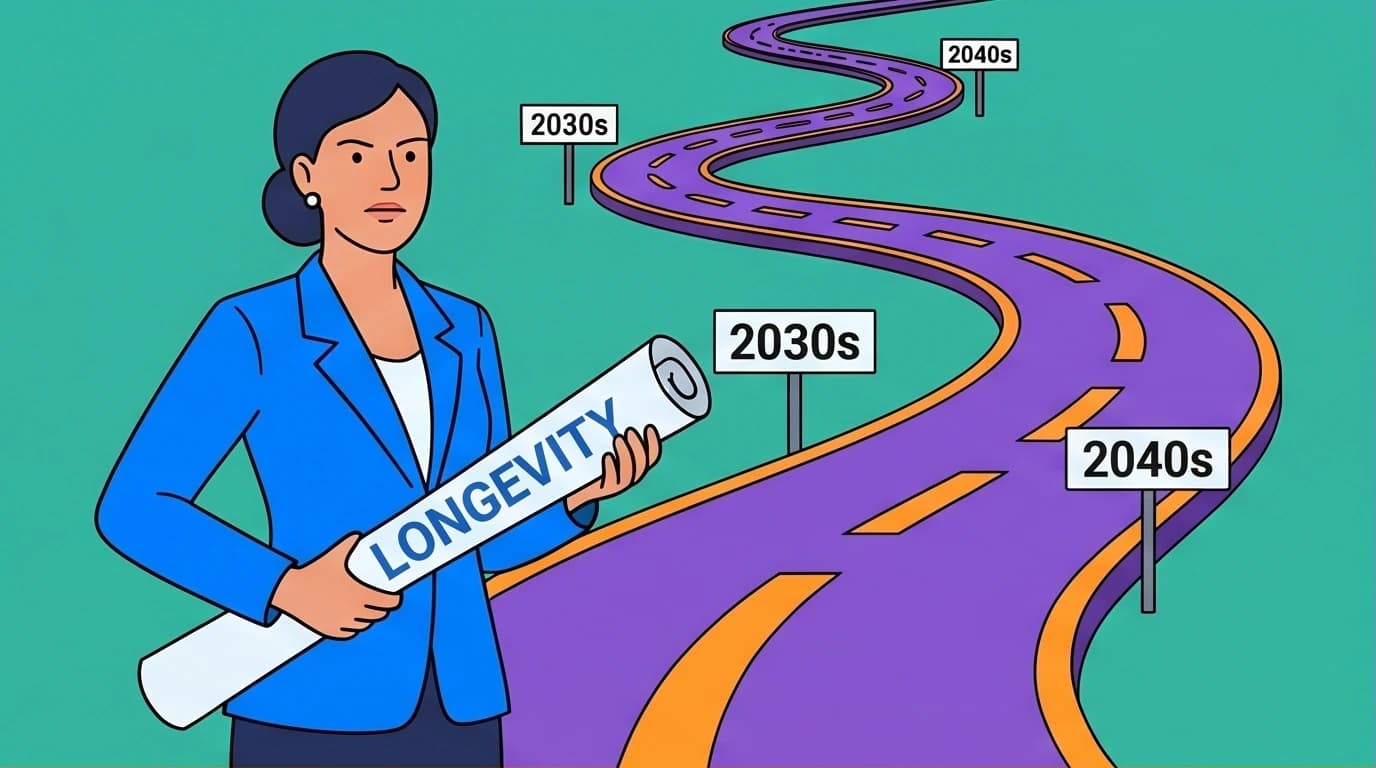
You have hit a plateau. Your industry is evolving faster than your skill set, and the reliable strategies that built your early success are no longer keeping you relevant. The anxiety of obsolescence is real, especially when younger, seemingly more adaptable talent enters your market every single day. You do not need another generic networking hack. You need a masterclass in career longevity.
Look past modern influencers and Silicon Valley disruptors. The ultimate blueprint for career survival was written over 80 years ago by a woman who treated her name like a Fortune 500 company.
Joan Crawford did not just act; she manufactured a persona that refused to expire. Through sheer willpower and calculated marketing, she remained a highly paid, heavily discussed public figure for half a century. Her life offers an aggressive, battle-tested framework for anyone who wants to build a brand that lasts.
The Corporate Mindset Behind the Star
Most professionals view their career as a series of jobs. Crawford viewed hers as a product lifecycle. She understood early on that talent is common, but endurance is rare.
In the 1920s and 30s, the Hollywood studio system owned its talent. Actors were contract laborers, dictated to by executives who controlled what they wore, who they dated, and what roles they played. Most actors accepted this dynamic. Crawford subverted it. She recognized that true leverage came from owning the relationship with the end consumer: the audience.
This is the foundational rule of Joan Crawford personal branding. She did not wait for Metro-Goldwyn-Mayer (MGM) to build her image. She took extreme ownership of her narrative. She networked relentlessly with producers, directors, and the press. When she eventually married Alfred Steele, the CEO of Pepsi-Cola, she did not just play the role of a corporate wife. She integrated herself into the business, traveling thousands of miles across the United States to promote the brand, eventually securing a seat on the board of directors after his death.
She proved that your personal brand must transcend your current job title. If your industry collapses tomorrow, your brand should be strong enough to pivot into a completely different sector.
Crawford did not wait for a major studio to build her image; she took total ownership of it from day one. In today's digital landscape, taking ownership means treating your online presence as your primary professional asset. If you want to translate Crawford's aggressive career mindset into modern tactics, mastering the world's premier professional network is non-negotiable. This comprehensive guide will show you exactly how to optimize your profile, network strategically, and cultivate a brand that easily transcends any single job title.

Linkedln for Personal Branding
Sandra Long
 26 Duration
 9 Key Points
 4.4 Rate
How Joan Crawford Reinvented Herself (The Art of the Pivot)
A static brand is a dead brand. Consumer tastes change, economic realities shift, and aging forces adaptation. The secret to surviving Hollywood Golden Age politics was not clinging to past glory, but executing ruthless, calculated pivots before the market forced them upon you.
Crawford’s career can be divided into distinct product iterations. Examine how she navigated these shifts, and apply the same logic to your own career trajectory.
Phase 1: The Jazz Age Flapper (Capturing the Zeitgeist)
In the late 1920s, Crawford broke out by playing dancing, carefree flappers. She capitalized on the post-war boom and the cultural shift toward youth rebellion.
- The Business Move: She identified an emerging trend and positioned herself as its face. She won dance contests in local clubs just to get noticed by studio executives.
Phase 2: The Depression-Era Shopgirl (Adapting to Economic Reality)
When the Great Depression hit, audiences no longer wanted to see wealthy flappers drinking champagne. They were poor, hungry, and desperate. Crawford instantly dropped the glamour-girl routine. She began playing tough, working-class women who fought their way to the top through grit and determination.
- The Business Move: She read the macroeconomic room. When your target audience loses their disposable income or changes their priorities, your messaging must immediately reflect their new reality.
Phase 3: The "Mildred Pierce" Comeback (Escaping the Plateau)
By 1938, theater owners took out an ad in an industry trade paper labeling Crawford "Box Office Poison." Her movies were losing money. Most actors would have faded into obscurity. Instead, Crawford bought her way out of her comfortable MGM contract and moved to Warner Bros. She took a massive pay cut, sat on the sidelines for two years rejecting bad scripts, and fought aggressively for the lead role in Mildred Pierce. She won the Academy Award for Best Actress.
- The Business Move: This is the defining example of how Joan Crawford reinvented herself. When your current environment labels you obsolete, you must change environments. Taking a short-term financial hit to re-establish your market value is often the smartest long-term play.

Phase 4: The Horror Icon (Monetizing the Final Act)
In her later years, traditional leading-lady roles dried up entirely. Rather than retire, she embraced the emerging psychological horror genre with Whatever Happened to Baby Jane?. She leaned into the camp, the drama, and the shock value.
- The Business Move: Never let pride block a revenue stream. If the premium market rejects you, find a niche market where your legacy commands immediate authority.
Crawford's astonishing ability to pivot through four distinct career phases demonstrates a fundamental truth: she wasn't playing to win a single era of film; she was playing to stay in the industry for life. This requires a complete shift in how you view success and setbacks. If you want to build a career capable of surviving decade after decade of market disruption, you need to stop focusing on short-term wins and start strategizing for ultimate longevity. This excellent read breaks down exactly how to adopt that mindset.

The Infinite Game
Simon Sinek
16 Duration7 Key Points4.8 RateJoan Crawford Marketing: The Original CRM Expert
Long before email lists, social media algorithms, or Customer Relationship Management (CRM) software existed, Crawford built a direct-to-consumer marketing machine.
She understood that a studio executive could fire her, but they could not fire her fanbase. Her approach to audience retention was obsessive. She spent hours every single weekend typing responses to fan letters on her signature blue paper. She signed her own autographs. She remembered the names of reporters, lighting technicians, and theater owners.
If someone sent her a gift, they received a personalized thank-you note within days. She practically invented the modern concept of community management.
Apply this to your own career. Who owns your audience? If your entire professional network exists solely on a corporate Slack channel or a rented platform like LinkedIn, you are vulnerable. Joan Crawford marketing dictates that you must build a portable, loyal network. When you move to a new company, launch a new product, or pivot to a new industry, that network must follow you. You build that loyalty through direct, personalized, and consistent engagement.
You certainly do not have to spend your weekends typing letters on blue paper to build a dedicated following today. However, the core principle of treating your audience with profound respect remains exactly the same. When you focus on genuinely serving the people you want to reach, marketing transforms from a sleazy sales tactic into a powerful tool for authentic connection. For those ready to build a loyal, portable network that follows them anywhere, this modern marketing manifesto is absolutely required reading.
This Is Marketing
Seth Godin
36 Duration8 Key Points4.5 RateJoan Crawford Career Lessons for Modern Professionals
Her life provides a master playbook for navigating office politics, industry disruptions, and personal setbacks. Here are the core Joan Crawford career lessons you can implement immediately.
1. Audit Your Image Ruthlessly
Crawford famously said she never left her house unless she looked like Joan Crawford the movie star. She knew that every public appearance was a branding opportunity.
In the modern workplace, your "image" is not just how you dress. It is how you format your emails, the quality of your video on Zoom calls, the speed at which you deliver projects, and the clarity of your communication. If you want to be treated like an executive, you must package yourself like one long before you get the promotion.
In the modern workplace, your "image" is not just how you dress. It is how you format your emails, the quality of your video on Zoom calls, the speed at which you deliver projects, and the clarity of your communication. If you want to be treated like an executive, you must package yourself like one long before you get the promotion.
2. Outwork the Competition When Talent Isn't Enough
Crawford was the first to admit she was not the most naturally gifted actress of her generation. She compensated with terrifying discipline. She arrived on set earlier than the crew, learned everyone's lines (not just her own), and studied the technical aspects of lighting and camera angles so she could control how she looked on film.
If you lack a specific technical skill or elite credential, you must close the gap with operational excellence. Understand the business model of your company better than your peers. Anticipate problems before your boss realizes they exist.
If you lack a specific technical skill or elite credential, you must close the gap with operational excellence. Understand the business model of your company better than your peers. Anticipate problems before your boss realizes they exist.
3. Embrace Constructive Paranoia
Crawford never assumed her job was safe. Even at the height of her fame, she operated with the hunger of a beginner. This constructive paranoia kept her sharp. It forced her to constantly scout for new scripts, new directors, and new trends.
Never get comfortable. The moment you feel secure in your position is the moment a younger, cheaper, or faster competitor begins to replace you. Always have a contingency plan. Always know what your next pivot will be.
Never get comfortable. The moment you feel secure in your position is the moment a younger, cheaper, or faster competitor begins to replace you. Always have a contingency plan. Always know what your next pivot will be.
The feeling that a competitor is always breathing down your neck should never paralyze you; it should propel you. Crawford used this exact tension to stay ahead of Hollywood's ruthless curve. In the modern business world, recognizing and acting on massive shifts—before they render you obsolete—is the ultimate survival skill. If you want to learn how to harness workplace anxiety and turn industry disruptions into major strategic advantages, this classic leadership playbook is exactly what you need.

Only the Paranoid Survive
Andrew S. Grove
17 Duration8 Key Points4.7 Rate
4. Build Horizontal and Vertical Alliances
She did not just network with studio heads (vertical networking). She built fierce loyalty with makeup artists, wardrobe designers, and camera operators (horizontal networking). When directors wanted to work with her, it was often because the crew loved her.
Your peers and subordinates hold massive sway over your reputation. Treat the entry-level coordinator with the same respect you give the vice president. Those coordinators will eventually become decision-makers.
Your peers and subordinates hold massive sway over your reputation. Treat the entry-level coordinator with the same respect you give the vice president. Those coordinators will eventually become decision-makers.
The Ultimate Blueprint for Endurance
The Hollywood machine was designed to extract youth and discard the remains. Crawford broke the machine. She survived by viewing herself objectively, discarding tactics that no longer worked, and fiercely protecting her direct relationship with her audience.
This level of strategic reinvention demands constant learning, but when your energy is low after a long day, picking up a dense business book can feel impossible.

Get powerful insights from career-defining books in audio or text, turning your busiest days into opportunities for growth without the burnout.

Download LeapAhead App now
You face a similar machine today. Corporate structures, algorithms, and economic downturns do not care about your past achievements. They only care about your current utility. By studying Joan Crawford personal branding, you equip yourself with the historical proof that reinvention is always possible. You are not trapped in your current role. You are simply in one phase of a much longer campaign. Control your narrative, anticipate the market, and never stop pivoting.
FAQ
How did Joan Crawford maintain her public image for so long?
She maintained her image through extreme discipline and direct audience engagement. She managed her own fan mail, built personal relationships with the press, and meticulously controlled her physical appearance. She never allowed the public to see her out of character, treating every interaction as a critical marketing touchpoint.
She maintained her image through extreme discipline and direct audience engagement. She managed her own fan mail, built personal relationships with the press, and meticulously controlled her physical appearance. She never allowed the public to see her out of character, treating every interaction as a critical marketing touchpoint.
What is the biggest takeaway from Joan Crawford's career reinventions?
The most critical lesson is knowing when to abandon a failing strategy. When she was labeled "Box Office Poison," she did not double down on the roles that were failing. Instead, she bought out her contract, moved to a different studio, and aggressively pursued a completely different character archetype (the gritty, flawed mother in Mildred Pierce), which revived her career.
The most critical lesson is knowing when to abandon a failing strategy. When she was labeled "Box Office Poison," she did not double down on the roles that were failing. Instead, she bought out her contract, moved to a different studio, and aggressively pursued a completely different character archetype (the gritty, flawed mother in Mildred Pierce), which revived her career.
Can these vintage branding tactics work in the digital age?
Absolutely. The tools have changed, but human psychology remains exactly the same. Crawford’s habit of personally answering fan letters is the equivalent of a modern CEO engaging directly with customers on social media. Her focus on owning her audience (rather than letting the studio control it) perfectly mirrors today’s necessity of building independent email lists and direct-to-consumer channels.
Absolutely. The tools have changed, but human psychology remains exactly the same. Crawford’s habit of personally answering fan letters is the equivalent of a modern CEO engaging directly with customers on social media. Her focus on owning her audience (rather than letting the studio control it) perfectly mirrors today’s necessity of building independent email lists and direct-to-consumer channels.
How did Joan Crawford handle severe career setbacks?
She viewed setbacks as business problems, not emotional defeats. Whether she was fired by a studio or facing ageism in the industry, she executed calculated pivots. She networked aggressively, took calculated pay cuts to secure better projects, and even crossed over into the corporate world by joining the board of directors at Pepsi-Cola to ensure her financial and professional survival.
She viewed setbacks as business problems, not emotional defeats. Whether she was fired by a studio or facing ageism in the industry, she executed calculated pivots. She networked aggressively, took calculated pay cuts to secure better projects, and even crossed over into the corporate world by joining the board of directors at Pepsi-Cola to ensure her financial and professional survival.