

You walk into a Barnes & Noble, pick up the first volume of Death Note, and immediately run into one of the oldest thought experiments in human history. It is not just a supernatural thriller. It is a 37-episode trolley problem.
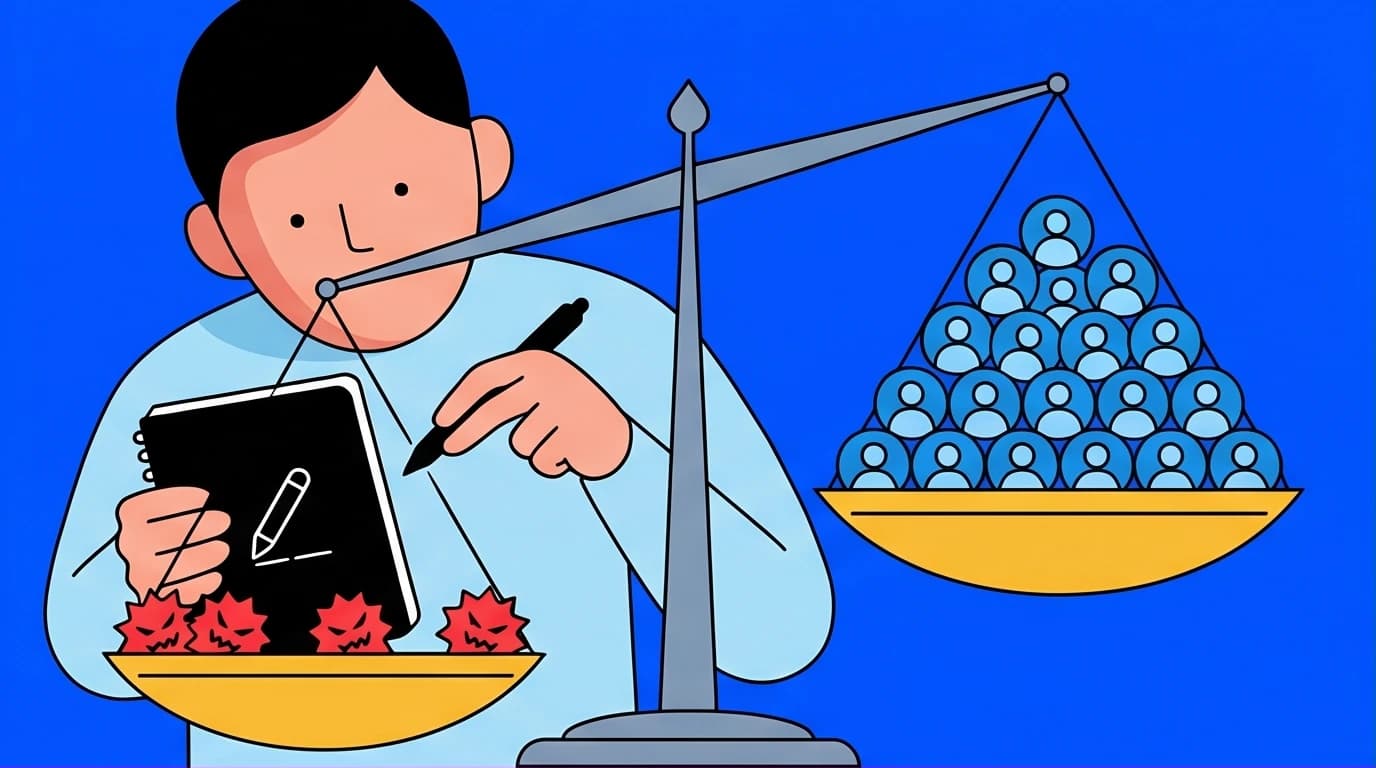
You find yourself staring at a high school senior with a notebook that kills people, and you start doing the math. If killing 100 serial killers saves 1,000 innocent lives, is it wrong?
This exact question is why the Light Yagami philosophy resonates so deeply. It takes abstract ethical theories out of dusty academic halls and hands them to a teenager with a god complex. To understand why Kira's reign of terror feels both horrifyingly wrong and uncomfortably logical, we have to strip away the Shinigami and look at the brutal moral mechanics underneath.
Central to these mechanics is Light's own mind. His descent is driven by a powerful combination of high intelligence and dangerous psychological traits, including a pronounced god complex.
The Core Conflict: Utilitarianism vs Deontology
You cannot discuss Light Yagami without looking at his foil, L. Their intellectual war is essentially the visual representation of utilitarianism vs deontology.
Utilitarianism, championed by philosophers like John Stuart Mill and Jeremy Bentham, argues that the most ethical choice is the one that produces the greatest good for the greatest number. Light Yagami is a radical utilitarian. He looks at global crime statistics—which, in his world, dropped by a staggering 70%—and decides his actions are mathematically justified. Wars stop. Violent crimes plummet. The innocent are safe. By utilitarian metrics, Kira is highly effective.
Deontology, famously associated with Immanuel Kant, argues that morality relies on absolute rules. Actions themselves are inherently right or wrong, regardless of the consequences. L represents this rigid deontological framework. To L, murder is murder. It does not matter if the victim was a bank robber or a dictator; taking a human life violates the fundamental rule of law and human rights.
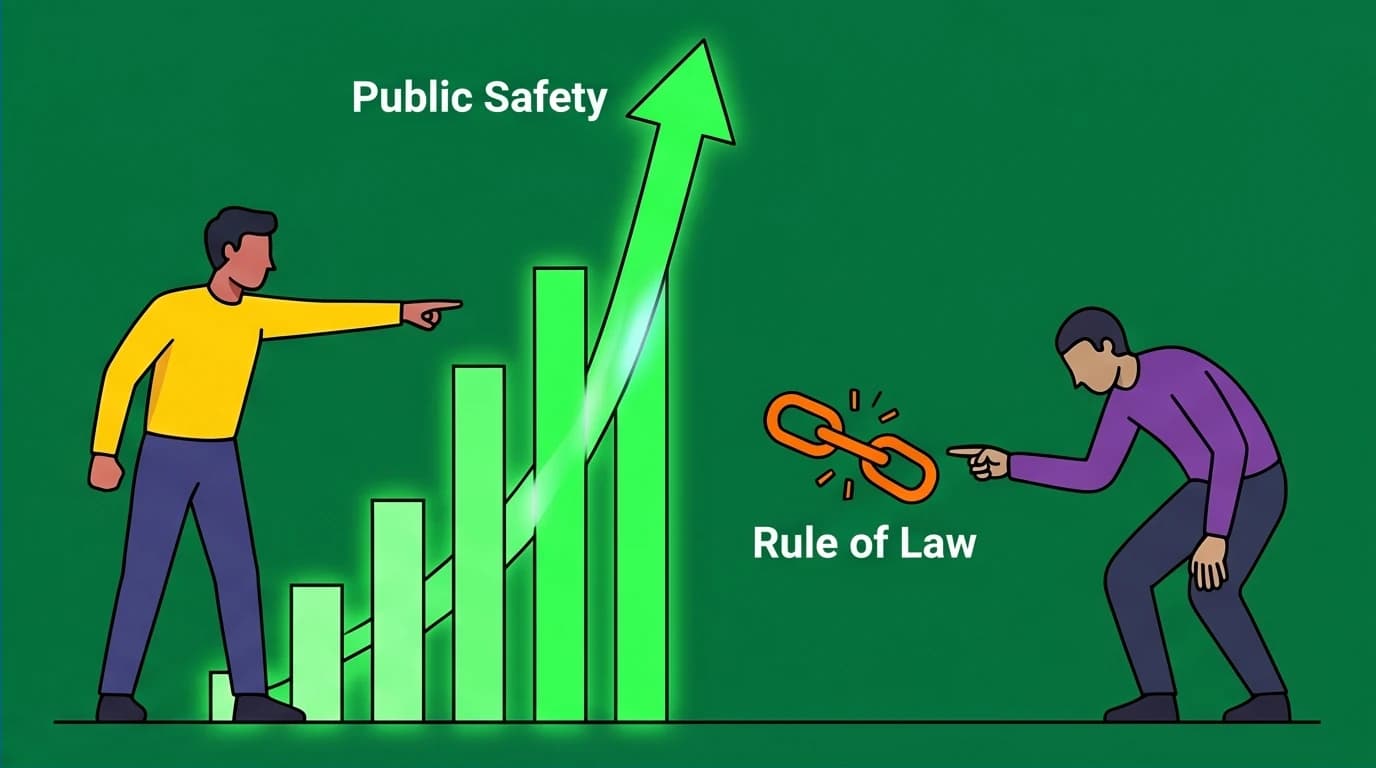
Light believes the outcome (a peaceful world) justifies the action (murder). L believes the action (murder) is evil, invalidating any perceived positive outcome. This clash forces you to pick a side. Do you care more about the result, or the method used to achieve it?
This intellectual showdown isn't just about abstract ethics; it's a battle of wits. Both Light and L employ incredible strategic thinking and deductive reasoning to outmaneuver each other.
If comparing Light and L has sparked an interest in the foundational ethics they represent, you might enjoy exploring the actual philosophers behind these theories. Understanding the heavyweights like Immanuel Kant, Jeremy Bentham, and John Stuart Mill can completely change how you view these intellectual battles. For a highly readable and comprehensive guide to the thinkers who built our concepts of duty, morality, and the greater good, consider picking up a classic overview of Western thought. It is the perfect starting point to figure out where your own moral compass truly aligns.
The History of Western Philosophy
Bertrand Russell
 24 Duration
 7 Key Points
 4.7 Rate
But diving into dense philosophical classics can feel like a heavy lift. If you want to grasp the core arguments of thinkers like Kant and Mill without committing to hundreds of pages, there's a more direct way.

Understand the key ideas from essential philosophical texts in just 15 minutes, making it easier to explore the complex ethics behind characters like Light and L.

Download LeapAhead App now
The Trap of "Ends Justify the Means" Ethics
Light's initial logic pulls you in. He targets death row inmates. He targets murderers who escaped the justice system. But very quickly, the story exposes the fatal vulnerability of ends justify the means ethics: the goalpost always moves.
If the "end" is a perfect, crime-free utopia, then anything that threatens that utopia becomes a justifiable target. We see this crack early in the story with the character Lind L. Tailor. Tailor is a criminal placed on television by L, claiming to be the detective. He insults Light, calling him evil. Light, enraged and feeling his mission is threatened, kills him instantly.
Soon after, Light orchestrates the deaths of Raye Penber and Naomi Misora—FBI agents who have committed no crimes. They are simply doing their jobs.
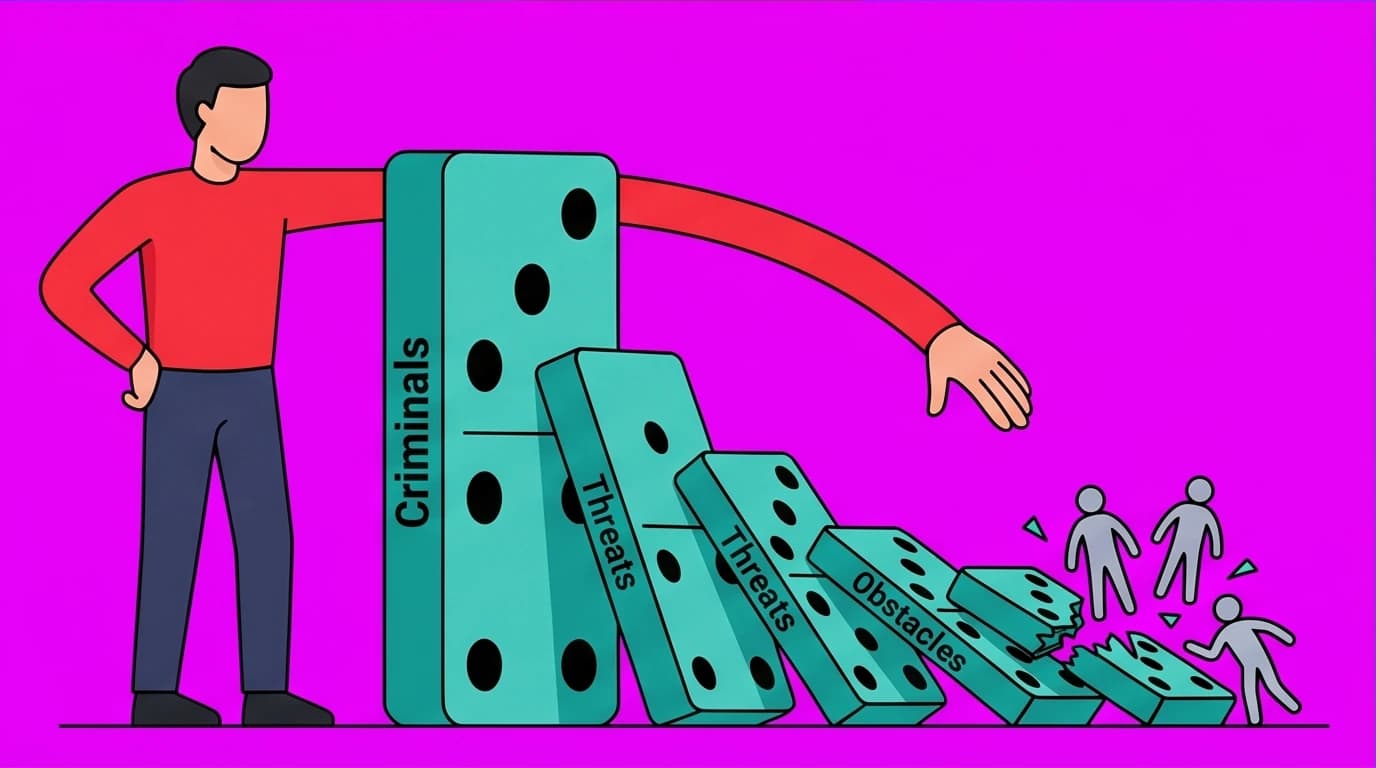
This is the exact moment the philosophy collapses on itself. When you operate strictly on ends justify the means ethics, human beings stop being people and become math problems. They become obstacles. Light reasons that if he is caught, the world reverts to its violent state. Therefore, his survival is the ultimate "greater good." Killing a dozen innocent FBI agents is a minor statistical loss compared to the millions of lives Kira will save in the future.
The theory sounds great on paper. In practice, it always requires the slaughter of innocents to maintain the "utopia."
Light’s willingness to kill the FBI agents is a chilling demonstration of his persuasive and coercive abilities. He masterfully manipulates people and situations to serve his ultimate goal, often using dark psychological tactics to ensure their compliance or silence.
Light’s descent from a well-intentioned vigilante to a ruthless figure treating human lives as expendable statistics echoes some of the most infamous political strategies in human history. When the goal of a peaceful utopia demands cutthroat behavior, we enter classic Machiavellian territory. If you are fascinated by the chilling, pragmatic logic of rulers who believe that holding onto power and achieving order justifies any ruthless action, studying the original playbook on this exact mindset is an eye-opening experience. It is a sobering look at how leaders rationalize leaving their humanity behind.

The Prince
Niccolò Machiavelli
38 Duration7 Key Points4.3 RateThe Slide into Subjectivity: Moral Relativism Examples
As Light’s power grows, his objectivity vanishes. He stops acting as a cosmic scale weighing good against evil and starts acting like a dictator. He famously declares, "I will become the God of this new world."
This shift gives us one of pop culture's clearest moral relativism examples. Moral relativism suggests that moral propositions do not reflect objective truth, but rather are dictated by cultural, societal, or personal standpoints. For Light, morality ceases to be a universal standard and becomes whatever he writes in his notebook.
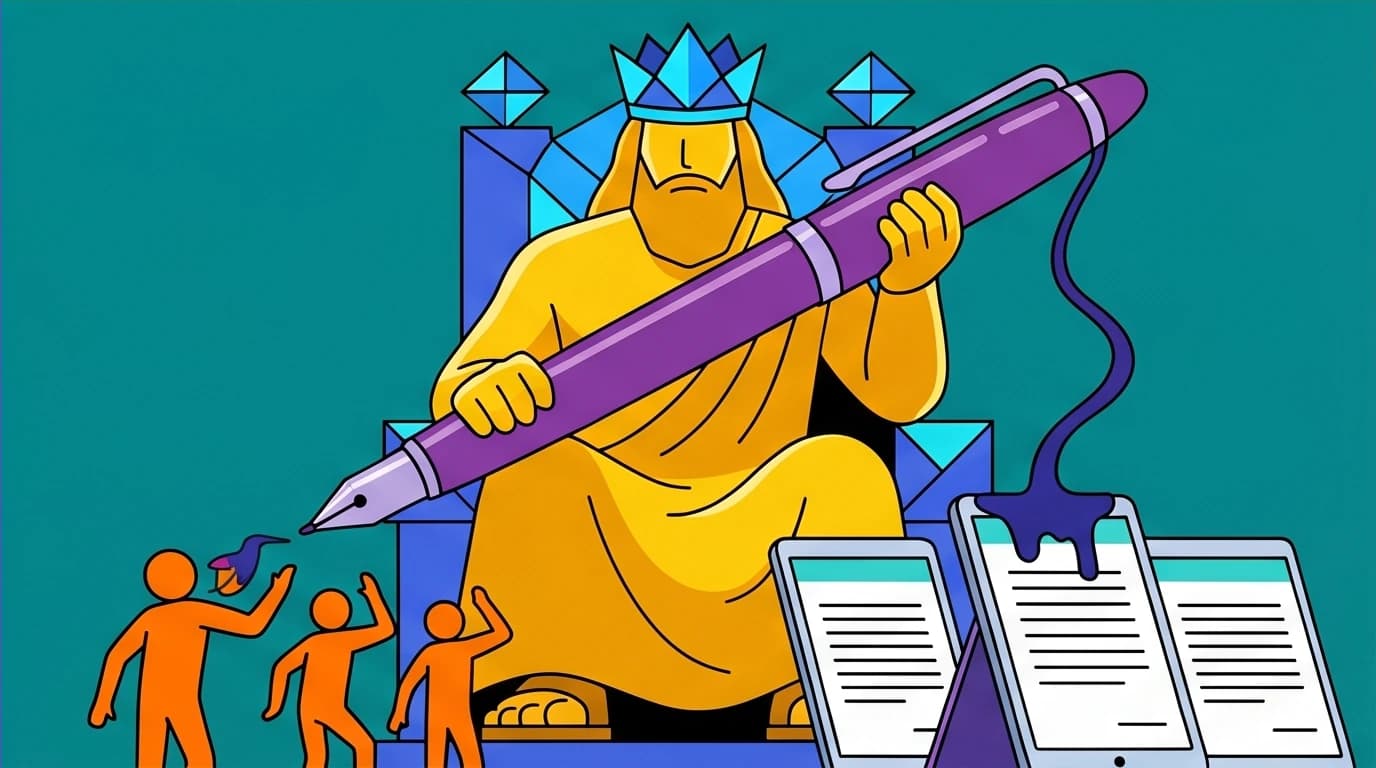
If Light decides a lazy person is a detriment to society, that person dies. If Light decides a news anchor is too annoying, they die. The danger of moral relativism is that it requires an infallible judge. Light is highly intelligent, but he is still an arrogant teenager driven by ego, panic, and pride.
When you look at real-world moral relativism examples—cult leaders, autocrats, extremist groups—they all share Light’s core delusion. They believe their subjective view of right and wrong is absolute truth. Kira's followers view him as divine justice. The police view him as a mass murderer. Because Light dismantled the objective legal system, society fractured into relative camps based purely on fear and personal survival.
Watching a brilliant honors student twist his moral code to justify dictatorship is terrifying precisely because human psychology makes us all susceptible to this kind of self-deception. We like to think we operate on pure logic, but often our egos and intuitive biases dictate our sense of right and wrong. If you want to understand the psychological mechanics of how people—from cult leaders to everyday citizens—become fiercely convinced of their own subjective morality, diving into moral psychology is incredibly revealing. It sheds light on why we are so easily blinded by our own righteousness.
The Righteous Mind
Jonathan Haidt, Ph.D.
19 Duration8 Key Points4.5 RateSo, What Is True Justice?
Death Note never hands you the answer. It forces you to chew on the discomfort.
If you strictly follow L and the police, you accept a world where legal loopholes exist, victims are often ignored, and bad people frequently get away with terrible things. The justice system is slow, bureaucratic, and deeply flawed.
If you follow Light, you get a world where crime drops to zero. But you live in constant, suffocating fear. A single mistake, a false accusation, or simply getting on the wrong side of a teenager with a god complex means instant death.
This forces the central question: what is true justice? Is it the eradication of all crime? Or is it the protection of due process and human rights, even if it means some criminals escape?
True justice likely exists in the tension between these extremes. It requires the utilitarian desire to build a better, safer world, tightly bound by the deontological rules that prevent us from becoming monsters to achieve it. Light Yagami’s philosophy failed not because he wanted to stop crime, but because he believed he was above the rules required to govern humanity. He thought he was playing God, but he was just a human with a dangerous tool and a broken moral compass.
The realization that a visionary pursuit of a flawless society almost always mutates into a nightmare of surveillance and fear is a cornerstone of modern political fiction. Light Yagami’s story is a brilliant reminder that when revolutionary figures dismantle a broken system and declare themselves the ultimate authority, the new world they build is often worse than the old one. If you are drawn to timeless stories that explore how quickly a noble pursuit of equality and justice can decay into totalitarianism once power is secured, you will appreciate revisiting one of the greatest allegories ever written on the subject.
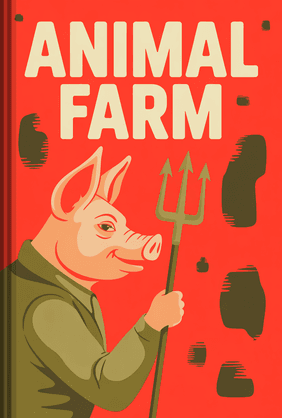
Animal Farm
George Orwell
45 Duration7 Key Points4.5 RateExploring all these foundational ideas can feel like a heavy commitment. If you're eager to absorb the key takeaways from these books and many others without dedicating months to reading, there’s a more modern way to learn.
Tackle your reading list by listening to key insights from these books and more, turning any 15-minute break into a chance to explore the ideas that shape our world.
Download LeapAhead App now
FAQ
Was Light Yagami a psychopath or an extreme utilitarian?
Light starts as an extreme utilitarian, genuinely believing he is sacrificing his own soul to better humanity. However, as the story progresses, his ego overtakes his logic. By the time he is killing innocent law enforcement officers to protect his own identity, he exhibits clear sociopathic traits, prioritizing his god-complex over any actual utilitarian calculus.
Light starts as an extreme utilitarian, genuinely believing he is sacrificing his own soul to better humanity. However, as the story progresses, his ego overtakes his logic. By the time he is killing innocent law enforcement officers to protect his own identity, he exhibits clear sociopathic traits, prioritizing his god-complex over any actual utilitarian calculus.
Why does "ends justify the means" fail in Light's case?
It fails because humans are incapable of perfect foresight and absolute lack of bias. Light begins killing out of self-preservation and bruised ego (like his murder of Lind L. Tailor) rather than pure justice. Once you justify one evil act for a "good cause," the definition of a "good cause" stretches to accommodate whatever terrible thing you want to do next.
It fails because humans are incapable of perfect foresight and absolute lack of bias. Light begins killing out of self-preservation and bruised ego (like his murder of Lind L. Tailor) rather than pure justice. Once you justify one evil act for a "good cause," the definition of a "good cause" stretches to accommodate whatever terrible thing you want to do next.
Is L’s philosophy actually better than Light’s?
L represents due process and rule-based ethics, but he is highly flawed. L treats investigations like games, bends human rights (like torturing Misa Amane), and ignores the victims of the crimes he solves. The story positions both characters as deeply flawed extremes. L protects a broken system; Light creates an efficient but merciless one.
L represents due process and rule-based ethics, but he is highly flawed. L treats investigations like games, bends human rights (like torturing Misa Amane), and ignores the victims of the crimes he solves. The story positions both characters as deeply flawed extremes. L protects a broken system; Light creates an efficient but merciless one.
Does the show definitively prove moral relativism is wrong?
The series acts as a severe warning against individual moral relativism. It shows that when one person dictates morality based entirely on their own subjective worldview, it inevitably leads to tyranny. Without objective rules or a system of checks and balances, "justice" simply becomes the will of the most powerful person in the room.
The series acts as a severe warning against individual moral relativism. It shows that when one person dictates morality based entirely on their own subjective worldview, it inevitably leads to tyranny. Without objective rules or a system of checks and balances, "justice" simply becomes the will of the most powerful person in the room.