

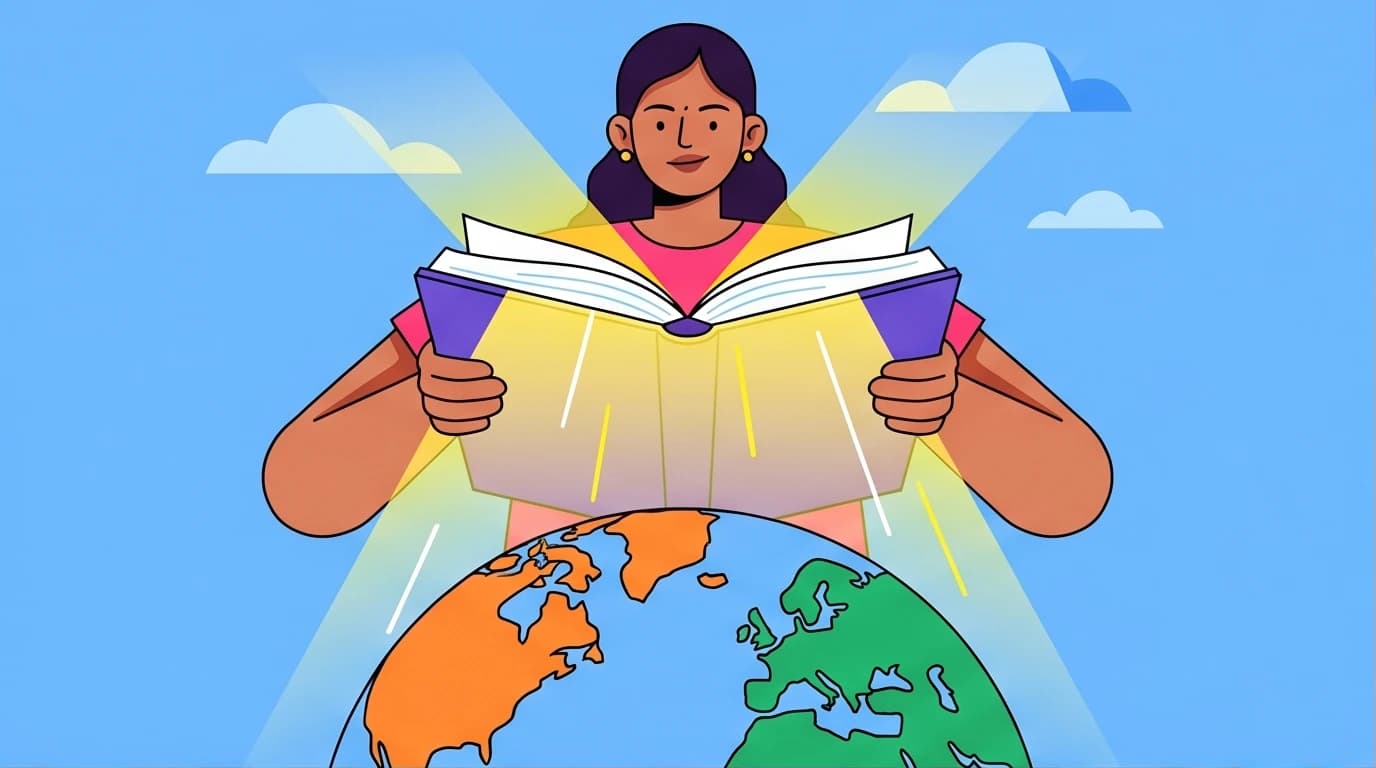
You likely recognize her name from the global headlines of 2012 or have seen her memoir prominently displayed at your local Barnes & Noble. Yet, for many people, the details between her early childhood and her Nobel Peace Prize remain blurred. To answer the question of who is Malala Yousafzai, we must look far beyond the tragic attack that brought her international fame. Her true legacy lies in the quiet, persistent, and dangerous activism that began years earlier in the Swat Valley.
This comprehensive Malala Yousafzai biography breaks down her origins, the specific actions that placed a target on her back, and how she leveraged a terrifying ordeal to build a global movement for girls' education.
The Foundation: Early Life in the Swat Valley
Born on July 12, 1997, in Mingora, Pakistan, Malala grew up in the Swat Valley—a region once celebrated for its natural beauty and summer festivals. Her family's deep commitment to learning shaped her entire worldview.
Her father, Ziauddin Yousafzai, was a school owner, educator, and passionate educational advocate himself. Unlike many in their conservative community who celebrated only the birth of sons, Ziauddin named his daughter after Malalai of Maiwand, a famous Pashtun heroine, and insisted she receive the exact same educational opportunities as any boy.
Understanding this Malala education activist background is crucial. She did not wake up one day and decide to become a global icon; she was raised in a household where education was viewed as a fundamental human right. As a child, she would often wander into her father’s classrooms, absorbing lessons and developing a fierce love for learning.
By 2007, the situation in the Swat Valley began to deteriorate rapidly. The Tehrik-i-Taliban Pakistan (TTP) gained a foothold in the region, bringing swift and brutal changes. They banned television, music, and severely restricted women's roles in public life. Most devastatingly for Malala, the Taliban began a systematic campaign to destroy girls' schools. By the end of 2008, the TTP had destroyed hundreds of schools and issued an edict banning girls from attending classes.
If Malala’s fierce dedication to learning despite a deeply oppressive environment resonates with you, you might be drawn to other powerful memoirs that explore the transformative nature of schooling. Sometimes, the greatest barriers to the classroom aren't thousands of miles away, but right inside the home. Tara Westover’s incredible journey of breaking away from her isolated, survivalist family in the American West to eventually earn a PhD at Cambridge perfectly illustrates just how life-changing access to a real education can be.
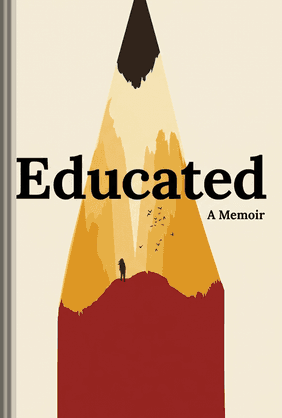
Educated
Tara Westover
 25 Duration
 8 Key Points
 4.5 Rate
The BBC Diary: Finding Her Voice
When examining the timeline of her early life, people often ask: exactly what did Malala do to draw the ire of extremists as a young girl?
Her activism started with her voice. In late 2008, Ziauddin took Malala to Peshawar to speak at the local press club. She delivered an impassioned speech titled, "How Dare the Taliban Take Away My Basic Right to Education?" She was just 11 years old.
Shortly after, the BBC Urdu service was looking for a female student from the Swat Valley to blog about her life under Taliban rule. Given the immense danger, many families refused. Malala volunteered.
Using the pseudonym "Gul Makai," she began writing diary entries that the BBC published. She detailed the fear of hearing military helicopters at night, the heartbreak of hiding her books under her clothes, and the sight of her classmates dropping out due to threats. These entries provided a rare, firsthand glimpse into life under terrorist occupation.
Her identity as the BBC blogger was eventually revealed. As the Pakistani military pushed the Taliban out of the immediate area, Malala became a prominent national figure. She won Pakistan’s first National Youth Peace Prize in 2011. This growing public profile made her a target.
It is endlessly inspiring to see how much impact a single young person's voice can have when they refuse to stay silent about issues that matter. Malala proved that you don't need decades of political experience to spark a global conversation. If you are moved by youth-led activism and the raw courage it takes to speak truth to power on the world stage, exploring the impassioned speeches of other young advocates can be incredibly motivating.
No One is Too Small to Make a Difference
Greta Thunberg
21 Duration9 Key Points5 RateOctober 9, 2012: The Turning Point
The defining crisis of the Malala Yousafzai life story occurred in the fall of 2012.
Malala was 15 years old, riding a bus home from school with her friends. Two members of the Taliban stopped the vehicle. A masked gunman boarded the bus, demanded to know "Who is Malala?", and fired three shots. One bullet struck Malala in the left side of her head, traveling down her neck and embedding in her shoulder. Two other girls, Kainat Riaz and Shazia Ramzan, were also injured.
Malala was airlifted to a military hospital in Peshawar, where surgeons removed a portion of her skull to relieve swelling. As her condition remained critical, she was transferred thousands of miles away to Queen Elizabeth Hospital in Birmingham, England—a facility specializing in treating military personnel with severe gunshot wounds.
She spent months in recovery, undergoing multiple surgeries, including facial nerve repair. Meanwhile, the assassination attempt sparked a global outcry. Millions of people around the world, from ordinary citizens to world leaders, condemned the attack. The Taliban’s attempt to silence her had the exact opposite effect: it amplified her voice on a massive, global scale.
Her journey through recovery is a profound story of courage in the face of unimaginable adversity.
Rebuilding and Global Impact: The Malala Fund
Malala survived. After her recovery, she could not return to Pakistan due to ongoing security threats. She settled in Birmingham with her family and resumed her education, but she realized she now possessed a platform capable of creating tangible change.
In 2013, she co-founded the Malala Fund with her father. The non-profit organization champions every girl’s right to 12 years of free, safe, and quality education. The fund operates in countries where girls face the greatest barriers to education, including Pakistan, Afghanistan, India, Nigeria, and countries hosting Syrian refugees. They invest in local education activists, hold leaders accountable, and amplify girls' voices.
That same year, she addressed the United Nations Youth Assembly on her 16th birthday. Wearing a shawl that once belonged to Benazir Bhutto, she delivered a powerful message: "One child, one teacher, one book, and one pen can change the world."
This single line became one of her most famous declarations, encapsulating her entire philosophy in a few powerful words.
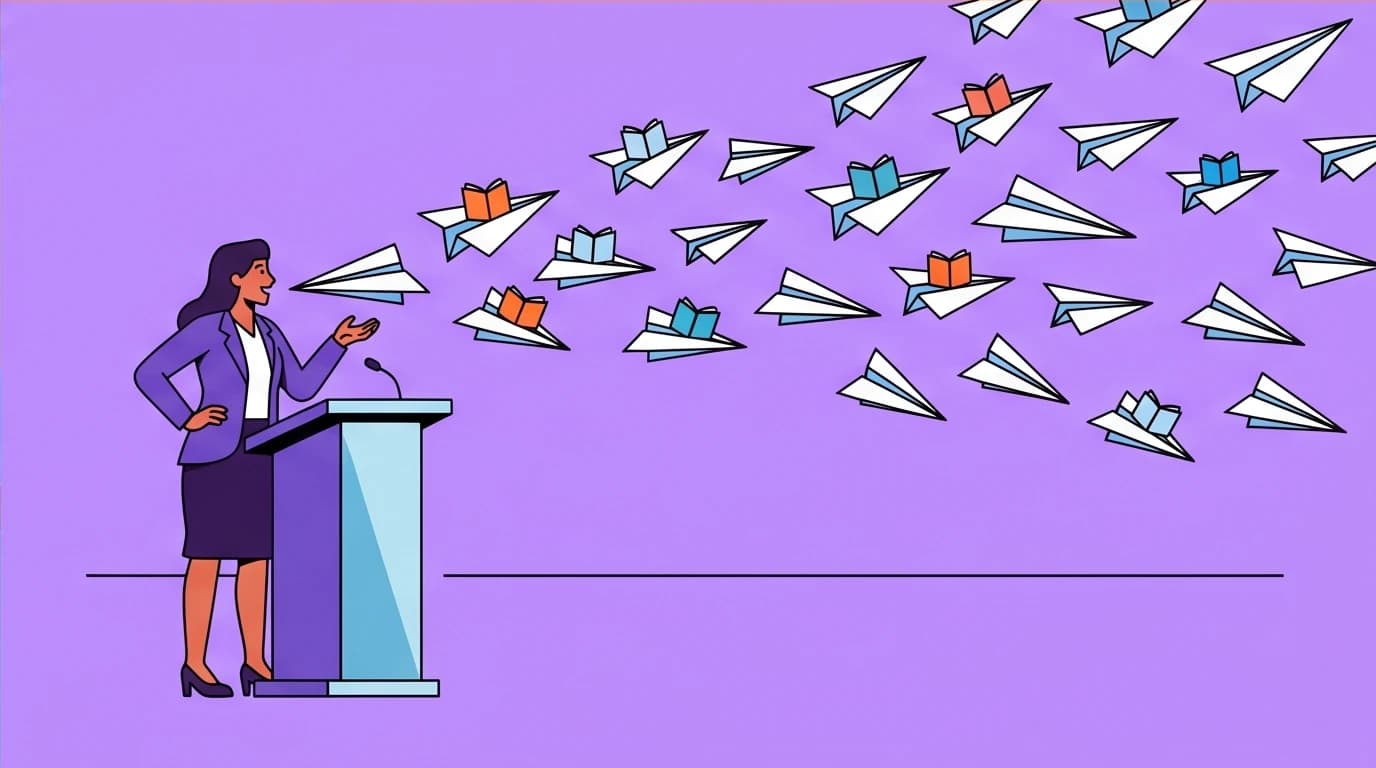
Her memoir, I Am Malala: The Girl Who Stood Up for Education and Was Shot by the Taliban, co-written with Christina Lamb, was published in late 2013. It quickly became a massive commercial success, dominating the bestseller lists on Amazon and becoming a staple audiobook on platforms like Audible.
Reading powerful stories like Malala's is deeply inspiring, but finding the time to get through a whole book can be tough on a busy schedule.

Grasp the core lessons from bestselling memoirs and non-fiction in just 15 minutes, making it easy to learn from inspiring figures even when you're short on time.

Download LeapAhead App now
As mentioned above, Malala's bestselling memoir took the literary world by storm, and there is simply no better way to truly grasp her remarkable journey than by reading it in her own words. If you want to dive deeper into the vibrant culture of the Swat Valley, the terrifying events on that school bus, and the profound bond with her father that fueled her resilience, adding her firsthand account to your reading list is an absolute must.
I Am Malala
Malala Yousafzai & Christina Lamb
47 Duration9 Key Points3.6 RateThe Nobel Peace Prize and Beyond
In 2014, at the age of 17, Malala became the youngest-ever Nobel Prize laureate. She shared the Nobel Peace Prize with Kailash Satyarthi, an Indian children's rights activist, "for their struggle against the suppression of children and young people and for the right of all children to education."
Despite her intense global schedule, Malala prioritized her own schooling. She gained acceptance to the University of Oxford, studying Philosophy, Politics, and Economics (PPE) at Lady Margaret Hall. She graduated in 2020.
Today, Malala continues her advocacy work. She is an executive producer with her own production company, Extracurricular, partnering with Apple TV+ to create content that highlights women's stories. She actively campaigns for the rights of Afghan women and girls facing renewed suppression under the current regime in Afghanistan.
Her journey from a frightened schoolgirl in the Swat Valley to a global stateswoman demonstrates the power of unwavering conviction. She transformed personal trauma into a lifelong mission to ensure that no girl is denied the color, structure, and opportunity that an education brings.
Malala’s lifelong mission highlights a beautiful, universal truth: empowering women and girls is the single most effective way to lift up entire communities. If you are passionate about global humanitarian initiatives and want to learn more about how investing in women's education, health, and economic independence can literally change the world, you might enjoy this highly acclaimed, data-driven perspective from one of the world's leading philanthropists.
The Moment of Lift
Melinda Gates
25 Duration10 Key Points5 RateIf you're motivated by these powerful stories but feel overwhelmed by a long reading list, there's a way to absorb key ideas without needing hours of free time.
Listen to the main takeaways from influential books on social change and personal growth, turning your commute or workout into valuable learning time.
Download LeapAhead App now
FAQ
Why exactly was Malala targeted by the Taliban?
Malala was targeted because she publicly campaigned for girls' education and openly criticized the Taliban's restrictive policies in the Swat Valley. Her BBC blog and growing national prominence in Pakistan made her a highly visible threat to the extremist group's ideological control.
What does the Malala Fund actually do?
The Malala Fund is a non-profit organization that invests in local education activists and programs around the world. It advocates for policy changes at the government level and funds initiatives that help girls enroll in and complete secondary education, particularly in regions where they face poverty, war, or gender discrimination.
What books has Malala Yousafzai written?
Her most famous work is her 2013 memoir, I Am Malala. She has also authored Malala's Magic Pencil (a children's picture book), We Are Displaced (focusing on the stories of refugee girls around the world), and My Name Is Malala (a board book for young children). These are widely available across major US retailers like Amazon, Barnes & Noble, and Apple Books.
Where does Malala live now?
After being airlifted to the United Kingdom for emergency medical treatment in 2012, Malala and her family relocated to Birmingham, England. She continues to reside in the UK with her husband, Asser Malik, whom she married in 2021, though she travels extensively for her global advocacy work.