
You probably remember the exact moment you picked up your first copy of Harry Potter and the Sorcerer’s Stone, and now you want to pass that exact same magic down to your kids. But handing a second grader a 700-page book with complex British vocabulary and increasingly dark plotlines often leads to frustration, abandoned books, and tears. You need to know exactly when your child is ready—both academically and emotionally—so you can use this iconic series to build a lifelong reading habit rather than kill their interest before it even starts.

Understanding the Reading Level for Harry Potter Books
When parents look up the reading level for Harry Potter books, they are usually looking for hard metrics. Schools in the United States rely heavily on systems like the Lexile Framework or Accelerated Reader (AR) to match students with appropriate texts.
The Harry Potter series is unique because its reading difficulty increases alongside its characters. J.K. Rowling wrote the books so that the prose, vocabulary, and thematic complexity matured as Harry grew older.
Here is the technical breakdown of the reading mechanics:
- Book 1: The Sorcerer’s Stone – Lexile: 880L | AR Level: 5.5
- Book 2: The Chamber of Secrets – Lexile: 940L | AR Level: 6.7
- Book 3: The Prisoner of Azkaban – Lexile: 880L | AR Level: 6.7
- Book 4: The Goblet of Fire – Lexile: 880L | AR Level: 6.8
- Book 5: The Order of the Phoenix – Lexile: 950L | AR Level: 8.9
- Book 6: The Half-Blood Prince – Lexile: 1030L | AR Level: 9.2
- Book 7: The Deathly Hallows – Lexile: 980L | AR Level: 6.9
A Lexile score between 800L and 1000L typically falls right into the fourth-to-sixth grade reading band (ages 9 to 12). From a purely mechanical standpoint, an average American fourth grader possesses the phonics and decoding skills necessary to read the words on the page.
But mechanics are only half the battle. Reading stamina plays a massive role. The Sorcerer’s Stone is around 300 pages. The Order of the Phoenix is nearly 900 pages. A younger reader might have the vocabulary to understand the fifth book but lack the sustained attention required to finish it.

The sheer length of the later books can be daunting for young readers and parents alike. If you're wondering how to budget time for this epic series, it helps to understand the total commitment.
While you're helping your child build their reading stamina for a 900-page novel, you might find that your own attention span and free time for reading aren't what they used to be.

LeapAhead

Get the key ideas from bestselling non-fiction in just 15 minutes, perfect for busy parents who want to keep learning but can't find time for a long book.
When Should Kids Read Harry Potter? (The Emotional Metric)
Deciding when should kids read Harry Potter requires looking past the Lexile scores and evaluating your child's emotional maturity. The series takes a sharp, undeniable turn into darker territory. A child who can handle the whimsical magic of a flying broomstick might not be ready to process grief, political corruption, and psychological torture.

You can divide the series into three distinct emotional phases to map out your child's journey.
Phase 1: The Magical Introduction (Books 1-3)
Appropriate for: Ages 7 to 9
The first three books are classic children's literature. The tone is adventurous, cozy, and highly imaginative. The stakes are high, but the narrative clearly separates good from evil. Kids in elementary school can easily digest the themes of friendship, courage, and rule-breaking for the right reasons.
The first three books are classic children's literature. The tone is adventurous, cozy, and highly imaginative. The stakes are high, but the narrative clearly separates good from evil. Kids in elementary school can easily digest the themes of friendship, courage, and rule-breaking for the right reasons.
Phase 2: The Dark Transition (Books 4-5)
Appropriate for: Ages 10 to 11
Starting with The Goblet of Fire, the series changes. Characters experience severe trauma. Main characters die. The tone shifts from a whimsical school story to an impending war. The Order of the Phoenix deals heavily with teenage angst, government incompetence, and PTSD. If you push an 8-year-old into this phase too quickly, they might experience nightmares or simply lose interest because the emotional depth goes over their head.
Starting with The Goblet of Fire, the series changes. Characters experience severe trauma. Main characters die. The tone shifts from a whimsical school story to an impending war. The Order of the Phoenix deals heavily with teenage angst, government incompetence, and PTSD. If you push an 8-year-old into this phase too quickly, they might experience nightmares or simply lose interest because the emotional depth goes over their head.
The shift in tone is intentional, reflecting the characters' growing awareness of the world's dangers. For a deeper look at how the series handles these mature themes, it's worth exploring the psychological underpinnings.
Phase 3: The War (Books 6-7)
Appropriate for: Ages 11 to 13+
The final two books are young adult novels. They feature complex romantic relationships, self-sacrifice, torture, and significant casualties. Middle schoolers are developmentally equipped to understand these gray areas of morality and the heavy emotional weight of the series' climax.
The final two books are young adult novels. They feature complex romantic relationships, self-sacrifice, torture, and significant casualties. Middle schoolers are developmentally equipped to understand these gray areas of morality and the heavy emotional weight of the series' climax.
The Ideal Harry Potter Reading Age
There is no universally perfect Harry Potter reading age because every child develops differently. The best strategy is pacing.
Harry ages one year in every book (from 11 to 17). Many successful parents mimic this pacing. If your child reads the first book at age 8, let them read the second book at 9. You do not need to rush them through the entire series in a single summer. Slowing down allows their emotional intelligence to catch up with the escalating stakes of the story.
If your child begs to keep going but you know they aren't ready for the emotional weight of Book 4, pause the series. Pivot to similar fantasy series geared toward younger readers, like Percy Jackson or The Chronicles of Narnia, before returning to Hogwarts.
If your child needs a pause before diving into the heavier emotional themes of the later Harry Potter books, pivoting to the world of Percy Jackson is a brilliant strategy. It offers the same fast-paced, magical adventure but with a slightly lighter, more humorous tone tailored for younger readers. To keep their reading momentum going strong during this transition, consider handing them this incredibly fun guide to Greek mythology from the Percy Jackson universe.

Percy Jackson's Greek Gods (A Percy Jackson and the Olympians Guide)
Rick Riordan and John Rocco
 19 Duration
 9 Key Points
 4.7 Rate
How to Get Kids to Read More Using Hogwarts
Parents often use Harry Potter as the ultimate bait to pull kids away from iPads and video games. If you are wondering how to get kids to read more, this series is one of the most effective tools in your arsenal—if you introduce it correctly.
1. Start with the Illustrated Editions
Long blocks of text intimidate young or reluctant readers. Barnes & Noble and Amazon carry the stunning fully illustrated editions by Jim Kay. These editions break up the dense text with gorgeous, full-color artwork on almost every page. The visuals keep younger kids anchored to the story and provide necessary context clues for difficult British vocabulary words.
2. Read Aloud Together
Do not just hand them the book and walk away. Make it a shared experience. Reading the first book aloud at bedtime does two things: it models fluent reading, and it allows you to gauge their comprehension. You can pause and ask, "Why do you think Snape is acting like that?" This builds critical thinking skills and turns reading into a bonding activity rather than a solitary chore.
3. Leverage Audiobooks for Stamina
If your child struggles with decoding words but loves a good story, create an Audible account and download the versions narrated by Jim Dale. His voice work is legendary. Listening to audiobooks absolutely counts as reading. It builds their vocabulary, exposes them to complex sentence structures, and improves their listening comprehension. Many parents have kids listen to the audiobook while physically following along in the paperback.
4. Implement the "Book Before Movie" Rule
This is the ultimate leverage. The Harry Potter movies are incredibly popular, but they spoil the books entirely. Set a firm house rule: we do not watch the movie until we finish the corresponding book. Plan a family movie night with special snacks as a reward for finishing The Sorcerer's Stone. The anticipation of seeing the magic on screen will motivate them to push through difficult chapters.

Leveraging Hogwarts to pull your kids away from their iPads and video games is a fantastic starting point, but maintaining that momentum in a digital-first world can be incredibly challenging. If you are struggling to set healthy boundaries around screen time and want to foster a home environment where reading and offline activities naturally thrive, it helps to understand exactly how devices impact developing brains. This insightful guide offers practical advice for reclaiming your child's attention from screens.

Disconnected
Thomas Kersting
24 Duration8 Key Points0 RateThe Hidden Benefits of Reading Fiction for Kids
Some parents hyper-focus on non-fiction, believing it is the only way for kids to learn "real" things. This is a massive mistake. The benefits of reading fiction for kids, particularly expansive fantasy like Harry Potter, directly impact their cognitive and social development.
Expands Cognitive Empathy
Fiction forces readers to step inside the mind of someone else. When kids read Harry Potter, they experience the sting of prejudice through Hermione's struggles with her "Mudblood" status, and the weight of poverty through the Weasley family. Studies show that kids who read rich, character-driven fiction develop stronger empathy and emotional intelligence in the real world.
Fiction forces readers to step inside the mind of someone else. When kids read Harry Potter, they experience the sting of prejudice through Hermione's struggles with her "Mudblood" status, and the weight of poverty through the Weasley family. Studies show that kids who read rich, character-driven fiction develop stronger empathy and emotional intelligence in the real world.
This ability to see the world from different perspectives is a cornerstone of the series. Beyond empathy, the books are a rich source of practical wisdom that can shape a child's character.
Builds a Superior Vocabulary
J.K. Rowling does not dumb down her language. Words like clandestine, magnanimous, and nonplussed appear regularly. Kids figure out the meaning of these words through context clues rather than rote memorization. This organic vocabulary building translates directly to higher test scores and better communication skills.
J.K. Rowling does not dumb down her language. Words like clandestine, magnanimous, and nonplussed appear regularly. Kids figure out the meaning of these words through context clues rather than rote memorization. This organic vocabulary building translates directly to higher test scores and better communication skills.
Teaches Delayed Gratification
A 15-second TikTok video provides instant dopamine. A 500-page novel requires patience, focus, and delayed gratification. By following a mystery that takes weeks to unravel, kids train their brains to focus on long-term rewards. They learn how to sit still, process complex information, and stick with a task until the very end.
A 15-second TikTok video provides instant dopamine. A 500-page novel requires patience, focus, and delayed gratification. By following a mystery that takes weeks to unravel, kids train their brains to focus on long-term rewards. They learn how to sit still, process complex information, and stick with a task until the very end.
Introducing your child to Harry Potter is a milestone. By respecting the reading levels, paying attention to their emotional maturity, and using smart reading strategies, you are doing much more than sharing a story you love. You are giving them the tools to become confident, lifelong readers.
Cultivating a love for reading fiction is one of the most effective ways to help your child practice delayed gratification and build focus. Ultimately, the goal is to give them the autonomy to choose a good book over a quick TikTok video on their own. If you are looking for more evidence-based strategies to foster this kind of internal motivation, resilience, and independent decision-making in your kids, this highly recommended parenting book is a must-read.
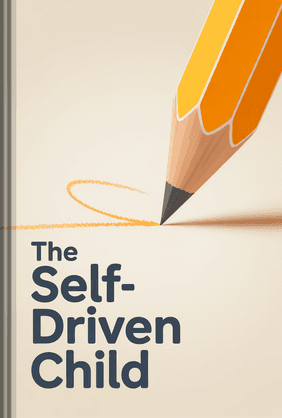
The Self-Driven Child
William Stixrud, Ph.D., Ned Johnson
43 Duration9 Key Points4.3 RateFAQ
Are the illustrated editions good for younger readers?
Yes. The Jim Kay illustrated editions are the best entry point for kids aged 7 to 9. The full-color images help break up the dense text, reduce reading fatigue, and provide visual context for complex scenes or unfamiliar British terms, making the story much more accessible for early elementary students.
Yes. The Jim Kay illustrated editions are the best entry point for kids aged 7 to 9. The full-color images help break up the dense text, reduce reading fatigue, and provide visual context for complex scenes or unfamiliar British terms, making the story much more accessible for early elementary students.
What if my 8-year-old wants to read the later books right away?
It is highly recommended to pause or slow down. Even if they possess the reading level for Harry Potter books 4 through 7, the emotional content (character deaths, torture, dark political themes) is intense. Pivot them to lighter fantasy series for a year or two before allowing them to return to the darker Hogwarts years.
It is highly recommended to pause or slow down. Even if they possess the reading level for Harry Potter books 4 through 7, the emotional content (character deaths, torture, dark political themes) is intense. Pivot them to lighter fantasy series for a year or two before allowing them to return to the darker Hogwarts years.
Is it cheating if my child listens to the audiobook instead?
Not at all. Audiobooks are incredibly beneficial. They expose kids to advanced vocabulary, proper pronunciation, and complex narrative structures without the friction of decoding text. For a reluctant reader, listening to Jim Dale's narration on Audible is a perfect way to build their love for the story and boost their reading comprehension.
Not at all. Audiobooks are incredibly beneficial. They expose kids to advanced vocabulary, proper pronunciation, and complex narrative structures without the friction of decoding text. For a reluctant reader, listening to Jim Dale's narration on Audible is a perfect way to build their love for the story and boost their reading comprehension.
Do British words make the series too hard for American kids to understand?
While American editions changed some words (like "Sorcerer" instead of "Philosopher"), many British terms remain (like jumper for sweater or trainers for sneakers). Kids easily pick up these meanings through context clues. It rarely hinders comprehension and actually serves as a fun way to expand their vocabulary.
While American editions changed some words (like "Sorcerer" instead of "Philosopher"), many British terms remain (like jumper for sweater or trainers for sneakers). Kids easily pick up these meanings through context clues. It rarely hinders comprehension and actually serves as a fun way to expand their vocabulary.