


You already know the drill. You set a goal that is Specific, Measurable, Achievable, Relevant, and Time-bound. You map out the steps, start strong, and then reality hits. Market dynamics shift, personal emergencies arise, or your initial timeline proves completely inaccurate. The traditional framework forces a harsh binary: push blindly toward an outdated target or abandon the project entirely. This rigid pass/fail dynamic is exactly where standard productivity systems break down.
When your operating environment is unpredictable, rigid targets become liabilities. You do not need better discipline; you need a better framework.
The Smart vs Smarter Acronym: Deconstructing the Upgrade
To understand the shift, we must look at the mechanics of the acronyms. Both frameworks share the same foundational elements:
- Specific: Clearly defined outcomes.
- Measurable: Quantifiable metrics to track progress.
- Achievable: Realistic based on current resources.
- Relevant: Aligned with broader objectives.
- Time-bound: Attached to a strict deadline.
The smart vs smarter acronym diverges after the deadline is set. The upgraded framework introduces two crucial mechanisms that transform a static statement into a living system:
E: Evaluate
Evaluation is the systemic process of stepping back from execution to analyze the trajectory. In traditional goal-setting, evaluation typically happens only at the deadline. Did you hit the target or not? The "E" shifts evaluation from a post-mortem to a continuous diagnostic. It requires scheduling deliberate intervals to check not just your progress, but the continued validity of the goal itself.
R: Readjust (or Reward/Review)
Depending on the specific management school, the final "R" stands for Readjust, Reward, or Review. Readjustment is the most critical function. It represents the sanctioned ability to change your approach, alter your timeline, or modify the scope of the goal based on the data gathered during the Evaluation phase. It is the built-in pivot.
Analyzing the Difference Between SMART and SMARTER Goals
The fundamental difference between smart and smarter goals is the shift from a linear path to a cyclical feedback loop.
The Flaw of the Linear Approach
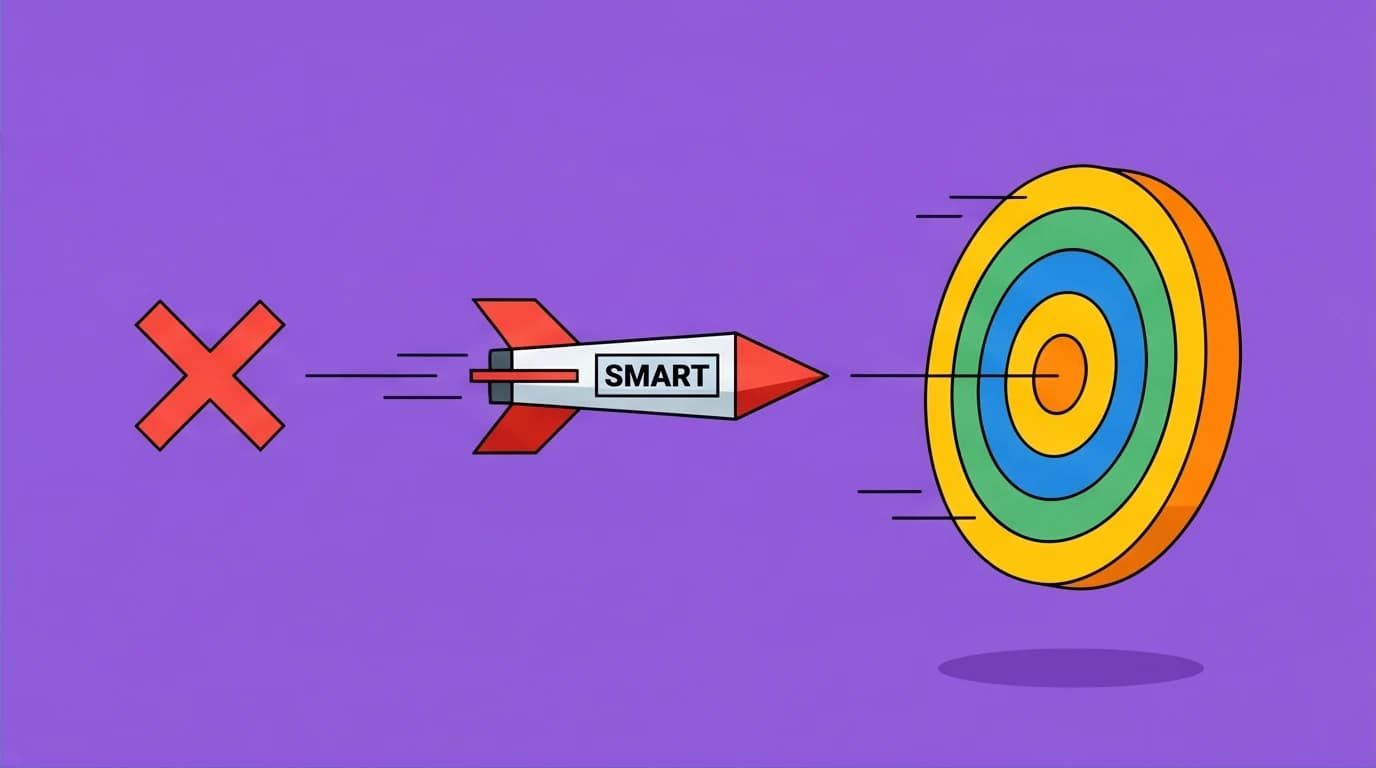
A standard SMART goal operates like a launched missile. Once you program the coordinates and hit the launch button, it flies toward the target. If a crosswind knocks it off course, or if the target moves, the missile still hits the original empty coordinate. You executed the plan perfectly, but you failed the mission.
The Advantage of the Cyclical Approach
A SMARTER goal operates like a guided drone. It has a target, but it also has sensors (Evaluate) and steering mechanisms (Readjust). It constantly checks its telemetry against reality and alters its flight path to ensure it actually hits what matters.
If you set a goal to read 50 books in a year and track it on Goodreads, a SMART goal focuses solely on hitting the number by December 31. If you fall behind by March due to an intense work project, the math becomes daunting. Motivation drops. You quit.
With a SMARTER goal, your March evaluation reveals the reading deficit. You readjust. You lower the target to 30 books, or you pivot your strategy to include Audible audiobooks during your daily 20-mile commute. The framework adapts to keep you in the game.
Seeing this principle in action with different scenarios can make it click.
And if even full audiobooks feel like too much of a time commitment, you can adapt your learning method further to get the core ideas in a fraction of the time.

Crush your reading goals by listening to key ideas from bestselling books in just 15-minute sessions during your commute or workout.

Download LeapAhead App now
If you often find yourself abandoning annual resolutions by the time spring rolls around, you might need to rethink your timeline altogether. Shrinking your execution window forces you to stay engaged and evaluate your progress before it is too late to recover. To master this cyclical, shorter-term approach to goal setting, The 12 Week Year is an absolute game-changer. It teaches you how to ditch the annualized thinking that leads to complacency and instead treat every quarter like a full year, complete with its own feedback loops and hard deadlines.

The 12 Week Year
Brian P. Moran, Michael Lennington
 39 Duration
 7 Key Points
 4.6 Rate
Why SMARTER Goals Are Better for Complex Objectives
Understanding why smarter goals are better requires looking at the psychology of high achievers and the reality of long-term execution. The upgraded system solves three massive friction points.
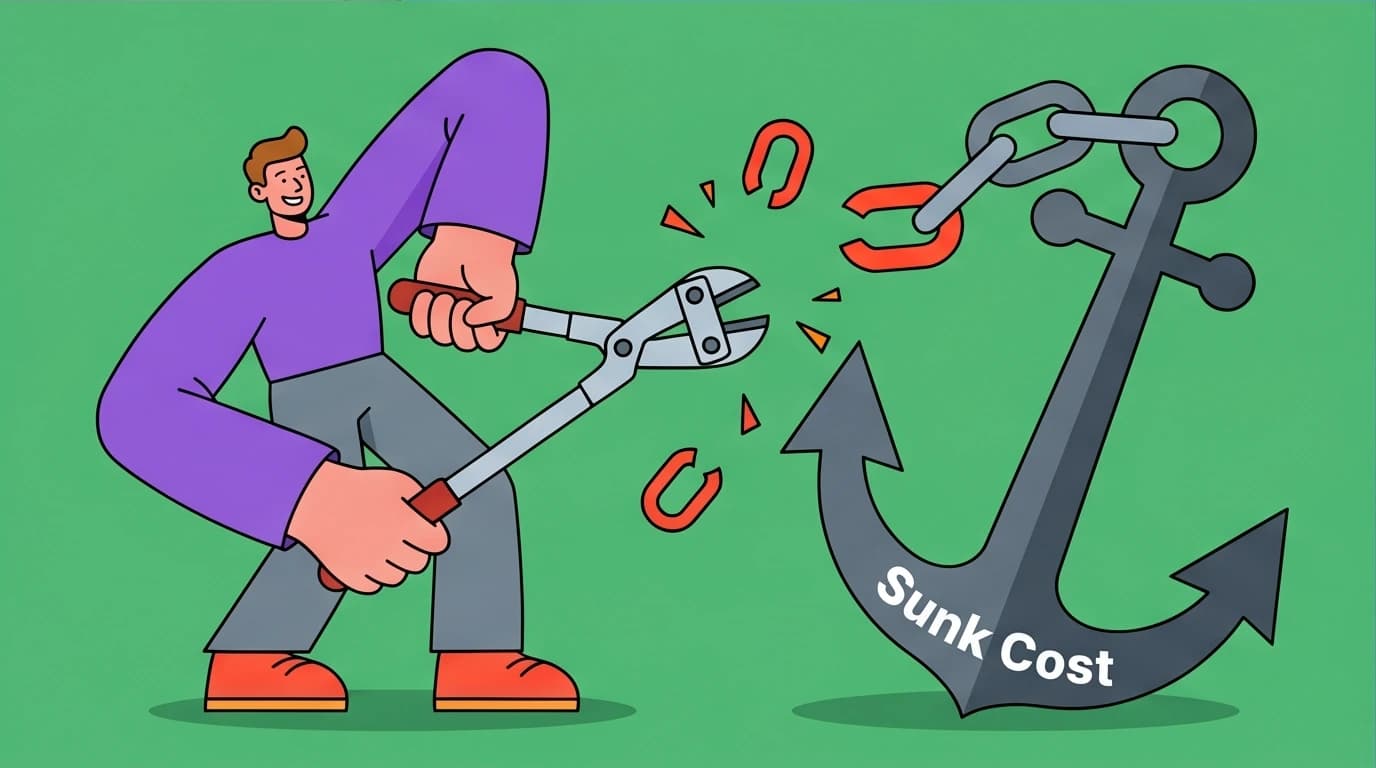
1. Eliminating the "Sunk Cost" Trap
People often stick to failing strategies because they have already invested heavy resources into their original SMART goal. Continuous evaluation creates natural exit ramps. It allows you to look at a project objectively and say, "The market conditions have changed. The original target is no longer relevant." Quitting an obsolete goal is not a failure; it is excellent resource allocation.
2. Preserving Psychological Capital
Motivation is a finite resource. Missing minor milestones on a rigid timeline drains psychological capital. When you have the permission to readjust built into your system, a missed milestone is no longer a failure—it is simply a data point indicating that a timeline extension or a scope reduction is necessary. You maintain momentum because the system bends instead of breaking.
3. Adapting to Resource Fluctuations
Your time, budget, and energy are never static. A startup might set a SMART goal to launch a new software feature by Q3, budgeting $50,000 for development. If supply chain issues or developer turnover cut their effective bandwidth in half, pushing the original goal is a recipe for burnout and subpar code. The SMARTER framework triggers an evaluation, leading to a readjusted goal: launch a beta version with half the features, keeping the Q3 timeline but reducing the scope.
One of the biggest reasons we fail to adapt our goals during these resource fluctuations is the toxic belief that adjusting our targets means we are quitting. In reality, letting go of rigid perfectionism is exactly what gives you the stamina to cross the finish line. If you struggle with the emotional weight of "failing" to hit your original projections, Jon Acuff's Finish is a brilliant read. It dismantles the perfectionist mindset that traps us in the sunk-cost fallacy and offers hilarious, practical advice on how to give yourself the grace to readjust and actually complete what you start.

Finish
Jon Acuff
17 Duration7 Key Points4.6 RateUpgrading SMART Goals: A Step-by-Step Transition
Upgrading smart goals does not mean discarding your current planning methods. It means bolting a guidance system onto the engine you already built. Here is how to implement the upgrade practically.
For a complete walkthrough of the entire goal-setting process, from brainstorming to final review, our detailed guide provides a template you can follow.
Step 1: Establish the Evaluation Cadence
An evaluation only works if it is on the calendar. Do not rely on "checking in when you have time." Tie your evaluation intervals to the duration and volatility of the goal.
- High-Volatility Short-Term Goals: (e.g., A 30-day marketing sprint). Evaluate weekly.
- Medium-Term Goals: (e.g., Losing 15 pounds, writing a 60,000-word manuscript). Evaluate bi-weekly or monthly.
- Long-Term Corporate Goals: (e.g., Expanding operations into three new US states). Evaluate quarterly.
Step 2: Define the Evaluation Metrics
During your evaluation, ask specific, diagnostic questions. Do not just look at the dashboard; look behind the numbers.
- Are we on pace to hit the deadline?
- Are the assumptions we made at the start still accurate?
- Is the current strategy burning out the team or depleting resources too fast?
- Does this goal still align with our core values or bottom line?
Of course, evaluating your metrics is only effective if you are tracking the right data from day one. Many organizations and individuals fail simply because they measure the wrong inputs. If you want to dive deeper into building evaluation metrics that actually drive performance—whether for a solo project or a massive corporate team—John Doerr's Measure What Matters is the definitive guide. It breaks down the Objectives and Key Results (OKR) framework used by tech giants to keep their teams aligned, making it incredibly easy to see which levers you need to pull during your readjustment phase.

Measure What Matters
John Doerr
47 Duration9 Key Points4.5 RateIf you're eager to apply the frameworks from books like these but struggle to find the time to read them cover-to-cover, a summary app can be a great way to start.
Absorb the core lessons from influential business books like *Measure What Matters* in quick, 15-minute sessions to make smarter decisions without the heavy reading.
Download LeapAhead App now
Step 3: Implement the Readjustment Protocol
When the evaluation reveals a discrepancy, you must execute a readjustment. You have four distinct levers you can pull:
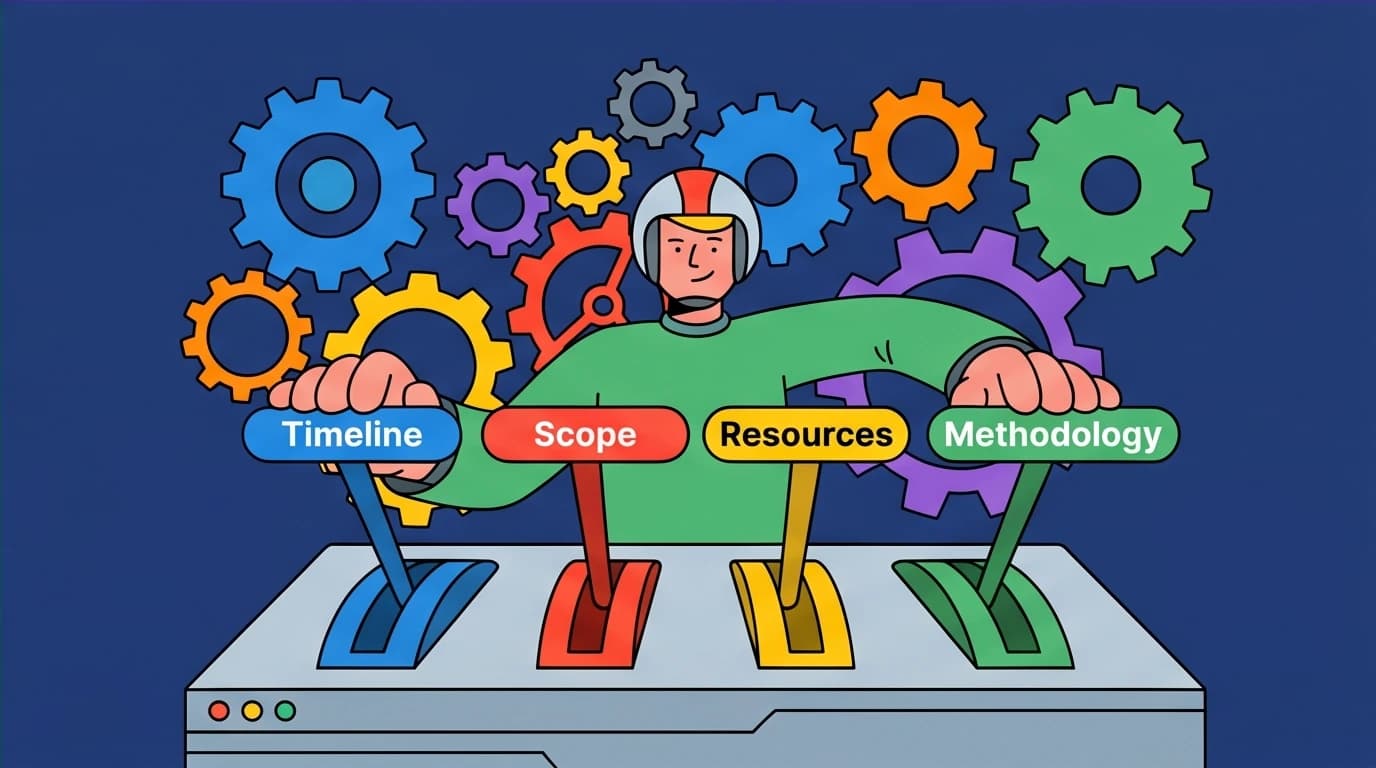
- Timeline: Extend the deadline. (e.g., Move the launch from October to November).
- Scope: Reduce the output. (e.g., Run a half-marathon instead of a full marathon after a minor ankle sprain).
- Resources: Increase the input. (e.g., Hire a freelance designer to speed up production).
- Methodology: Change the approach. (e.g., Stop cold-calling and shift the budget to Amazon PPC ads).
Step 4: Integrate the Reward Mechanism (Optional but Recommended)
If you prefer the 'R' to stand for Reward, build specific incentives into your milestones. Long-term goals often fail because the payoff is too far in the future. Acknowledging small wins releases dopamine, reinforcing the behaviors required to reach the finish line. Treat your team to a premium dinner when a difficult phase is completed, or buy yourself that new piece of tech after hitting a massive personal milestone.
Common Pitfalls When Implementing SMARTER Goals
Transitioning to a dynamic system introduces new variables. Watch out for these operational traps.
Trap 1: Analysis Paralysis During Evaluation
Evaluation is meant to be a swift diagnostic, not an endless philosophical debate. Set a strict time limit for your review sessions. A personal goal evaluation should take 15 minutes. A team project evaluation should take an hour. Look at the data, make a decision, and move back into execution.
Trap 2: Using "Readjust" as an Excuse for Mediocrity
The ability to readjust is a safety net for unpredictable circumstances, not a license to lower your standards the moment the work gets difficult. Before you reduce the scope of a goal, verify that the obstacle is genuinely structural and not just temporary fatigue. A rule of thumb: never readjust a goal downward on a bad day. Wait for your scheduled evaluation period to make objective changes.
Trap 3: Tracking Vanity Metrics
When evaluating, ensure you are looking at the right data. If your goal is to grow an email list, evaluating your daily website traffic is a vanity metric. It feels good but does not reflect actual progress. Evaluate the conversion rate. Adjusting your strategy based on the wrong metrics will steer your project right into the ground.
Making the Shift Permanent
The highest performers do not stick to rigid plans when reality dictates otherwise. They adapt. Transitioning from a static framework to a dynamic system requires a mindset shift from "pass/fail" to "test and learn." By actively utilizing the final two phases—Evaluation and Readjustment—you stop fighting against friction and start using it as steering data. You build resilience directly into your process.
Making this dynamic shift from static planning to an agile, test-and-learn mindset is what separates serial achievers from chronic planners. Once you build the habits of continuous evaluation and strategic readjustment into your daily routine, no unforeseen obstacle can permanently derail your progress. If you are looking for a comprehensive blueprint to tie all these concepts together and design a roadmap for your next big milestone, Your Best Year Ever by Michael Hyatt is highly recommended. It provides a structured, step-by-step system for setting resilient goals that survive the friction of real life.

Your Best Year Ever
Michael Hyatt
49 Duration8 Key Points4.6 RateThis article has recommended several excellent books to help you master goal achievement. For a more comprehensive list of essential reading, check out our curated guide.
FAQ
How frequently should I evaluate my SMARTER goals?
The frequency depends on the length and complexity of the goal. For a one-year objective, a monthly evaluation is standard. For a fast-paced 90-day project, a weekly check-in is required. The rule is simple: evaluate often enough to catch a deviation before it becomes unfixable, but not so often that you spend more time analyzing than executing.
Does the final 'R' stand for Readjust, Reward, or Review?
It depends on the specific variation of the framework you follow, but "Readjust" offers the highest practical value. "Review" is largely redundant with "Evaluate." "Reward" is excellent for psychological momentum, but "Readjust" provides the actual operational mechanism needed to pivot when a project goes off course.
Are traditional SMART goals entirely obsolete now?
No. Standard SMART goals are still highly effective for short-term, highly predictable, and low-complexity tasks where variables rarely change. For example, completing a specific certification course within 30 days is well-suited for a basic SMART setup. However, for any goal stretching across months or involving moving parts (teams, markets, health), the SMARTER upgrade is necessary to handle the complexity.
Can readjusting a goal lead to a lack of accountability?
It can, if handled poorly. To prevent readjustment from becoming a loophole for laziness, require justification. If you are managing a team, require a brief root-cause analysis before approving a timeline extension. If you are managing yourself, write down exactly why you are modifying the goal. Accountability remains high when changes are documented and based on data rather than emotion.