


You finished the massive three-hour podcast episode and walked away completely rethinking your relationship with your smartphone, sugar, or streaming habits. But a few weeks later, you find yourself right back in the same doom-scrolling loop. Re-listening to an intense neurobiology lecture isn't practical when you just need the actionable steps right now. You need the exact framework to stop spiking your dopamine and crashing your focus.
Here is the structured digest of the exact science, insights, and protocols Dr. Lembke shared.
The Pleasure-Pain Balance Explained
If there is one concept that anchors every Andrew Huberman dopamine discussion, it is the concept of your baseline. Dr. Lembke, Stanford's chief of addiction medicine, introduced a profound yet simple analogy during her podcast appearances: the pleasure-pain seesaw.
Your brain processes pleasure and pain in the exact same place. Imagine a seesaw in your brain. When you do something highly rewarding—eating junk food, checking social media notifications, or playing video games—the seesaw tips heavily toward the pleasure side.
Here is the catch: your brain naturally seeks homeostasis. It wants that seesaw perfectly level.
To counteract the massive rush of pleasure, your brain releases "gremlins" that jump on the pain side of the seesaw to bring it back down. But they do not just level it out. They stay on a bit too long, pushing the seesaw into the pain deficit zone. This is that immediate feeling of emptiness, irritability, or craving you feel the second you close Instagram or finish a binge-watch session.

If you constantly bombard your brain with high-dopamine stimuli, those gremlins set up a permanent camp on the pain side. Your baseline dopamine drops. You now need more of the substance or behavior just to feel "normal," and everything else in life (like reading a book or going for a walk) feels impossibly boring.
Dr. Lembke’s analogy of the pleasure-pain seesaw is just the tip of the iceberg when it comes to understanding our modern reward circuitry. If you want to dive deeper into the clinical research she discussed on the Huberman Lab podcast, her definitive book on the subject is an absolute must-read. It beautifully breaks down the neuroscience of addiction while providing real-world case studies to help you reclaim your baseline in a world engineered for instant gratification.
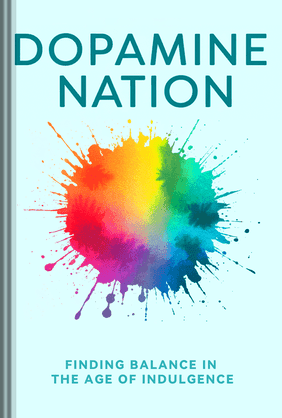
Dopamine Nation
Anna Lembke, M.D.
 20 Duration
 8 Key Points
 4.6 Rate
Getting through a dense book like Dopamine Nation can be a challenge, especially when your focus is still recovering. If you want to absorb these critical ideas without the heavy lifting, an app can help bridge the gap.

Grasp the core lessons from books like Dopamine Nation in just 15 minutes, making it easier to apply these concepts even with a low dopamine baseline.
Download LeapAhead App now
Core Insights from the Top Dr Anna Lembke Podcast Appearances
Dr. Lembke did not just drop these insights in one place. Her ideas have permeated the top health and culture platforms, but she tailored her message depending on the audience.
During her Dopamine Nation interview on the Huberman Lab, the focus was heavily on neurobiology and strict clinical protocols. Huberman and Lembke dissected exactly what happens at the synaptic level when we stack dopamine hits (like drinking a highly caffeinated pre-workout while listening to fast-paced music and scrolling TikTok simultaneously). The takeaway? Stacking cheap dopamine guarantees a devastating crash.
Conversely, the Anna Lembke Joe Rogan appearance explored the cultural and societal impact of this dopamine deficit. They discussed how modern society has engineered highly potent digital drugs. Whether it is hyper-palatable foods engineered for maximum crunch and flavor, or video games optimized for constant psychological rewards, we are living in a world optimized for addiction.
The universal truth across all her interviews is this: you cannot think your way out of a dopamine deficit. You have to change your behavior to force the brain to adapt.
The 30-Day Dopamine Fast: The Action Plan
To kick the gremlins off the pain side of your seesaw and restore a healthy dopamine baseline, Dr. Lembke prescribes a strict 30-day abstinence period.
This is not about retreating to a cave and giving up all joy. It is about identifying your specific D.O.C. (Drug of Choice)—the specific behavior you lose control over—and cutting it out entirely for one month.
Here is exactly how this 30-day protocol plays out in reality.
Week 1: The Crash
The first few days are going to be miserable. Your brain is used to getting its cheap dopamine hits, and suddenly, the supply is gone. You will experience withdrawal. This manifests as severe cravings, anxiety, irritability, and a feeling that time is moving incredibly slowly. If your trigger is social media, you will instinctively reach for your phone 50 times a day only to remember you deleted the apps. Expect a dip in mood.
Week 2: The Flatline
The intense cravings will start to subside, but you might feel lethargic or unmotivated. Your brain is realizing that the massive spikes of pleasure are no longer coming, and it is slowly starting to downregulate those pain-side gremlins. You need to push through this phase. Do not substitute your primary addiction with a new one (e.g., quitting video games but suddenly spending four hours a day on Amazon or bingeing Netflix).
Week 3: The Thaw
This is when the magic happens. Your dopamine receptors are regenerating. You will suddenly notice that things you previously found boring are starting to feel engaging again. You might find yourself naturally wanting to organize your workspace, take a walk outside without headphones, or actually enjoy reading a physical book from Barnes & Noble. Your baseline is resetting.

Week 4: The New Baseline
By day 30, your pleasure-pain seesaw is back to level. You have reclaimed your dopamine baseline. From here, you have a choice. Some people realize they cannot moderate their behavior and choose lifelong abstinence from their specific trigger. Others attempt to reintegrate the behavior with strict boundaries (like limiting app usage to 30 minutes only on weekends).
Once your 30-day fast is over, figuring out how to reintegrate screens without slipping back into your old doom-scrolling habits is your next major challenge. Establishing firm, realistic boundaries around your smartphone usage is essential for protecting your freshly restored dopamine receptors. If you are looking for a concrete, long-term philosophy to help you intentionally use technology rather than being controlled by it, this resource offers a phenomenal blueprint for maintaining a focused life.
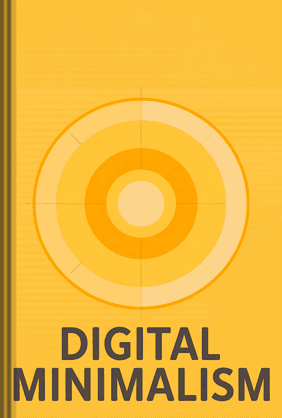
Digital Minimalism
Cal Newport
20 Duration8 Key Points4.7 RateHormesis: Micro-Dosing Pain to Buy Pleasure
If hitting the pleasure side of the seesaw causes a pain reaction, can you hack the system by hitting the pain side first? Yes.
Both Huberman and Lembke highly advocate for "hormesis"—the practice of seeking out healthy, controlled pain to trigger a natural, long-lasting release of dopamine. When you intentionally press on the pain side of the seesaw, your brain's homeostasis mechanism kicks in and triggers a slow, sustained wave of pleasure and focus to balance it out.
Here are the best ways to apply this:
- Cold Exposure: Getting into a cold plunge or taking a cold shower (around 50 degrees Fahrenheit) is a massive shock to the system. The pain is immediate. However, studies show that cold exposure can increase your baseline dopamine by up to 250%, and unlike a sugar hit, this elevation lasts for hours without a crash.
- Intense Exercise: Running a few miles, lifting heavy weights, or doing high-intensity interval training requires significant upfront effort and discomfort. The runner's high is simply your brain rewarding you for enduring that physical stress.
- Intermittent Fasting: Experiencing mild hunger without immediately satisfying it builds psychological resilience and forces the brain to upregulate focus and alertness.

Embracing practices like 50-degree Fahrenheit cold plunges and intense physical training can sound incredibly intimidating at first, but mastering these intentional stressors is a proven way to sustainably elevate your drive. If you want a structured approach to conquering the initial discomfort of cold exposure—and learning the exact breathing protocols to calm your nervous system in the process—studying the methods of the world's leading cold-therapy advocate is a perfect next step.

The Wim Hof Method
Wim Hof
20 Duration8 Key Points4.6 RateCommon Mistakes When Resetting Dopamine
Understanding the protocol is easy; executing it is where most people fail. Watch out for these highly common pitfalls:
1. The "All or Nothing" Trap
You do not need to quit caffeine, sugar, social media, alcohol, and video games all on the same day. Trying to reset every dopamine pathway simultaneously usually leads to a massive burnout and a complete relapse by day four. Pick your absolute worst offender—the one behavior that drains your time and makes you feel terrible afterward—and target that first.
You do not need to quit caffeine, sugar, social media, alcohol, and video games all on the same day. Trying to reset every dopamine pathway simultaneously usually leads to a massive burnout and a complete relapse by day four. Pick your absolute worst offender—the one behavior that drains your time and makes you feel terrible afterward—and target that first.
2. White-Knuckling Without Friction
Relying entirely on willpower is a losing game. If you are trying to quit junk food but keep a pantry full of cookies, you will eventually cave. You need to engineer your environment. Put your phone in another room while working. Block specific websites on your router. Cancel your Audible or streaming subscriptions if you are addicted to binge-listening or watching to escape reality. Make the bad habit physically difficult to execute.
Relying entirely on willpower is a losing game. If you are trying to quit junk food but keep a pantry full of cookies, you will eventually cave. You need to engineer your environment. Put your phone in another room while working. Block specific websites on your router. Cancel your Audible or streaming subscriptions if you are addicted to binge-listening or watching to escape reality. Make the bad habit physically difficult to execute.
3. The Rebound Effect
After successfully completing the 30 days, many people celebrate by indulging in their old habit. Because their receptors are fresh and highly sensitive, that single indulgence feels incredible, immediately tipping the seesaw and bringing the gremlins rushing back. If you decide to reintroduce your trigger, you must establish rigid, unbreakable rules regarding time and quantity beforehand.
After successfully completing the 30 days, many people celebrate by indulging in their old habit. Because their receptors are fresh and highly sensitive, that single indulgence feels incredible, immediately tipping the seesaw and bringing the gremlins rushing back. If you decide to reintroduce your trigger, you must establish rigid, unbreakable rules regarding time and quantity beforehand.
Relying solely on willpower during or after your dopamine fast is a guaranteed recipe for burnout. To truly prevent a rebound effect, you must proactively redesign your environment, making your negative triggers practically impossible to access while putting your positive routines on autopilot. If you need a proven, step-by-step framework for engineering your surroundings and building resilient systems that do not rely on sheer motivation, this modern habit-building classic is the ultimate playbook.

Atomic Habits
James Clear
26 Duration8 Key Points4.7 RateThis article recommends several powerful books, but finding the time to read them all can feel like another daunting task. For a way to get the key insights from these titles and more while you rebuild your habits, a summary tool can be incredibly effective.
Clear your self-improvement 'reading debt' by listening to key insights from classics like Atomic Habits during your commute or workout, turning downtime into learning time.
Download LeapAhead App now
FAQ
How long does it actually take to reset dopamine receptors?
Clinical experience shows that a minimum of 30 days of complete abstinence from your specific high-dopamine trigger is required to reset the brain's reward pathways. Anything less than four weeks is usually insufficient to clear out the biological adaptations caused by the addiction.
Clinical experience shows that a minimum of 30 days of complete abstinence from your specific high-dopamine trigger is required to reset the brain's reward pathways. Anything less than four weeks is usually insufficient to clear out the biological adaptations caused by the addiction.
Do I have to quit all social media, or just my specific problem apps?
Target your specific problem area. If you spend hours mindlessly scrolling short-form videos on one platform but use another strictly to message family members, you only need to delete the platform that causes the compulsive behavior.
Target your specific problem area. If you spend hours mindlessly scrolling short-form videos on one platform but use another strictly to message family members, you only need to delete the platform that causes the compulsive behavior.
Is the book Dopamine Nation worth reading if I already listened to the podcasts?
Yes. While the podcasts cover the high-level neuroscience and protocols, the book dives deep into the clinical case studies. Reading about real patients and their severe struggles with addiction provides incredible insight into human behavior and helps contextualize your own habits.
Yes. While the podcasts cover the high-level neuroscience and protocols, the book dives deep into the clinical case studies. Reading about real patients and their severe struggles with addiction provides incredible insight into human behavior and helps contextualize your own habits.
Can I use caffeine while doing a dopamine fast?
Unless caffeine is your specific drug of choice that is ruining your sleep and causing severe anxiety, you do not need to cut it out. The goal of the 30-day fast is to eliminate the highly compulsive behaviors that are derailing your life, not to remove every single enjoyable thing from your daily routine.
Unless caffeine is your specific drug of choice that is ruining your sleep and causing severe anxiety, you do not need to cut it out. The goal of the 30-day fast is to eliminate the highly compulsive behaviors that are derailing your life, not to remove every single enjoyable thing from your daily routine.