

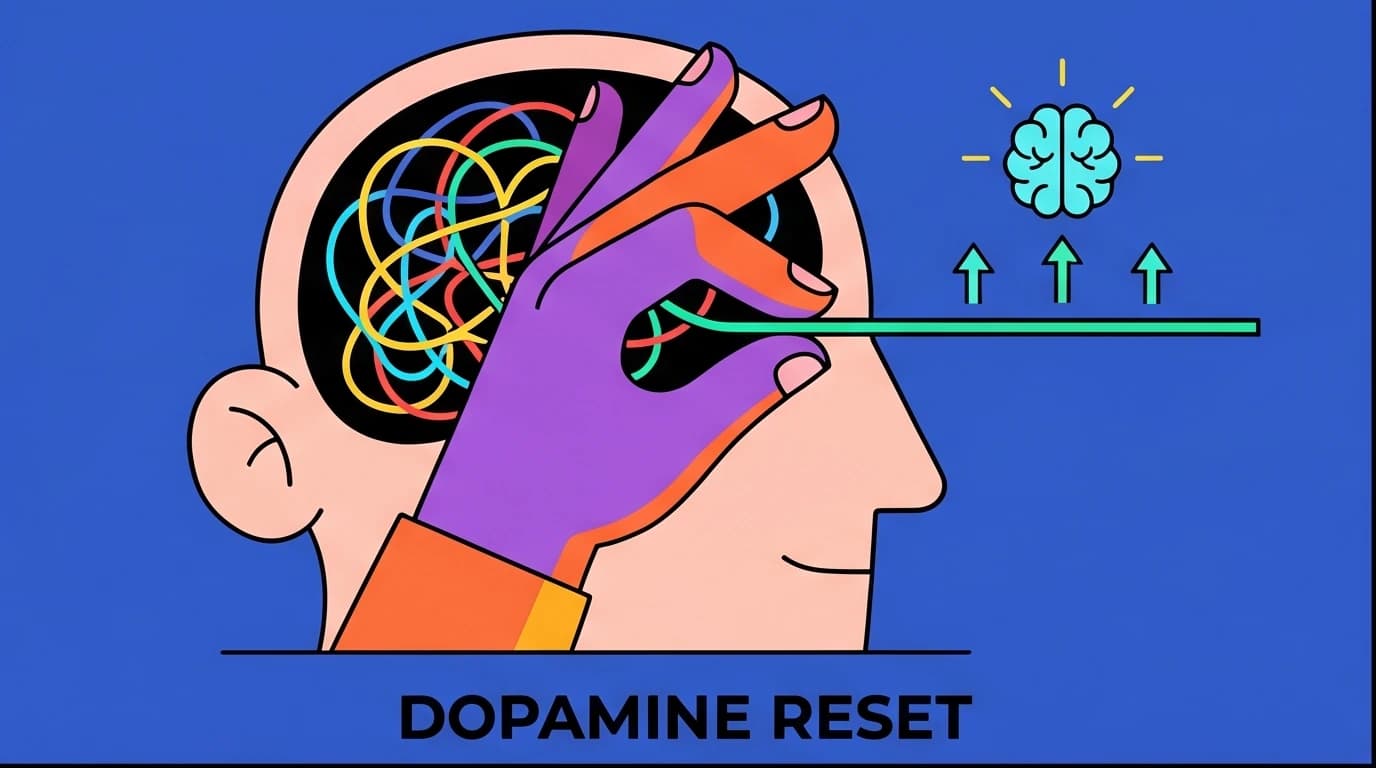
You listened to the two-hour deep dive, but you do not have time to scrub through the audio again to find the exact protocols. If you are struggling with brain fog, a lack of morning drive, or the constant urge to check your phone, your dopamine baseline is likely compromised. Modern life engineers us to be addicted.
The anna lembke huberman podcast episode remains a definitive masterclass on human motivation and addiction. As the author of Dopamine Nation and a Stanford addiction medicine specialist, Dr. Lembke provided a clinical, neurochemical framework to regain control of your focus.
This guide strips away the conversational filler and delivers the exact protocols, mechanisms, and biohacking strategies discussed in the episode.
The Core Mechanism: The Pain-Pleasure Seesaw
To fix your dopamine, you must understand how your brain regulates it. You cannot bypass homeostasis.
Dr. Lembke visualizes the brain’s reward system as a seesaw balanced on a central fulcrum. When you consume something highly rewarding (junk food, social media, video games), the seesaw tips toward pleasure. Dopamine spikes.
However, the brain demands equilibrium. To restore balance, it deploys what Dr. Lembke calls "gremlins" to jump on the pain side of the seesaw. This is the physiological comedown. If you continuously flood your system with high-dopamine activities, these gremlins multiply. Your brain downregulates its dopamine receptors to defend against the flood.
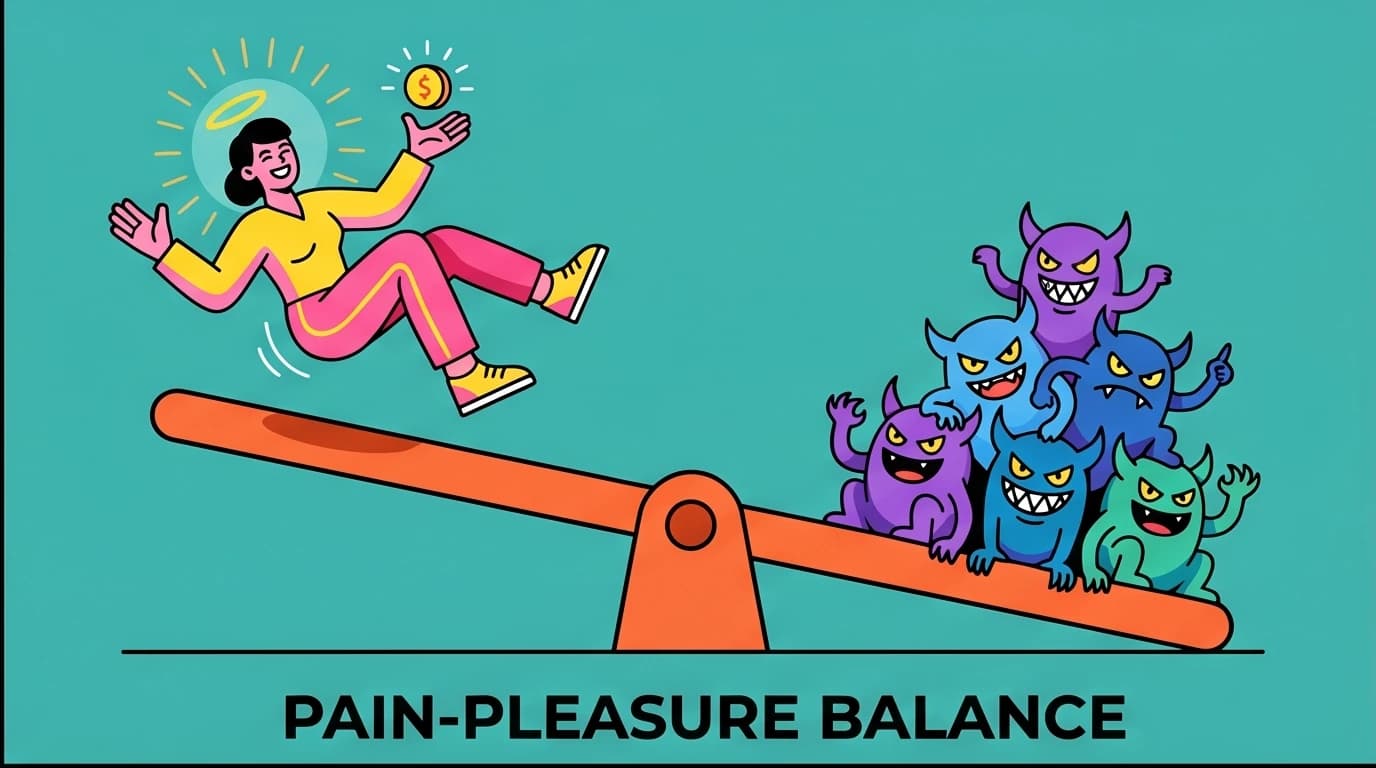
The result? You enter a chronic dopamine deficit state. Everyday tasks feel impossible. You need a massive hit of your drug of choice just to feel "normal." Understanding this dynamic is the foundation of every huberman lab dopamine protocol. You cannot spike your way to sustained motivation; you have to manage the baseline.
This concept of the seesaw is central to managing your dopamine. To truly understand how your brain weighs pleasure against pain and what triggers a dopamine deficit state, it's worth exploring the mechanism in more detail.
To truly grasp the profound impact of the pain-pleasure seesaw, you owe it to yourself to read Dr. Anna Lembke's groundbreaking work that inspired the podcast episode. While the Huberman interview provides an excellent summary, her full book dives much deeper into the neuroscience of overconsumption. Packed with gripping clinical case studies and compassionate insights into human behavior, it is the ultimate resource for understanding why we get hooked on everything from our smartphones to sugar—and exactly how to find balance again.
Dopamine Nation
Anna Lembke, M.D.
 20 Duration
 8 Key Points
 4.6 Rate
Protocol 1: The 30-Day Hard Reset
If you want to fix a broken reward system, tapering down rarely works. The standout protocol from the anna lembke interview is the 30-day hard reset.
This is not a vague suggestion to "use your phone less." It is a clinical intervention designed to force your brain to upregulate dopamine receptors.
Why 30 Days?
Neuroplasticity takes time. Dr. Lembke notes that 30 days is the minimum required to reset the brain's reward circuitry.
- Days 1-10 (The Withdrawal Phase): You will feel worse. Anxiety, irritability, and intense cravings peak here. The gremlins are still heavy on the pain side of the seesaw.
- Days 11-20 (The Adjustment Phase): The brain starts pruning the excess gremlins. Cravings become manageable.
- Days 21-30 (The Restoration Phase): Your baseline normalizes. Small things (like reading a physical book from Barnes & Noble, enjoying a walk, or doing deep work) become naturally rewarding again.
But if years of scrolling have shortened your attention span, jumping straight into a 300-page book can still feel like a hurdle. A great way to ease back into learning is by absorbing the core ideas of powerful books in short, manageable sessions.

Rebuild your focus by listening to key insights from bestselling books in just 15 minutes, making it easy to rediscover the joy of learning after a digital detox.

Download LeapAhead App now
How to Execute the Andrew Huberman Dopamine Detox
- Identify your drug of choice (DOC). This is the specific behavior you use to self-soothe. It could be TikTok, alcohol, pornography, or refined sugar.
- Abstain completely for 30 days. No cheat days. A single exposure resets the neurochemical clock.
- Prepare for the dip. Acknowledge that the first two weeks will be uncomfortable. Warn your family or roommates that you might be irritable.
While this protocol outlines the core steps, a successful dopamine fast involves navigating specific challenges and understanding the day-by-day process. For a comprehensive guide, we've broken down the rules and expectations for a complete reset.
Taking a full month away from your primary dopamine triggers can feel incredibly daunting, especially during those grueling first ten days of withdrawal. If you need a more structured, step-by-step roadmap to keep you on track, consider picking up a dedicated guide to dopamine fasting. Having a practical manual can help you navigate the cravings, eliminate hidden distractions, and reclaim your natural drive without feeling completely overwhelmed by the process.
Dopamine Detox
Thibaut Meurisse
29 Duration7 Key Points4.6 RateProtocol 2: Self-Binding Strategies
Willpower is a finite resource. If your phone is sitting on your desk, your prefrontal cortex is constantly burning energy trying to resist it. To successfully navigate the modern world, you must create friction between yourself and your dopamine triggers.
Dr. Lembke outlines three distinct self-binding methods to maintain your reset.
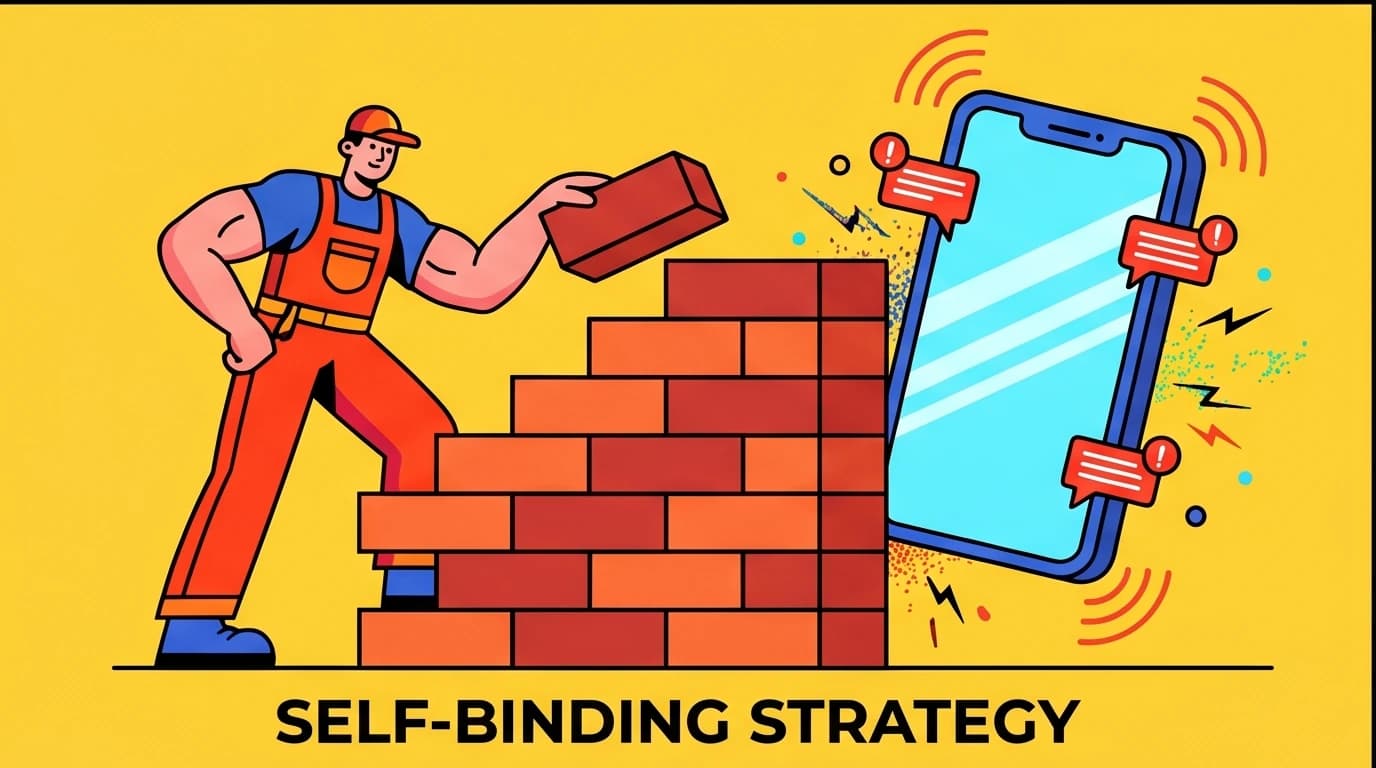
1. Spatial Binding (Physical Friction)
Put distance between you and the stimulus. If you are addicted to your smartphone, do not sleep with it in your bedroom. Charge it in the kitchen. If you struggle with binge eating junk food, do not keep it in your pantry. Force yourself to drive miles to the store if you really want it.
2. Chronological Binding (Time Limits)
Restrict your high-dopamine behaviors to specific time windows. You might allow yourself to check social media only between 6 PM and 7 PM. Outside of that window, the apps are blocked. This prevents the constant, low-grade dopamine dripping that destroys your baseline.
3. Categorical Binding (Behavioral Rules)
Avoid the "domino behaviors" that trigger a binge. If watching sports on TV always leads to drinking beer and eating junk food, you might need to categorize watching sports as a restricted activity during your detox. Categorical binding stops the behavioral cascade before it starts.
Creating physical and chronological barriers is much easier when you understand the underlying psychology of why we constantly seek out digital distractions. If you want to bulletproof your self-binding strategies and permanently take back your attention from the tech companies that actively try to hijack it, you need to learn how to master internal triggers. There is a fantastic resource that teaches you exactly how to engineer your environment so you can finally do deep, uninterrupted work.
Indistractable
Nir Eyal
23 Duration10 Key Points4.5 RateProtocol 3: Pressing on the Pain Side (Hormesis)
This is a favorite strategy in the biohacking community. If pressing on the pleasure side of the seesaw causes a pain response, pressing on the pain side of the seesaw triggers a sustained pleasure response.
By exposing yourself to deliberate, acute stressors (hormesis), you force the brain to release dopamine and endorphins to compensate. Unlike cheap dopamine from a screen, which spikes fast and crashes hard, dopamine earned through physical effort rises slowly and stays elevated for hours.

Cold Water Exposure
Both Huberman and Lembke highlight cold exposure as a premier tool for dopamine regulation. Plunging into 40-50 degree Fahrenheit water triggers a massive release of epinephrine and a gradual, sustained 250% increase in baseline dopamine. It resets the nervous system and builds grit.
Intense Physical Exercise
Lifting heavy weights or engaging in high-intensity interval training serves the same function. A physical discomfort during the workout acts as the weight on the pain side of the seesaw, resulting in a prolonged state of calm and elevated mood afterward.
Protocol 4: Radical Honesty
One of the most profound dopamine nation huberman notes is the neurobiological impact of telling the truth.
Dr. Lembke argues that lying—even small white lies—disconnects the prefrontal cortex from the emotion-regulating limbic system. Lying requires cognitive load and creates a state of chronic stress, tipping the seesaw out of balance.
Radical honesty does the exact opposite.
- It strengthens the neural pathways between the prefrontal cortex and the reward circuitry.
- It forces you to take accountability for your actions, preventing the self-deception required to maintain an addiction.
- It creates deeper, more authentic social connections, which naturally trigger the release of oxytocin and healthy dopamine.
Commit to telling the truth in all interactions. When you catch yourself exaggerating a story to sound better or lying about why you missed a deadline, correct yourself immediately. This rewires your brain for delayed gratification and resilience.
The link between honesty and dopamine regulation is a fascinating and often overlooked aspect of recovery. Dr. Lembke's work highlights how this practice isn't just a moral choice but a powerful tool for rebuilding a healthy reward system.
Integrating the Protocols into Your Life
You do not need to implement everything overnight. Start by identifying the single biggest dopamine leak in your daily routine. Is it scrolling first thing in the morning? Is it a dependence on caffeine to get through the afternoon?
Apply the 30-day reset to that specific behavior. Use spatial and chronological binding to ensure you do not fail in the first week. Once your baseline is stable, introduce deliberate pain through exercise or cold exposure to naturally elevate your baseline.
Fixing your dopamine is not about eliminating pleasure from your life. It is about restoring your brain's ability to find joy in effort, focus, and authentic connection.
Once you have successfully reset your dopamine baseline, your next major hurdle is filling that void with positive, healthy behaviors. Relying on sheer willpower to maintain your new lifestyle will eventually lead to burnout. Instead, you need to build robust, frictionless systems that make good choices automatic. If you are looking to cement the gains from your 30-day reset and transform your daily routine for the long haul, mastering the science of tiny behavioral changes is the ultimate next step.

Atomic Habits
James Clear
26 Duration8 Key Points4.7 RateFAQ
Does a dopamine detox mean I can't do anything fun?
No. The term "dopamine detox" is often misunderstood online as locking yourself in a dark room and staring at a wall. Dr. Lembke's clinical protocol focuses on eliminating your specific problematic behavior (your drug of choice) for 30 days. You can and should still engage in healthy activities like reading, exercising, socializing, and spending time in nature.
What if I fail during the 30-day reset?
If you slip up and engage in your restricted behavior, you must restart the clock. The 30-day timeline is tied to the physical upregulation of dopamine receptors in the brain. A single hit interrupts that biological process. Acknowledge the slip, analyze what triggered it, adjust your self-binding strategies, and start again at Day 1.
Can I use cold plunges to offset cheap dopamine consumption?
You cannot out-plunge a terrible dopamine diet. While cold exposure (40-50 Fahrenheit) does raise baseline dopamine significantly for several hours, it is not a cure-all. If you are still spending 6 hours a day doomscrolling or binge-eating, the cold plunge will only provide temporary relief. Fix the leaks in your dopamine system first by removing the cheap stimuli, then use cold exposure as a tool to elevate a healthy baseline.
How do I know if my dopamine baseline is actually broken?
Look for anhedonia—the inability to feel pleasure from things you used to enjoy. If you lack morning motivation, struggle to focus on single tasks for more than 10 minutes without picking up your phone, or feel a constant, low-grade sense of anxiety when you aren't stimulated, your baseline is likely depressed. The 30-day reset is the most effective diagnostic tool to find out.