

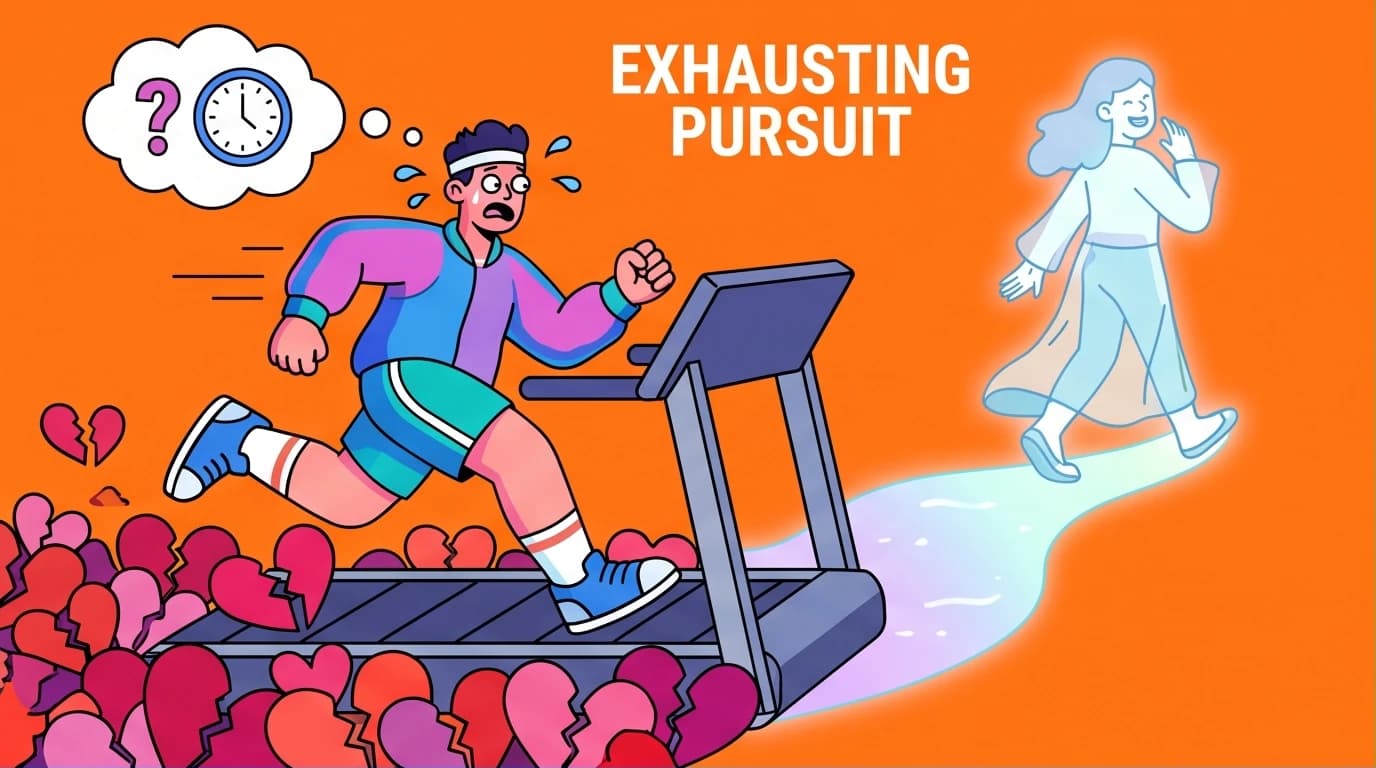
You are exhausted from the modern dating treadmill of ghosting, mixed signals, and anxiety-inducing situationships. You keep falling for people who pull away the second things get serious, leaving you wondering if you are just "too needy" or asking for too much. It is time to stop this cycle of heartbreak and use the science of adult attachment to completely rewire how you date.
The Brutal Reality of the Modern Dating Pool
If you feel like everyone you meet on dating apps is emotionally unavailable, you are not crazy. It is a mathematical reality highlighted in Amir Levine and Rachel Heller’s groundbreaking book.
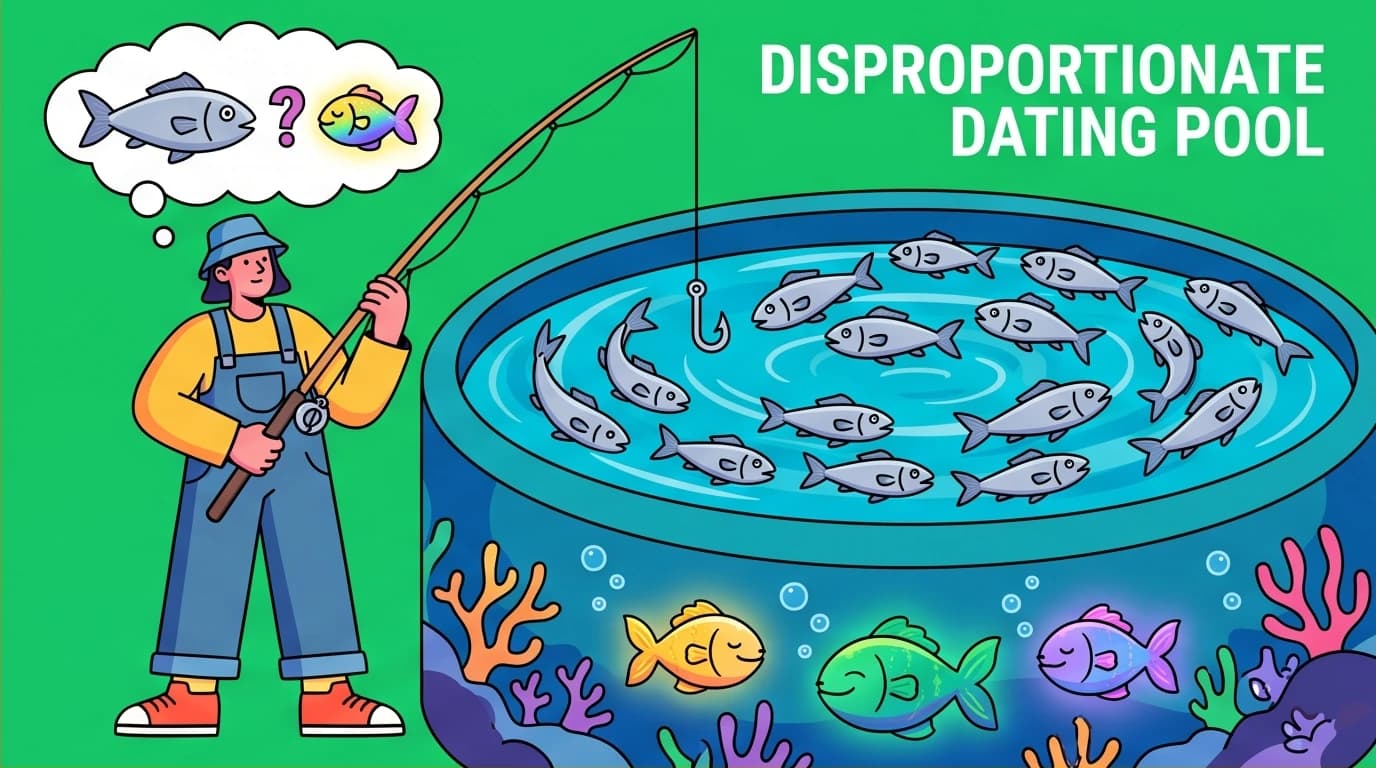
Securely attached people tend to get into relationships and stay there. They are largely off the market. Avoidant individuals, however, cycle through relationships quickly, ending things when they get too close, and jumping right back into the dating pool. This means your Tinder or Hinge stack is disproportionately filled with people who fear intimacy.
If you do not have a strategy, you will repeatedly match with the exact personality type built to trigger your insecurities. Applying attached book dating advice means flipping your approach entirely. You stop trying to win over people who keep you guessing, and you start screening for consistency.
If you want to fully grasp why you keep attracting emotionally unavailable people, you need to read the definitive guide on the subject. Amir Levine and Rachel Heller’s eye-opening book is the exact resource this entire dating philosophy is built upon. It will help you figure out your own attachment style, decode your partner's behavior, and give you the scientific validation you need to finally stop taking bad dates personally.
Before you can spot others' patterns, it helps to understand your own. The first step in applying this advice is identifying your primary attachment style.
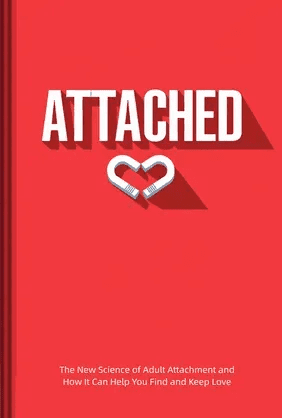
Attached
Amir Levine, PhD, Rachel Heller, MA
 48 Duration
 9 Key Points
 4.5 Rate
Spotting Attached Book Red Flags Early
You do not need to date someone for six months to figure out their attachment style. People reveal who they are in the first few weeks, often in the first few text exchanges.
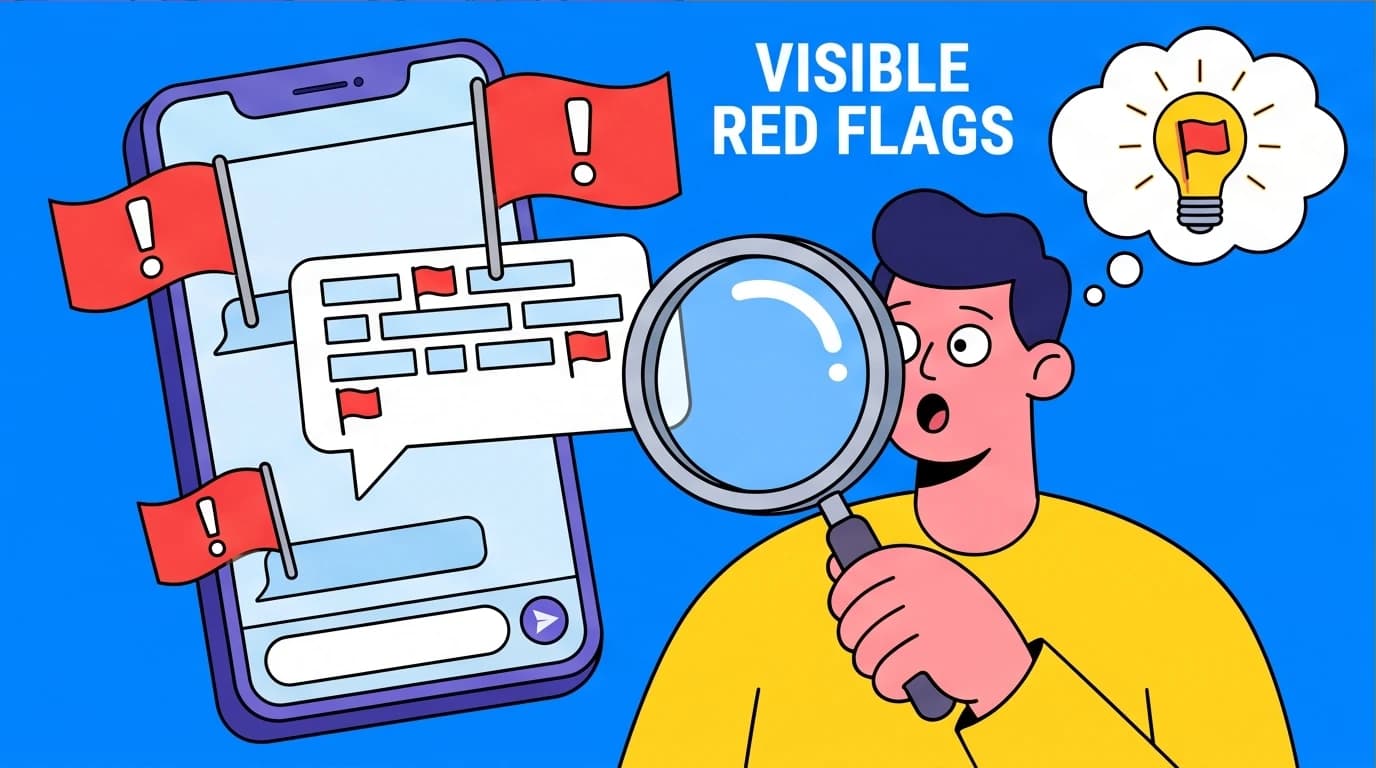
If you want to protect your peace, you must learn to identify attached book red flags before you get emotionally invested. Watch out for these early warning signs of an avoidant partner:
- Sending Mixed Signals: They text you constantly for three days, then disappear for a week. When you pull away, they suddenly reel you back in.
- The "Phantom Ex" Syndrome: They talk about a past partner in idealized terms, claiming no one can ever measure up, or they complain that all their exes were "crazy" and "smothering."
- Devaluing the Connection: They make subtle jokes about your interests, your job, or your appearance. This is a subconscious distancing strategy to keep you at arm's length.
- Rigid Boundaries: They refuse to compromise on small things. If you want to meet at a coffee shop two miles away but they insist you drive to the one on their block, they are prioritizing extreme independence over mutual care.
- Ambiguous Plans: They love saying "let's play it by ear" or "let's see how the week goes." They avoid locking down Friday night plans until Friday afternoon.
When you see these behaviors, do not try to fix them. Do not assume you will be the exception to their rule. Walk away.
Walking away from someone who gives you breadcrumbs of affection is incredibly difficult, especially when you are actively making excuses for their behavior. If you need a humorous but firm reality check to help you identify when someone simply isn't making you a priority, there is a classic relationship guide that pairs perfectly with attachment theory. It is the ultimate tough-love manual for recognizing red flags and refusing to settle for mixed signals.

He's Just Not That Into You
Greg Behrendt, Liz Tuccillo
12 Duration6 Key Points4.2 RateBuilding a reading list to improve your dating life is a great first step, but finding the time to get through it all can be a challenge on its own.

This app provides 15-minute summaries of key relationship books, helping you quickly absorb the essential advice you need to stop dating unavailable partners.

Download LeapAhead App now
The Strategy for Finding a Secure Partner
Many anxious daters completely miss out on great matches because they mistake a healthy connection for "boredom." When you are used to the emotional rollercoaster of an avoidant partner, the consistency of a secure person might initially feel like a lack of chemistry.
Finding a secure partner requires you to re-evaluate what an actual green flag looks like. Here is what you should actively look for:
They Are Reliable and Consistent
If they say they will call at 7 PM, your phone rings at 7 PM. They make solid plans days in advance. You never have to stare at your screen wondering if they forgot about you.
They Make Decisions with You
Secure partners naturally factor you into their lives. They ask about your preferences, check in on your schedule, and are perfectly fine adjusting their plans so you both feel comfortable.
They Do Not Play Games
They will double-text. They will tell you they had a great time after a date without waiting the arbitrary "three days" to look cool. They are comfortable showing interest and vulnerability.
Recognizing a secure partner is only half the battle; the other half is unlearning the bad dating habits that keep you stuck on the apps. If you are struggling to re-evaluate your 'type' or find yourself constantly dismissing great people because they lack that initial anxious spark, you might want to dive into behavioral science. Logan Ury offers a fantastic framework for navigating modern dating, helping you figure out your blind spots so you can finally choose someone who will choose you back.
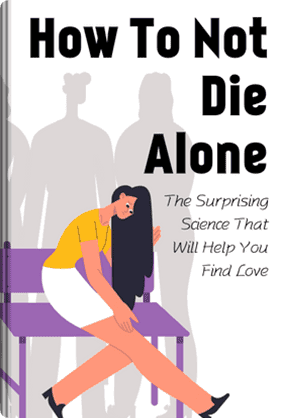
How To Not Die Alone
Logan Ury
25 Duration10 Key Points4.7 RateMastering Effective Communication Attached
The biggest mistake anxious daters make is pretending they do not care. You swallow your needs, act "chill," and accept casual hookups hoping it will eventually turn into a committed relationship.
The book emphasizes that effective communication attached is your strongest filtering tool. You must state your needs clearly and unapologetically. If stating your basic relationship needs scares someone away, that is the exact result you want. They just filtered themselves out.
Real-World Scripts for Early Dates
Instead of playing defense, try using these direct communication strategies early in the dating process:
Scenario 1: You want a serious relationship, but their dating app profile says "figuring it out."
What to say on Date 1 or 2: "I'm at a point where I'm looking for something meaningful and long-term. I totally respect if you're just looking for fun, but I want to be upfront so we don't waste each other's time. What are you looking for?"
The Secure Response: "I appreciate you saying that. I'm also looking for something serious."
The Avoidant Response: "Whoa, let's not put labels on things. I just want to go with the flow." (Exit immediately).
What to say on Date 1 or 2: "I'm at a point where I'm looking for something meaningful and long-term. I totally respect if you're just looking for fun, but I want to be upfront so we don't waste each other's time. What are you looking for?"
The Secure Response: "I appreciate you saying that. I'm also looking for something serious."
The Avoidant Response: "Whoa, let's not put labels on things. I just want to go with the flow." (Exit immediately).
Scenario 2: They haven't texted you in two days, and you are feeling anxious.
What to say: "Hey! I really enjoy hanging out with you, but I work best with people who like to keep in touch between dates. Just wanted to put that out there!"
The Secure Response: "My bad! Work has been crazy, but I'll make sure to be better at texting. How's your day?"
The Avoidant Response: Silence, or "I'm just a bad texter, you shouldn't take it personally." (Exit immediately).
What to say: "Hey! I really enjoy hanging out with you, but I work best with people who like to keep in touch between dates. Just wanted to put that out there!"
The Secure Response: "My bad! Work has been crazy, but I'll make sure to be better at texting. How's your day?"
The Avoidant Response: Silence, or "I'm just a bad texter, you shouldn't take it personally." (Exit immediately).
Direct communication acts as a force field against avoidant individuals. They hate expectations, so when you set a clear one, they will naturally step back, saving you months of anxiety.
The dynamic between an anxious and avoidant person is often called a "trap" for a reason. Understanding the mechanics behind this push-and-pull can empower you to break the cycle for good.
Using these direct scripts can feel terrifying if you are not used to standing up for yourself. Setting relationship expectations requires a solid understanding of your own limits and the courage to enforce them. If you struggle to speak your truth without feeling guilty, learning how to establish healthy boundaries is your next essential step. Nedra Glover Tawwab’s expert advice will teach you how to clearly communicate your needs—both in the dating world and in your everyday life—so you can date with absolute confidence.
Set Boundaries, Find Peace
Nedra Glover Tawwab
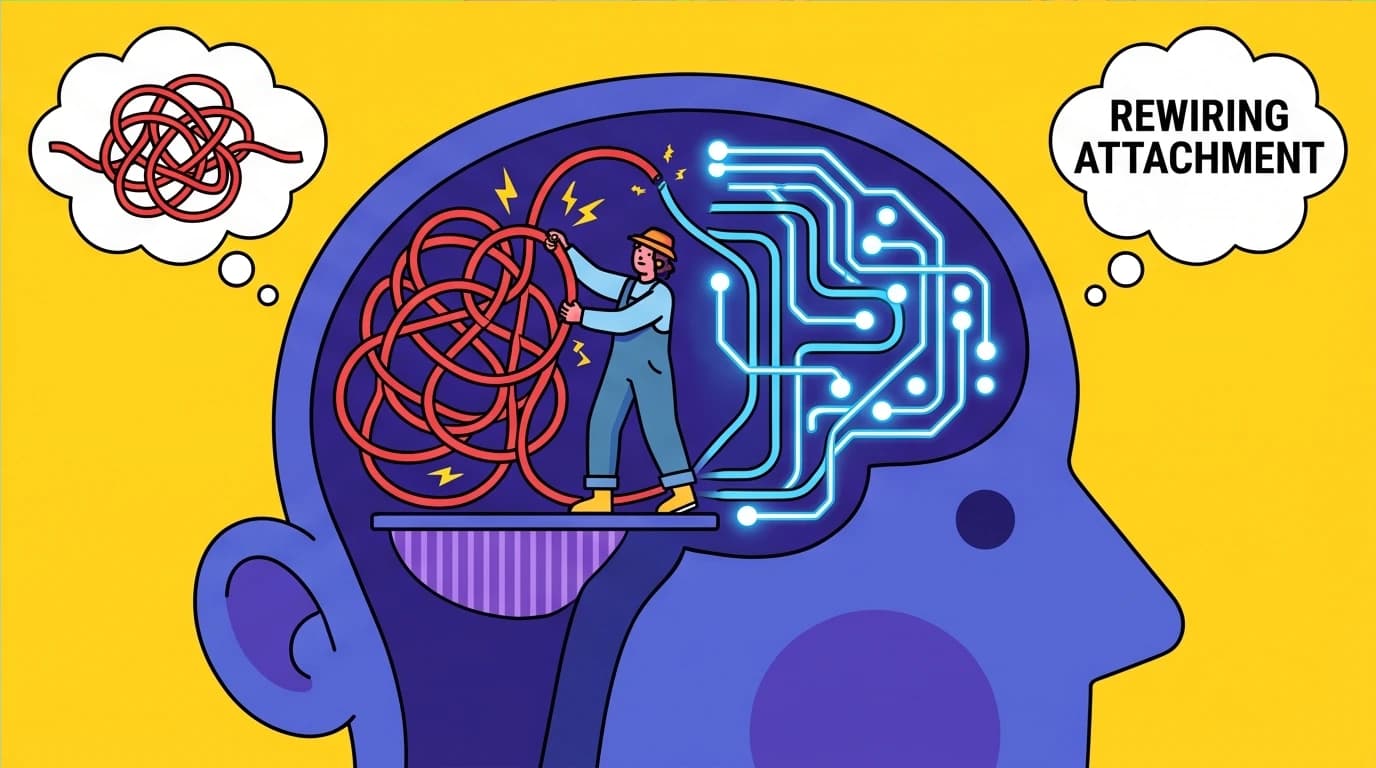
29 Duration10 Key Points4.5 RateRewiring Your Brain: How to Become Securely Attached
If you have an anxious attachment style, you are not broken, and you are not doomed to bad relationships forever. Attachment styles are malleable. You can learn how to become securely attached through deliberate practice and changing your environment.
1. Stop Romanticizing the "Spark"
Anxious daters often confuse relationship anxiety with romantic chemistry. When you meet an avoidant person, your attachment system activates. Your heart races, you feel obsessed, and you think, "This must be true love!" It is not. It is your nervous system panicking. You must teach yourself that true chemistry can grow from a foundation of calm, predictable safety.
2. Practice the "Abundance Mindset"
When you are anxious, you tend to latch onto one person immediately and obsess over them. Until you have a commitment, keep your options open. Go on dates with multiple people. This prevents you from pouring all your emotional energy into someone who has not yet proven they are reliable.
3. Build a Secure Base Outside of Romance
Security does not just come from a romantic partner. Look at your friendships and family ties. Lean heavily on the friends who are always there for you, who text you back, and who support you unconditionally. Getting used to secure treatment in friendships raises your standards for romantic partners.
4. Lean on a Secure Partner
The fastest way to become more secure is to date a securely attached person. They act as an emotional anchor. When you panic and think they are mad at you, they will calmly reassure you. Over time, your nervous system learns that it does not need to stay on high alert, and your anxious behaviors will naturally begin to fade.
This journey of self-improvement is fueled by learning, but if sitting down with a book feels draining after a long day, you can still absorb these key ideas.
LeapAhead offers audio summaries of books on attachment theory and personal growth, so you can learn how to build secure habits during your commute or workout.
Download LeapAhead App now
Stop Settling for Crumbs
You deserve a relationship where you feel valued, respected, and safe. Books like Attached give you the blueprint, but you have to do the heavy lifting of actually walking away from people who cannot meet your needs. Stop trying to decode mixed messages. Buy a copy from Amazon or Barnes & Noble, read it with a highlighter, and treat it as your new dating rulebook. Demand consistency, speak up for what you want, and watch how quickly your dating life transforms.
FAQ
Can an anxious and an avoidant person ever have a healthy relationship?
It is possible but extremely difficult. It requires immense self-awareness and usually professional couples counseling. Both partners must actively work against their natural instincts. For a single person currently dating, it is highly recommended to avoid this dynamic entirely rather than trying to fix it.
It is possible but extremely difficult. It requires immense self-awareness and usually professional couples counseling. Both partners must actively work against their natural instincts. For a single person currently dating, it is highly recommended to avoid this dynamic entirely rather than trying to fix it.
How early is too early to talk about attachment styles on a date?
You do not need to use psychological terms like "avoidant" or "anxious" on a first date. However, you absolutely should discuss your relationship goals, communication preferences, and past relationship takeaways by date two or three. Talk about behaviors, not clinical labels.
You do not need to use psychological terms like "avoidant" or "anxious" on a first date. However, you absolutely should discuss your relationship goals, communication preferences, and past relationship takeaways by date two or three. Talk about behaviors, not clinical labels.
Why do I find secure people so boring?
If you are used to the highs and lows of an avoidant partner, a secure partner's lack of drama feels like a lack of passion. Your brain is addicted to the adrenaline of chasing someone. You have to actively give secure people a chance and allow the physical and emotional attraction to build over a few weeks of consistent, positive interactions.
If you are used to the highs and lows of an avoidant partner, a secure partner's lack of drama feels like a lack of passion. Your brain is addicted to the adrenaline of chasing someone. You have to actively give secure people a chance and allow the physical and emotional attraction to build over a few weeks of consistent, positive interactions.