

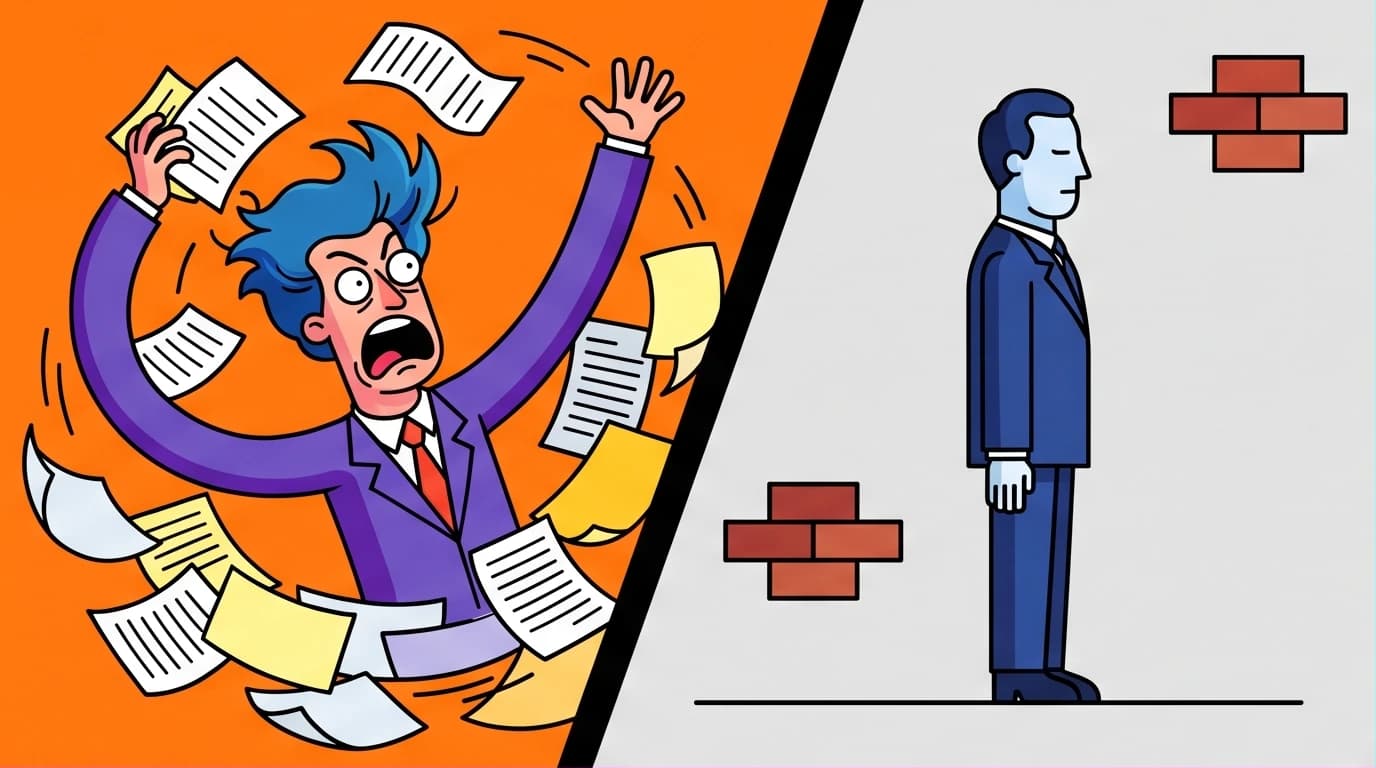
Reading Herman Melville often feels like decoding a foreign language, especially when trying to understand a character whose only response to life is "I would prefer not to." You are likely staring at a blank document right now, trying to draft a thesis on workplace isolation or 19th-century capitalism, but the dense prose is slowing your momentum. Let's cut through the academic noise. This guide provides exactly what you need: structured plot points, deep character analysis, and usable quotes to build your arguments.
While this guide will help you with 'Bartleby,' tackling other dense classics can be just as challenging. If you want to quickly absorb the core ideas from complex books to support your studies, there's a more modern way to get up to speed.


LeapAhead

Understand the essential ideas of dense literature and challenging non-fiction in just 15 minutes, giving you a strong foundation for your essays and analysis.
Quick Plot Summary and Bartleby the Scrivener Notes
To write a strong paper, you need a firm grasp of the narrative timeline. The story is narrated by an unnamed, safety-obsessed Wall Street lawyer who runs a mundane legal practice.
The lawyer hires Bartleby to copy legal documents by hand. At first, Bartleby is a machine. He produces a massive volume of high-quality work. But on the third day, when asked to help proofread a document, Bartleby utters the line that changes everything: "I would prefer not to."
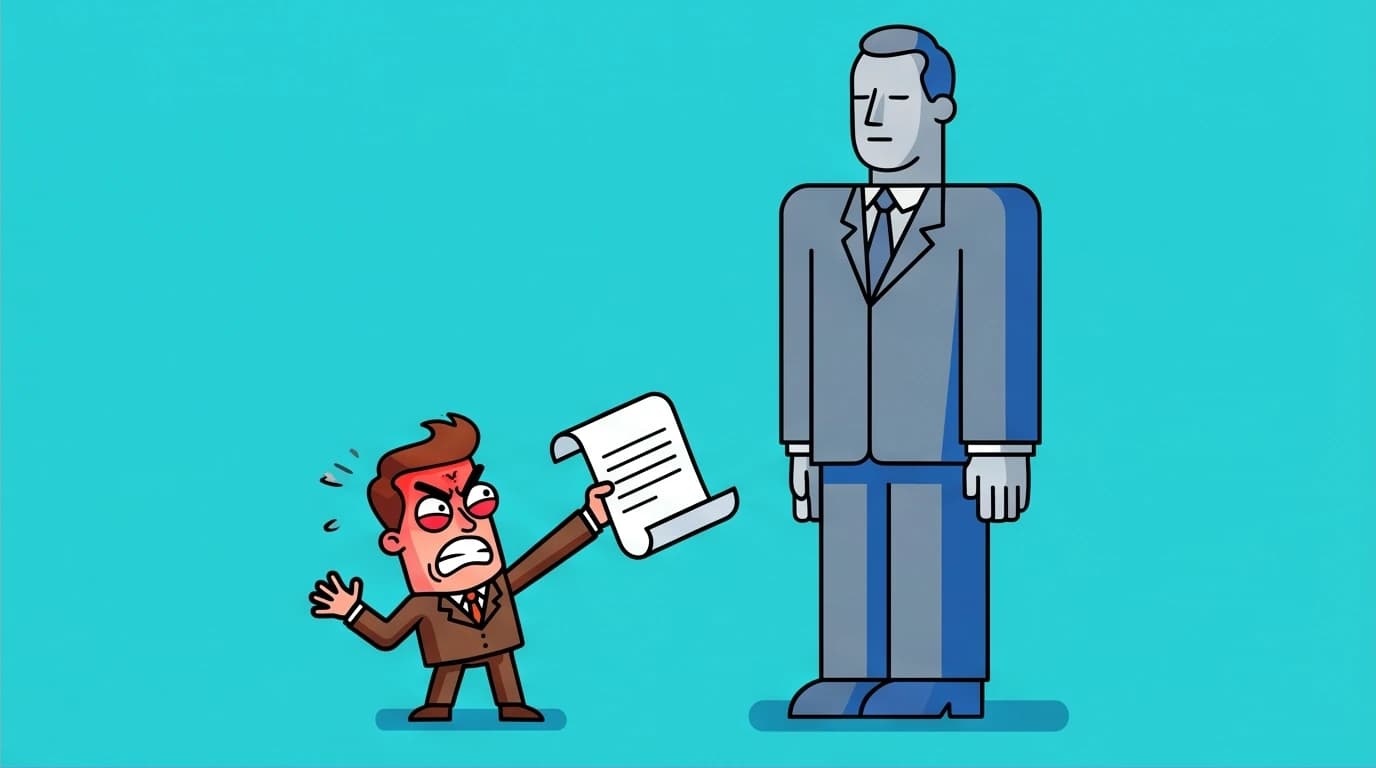
From that moment, Bartleby’s refusals escalate. He stops proofreading, then stops copying entirely, and eventually refuses to leave the office, essentially living behind a folding screen. The lawyer, paralyzed by a mix of pity and frustration, cannot bring himself to force Bartleby out. Instead, the lawyer moves his entire practice to a new building to escape his own employee.
The new tenants eventually have Bartleby arrested as a vagrant. He is sent to the Tombs (a notorious New York City prison). There, he prefers not to eat, and slowly starves to death. The story closes with the lawyer revealing a rumor that Bartleby previously worked in the Dead Letter Office in Washington, D.C., sorting undeliverable mail—a job that likely destroyed his soul before he ever arrived on Wall Street.
This overview covers the main events, but if you need a more detailed, scene-by-scene breakdown for your analysis, we have you covered.
Core Themes: Bartleby the Scrivener Key Takeaways
Melville was writing during the rise of American corporate culture. Understanding these themes is crucial for any literary analysis or discussion. Here are the primary bartleby the scrivener key takeaways.
1. The Dehumanization of the American Worker
Long before modern debates about toxic office culture, Melville diagnosed the soul-crushing nature of repetitive corporate labor. Bartleby is a "scrivener"—a human photocopier. His job requires zero creativity and absolute obedience. Wall Street is depicted as a walled-in, sterile environment where humanity is stripped away in favor of productivity. Bartleby’s eventual shutdown is a direct result of being treated as an instrument rather than a human being.
This critique of emerging corporate America is a central pillar of the story. To explore this further, it's worth examining how Melville uses the Wall Street setting as a character in itself.
If Melville's depiction of the "human photocopier" resonates with you, you're certainly not alone in feeling like a cog in the corporate machine. Long before modern debates about toxic office culture and meaningless daily grinds, Melville nailed the existential dread of repetitive labor. To explore how this phenomenon has evolved into the twenty-first century—and why so many American workers still feel trapped in tasks that lack genuine purpose—you might find this eye-opening read completely validating.
Bullshit Jobs
David Graeber
 16 Duration
 6 Key Points
 4 Rate
2. Passive Resistance
Bartleby does not yell, strike, or violently rebel. He simply declines to participate. This is passive resistance in its purest form. By using the word "prefer," he removes anger from the equation, placing the burden of action entirely on his employer. His non-compliance completely breaks the social contract of the workplace, revealing how fragile authority actually is when someone simply opts out of the system.
Bartleby’s "I would prefer not to" is an extreme, devastating example of passive resistance, but the underlying desire to draw a line in the sand is incredibly relatable. In today's always-on work culture, learning how to push back against unreasonable demands is a vital skill for your own mental health. If you struggle with people-pleasing or feel anxious about setting firm boundaries with your boss or colleagues, there are much healthier, more effective ways to stand your ground.
The Art of Saying NO
Damon Zahariades
16 Duration9 Key Points4.6 Rate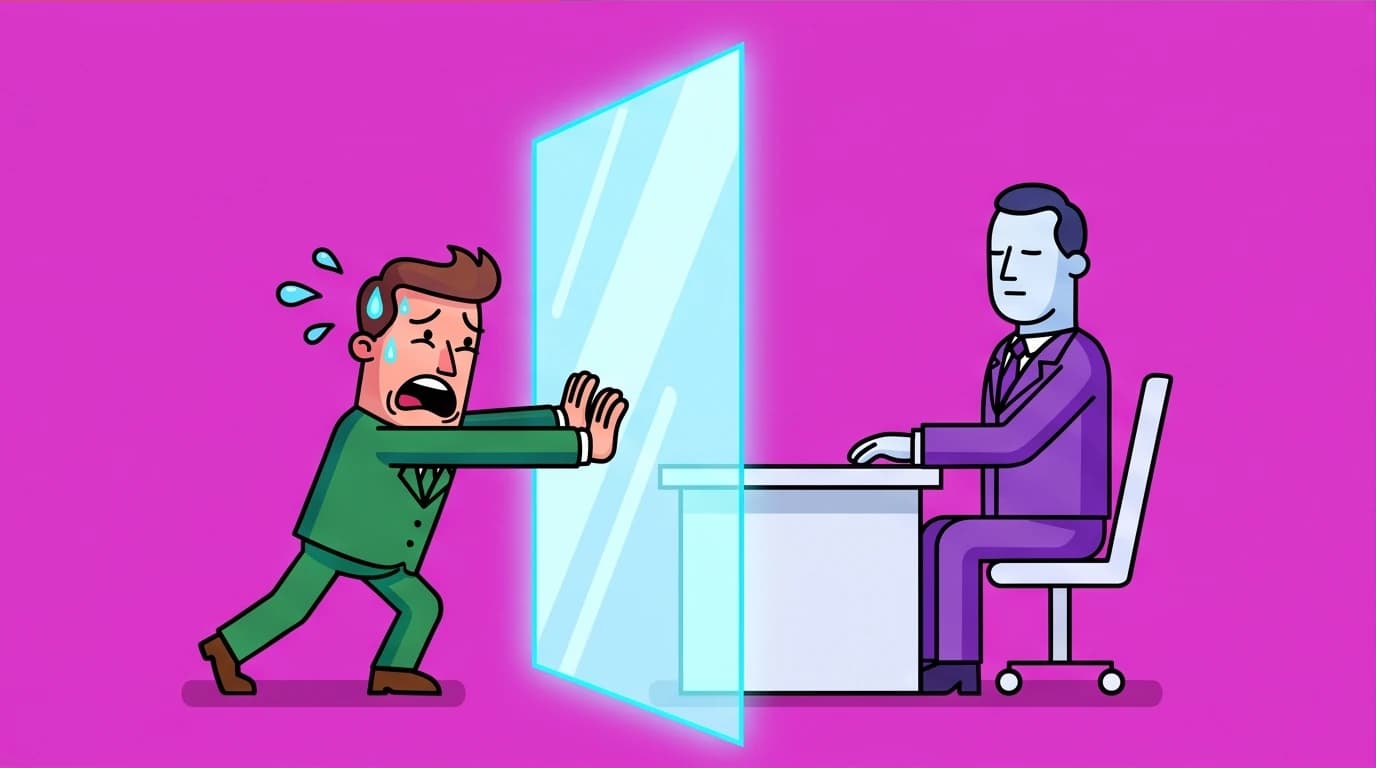
3. The Limits of Charity and Compassion
The narrator views himself as a rational, generous man. He tolerates Bartleby far longer than any normal employer would. However, his charity has strict limits. He wants to help Bartleby only if it is convenient and makes him feel good about himself. When Bartleby’s existence threatens the lawyer’s professional reputation, the lawyer abandons him. The story asks a brutal question: Do we help people because we care about them, or because it eases our own conscience?
The lawyer's purely conditional compassion reflects a harsh reality of American capitalism that we still grapple with today: corporations are built to prioritize profit over people. We are often sold the idea that if we sacrifice everything for our jobs, the company will take care of us like family. If you are intrigued by how workplace loyalty has been weaponized—and why setting emotional distance from your employer is so important—this modern critique is a fantastic follow-up to Melville's classic.
Work Won't Love You Back
Sarah Jaffe
21 Duration8 Key Points4.3 RateEssential Bartleby the Scrivener Quotes for Your Essay
If you need textual evidence for an essay, these are the most impactful bartleby the scrivener quotes to use.
"I would prefer not to."
Context: Bartleby’s signature response to any request.
Analysis: Notice the exact phrasing. He does not say "I will not." "Will not" implies a direct challenge to authority. "Prefer not to" frames the refusal as a personal choice, a boundary that polite society does not know how to handle. This quote is perfect for essays discussing individual autonomy versus corporate expectation.
Context: Bartleby’s signature response to any request.
Analysis: Notice the exact phrasing. He does not say "I will not." "Will not" implies a direct challenge to authority. "Prefer not to" frames the refusal as a personal choice, a boundary that polite society does not know how to handle. This quote is perfect for essays discussing individual autonomy versus corporate expectation.
"Nothing so aggravates an earnest person as a passive resistance."
Context: The narrator reflecting on his inability to deal with Bartleby.
Analysis: This perfectly captures the psychological warfare of the story. The lawyer is equipped to handle a screaming match or a physical fight; he can fire an aggressive employee. But passive resistance paralyzes him. Use this quote to analyze the narrator’s internal conflict and weakness.
Context: The narrator reflecting on his inability to deal with Bartleby.
Analysis: This perfectly captures the psychological warfare of the story. The lawyer is equipped to handle a screaming match or a physical fight; he can fire an aggressive employee. But passive resistance paralyzes him. Use this quote to analyze the narrator’s internal conflict and weakness.
"Ah, Bartleby! Ah, humanity!"
Context: The final words of the story.
Analysis: The lawyer finally realizes that Bartleby’s tragedy is not an isolated incident—it is the tragedy of the modern human condition. The isolation, the lack of connection, and the ultimate futility of life are universal. This is a strong concluding quote for a paper on existentialism in Melville's work.
Context: The final words of the story.
Analysis: The lawyer finally realizes that Bartleby’s tragedy is not an isolated incident—it is the tragedy of the modern human condition. The isolation, the lack of connection, and the ultimate futility of life are universal. This is a strong concluding quote for a paper on existentialism in Melville's work.
"Dead letters! does it not sound like dead men?"
Context: The narrator discussing the rumor of Bartleby’s past job at the Dead Letter Office.
Analysis: A dead letter is a piece of mail that cannot be delivered and must be burned. Melville uses this as a massive symbol for failed human communication. Bartleby spent years handling messages of love, charity, and hope that never reached their destinations. This realization explains why Bartleby gave up on communicating altogether.
Context: The narrator discussing the rumor of Bartleby’s past job at the Dead Letter Office.
Analysis: A dead letter is a piece of mail that cannot be delivered and must be burned. Melville uses this as a massive symbol for failed human communication. Bartleby spent years handling messages of love, charity, and hope that never reached their destinations. This realization explains why Bartleby gave up on communicating altogether.

Character Breakdown
Understanding the characters beyond the surface level is critical to mastering the text.
The Lawyer (The Narrator)
He is an unreliable narrator who loves the phrase "the easiest way of life is the best." He avoids conflict at all costs. While he seems patient, his tolerance of Bartleby is actually a manifestation of his own cowardice. He represents the comfortable, complicit upper-middle class of American capitalism.
Bartleby
He is less of a person and more of a mirror. He reflects the absurdities of the society around him. He is the ghost of Wall Street—a man who has recognized the fundamental meaninglessness of his work and decides to simply stop moving.
Turkey, Nippers, and Ginger Nut
The other employees are meant to contrast with Bartleby. Turkey is productive in the morning but drunk and aggressive in the afternoon. Nippers is irritable in the morning but calm in the afternoon. They are imperfect, machine-like workers who fit perfectly into the capitalist system because their flaws are predictable. Ginger Nut is the young intern, representing the next generation being groomed for the same meaningless cycle.
Each figure in the office serves a distinct symbolic purpose. For a closer look at what each one represents, from the conflicted lawyer to the mysterious Bartleby himself, it helps to dive deeper.
Real-World Value: Lessons from Bartleby the Scrivener
While it is a classic text, the lessons from bartleby the scrivener are intensely relevant to modern life.
First, it is an early commentary on what we now call "quiet quitting" and burnout. When individuals are pushed into meaningless, repetitive tasks without a sense of purpose, psychological collapse is inevitable. Bartleby is the ultimate victim of severe burnout.
Second, it highlights the importance of mental health awareness. The narrator tries to solve Bartleby’s problems with money and logic, completely failing to recognize that Bartleby is suffering from a profound, clinical depression. Melville forces us to look at how society discards those who can no longer participate in the economic machine.
Finally, it forces readers to examine their own boundaries. While Bartleby takes it to a fatal extreme, his ability to set a firm, polite boundary ("I would prefer not to") is a radical act of self-preservation in a world that constantly demands more of our time and energy.
Exploring these themes of burnout and self-preservation is crucial, but it can feel impossible to find the energy to read after a draining day at the office.
LeapAhead
Use your commute or lunch break to listen to key insights from bestselling books on career growth and mental wellness, even when you're too tired to read.
As Melville brilliantly illustrates, pushing yourself through a meaningless grind without a sense of purpose eventually leads to total system failure. The "quiet quitting" and severe burnout we see in modern American offices are direct descendants of Bartleby's plight. Fortunately, we now understand the biology of stress far better than they did in the 1850s. If you are feeling overwhelmed by your own workload and want to learn evidence-based ways to process stress before it breaks you, this book is an absolute game-changer.

Burnout
Emily Nagoski, Ph.D., Amelia Nagoski, DMA
25 Duration9 Key Points4.5 RateFAQ
Why does Bartleby always say "I would prefer not to"?
He uses this specific phrase because it is entirely passive. It is a statement of personal preference rather than an act of open rebellion. It leaves no room for debate, argument, or logical negotiation, which is exactly why it paralyzes his boss.
He uses this specific phrase because it is entirely passive. It is a statement of personal preference rather than an act of open rebellion. It leaves no room for debate, argument, or logical negotiation, which is exactly why it paralyzes his boss.
What do the walls in the story symbolize?
Walls appear everywhere in the text. Bartleby’s desk faces a blank brick wall. The office is located on Wall Street. He dies in the Tombs facing a massive prison wall. These walls symbolize isolation, the inescapable trap of capitalist labor, and the barriers between human beings that prevent true empathy and connection.
Walls appear everywhere in the text. Bartleby’s desk faces a blank brick wall. The office is located on Wall Street. He dies in the Tombs facing a massive prison wall. These walls symbolize isolation, the inescapable trap of capitalist labor, and the barriers between human beings that prevent true empathy and connection.
What is the significance of the Dead Letter Office?
The Dead Letter Office represents the failure of human connection. Handling letters containing money, apologies, and love that never reached their intended recipients crushed Bartleby’s spirit. It showed him that human effort and communication are ultimately futile, leading directly to his passive withdrawal from life.
The Dead Letter Office represents the failure of human connection. Handling letters containing money, apologies, and love that never reached their intended recipients crushed Bartleby’s spirit. It showed him that human effort and communication are ultimately futile, leading directly to his passive withdrawal from life.
Is the narrator a good person?
This is the central debate of the story. While he shows far more patience than a typical 19th-century employer, his actions are driven largely by self-interest, avoidance of conflict, and a desire to feel morally superior. When Bartleby truly inconveniences him, he literally moves out of the building to avoid taking responsibility.
This is the central debate of the story. While he shows far more patience than a typical 19th-century employer, his actions are driven largely by self-interest, avoidance of conflict, and a desire to feel morally superior. When Bartleby truly inconveniences him, he literally moves out of the building to avoid taking responsibility.