

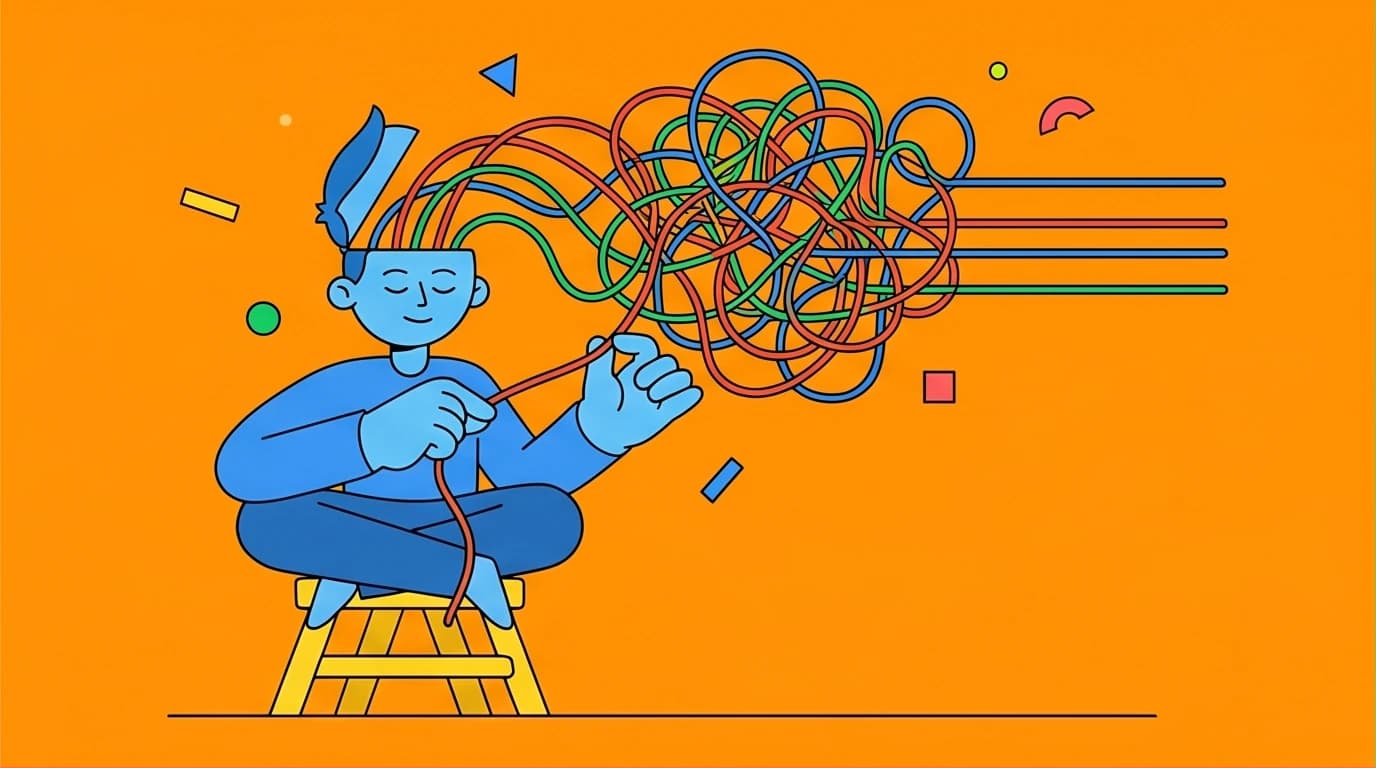
Living with constant anxiety feels like running a marathon with no finish line. Your mind races through worst-case scenarios, your chest tightens, and the sheer exhaustion of staying on high alert drains you completely. You want relief, but you are rightly skeptical about whether sitting in a chair and talking can actually fix a physical and mental loop that feels permanent. You need facts, hard data, and a clear timeline before you commit your time, money, and mental energy to a treatment plan.
What Makes CBT Different from Traditional Talk Therapy?
When many people think of therapy, they imagine lying on a couch talking about their childhood for years while a therapist nods silently. Cognitive Behavioral Therapy is the exact opposite. It is highly structured, strictly goal-oriented, and intensely practical.
CBT operates on a straightforward, evidence-based premise: your thoughts, feelings, and behaviors are deeply interconnected. Anxious feelings do not just appear out of nowhere; they are often triggered by automatic negative thoughts. By identifying these cognitive distortions—such as assuming the absolute worst (catastrophizing) or believing you know what others are thinking (mind-reading)—you can logically challenge them and change your behavioral response.
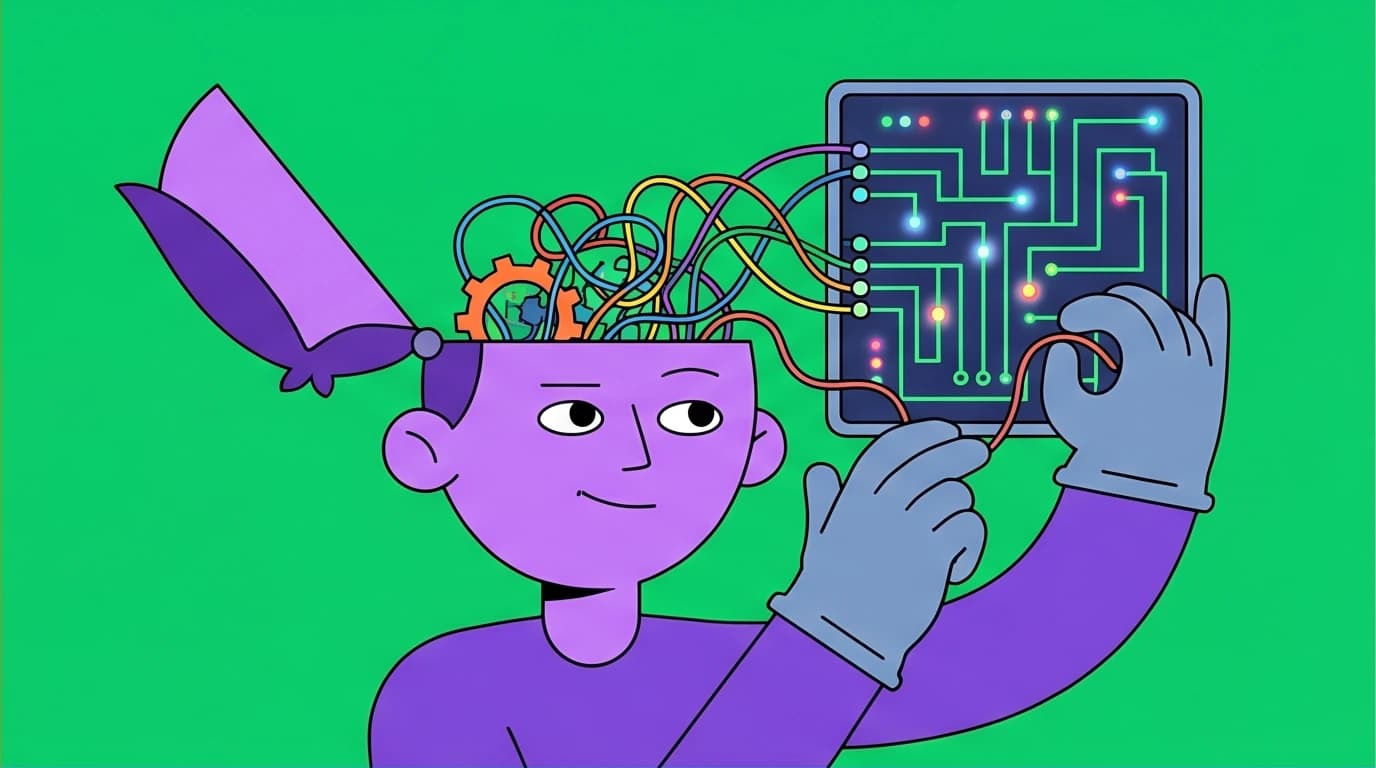
The core benefits of cognitive behavioral therapy for anxiety revolve around this active learning process. You are not just venting; you are fundamentally rewiring your brain's neural pathways to respond differently to stress. You learn to step back from an anxious thought, examine the actual evidence for it, and choose a rational response rather than spiraling into panic.
This fundamental shift from passive reflection to active intervention is what makes the therapy so effective. For a closer look at the mechanisms behind this process, it's helpful to understand the core components of a typical CBT session.
If you want to dive deeper into how cognitive distortions fuel anxiety and depression, there is perhaps no better starting point than the foundational texts of cognitive behavioral therapy. Dr. David D. Burns pioneered the application of these techniques for everyday readers. His groundbreaking work acts as a comprehensive manual for identifying the specific lies your brain tells you and provides actionable, step-by-step exercises to systematically rewire your thought processes for lasting relief.

Feeling Good
David D. Burns, M.D.
 41 Duration
 9 Key Points
 4.6 Rate
If finding the time and energy to read through foundational texts like this feels like another hurdle when you're already feeling drained, you can get the core principles in a more accessible way.


LeapAhead

Grasp the key lessons from essential CBT books in 15-minute audio or text summaries, making it easier to learn new coping skills on busy or low-energy days.
The Hard Numbers: CBT Success Rate for Anxiety
If you are evaluating medical or psychological treatments, you want to know the odds of success. The data surrounding CBT is extensive and overwhelmingly positive.
When looking at the cbt success rate for anxiety across decades of clinical trials, researchers consistently find that CBT is the gold standard for psychological intervention. Studies published by the American Psychological Association and various psychiatric journals indicate that 50% to 75% of patients experience a significant reduction in anxiety symptoms after a standard course of CBT.
For conditions like Generalized Anxiety Disorder (GAD) and Social Anxiety Disorder, the outcomes are particularly strong. Many patients not only achieve clinical remission by the end of their treatment but maintain those results for years. The reason for this high success rate is the educational nature of the therapy. Once you learn how to identify an anxiety spike and de-escalate it, you retain that skill for life. You effectively become your own therapist.
Understanding the success rate of CBT is encouraging, but putting it into practice requires breaking the continuous cycle of worry. When anxiety spikes, your brain naturally tries to problem-solve, which often leads to endless "what-if" loops that only make the situation worse. To truly become your own therapist, you need specific strategies to short-circuit this mental loop. Learning to accept and redirect anxiety rather than fighting it is a core CBT principle, and there are phenomenal resources dedicated to helping you master this exact skill.
Don't Feed the Monkey Mind
Jennifer Shannon
21 Duration8 Key Points4.4 RateTackling Acute Symptoms: Is CBT Effective for Panic Attacks?
It is one thing to manage low-level, chronic worry. It is entirely another to manage a sudden, terrifying panic attack where your heart pounds, you cannot breathe, and you feel entirely convinced you are having a medical emergency.
Many skeptics ask: is cbt effective for panic attacks? The definitive answer is yes. In fact, a specialized subset of CBT, often involving Interoceptive Exposure, is highly effective for Panic Disorder.
Panic attacks feed on the "fear of fear." You experience a physical sensation—like a slightly elevated heart rate from drinking too much coffee—and your brain misinterprets it as a heart attack. This triggers a massive adrenaline dump, which causes the actual panic attack.
CBT tackles this by safely exposing you to those physical sensations in a controlled environment. A therapist might have you breathe through a narrow straw to simulate shortness of breath or spin in a chair to simulate dizziness. As you experience these physical symptoms without the accompanying catastrophe, your brain unlearns the association between a racing heart and imminent danger. You break the feedback loop. Over time, the frequency and severity of panic attacks drop dramatically.
While clinical exposure therapy is highly effective for panic attacks, managing the sudden onset of acute anxiety in your daily life requires an immediate, accessible toolkit. When your heart is racing and your adrenaline is surging, you need simple, grounding techniques you can deploy at a moment's notice to signal safety to your nervous system. For those moments when you feel a panic attack building, having a practical, easy-to-digest guide to lean on can make all the difference in regaining your emotional footing.
Be Calm
Jill Weber
20 Duration8 Key Points4.5 Rate
Managing Expectations: How Long Does CBT Take to Work?
Skeptical individuals often fear that therapy is an endless financial drain. A major advantage of CBT is its time-limited nature.
So, how long does cbt take to work? For most anxiety disorders, a standard course of treatment lasts between 12 and 16 weekly sessions.
Here is a realistic timeline of what that looks like:
Weeks 1 to 3: Assessment and Awareness
You will not see a magical cure in the first week. These early sessions focus on mapping your specific anxiety triggers and identifying your unique cognitive distortions. You will likely be assigned homework, such as keeping a thought log to track when your anxiety spikes and what you were thinking at that exact moment.
You will not see a magical cure in the first week. These early sessions focus on mapping your specific anxiety triggers and identifying your unique cognitive distortions. You will likely be assigned homework, such as keeping a thought log to track when your anxiety spikes and what you were thinking at that exact moment.
Weeks 4 to 8: Cognitive Restructuring and Early Interventions
This is where the heavy lifting begins. You start challenging the thoughts recorded in your logs. You will learn to ask yourself, "What is the actual evidence that this disaster will happen?" You will begin to notice a slight reduction in the intensity of your anxiety because you are catching the thoughts before they snowball.
This is where the heavy lifting begins. You start challenging the thoughts recorded in your logs. You will learn to ask yourself, "What is the actual evidence that this disaster will happen?" You will begin to notice a slight reduction in the intensity of your anxiety because you are catching the thoughts before they snowball.
This process of "catching thoughts" is especially powerful for breaking cycles of rumination and worry that often accompany anxiety.
Weeks 9 to 16: Behavioral Experiments and Exposure
You will start testing your new skills in the real world. If you have social anxiety, your therapist might assign you the task of initiating a brief conversation with a cashier. You will face triggers deliberately, armed with your coping strategies. By the end of this phase, most patients report a profound decrease in daily anxiety and a high degree of confidence in managing future stress.
You will start testing your new skills in the real world. If you have social anxiety, your therapist might assign you the task of initiating a brief conversation with a cashier. You will face triggers deliberately, armed with your coping strategies. By the end of this phase, most patients report a profound decrease in daily anxiety and a high degree of confidence in managing future stress.
Some individuals feel significant relief by session six; others may need the full sixteen weeks or a slight extension to handle deeply entrenched phobias. However, the timeline is clear, measurable, and finite.
Weighing Your Options: CBT vs Medication for Anxiety
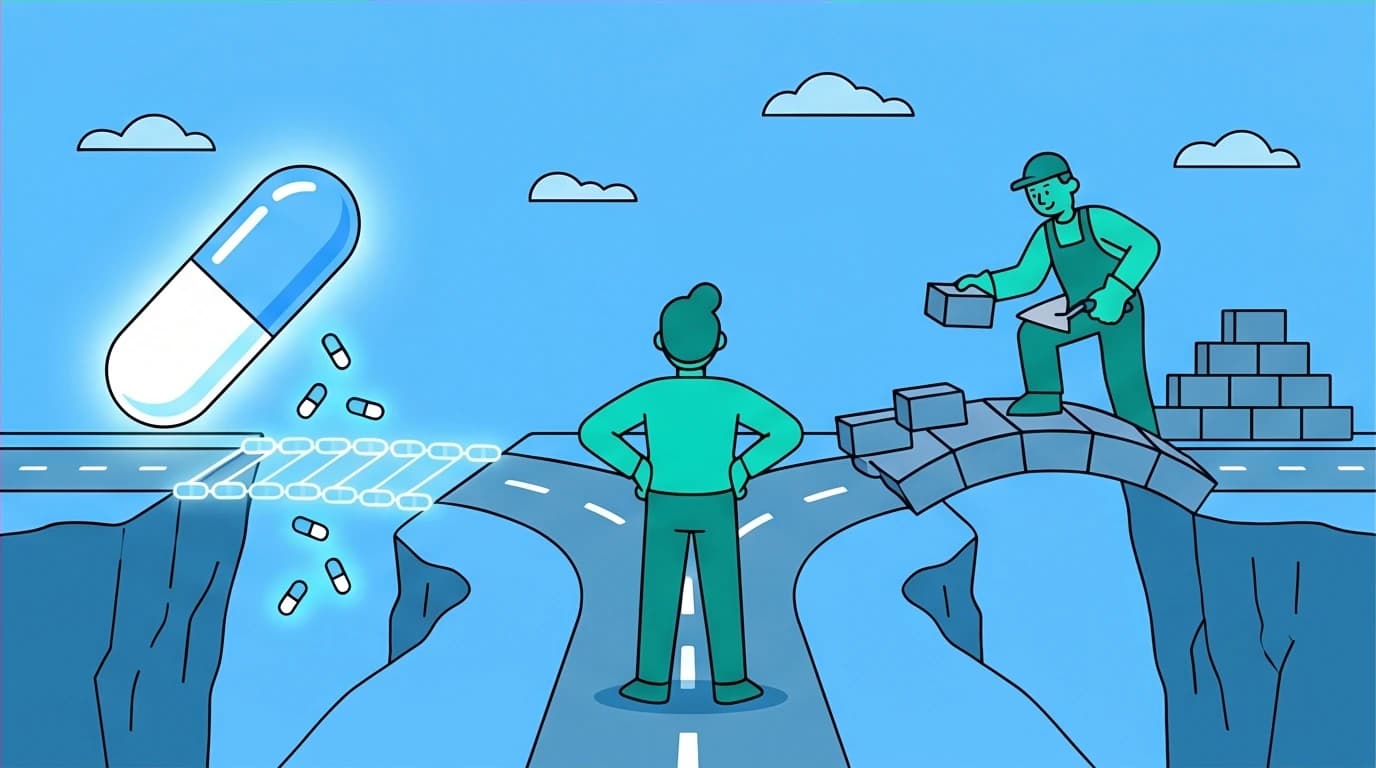
When you decide to treat anxiety, the fork in the road usually leads to two primary options: therapy or pharmaceuticals. Understanding the nuances of cbt vs medication for anxiety is crucial for making an informed choice.
The Role of Medication
Medications, such as SSRIs (like Lexapro or Zoloft) or fast-acting benzodiazepines, alter the chemical environment in your brain. They can be incredibly effective at lowering the baseline volume of your anxiety. For individuals whose anxiety is so severe that they cannot sleep, eat, or leave the house, medication is often a necessary first step to stabilize their nervous system so they can participate in therapy.
Medications, such as SSRIs (like Lexapro or Zoloft) or fast-acting benzodiazepines, alter the chemical environment in your brain. They can be incredibly effective at lowering the baseline volume of your anxiety. For individuals whose anxiety is so severe that they cannot sleep, eat, or leave the house, medication is often a necessary first step to stabilize their nervous system so they can participate in therapy.
However, medications come with downsides. They can cause side effects ranging from weight gain and lethargy to emotional numbing. Furthermore, if you stop taking the medication, the anxiety often returns because the underlying thought patterns never changed.
The Role of CBT
CBT does not provide the instant chemical relief of a pill. It requires hard work, emotional discomfort, and time. You have to actively do the homework.
CBT does not provide the instant chemical relief of a pill. It requires hard work, emotional discomfort, and time. You have to actively do the homework.
The immense advantage of CBT is permanence. You are building mental infrastructure. Clinical studies comparing CBT to medication frequently show that while both are effective in the short term, CBT has a significantly lower relapse rate once treatment ends. Medication alters your chemistry; CBT alters your behavior and cognitive habits.
For many, the most effective route is a combination of both. Using medication to lower the immediate panic threshold while utilizing CBT to build lifelong coping mechanisms provides a comprehensive defense against anxiety.
Choosing between medication and therapy—or finding the right balance of both—is a deeply personal decision. However, regardless of the path you take, actively working to recognize and dismantle unhelpful cognitive habits will always serve as a powerful foundation for your mental health. If you are looking to complement your treatment and start doing the behavioral heavy lifting on your own, exploring modern psychological strategies to untangle your negative thoughts can be an incredibly empowering next step on your healing journey.
Detox Your Thoughts
Andrea Bonior, Ph.D.
18 Duration7 Key Points4.6 RateMaximizing the Value of Your Treatment
If you are going to invest time and money into CBT, you need to approach it strategically to guarantee results.
- Do the Homework: CBT is not passive. If your therapist asks you to fill out thought records or read a specific chapter from a workbook, you must do it. The actual rewiring of your brain happens outside the therapy room, in your daily life, between sessions.
- Embrace Discomfort: Growth requires friction. In CBT, you will eventually have to face the things that make you anxious rather than avoid them. Avoidance feeds anxiety. Deliberate, controlled exposure shrinks it.
- Track Your Progress: Keep objective data on your anxiety levels. Rate your anxiety on a scale of 1 to 10 every morning and night. After a month of CBT, look back at your numbers. Having concrete data helps quiet the skeptical part of your brain that claims "nothing is working."
Anxiety thrives on uncertainty and a feeling of powerlessness. Cognitive Behavioral Therapy dismantles both. By providing a structured, logical, and tested framework, CBT removes the mystery from mental health. You learn exactly how your mind builds a trap, and more importantly, you learn exactly how to dismantle it.
Putting these principles into practice is the most important step. If you're ready to take action, starting with a few structured exercises can make a significant difference.
Building these new cognitive habits is a continuous process, and making self-education accessible is key to staying consistent long after your therapy sessions end.
LeapAhead
Support your CBT journey by absorbing key insights from hundreds of psychology and self-help books in just minutes a day, turning your commute or a short break into learning time.
FAQ
Is CBT difficult to do?
Yes, it requires active effort. Unlike treatments where you passively receive care, CBT requires you to confront uncomfortable thoughts and engage in daily homework, such as logging your thoughts and testing new behaviors. The effort you put into the exercises directly dictates the results you get.
Yes, it requires active effort. Unlike treatments where you passively receive care, CBT requires you to confront uncomfortable thoughts and engage in daily homework, such as logging your thoughts and testing new behaviors. The effort you put into the exercises directly dictates the results you get.
Can I learn CBT on my own without a therapist?
You can learn the foundational principles of CBT through well-reviewed workbooks available at retailers like Amazon or Barnes & Noble, or through mental health apps. Self-directed CBT is effective for mild anxiety. However, if you are dealing with severe anxiety or panic attacks, working with a licensed professional is highly recommended to help identify blind spots and safely guide exposure exercises.
You can learn the foundational principles of CBT through well-reviewed workbooks available at retailers like Amazon or Barnes & Noble, or through mental health apps. Self-directed CBT is effective for mild anxiety. However, if you are dealing with severe anxiety or panic attacks, working with a licensed professional is highly recommended to help identify blind spots and safely guide exposure exercises.
What happens if my anxiety comes back after I finish CBT?
A core component of the final CBT sessions is relapse prevention. You will create a blueprint identifying your early warning signs of anxiety and the specific tools you will use if those symptoms return. Because you retain the skills you learned, minor setbacks are typically much easier to manage and rarely spiral back into full-blown anxiety disorders.
A core component of the final CBT sessions is relapse prevention. You will create a blueprint identifying your early warning signs of anxiety and the specific tools you will use if those symptoms return. Because you retain the skills you learned, minor setbacks are typically much easier to manage and rarely spiral back into full-blown anxiety disorders.