

You want to start a business. You have the drive, the ambition, and a rough idea. But the moment you sit down to work, the overwhelm hits. Should you file an LLC first? Do you need a business plan? How do you know if anyone will actually pay for what you are building? You do not need another motivational YouTube video; you need a blueprint.

The primary reason most new businesses fail is not a lack of effort—it is a lack of the right sequence. Building a business is a skill, and like any skill, it has rules. The following list breaks down the exact reading roadmap you need, categorized by the specific problems you will face during your first year of business.
Idea Validation: Best Books for Starting a Business
The most dangerous thing a beginner can do is spend six months and ten thousand dollars building a product in secret, only to realize nobody wants to buy it. You must validate your idea first.
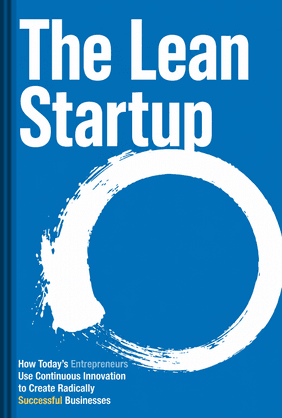
1. The Lean Startup by Eric Ries
If you only read one book before launching, make it this one. Ries introduces the "Build-Measure-Learn" feedback loop and the concept of the Minimum Viable Product (MVP). Instead of writing a 50-page business plan, this book teaches you how to test your vision continuously, adapt, and adjust before you burn through your savings.
- The Big Takeaway: Do not build the perfect product. Build the cheapest, fastest version of your product that allows you to gather real data from actual customers.
If you are serious about taking Eric Ries's advice to heart, grabbing a copy of this foundational text is your very first step. It dives much deeper into how you can actually measure your progress with actionable metrics rather than vanity numbers. Countless US startups in Silicon Valley and beyond consider this required reading before investing a single dollar into development. You will quickly see why the Build-Measure-Learn feedback loop is the ultimate safety net for your new venture.
The Lean Startup
Eric Ries
 45 Duration
 8 Key Points
 4.5 Rate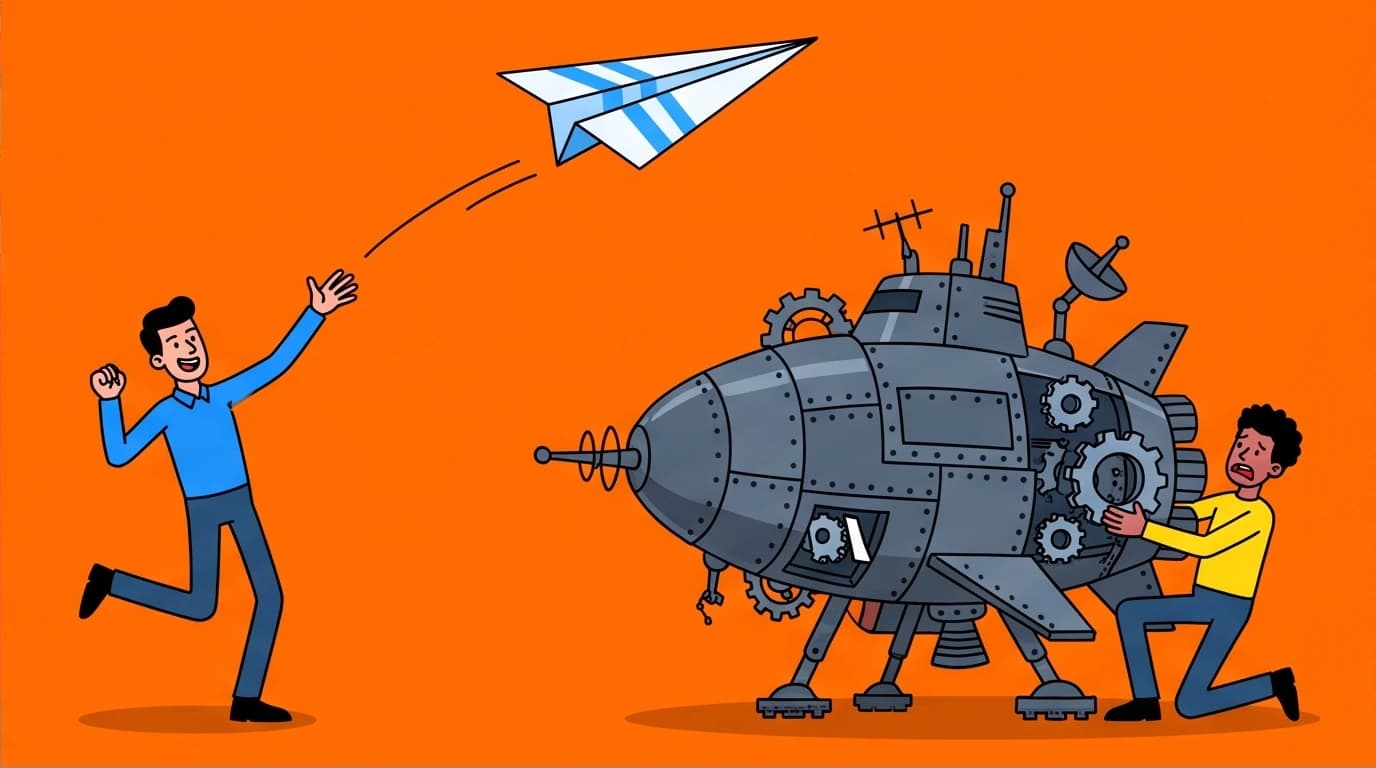
2. The Mom Test by Rob Fitzpatrick
When you ask friends and family if your business idea is good, they will lie to you because they love you and do not want to hurt your feelings. The Mom Test is a short, practical manual on how to talk to customers and figure out if your business is a good idea when everyone is lying to you.
- The Big Takeaway: Never ask people if they would buy your product in the future. Ask them how they currently solve the problem and how much they paid to solve it in the past. Past behavior is the only reliable indicator of future buying habits.
Mastering customer interviews takes practice, and Rob Fitzpatrick’s guide is widely regarded as the gold standard for entrepreneurs looking to get honest feedback. Once you learn how to ask the right questions without leading your witness, you will save thousands of dollars and countless hours of frustration. It is an essential addition to your business bookshelf that will forever change the way you talk to prospective customers, partners, and investors.
The Mom Test
Rob Fitzpatrick
16 Duration8 Key Points4.8 Rate3. Will It Fly? by Pat Flynn
Pat Flynn provides a step-by-step methodology to test your next business idea so you don't waste your time and money. It is heavy on practical exercises, forcing you to map out your target market, find your unfair advantage, and pre-sell your idea before you actually build it.
- The Big Takeaway: If you cannot get a small group of people to hand you money for your idea before it is fully built, the idea is not ready to launch.
Systems and Survival: Books Every Entrepreneur Should Read
Once you have a valid idea, the next trap is becoming an employee of your own company. If your business stops making money the moment you take a day off, you do not own a business; you own a highly stressful job.
4. The E-Myth Revisited by Michael E. Gerber
The "E-Myth" (Entrepreneurial Myth) is the fatal assumption that an individual who understands the technical work of a business can successfully run a business that does that technical work. Gerber explains why you need to build systems and standardize operations from day one. You should be able to hand an operations manual to a new hire and have them replicate your results.
- The Big Takeaway: You must work on your business, not just in your business. Document every process.
Transitioning from an exhausted operator to a true business owner is the hardest leap an entrepreneur can make. Michael E. Gerber’s timeless classic offers an incredible roadmap for navigating this exact transition. By diving into this read, you will learn exactly how to franchise your own internal systems—even if you have no intention of ever opening a second location. It is the ultimate reality check for anyone who feels bogged down by the daily grind of running their company.

The E-Myth Revisited
Michael E. Gerber
39 Duration8 Key Points4.5 Rate
5. Profit First by Mike Michalowicz
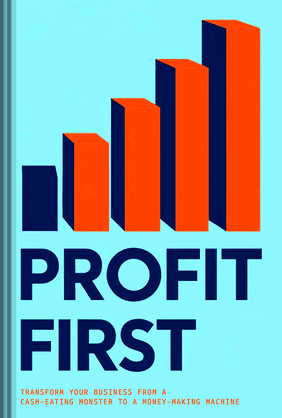
Traditional accounting says: Sales - Expenses = Profit. The reality for beginners is that expenses always expand to consume available cash, leaving zero profit. Michalowicz flips the formula: Sales - Profit = Expenses. By allocating a percentage of every dollar to a separate profit account first, you force your business to run on the remaining cash.
- The Big Takeaway: Set up multiple bank accounts. Take your profit first. If your business cannot survive on the remaining cash for expenses, your business model is broken and needs immediate fixing.
Implementing Mike Michalowicz’s cash management system is like flipping a switch for your company's financial health. If you are tired of checking your bank account at the end of the month and wondering where all those hard-earned dollars went, this read will be a total game-changer. It provides practical, step-by-step instructions on setting up your accounts with your local bank to ensure you are actually getting paid for your hard work from day one.
Profit First
Mike Michalowicz
34 Duration7 Key Points4.6 Rate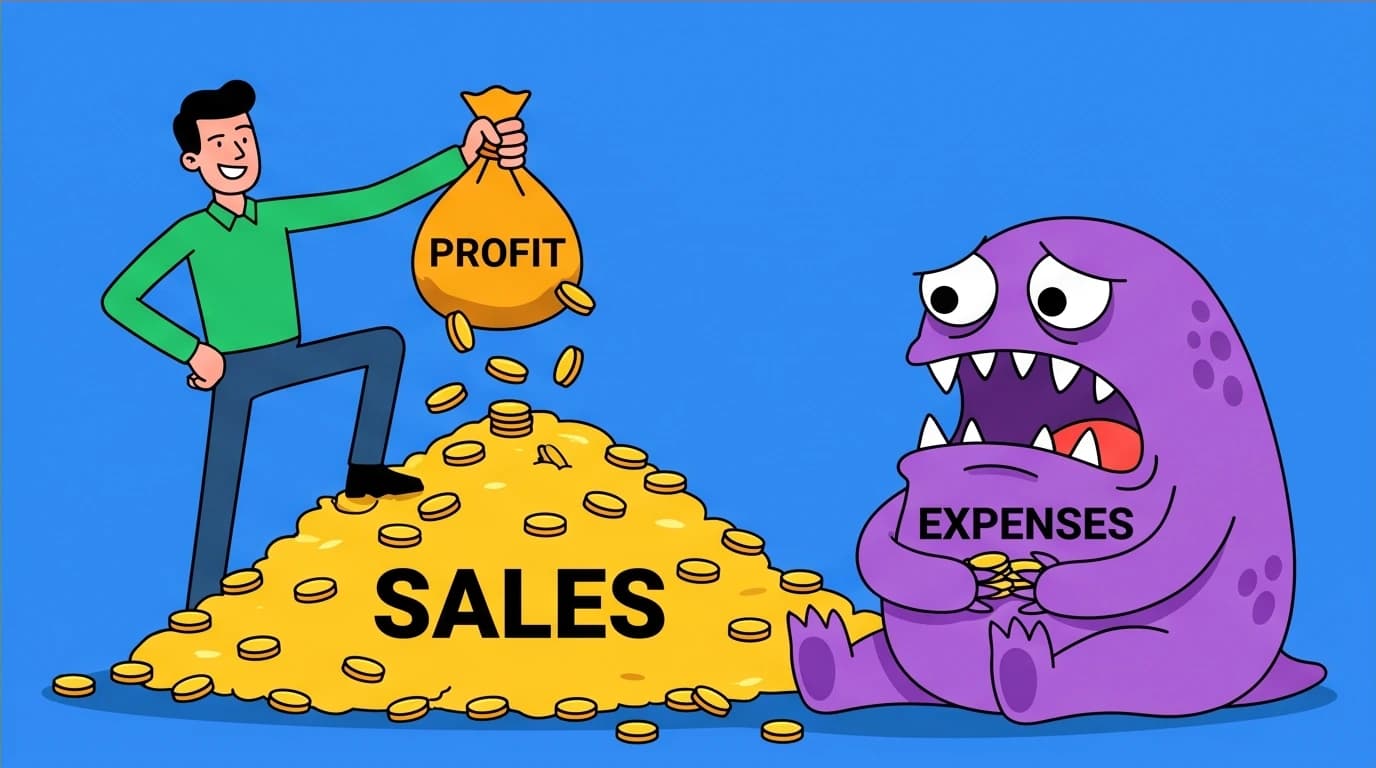
6. LeapAhead: A System for Absorbing Business Knowledge Faster
The single biggest challenge for entrepreneurs isn't a lack of resources—it's a lack of time. This list alone represents dozens of hours of reading. The LeapAhead app is a microlearning tool designed to solve this exact problem. It offers 15-minute summaries of bestselling nonfiction books (including many on this list) in both audio and text formats. This allows you to absorb the core ideas from a book like The E-Myth Revisited during your commute or while at the gym. While summaries can't replace the depth of a full book, they are an incredibly efficient way to clear your "reading debt" and stay informed. The mobile-first experience is perfect for on-the-go learning, though founders who prefer desktop study might find it limiting.
- The Big Takeaway: Stop letting your to-read list become a source of guilt. Use a microlearning system to absorb the core ideas from essential business books in minutes, not months.

Struggling to find time for all these essential books? LeapAhead helps you absorb key business ideas in just 15 minutes a day.
 LeapAhead
Once you have solid systems in place, the next step is to optimize your personal efficiency to make the most of every hour.
Strategy and Scale: Top Books for Startup Founders
If you are aiming to build a high-growth startup, raise venture capital, or disrupt an industry, the rules of the game change. You need mental models that scale aggressively.
7. Zero to One by Peter Thiel
Written by the legendary PayPal co-founder, this book challenges the idea of competition. Thiel argues that "competition is for losers" and that the most successful companies build monopolies by creating something entirely new (going from zero to one) rather than copying existing models (going from one to n).
- The Big Takeaway: Target a tiny, specific market that you can completely dominate before trying to expand. Do not try to capture 1% of a billion-dollar market; capture 80% of a million-dollar market.
8. The Hard Thing About Hard Things by Ben Horowitz
Most business books tell you how to do things correctly. This book tells you what to do when everything goes wrong. Horowitz shares the brutal, unfiltered reality of running a startup—from firing your best friends to managing psychological meltdowns when the company is running out of cash.
- The Big Takeaway: There is no formula for dealing with extreme volatility. As a founder, your primary job is managing your own psychology and making the hard, unpopular decisions quickly.
Navigating the emotional rollercoaster described by Horowitz is one of the most underrated skills for a founder. Your ability to maintain a strong, resilient mindset is often the deciding factor between success and failure.
Sales and Marketing: Must Read Books for Entrepreneurs
You can have the best product in the world, but if you cannot communicate its value or get it in front of the right eyes, you will fail.
9. $100M Offers by Alex Hormozi
This is arguably the most impactful tactical book on pricing and offer creation of the last decade. Hormozi breaks down exactly how to construct an offer so good that people feel stupid saying no. He teaches you how to bundle value, use scarcity and urgency ethically, and price your services based on value rather than the cost of fulfillment.
- The Big Takeaway: Stop competing on price. Increase the perceived value of your product by lowering the customer's perceived risk and the time it takes for them to see a result.
When you are ready to completely overhaul your pricing model and stop racing to the bottom, Alex Hormozi’s playbook is an absolute must-read. He breaks down the psychology of high-ticket sales in a way that is incredibly easy to understand and apply. By grabbing this book, you will discover exactly how to stack value and craft guarantees that make your prospective customers feel completely at ease handing over their credit cards.

$100M Offers
Alex Hormozi
34 Duration9 Key Points4.7 Rate10. Building a StoryBrand by Donald Miller
Most beginners ruin their websites and marketing materials by talking exclusively about themselves. Miller introduces a framework that positions your customer as the hero of the story and your brand as the guide. It forces you to clarify your message so customers actually listen.
- The Big Takeaway: If you confuse, you lose. Your website should clearly state what you do, how it makes the customer's life better, and exactly what they need to do to buy it.
11. Traction by Gabriel Weinberg and Justin Mares
Founders often suffer from "shiny object syndrome" when it comes to marketing. Traction introduces the "Bullseye Framework," which helps you identify which of the 19 distinct marketing channels will actually work for your specific business.
- The Big Takeaway: Spend 50% of your time on product development and 50% of your time on traction. Test marketing channels in small, cheap batches before committing your budget.
How to Implement What You Read
Reading the primary keyword list of the best books for beginning entrepreneurs will not build your business. Execution will.
Do not binge-read these books. Treat them like instruction manuals. If you are struggling with pricing, go to your local Barnes & Noble, grab $100M Offers, read it, and immediately rewrite your website pricing page. If you commute, get an Audible subscription and listen to The E-Myth Revisited on your drive, but make sure you organize your notes and actually draft your standard operating procedures when you get home. Consume information just-in-time, not just-in-case.
For busy founders, listening during a commute, workout, or while doing chores is one of the most effective ways to absorb new information.
Turn your commute into a classroom. Listen to key insights from the best business books with LeapAhead while you're on the go.
LeapAheadFAQ
Should I focus on reading these books or just start my business?
Do both simultaneously. Read The Lean Startup and The Mom Test while you are figuring out your idea. Use the frameworks immediately to test your assumptions in the real market. Reading without acting is just procrastination in disguise.
Do both simultaneously. Read The Lean Startup and The Mom Test while you are figuring out your idea. Use the frameworks immediately to test your assumptions in the real market. Reading without acting is just procrastination in disguise.
Are audiobooks as effective as physical books for learning business concepts?
Yes, audiobooks are highly effective for mindset and high-level strategy (like Zero to One or The Hard Thing About Hard Things). However, for tactical books that include charts, frameworks, or exercises (like Traction or Profit First), a physical copy or a digital format where you can highlight and take notes is much better.
Yes, audiobooks are highly effective for mindset and high-level strategy (like Zero to One or The Hard Thing About Hard Things). However, for tactical books that include charts, frameworks, or exercises (like Traction or Profit First), a physical copy or a digital format where you can highlight and take notes is much better.
Which book should I read first if I have no business idea yet?
Start with Will It Fly? by Pat Flynn. It is specifically designed to help you generate ideas, filter them against your personal goals, and run cheap, effective tests to see if the market actually wants what you plan to offer.
Start with Will It Fly? by Pat Flynn. It is specifically designed to help you generate ideas, filter them against your personal goals, and run cheap, effective tests to see if the market actually wants what you plan to offer.
I don't have a tech startup; will these books still help my local service business?
Absolutely. While books like The Lean Startup use tech examples, the core principle of validating an idea cheaply applies to any industry. The E-Myth Revisited and Profit First are actually tailor-made for traditional, non-tech small businesses like plumbing, consulting, or local retail.
Absolutely. While books like The Lean Startup use tech examples, the core principle of validating an idea cheaply applies to any industry. The E-Myth Revisited and Profit First are actually tailor-made for traditional, non-tech small businesses like plumbing, consulting, or local retail.