

You just finished reading Rich Dad Poor Dad. The concept of buying assets instead of liabilities makes total sense, and you are highly motivated to escape the rat race. But you probably hit a wall immediately after turning the final page: Kiyosaki completely changes how you view money, but he provides zero tactical steps on what to actually do next. You know you need assets, but how do you buy them? Which accounts do you use?
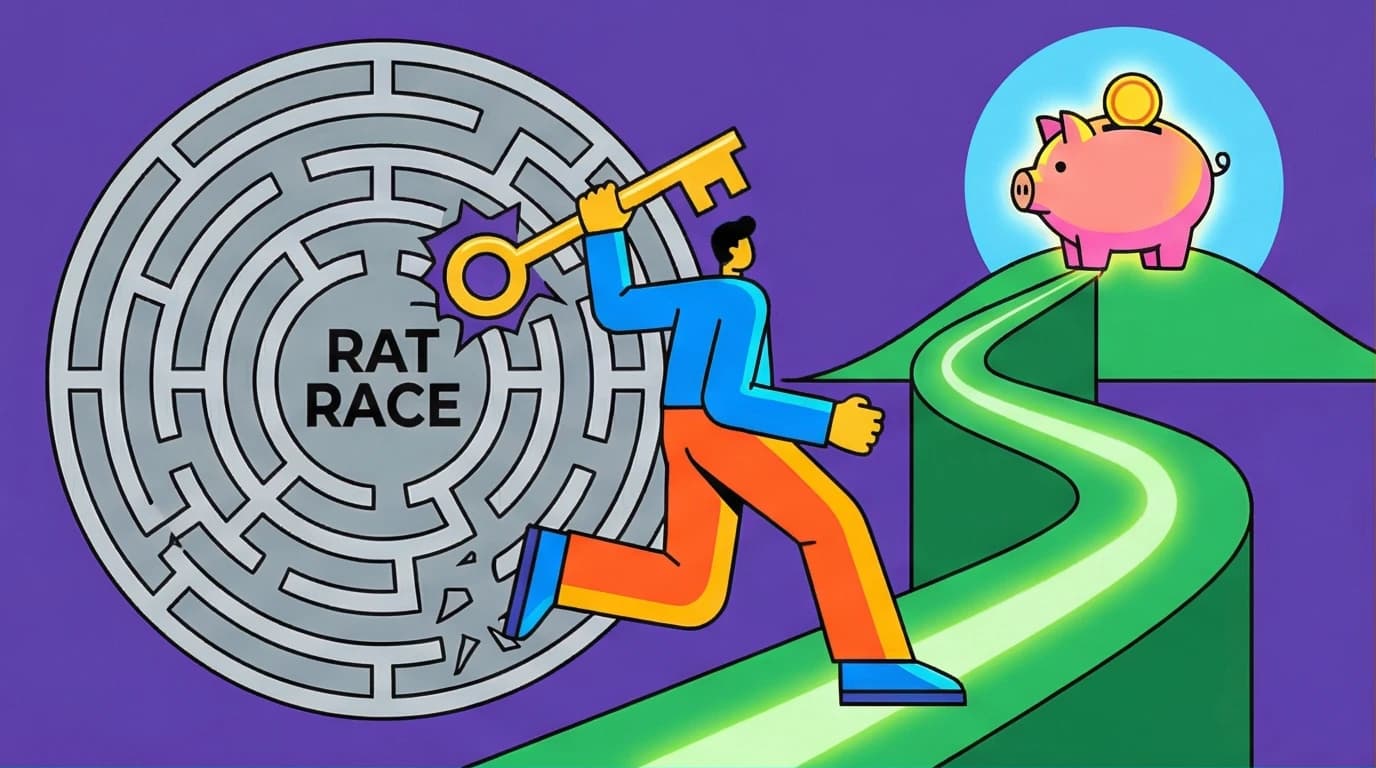
You need actionable strategies. To build real wealth, you must graduate from financial theory to financial mechanics.
Before you dive into these new strategies, it can be helpful to solidify the core principles that started your journey. Understanding the difference between income-generating assets and wealth-draining liabilities is the bedrock of Kiyosaki's philosophy.
Below is a curated guide to the best personal finance books that pick up exactly where Rich Dad Poor Dad leaves off.
The Best Books to Read After Rich Dad Poor Dad
Kiyosaki focuses heavily on real estate and entrepreneurship. While those are viable paths, modern wealth creation offers simpler, highly effective routes. These books provide the step-by-step blueprints you need right now.
1. I Will Teach You to Be Rich by Ramit Sethi
If Kiyosaki gave you the "why," Ramit Sethi gives you the "how." This book is a mandatory read for anyone who wants to organize their finances without sacrificing the things they love. Sethi dismisses the extreme frugality preached by many financial gurus and focuses on high-impact actions.
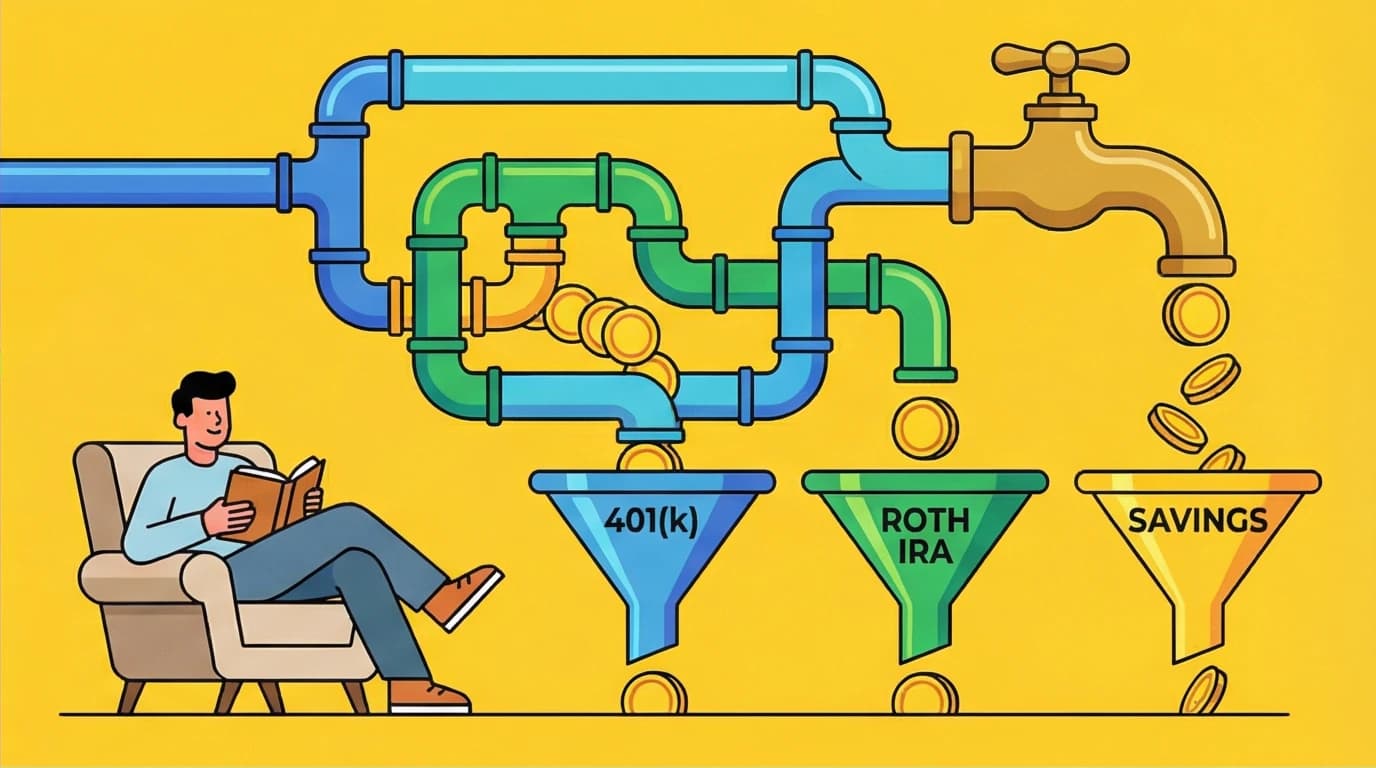
- The Core Lesson: Automate your financial life. Sethi walks you through exactly how to set up your checking, high-yield savings, and investment accounts so that your money flows to the right places automatically every month.
- Why You Need It Now: It provides the exact scripts to negotiate lower credit card rates and outlines exactly how to utilize a Roth IRA and a 401(k) to build millions in tax-free wealth.
If you are ready to stop stressing over daily latte purchases and start focusing on big financial wins, this is the ultimate playbook. Ramit Sethi’s step-by-step system is perfect for anyone living in the United States who wants to automate their investments, crush credit card debt, and still enjoy their money. You won't just learn the theory—you will get exact scripts for negotiating with American banks and setting up tax-advantaged accounts. Grab a copy below to start building your automated wealth machine today.
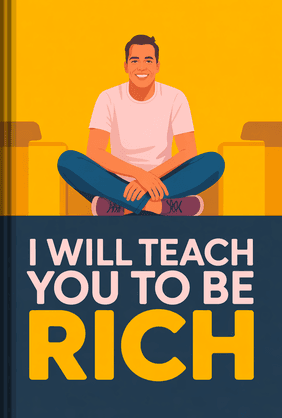
I Will Teach You to Be Rich
Ramit Sethi
 39 Duration
 8 Key Points
 4.5 Rate
2. The Simple Path to Wealth by J.L. Collins
Kiyosaki often talks down on mutual funds, but the stock market remains one of the greatest wealth-building machines in American history. J.L. Collins wrote this book originally as a series of letters to his daughter, making it one of the most accessible financial literacy books for beginners.
- The Core Lesson: Buy and hold broad-based low-cost index funds (specifically Vanguard's VTSAX). Collins explains why picking individual stocks is a loser's game and how capturing the entire market guarantees long-term success.
- Why You Need It Now: It eliminates the intimidation factor of Wall Street. You will realize that you do not need to be a real estate mogul to achieve financial independence; you just need consistent index investing.
For readers who feel overwhelmed by stock market jargon, J.L. Collins strips away the noise and provides a ridiculously simple, battle-tested approach to index investing. If you want a hands-off strategy that consistently beats high-priced Wall Street money managers, this guide is an absolute must-read. It will give you the confidence to put your dollars to work in broad-based funds without obsessing over daily market fluctuations. Check out the book right here to streamline your path to financial independence.
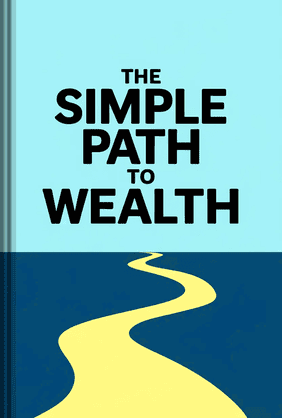
The Simple Path to Wealth
J.L. Collins
41 Duration9 Key Points4.6 Rate3. Set for Life by Scott Trench
If your favorite part of Rich Dad Poor Dad was the real estate aspect, this is your next textbook. Written by the CEO of BiggerPockets, this book is tailored for young professionals looking to build early wealth.
- The Core Lesson: "House hacking." Trench explains how to buy a multi-family property (like a duplex), live in one unit, and rent out the others so your tenants pay your mortgage.
- Why You Need It Now: It bridges the gap between having a standard W-2 salary and actually acquiring your first cash-flowing real estate asset.
If you're looking for a quick dose of motivation before tackling your next book, sometimes revisiting the core ideas that inspired you is the best first step.


LeapAhead

Overwhelmed by your new reading list? Absorb the key ideas from these books and thousands more in just 15 minutes a day with the LeapAhead app.
Expanding the Mindset: Rich Dad Poor Dad vs Think and Grow Rich
When discussing wealth mindset, you inevitably run into Napoleon Hill’s classic. If you are comparing Rich Dad Poor Dad vs Think and Grow Rich, you need to understand they serve entirely different purposes.
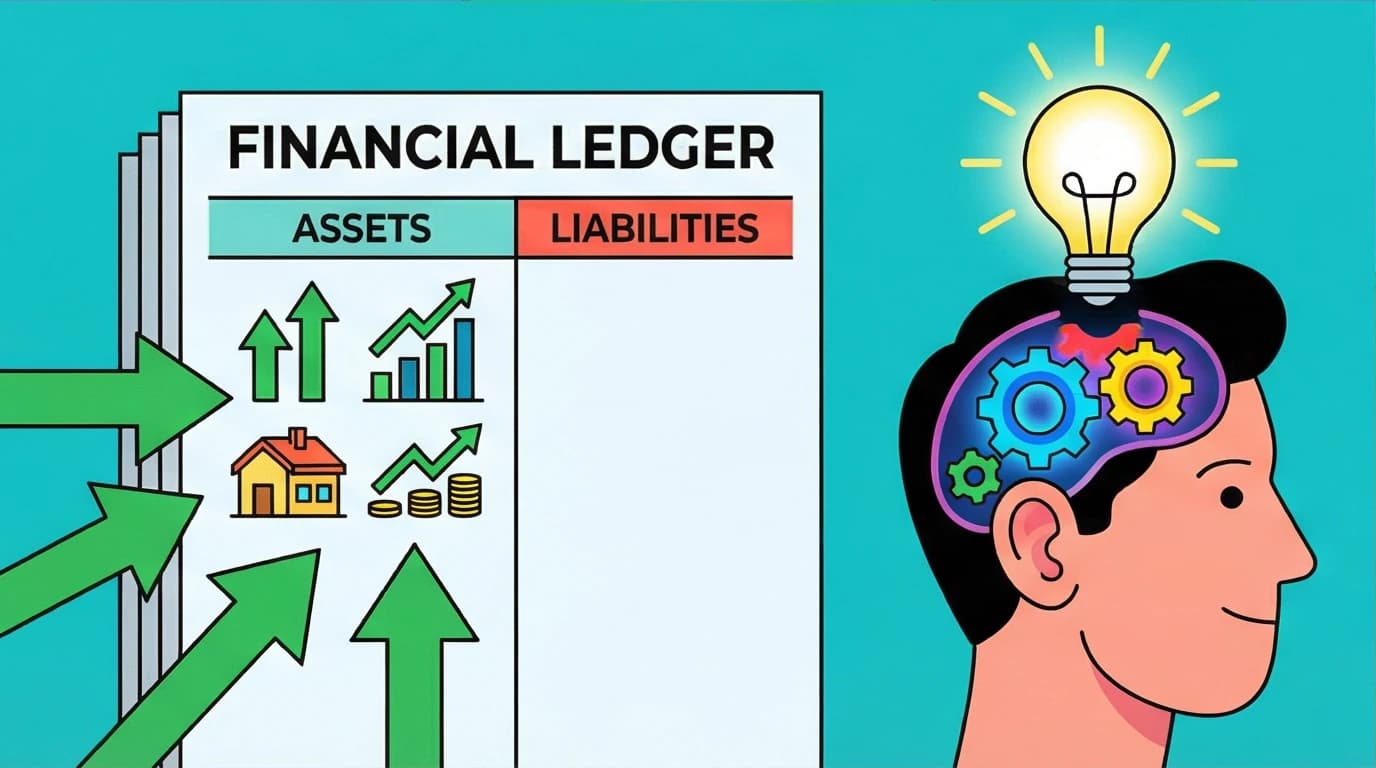
Rich Dad Poor Dad is fundamentally about financial statements. It teaches you how cash flows through a balance sheet and trains you to distinguish a true asset (something that puts money in your pocket) from a liability (something that takes money out).
Think and Grow Rich, published in 1937, has very little to do with math or financial mechanics. Hill’s book focuses on the psychology of success, the power of a "Mastermind" group, and the absolute necessity of a burning desire. It is about conquering your own subconscious limitations.
Read Kiyosaki to understand how money works. Read Hill to understand how the human mind achieves massive goals. Both are essential, but you should read Think and Grow Rich when you need motivation and leadership skills, rather than investing tactics.
To fully appreciate the contrast between these two philosophies, it helps to have a clear understanding of Kiyosaki's complete framework.
Mastering the mechanics of money is only half the battle; the other half is entirely mental. Napoleon Hill’s timeless classic has shaped the minds of countless self-made millionaires by teaching them how to overcome self-doubt and maintain unwavering focus. If you are struggling with a poverty mindset or need that extra push to launch your business venture, this book acts as a catalyst for profound personal growth. Pick up this masterpiece to start rewiring your brain for unparalleled success.
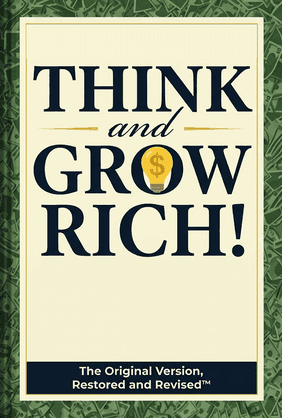
Think and Grow Rich!
Napoleon Hill
38 Duration8 Key Points4.6 RateEssential Financial Literacy Books for Beginners
If you want to build a bulletproof foundation before making big investments, these classics will reshape how you view your daily spending and saving habits.
4. LeapAhead: For Absorbing These Lessons Faster
While not a traditional book, LeapAhead is a powerful tool for anyone who feels the urgency to learn but lacks the time to read every book on this list cover-to-cover. This microlearning app summarizes the key ideas from over 30,000 bestselling nonfiction books—including many financial classics—into 15-minute text and audio formats. It’s built for the modern, busy person who wants to turn their commute or gym session into a productive learning opportunity.
- The Core Lesson: You can accelerate your financial education by consuming the core concepts of essential books in minutes, not months. The app focuses on extracting actionable insights, helping you clear your "reading debt" and build a consistent learning habit.
- Why You Need It Now: After Rich Dad Poor Dad, the reading list can feel intimidating. LeapAhead lets you get the big ideas from The Psychology of Money or The Millionaire Next Door immediately, helping you decide which books you want to dive into more deeply later. It's a fantastic way to triage your learning and maintain momentum. However, readers seeking deep, academic-level detail may find the summaries too concise, and it’s a mobile-first experience that may feel limiting for desktop users.
5. The Psychology of Money by Morgan Housel
Doing well with money has little to do with how smart you are and everything to do with how you behave. Housel uses short, fascinating stories to explain why smart people make terrible financial decisions.
- The Core Lesson: Wealth is what you don't see. True wealth is the unspent income, the index funds left alone to compound, and the flexibility to do what you want with your time.
- Why You Need It Now: It will protect you from your own ego and prevent you from panic-selling when the stock market inevitably dips.
Even the smartest investors can sabotage their own portfolios if they don't understand their emotional triggers. Morgan Housel brilliantly illustrates how our personal histories, egos, and hidden biases dictate our financial success far more than any spreadsheet ever could. It is a fantastic, quick read filled with insightful stories that will completely change how you view risk, reward, and the true meaning of wealth. Add this phenomenal book to your reading list to master the behavioral side of personal finance.
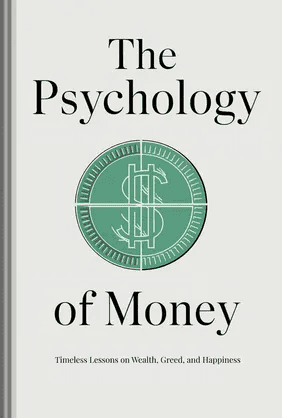
The Psychology of Money
Morgan Housel
48 Duration7 Key Points4.6 Rate6. The Millionaire Next Door by Thomas J. Stanley and William D. Danko
This book shatters the illusion of what a millionaire actually looks like. Based on decades of research, the authors reveal that the average American millionaire does not drive a leased luxury car or wear expensive clothes.
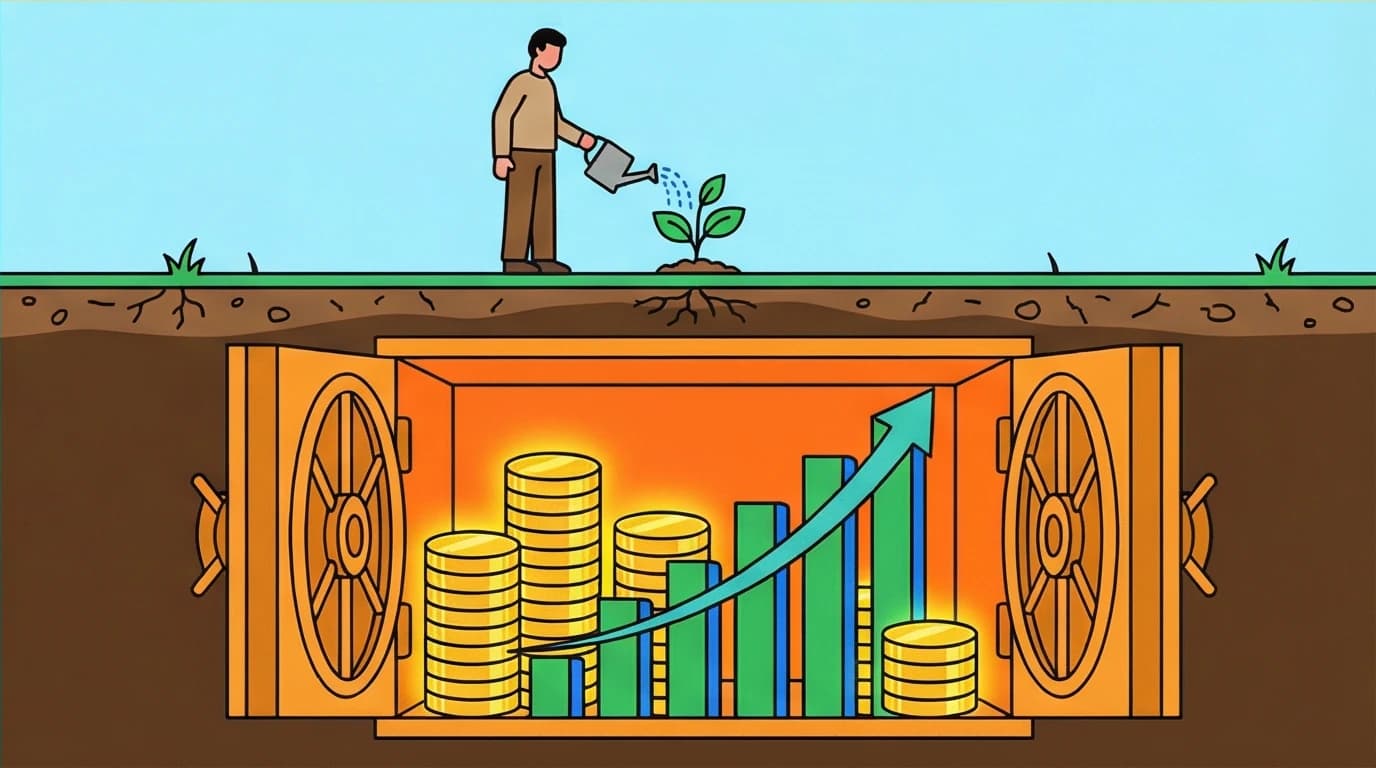
- The Core Lesson: High income does not equal high wealth. Most millionaires are frugal, run unglamorous businesses, and invest heavily.
- Why You Need It Now: It provides the data to back up Kiyosaki’s claims. You will stop trying to look rich and start focusing on actually becoming wealthy.
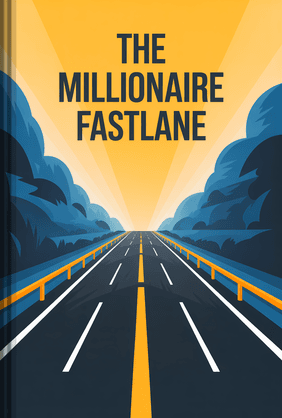
7. The Millionaire Fastlane by MJ DeMarco
Do not let the spammy-sounding title fool you. This is one of the most aggressive, reality-checking books on wealth creation. DeMarco heavily critiques the "save pennies and wait 40 years to be rich" model.
- The Core Lesson: To build massive wealth rapidly, you must decouple your income from your time. You need to build scalable business systems (software, content, distribution networks) that serve millions of people.
- Why You Need It Now: If Kiyosaki made you want to be an entrepreneur, DeMarco gives you the exact mathematical formulas for evaluating whether a business idea can actually make you millions.
Ready to ditch the slow lane and dramatically accelerate your journey to financial freedom? MJ DeMarco’s unapologetic guide is a wake-up call for aspiring entrepreneurs who want to build scalable, high-impact businesses rather than simply maxing out a 401(k) for four decades. He provides a brutal but necessary framework for evaluating business ideas that can generate life-changing cash flow. If you want to decouple your time from your income and build serious wealth in years instead of decades, grab this book right now.
The Millionaire Fastlane
MJ DeMarco
25 Duration10 Key Points4.7 RateLeapAhead
Want the core lessons from all these books without spending months reading? Try LeapAhead to absorb key financial insights on the go in 15-minute sessions.
Where to Source Your Next Read
You can find all of these titles easily at major US retailers like Amazon and Barnes & Noble. If you have a long commute, getting the audio versions on Audible is highly recommended. Hearing the authors narrate their own strategies (especially Ramit Sethi and Morgan Housel) adds an excellent layer of personality to the data. Alternatively, check Goodreads to read thousands of user reviews and see which specific concepts resonated with readers in your exact financial situation.
FAQ
What is the absolute best book to read immediately after Rich Dad Poor Dad?
If you want actionable, step-by-step instructions on setting up your banking and investing, read I Will Teach You to Be Rich. If you want to understand the stock market and index funds, read The Simple Path to Wealth.
If you want actionable, step-by-step instructions on setting up your banking and investing, read I Will Teach You to Be Rich. If you want to understand the stock market and index funds, read The Simple Path to Wealth.
Do I need a lot of money to start applying the advice in these books?
No. Most of these books are designed for people starting with zero. The Simple Path to Wealth and I Will Teach You to Be Rich explicitly show you how to start investing with small amounts of money each month using tax-advantaged accounts like a Roth IRA.
No. Most of these books are designed for people starting with zero. The Simple Path to Wealth and I Will Teach You to Be Rich explicitly show you how to start investing with small amounts of money each month using tax-advantaged accounts like a Roth IRA.
Do these financial literacy books for beginners cover real estate?
Most standard financial literacy books focus on the stock market and personal budgeting. If you strictly want real estate execution after reading Kiyosaki, Set for Life by Scott Trench and The Book on Rental Property Investing by Brandon Turner are your best options.
Most standard financial literacy books focus on the stock market and personal budgeting. If you strictly want real estate execution after reading Kiyosaki, Set for Life by Scott Trench and The Book on Rental Property Investing by Brandon Turner are your best options.
Are these concepts updated for today's economy?
Yes. Books like The Psychology of Money and recent editions of I Will Teach You to Be Rich account for modern banking apps, robo-advisors, and current market dynamics. The foundational math of compounding interest and acquiring assets remains unchanged regardless of the decade.
Yes. Books like The Psychology of Money and recent editions of I Will Teach You to Be Rich account for modern banking apps, robo-advisors, and current market dynamics. The foundational math of compounding interest and acquiring assets remains unchanged regardless of the decade.