

You are running ads, optimizing your SEO, and driving qualified traffic to your site. But your landing pages are stalling. Visitors read your copy, browse your pricing page, and bounce. The disconnect isn’t necessarily your product or your price point. The problem is a lack of psychological friction-removers. Humans do not make purchasing decisions based purely on logic; we rely on mental shortcuts.
Dr. Robert Cialdini outlined these mental shortcuts in his foundational work on the psychology of persuasion. Translating these behavioral theories into hard-hitting landing pages, email sequences, and ad creatives is what separates top-tier marketers from the rest.
Here is exactly how to integrate the Cialdini principles in marketing to boost your conversion rates and close more deals.
For a complete breakdown of the research and theory behind these powerful concepts, it's worth exploring a detailed summary of Cialdini's original work.
How to Use Cialdini 6 Principles to Drive Sales
Learning how to use Cialdini 6 principles effectively requires moving past basic theory and applying specific, tactical changes to your user journey. Let’s break down each principle, look at real-world applications, and map out exactly how you can deploy them today.
1. Reciprocity: Give Before You Ask
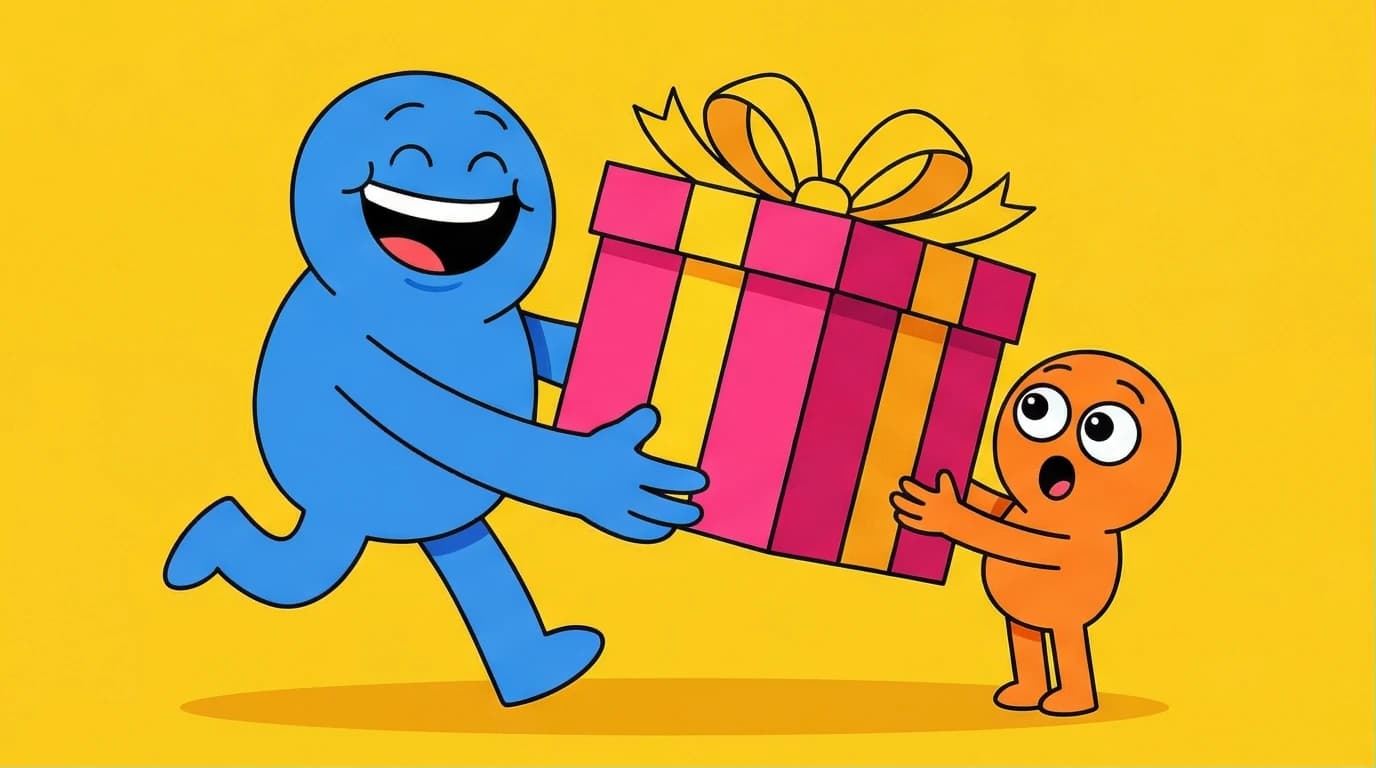
Human beings are wired to return favors. When someone gives us something of value, we feel a psychological obligation to give something back. In marketing, if you push for a sale before providing upfront value, you encounter massive resistance.
The Marketing Application:
Give your prospects something genuinely useful for free. This builds goodwill and makes them significantly more likely to give you their email address, book a demo, or complete a purchase later.
Give your prospects something genuinely useful for free. This builds goodwill and makes them significantly more likely to give you their email address, book a demo, or complete a purchase later.
US Brand Examples:
- Costco: The classic free sample model. Tasting a product drastically increases the likelihood of a shopper putting the full-sized item in their cart.
- Barnes & Noble & Amazon Kindle: Offering the first chapter of a book for free. Once the reader invests time and gets value, they feel compelled to buy the rest.
Actionable Implementation:
- Create High-Value Lead Magnets: Stop asking users to "Subscribe to our newsletter." Offer a free calculator, a swipe file, or a highly specific template in exchange for their email.
- Ungate Some Content: Give away 80% of your best advice for free on your blog. Charge for the organized execution or software that makes it easier.
- Surprise Upgrades: Offer unexpected bonuses at checkout, like a free setup call or expedited shipping.
The concept of giving before you ask doesn't just apply to landing pages and lead magnets; it's a foundational element of successful networking and overall business growth. If you want to master the art of reciprocity and learn why those who contribute the most upfront value end up seeing the highest returns, exploring the psychology behind giving is a smart move. This phenomenal book breaks down how a generous approach can dramatically elevate your professional success.
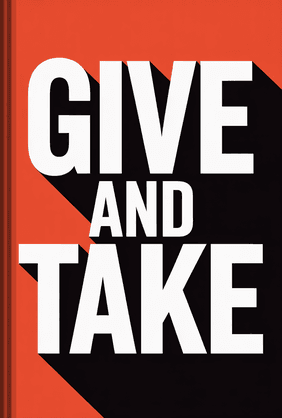
Give and Take
Adam Grant
 26 Duration
 11 Key Points
 4.5 Rate
If finding time to read full books like "Give and Take" is a challenge, it can be helpful to start with the core concepts.

Get the key insights from bestselling marketing and psychology books like this one in just 15-minute audio or text summaries, perfect for a busy schedule.
Download LeapAhead App now
2. Commitment and Consistency: Start Small
People want their external actions to align with their internal beliefs and past behaviors. Once a prospect takes a small, seemingly insignificant step toward your brand, they are psychologically primed to take larger steps later.
The Marketing Application:
Instead of asking for a massive commitment right away (like a $5,000 enterprise contract), ask for a micro-commitment.
Instead of asking for a massive commitment right away (like a $5,000 enterprise contract), ask for a micro-commitment.
US Brand Examples:
- Duolingo: They get users to commit to a simple 3-minute lesson first. The desire to maintain their "streak" (consistency) keeps them coming back and eventually paying for the premium version.
- Warby Parker: The "Home Try-On" program. By committing to try five pairs of glasses for free at home, the customer has already taken a massive mental step toward purchasing.
Actionable Implementation:
- Multi-Step Forms: Never put a 10-field form on a landing page. Ask for a zip code or a first name initially. Once the user clicks "Next," they have made a micro-commitment and are far more likely to finish the rest of the form.
- The "Yes" Ladder in Copy: Start your sales pitches with statements the prospect has to agree with. Getting them to mentally say "yes" to small problems makes them ready to say "yes" to your solution.
3. Social Proof: Show, Don't Tell
When people are unsure of what to do, they look at the behavior of others to guide their own actions. If you want to drive social proof cialdini conversion lifts, you have to prove that thousands of other people trust your product.
The Marketing Application:
Your prospects will doubt your marketing copy, but they will implicitly trust the reviews, case studies, and user-generated content from their peers.
Your prospects will doubt your marketing copy, but they will implicitly trust the reviews, case studies, and user-generated content from their peers.
US Brand Examples:
- Amazon: The entire platform relies on this. A product with a 4.8-star rating and 15,000 reviews will outsell a similar product with a 5-star rating but only 3 reviews.
- McDonald's: The famous "Billions and Billions Served" sign is the ultimate, localized display of herd mentality.
Actionable Implementation:
- Granular Testimonials: Ditch generic quotes like "Great service!" Use highly specific numbers. "Company X helped us cut our AWS server costs by 32% in 30 days."
- Live Activity Trackers: Use subtle notification widgets on e-commerce stores showing "John from Texas just bought [Product]."
- Highlight "Most Popular" Tiers: On your SaaS pricing page, explicitly highlight the middle tier as "Most Popular" or "Best Value" to guide hesitant buyers.
Social proof is precisely why certain products become viral sensations while others fade into obscurity. When you can get people talking about your brand, their peers naturally follow suit. If you're looking to understand the mechanics of word-of-mouth marketing and why things catch on, you need to study the underlying triggers that compel consumers to share. This book provides a masterclass on engineering social proof and crafting ad campaigns that practically promote themselves.

Contagious
Jonah Berger
47 Duration8 Key Points4.4 Rate
4. Authority: Prove Your Expertise
People inherently follow the lead of credible, knowledgeable experts. If your brand lacks authority, your claims hold no weight. Leveraging influence psychology of persuasion sales tactics means establishing unquestionable expertise before you ever make a pitch.
The Marketing Application:
Borrow authority from recognized figures, display verifiable credentials, and present your data with absolute confidence.
Borrow authority from recognized figures, display verifiable credentials, and present your data with absolute confidence.
US Brand Examples:
- Crest & Colgate: "9 out of 10 dentists recommend..." This instantly shifts the burden of trust from the corporate brand to medical professionals.
- Audible: Highlighting that a specific audio program is narrated by a trusted expert or backed by a major university adds immediate weight.
Actionable Implementation:
- Trust Badges: Place logos of media outlets that have covered you ("As seen in Forbes, TechCrunch, The Wall Street Journal") right near your call-to-action buttons.
- Expert Endorsements: Partner with industry-specific influencers. If you sell marketing software, getting a public endorsement from an established US marketing executive changes the buying dynamic.
- Dress the Part: In B2B video sales calls, professional lighting, crisp audio, and an organized background subtly signal competence and authority.
5. Liking: Build Real Connections
We prefer to say yes to people we know and like. This principle seems subjective, but it is highly operational. Liking is driven by three main factors: physical attractiveness, similarity (people who are like us), and compliments.
The Marketing Application:
Brands that act like faceless corporations struggle to build loyalty. Brands that showcase human elements, relatable flaws, and a distinct personality win.
Brands that act like faceless corporations struggle to build loyalty. Brands that showcase human elements, relatable flaws, and a distinct personality win.
US Brand Examples:
- Apple: The classic "Mac vs. PC" ad campaigns worked because they made the Mac character highly likable, relaxed, and relatable to a younger, creative demographic.
- Zappos: Built an entire empire on customer service reps acting like real people—chatting on the phone for hours, sending handwritten notes, and treating customers like friends.
Actionable Implementation:
- Revamp Your "About Us" Page: Stop using corporate jargon. Show the faces of your founders, tell the gritty story of why you started the company, and highlight your core values.
- Mirror Your Customer's Language: Read Amazon reviews of competitor products. Steal the exact phrases your target audience uses and put them in your ad copy. When people read words they would naturally say, they feel understood.
- Show Empathy: Acknowledge their specific struggles. "We know how exhausting it is to manually format spreadsheets every Friday night."
6. Scarcity: Create FOMO
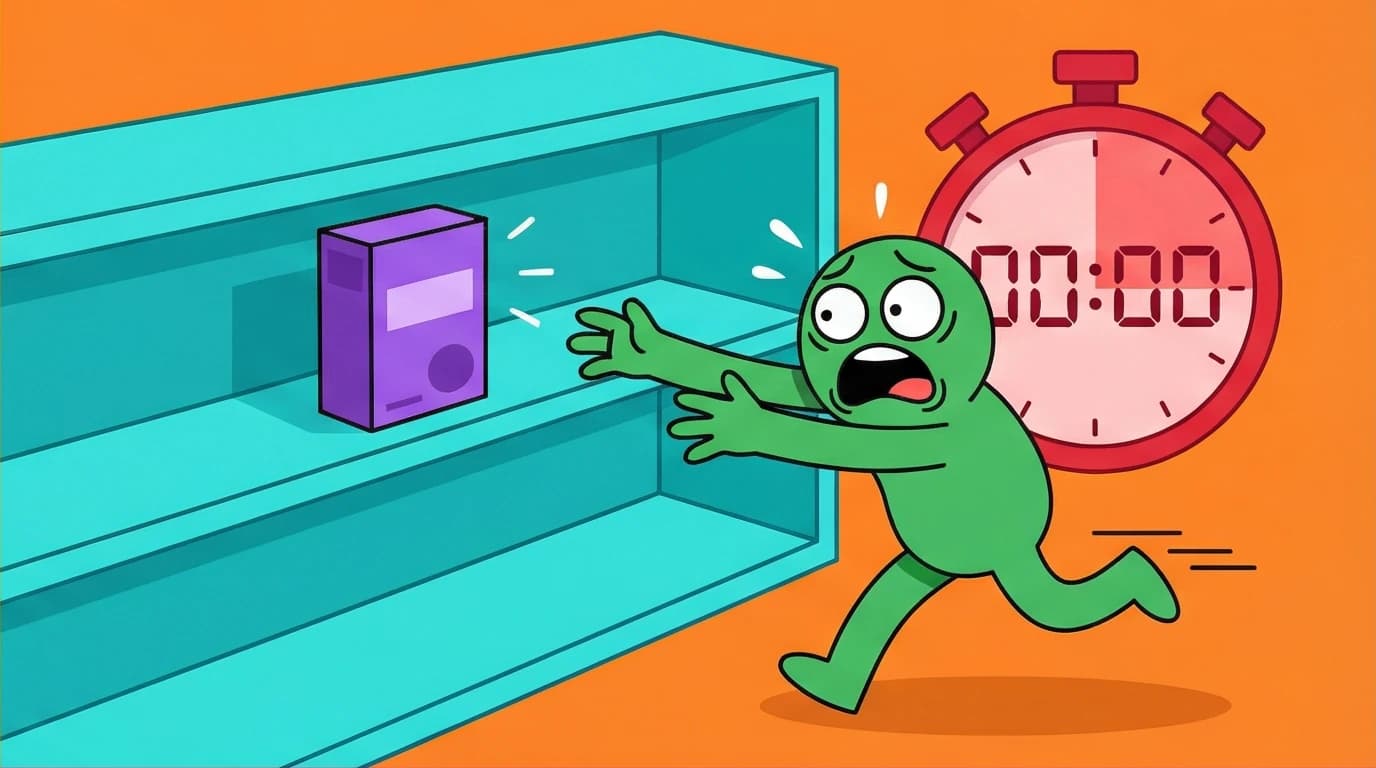
People want more of the things there are less of. The fear of losing out on an opportunity is often a stronger motivator than the desire to gain something of equal value. Finding the right scarcity principle marketing examples is critical because, done wrong, this looks like a cheap scam.
The Marketing Application:
Highlight unique benefits, exclusive information, and genuine limits on your offers to trigger immediate action.
Highlight unique benefits, exclusive information, and genuine limits on your offers to trigger immediate action.
US Brand Examples:
- Airlines & Hotels (Expedia, Delta): "Only 2 tickets left at this price." This forces travelers to pull out their credit cards immediately rather than shopping around.
- Supreme: Built a billion-dollar apparel brand entirely on dropping limited batches of clothing. Once it's gone, it's gone.
Actionable Implementation:
- Stock Scarcity: If you run an e-commerce store, display exact inventory numbers when stock is low ("Only 4 items remaining in your size").
- Time Scarcity: Use countdown timers for flash sales, but only if they are real. If a customer sees a timer hit zero, refreshes the page, and the timer restarts, you permanently lose trust.
- Exclusivity: Cap the number of clients you take on per month. "We only onboard 5 new agency partners per quarter to ensure quality."
Scarcity and FOMO often trigger our most irrational buying behaviors, pushing consumers to abandon careful budget planning in favor of immediate action. If you are fascinated by the idea that human beings do not make purchasing decisions based purely on logic, you will want to dive much deeper into behavioral economics. To truly understand why your customers act the way they do—and how to anticipate their seemingly illogical buying habits—check out this eye-opening read.

Predictably Irrational
Dan Ariely
23 Duration10 Key Points4.6 Rate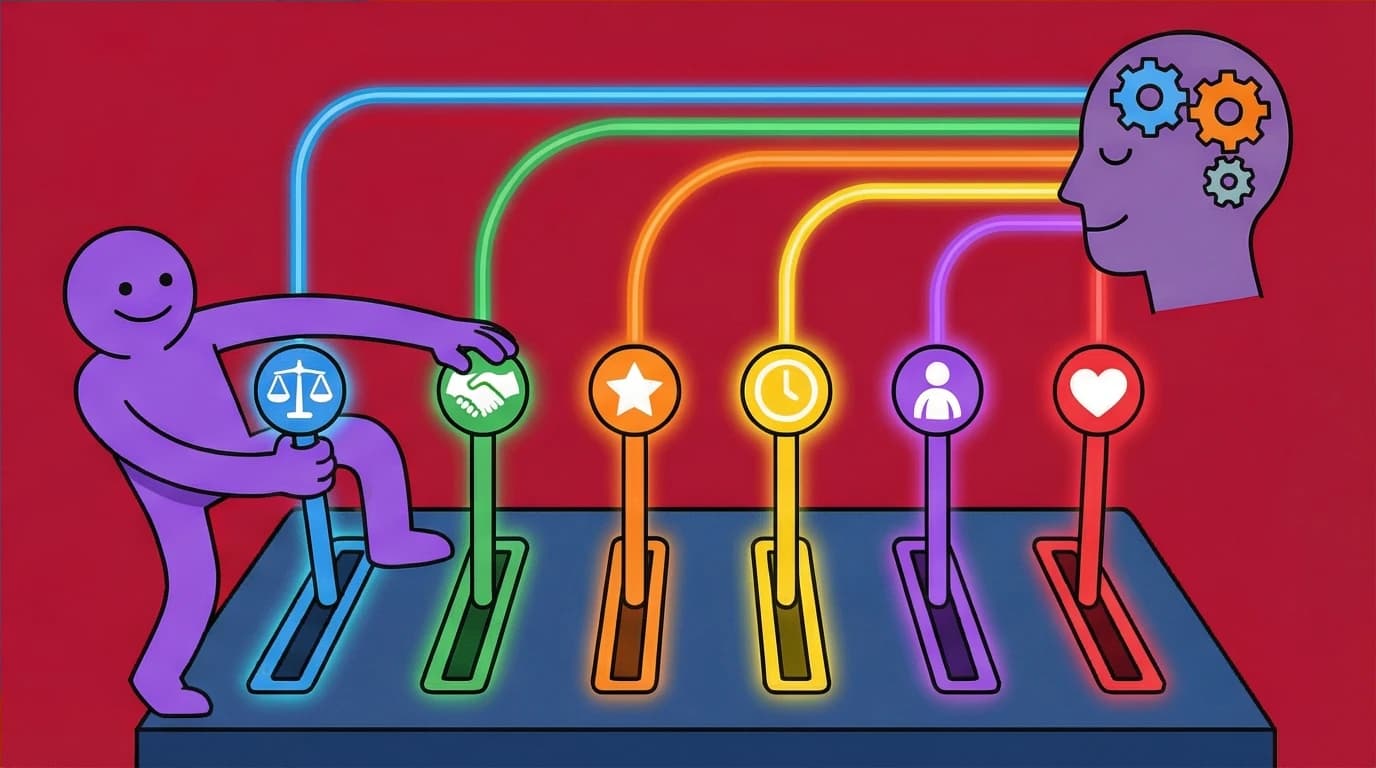
Common Pitfalls When Applying Persuasion Tactics
Understanding these principles is only half the battle. Executing them poorly will actively damage your brand reputation. Avoid these common mistakes:
- Manufacturing Fake Scarcity: Modern consumers are highly skeptical. If you sell a digital course and claim "We are running out of spots," buyers know it is a lie. Instead, restrict access based on cohort dates or live Q&A availability.
- Overwhelming the User: Do not throw all six principles onto a single checkout page. A page with a countdown timer, twenty pop-ups, expert badges, and exit-intent offers feels desperate. Layer them naturally throughout the funnel.
- Violating the Reciprocity Trust: If you promise a "free comprehensive guide" in exchange for an email, and you deliver a useless 2-page PDF, you have triggered reciprocity in reverse. The user now feels cheated and will actively avoid your brand.
Beyond being an ethical marketer, it's also empowering to be an informed consumer. Understanding how to spot these tactics can help you make clearer decisions and avoid being swayed by manipulative strategies.
Strategic Takeaway for Marketers
You do not need to invent new ways to manipulate human behavior; you just need to align your marketing with how the brain already works. Audit your current sales funnel. Where are users dropping off?
If your bounce rate is high, you likely need more Authority and Liking. If visitors add items to their cart but abandon them, inject Social Proof and legitimate Scarcity. Treat these Cialdini principles as your baseline toolkit for removing doubt, building trust, and driving higher conversions.
For marketers wanting to internalize these principles from Cialdini and other thought leaders but are short on time, a microlearning approach can be a game-changer.
Master the core ideas of essential business books on your commute or during a coffee break, turning small pockets of time into major professional growth.
Download LeapAhead App now
Ready to go straight to the source? Since this entire marketing framework is built on Dr. Robert Cialdini’s groundbreaking behavioral research, reading his original work is practically mandatory for any serious marketer or sales professional. If you want a complete masterclass in the psychology of persuasion and a deeper look at the scientific studies that back up these six principles, this is the definitive guide you need to keep on your desk.
Influence
Robert Cialdini, Ph.D.
50 Duration9 Key Points4.5 RateFAQ
Can you use too many principles at once?
Yes. Stacking too many psychological triggers—like combining a countdown timer with constant social proof pop-ups and aggressive upsells—creates cognitive overload. It makes your site look like a scam. Pick one or two primary principles per page and execute them cleanly.
Yes. Stacking too many psychological triggers—like combining a countdown timer with constant social proof pop-ups and aggressive upsells—creates cognitive overload. It makes your site look like a scam. Pick one or two primary principles per page and execute them cleanly.
Is applying these persuasion principles manipulative?
It becomes manipulative if you lie. Using a fake countdown timer or writing fake testimonials is unethical. However, highlighting real stock shortages, showing genuine customer reviews, and giving away real value upfront is simply effective communication that helps buyers make confident decisions.
It becomes manipulative if you lie. Using a fake countdown timer or writing fake testimonials is unethical. However, highlighting real stock shortages, showing genuine customer reviews, and giving away real value upfront is simply effective communication that helps buyers make confident decisions.
Which principle is most effective for B2B vs B2C marketing?
While all principles apply to both, B2B marketing relies heavily on Authority and Social Proof (case studies, ROI metrics, enterprise logos) to justify large financial risks. B2C and e-commerce lean heavily into Scarcity, Liking, and Reciprocity for faster, impulse-driven purchasing decisions.
While all principles apply to both, B2B marketing relies heavily on Authority and Social Proof (case studies, ROI metrics, enterprise logos) to justify large financial risks. B2C and e-commerce lean heavily into Scarcity, Liking, and Reciprocity for faster, impulse-driven purchasing decisions.
Do these rules still apply to modern social media and video ads?
Absolutely. The medium changes, but human psychology does not. A TikTok ad leveraging a popular influencer combines Liking and Authority. A limited-time promo code in an Instagram Reel triggers Scarcity. The core mechanics remain identical.
Absolutely. The medium changes, but human psychology does not. A TikTok ad leveraging a popular influencer combines Liking and Authority. A limited-time promo code in an Instagram Reel triggers Scarcity. The core mechanics remain identical.