


You wake up, and your chest already feels tight. Your brain is running through a mental to-do list before your feet even hit the floor. You are not alone. Millions of Americans live with this low-grade hum of tension every single day, navigating a constant state of hyper-arousal that drains their energy and ruins their focus.
Dealing with this constant edge requires more than occasional deep breathing when you feel a panic attack coming on. It requires preventative maintenance. You need actionable, realistic routines that fit into a busy schedule and actively signal safety to your nervous system.
Why Your Nervous System Needs a Daily Routine
Anxiety is not just in your head; it is deeply physiological. When you experience stress, your sympathetic nervous system kicks into gear, flooding your body with cortisol and adrenaline. This is your fight-or-flight response.
The problem is that modern life—pinging emails, constant news alerts, and heavy traffic—keeps this system engaged constantly. Over time, your baseline anxiety rises. To reverse this, you have to deliberately activate your parasympathetic nervous system (your rest-and-digest state). You cannot wait for anxiety to strike to start managing it. You have to weave nervous system regulation into your day.

The Morning Routine for Anxiety: Setting the Tone
Your cortisol levels naturally peak in the first 30 to 45 minutes after waking. This biological process is known as the cortisol awakening response. How you handle this first hour dictates your anxiety levels for the rest of the day. A proper morning routine for anxiety focuses entirely on grounding yourself before the world demands your attention.
The 30-Minute Screen Delay
Do not look at a glowing screen for the first half-hour of your day. Opening your phone to check emails or read the news throws gasoline on an already elevated cortisol baseline. Buy a basic digital clock from Amazon for your nightstand and charge your phone in the bathroom or kitchen. Use this initial 30 minutes to let your brain wake up naturally without external stimulation.
Hydrate Before You Caffeinate
Coffee is a well-known anxiety amplifier. Dehydration causes physical stress in the body, which your brain often misinterprets as mental panic. Before pouring that first cup of coffee, drink 16 ounces of water. Delaying your caffeine intake by 90 minutes after waking also prevents the afternoon crash that triggers irritability and midday jitters.
Morning Light Exposure
Get outside immediately. Sunlight hitting your eyes within the first hour of waking regulates your circadian rhythm. Step out onto your porch or take a brisk walk down the street. Even five to ten minutes of natural light sets a biological foundation for better sleep later that night, which is the ultimate defense against next-day anxiety.
Midday Stress Management Techniques: Breaking the Cycle
The middle of the day is where the best intentions usually fall apart. Back-to-back meetings, commuting miles in gridlock, and an endless stream of Slack messages push your nervous system back into chronic stress. You need quick interventions to break the tension cycle before it snowballs.
The Physiological Sigh
When you feel your chest tightening at your desk, you need an immediate biological override. Use the physiological sigh. Take two quick inhales through the nose, followed by a long, slow exhale through the mouth. Repeat this three times. This specific breathing pattern rapidly lowers your heart rate, reinflates the alveoli in your lungs, and forces your nervous system to downshift instantly. It is one of the most effective, science-backed stress management techniques available.
The physiological sigh is just one of many powerful tools at your disposal. If you're looking for other science-backed methods to calm your nervous system in minutes, from guided breathing exercises to grounding techniques, there are several you can master.
Understanding the mechanics of your respiration can completely transform how you handle daily stress. If you are fascinated by how simple breathing techniques can instantly downshift your nervous system, exploring the science behind it can be incredibly empowering. For those who want to dive deeper into how optimal breathing impacts everything from anxiety to athletic performance, there is a fantastic resource that breaks down the lost art of breathing correctly. It explores ancient practices alongside modern science to show exactly why altering your breath alters your life.
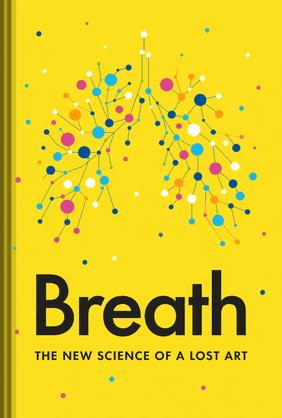
Breath
James Nestor
 40 Duration
 7 Key Points
 4.6 Rate
Scheduled Movement Snacks
Anxiety thrives in a stagnant body. You do not need to sweat through an intense gym session in the middle of the workday, but you do need to move the stress hormones out of your bloodstream. Implement five-minute movement breaks every few hours. Stand up, stretch, or walk a quick half-mile on your lunch break. Physical movement metabolizes the adrenaline that anxiety produces.
The Tactical Brain Dump
Mental clutter breeds panic. When a stressful thought or unassigned task pops into your head, do not let it loop. Keep a physical notepad on your desk. Write the thought down immediately. You organize your workspace to be efficient; you must do the same for your mind. Getting unorganized thoughts out of your head and onto paper removes the heavy cognitive burden of trying to remember them all.
Writing down your thoughts is a great first step, but breaking free from persistent negative thought loops often requires more targeted cognitive strategies.
Evening Wind-Down: Natural Ways to Reduce Anxiety
How you end your day determines how resilient you will feel the next morning. Your evening hours must focus on shifting from high alert to deep rest. Sleep deprivation is a primary driver of chronic anxiety, so protecting your sleep environment is non-negotiable.
Digital Sunset and Ambient Lighting
Blue light suppresses melatonin production and keeps your brain highly active. Shut down laptops and step away from social media at least an hour before bed. Transition your environment by turning off overhead lights and using lamps with warm amber color tones. Instead of doom-scrolling, read a physical book or listen to your favorite fiction audiobook on Audible or Apple Books.

Temperature Regulation
Your core body temperature needs to drop to initiate deep sleep. Lower your thermostat to around 65 degrees Fahrenheit. Taking a warm shower an hour before bed is also highly effective; as your body rapidly cools down after stepping out of the shower, it signals to your brain that it is time to shut down for the night.
Optimizing your bedroom temperature is just one piece of the puzzle when it comes to getting the deep, restorative rest your nervous system craves. If you want to fully understand the profound impact that a good night's rest has on your emotional resilience and physical health, learning about the biology of sleep is a game-changer. For a comprehensive look at why prioritizing your bedtime is the ultimate life hack for reducing daytime anxiety, consider exploring more on the subject. It is packed with actionable science on how to optimize every phase of your nightly cycle.

Why We Sleep
Matthew Walker and Steve West
38 Duration8 Key Points4.6 RateMindfulness Meditation for Anxiety
Spend the last ten minutes of your day practicing intentional detachment. You do not need to sit perfectly still in a lotus position to meditate. Lie in bed, close your eyes, and practice a simple body scan. Focus your attention on consciously relaxing each muscle group from your toes up to your jaw. Integrating mindfulness meditation for anxiety into your nightly routine trains your brain to observe stressful thoughts without emotionally reacting to them, allowing you to drift off peacefully.
Meditation often sounds intimidating, especially if your mind is already racing at a hundred miles per hour. You might think that you are simply incapable of quieting your thoughts, but the goal is not to clear your mind completely. If you are a skeptic looking for a practical, no-nonsense approach to meditation without the mystical jargon, you are definitely not alone. There are some excellent books out there written specifically for overthinkers that demystify mindfulness and show how even a tiny bit of daily practice can significantly lower your baseline stress.
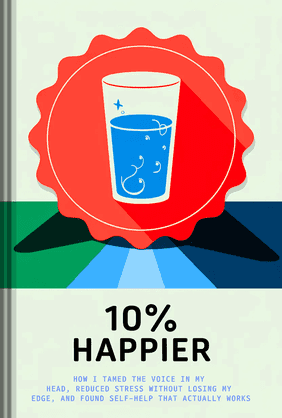
10% Happier
Dan Harris
39 Duration9 Key Points4.6 RateLeverage Natural Supplements
If your mind continues to race at night, consider incorporating targeted natural ways to reduce anxiety. Drinking a cup of chamomile tea or taking a high-quality magnesium glycinate supplement an hour before bed helps calm muscle tension. Magnesium acts as a natural relaxant for the nervous system, promoting deeper, more restorative sleep without the grogginess associated with over-the-counter sleep aids.
A solid evening routine is your best defense against a racing mind at bedtime. If you find that sleep is consistently disrupted by anxiety, focusing specifically on this area can be life-changing.
Building Your Habit Stack Without Overwhelm
Trying to overhaul your entire life overnight will simply cause more anxiety. Do not try to implement all of these strategies tomorrow.
Start small. Choose just one habit from the morning list—like delaying your screen time—and practice it for a week. Once that behavior becomes automatic, layer in a midday breathing technique. Consistency always beats intensity. A five-minute breathing exercise done every single day is far more effective than a massive lifestyle change that you abandon after three days. Build your routine slowly, give yourself grace on the days you slip up, and focus on the long-term goal of building a resilient, regulated nervous system.
Implementing a new routine to manage anxiety does not require overhauling your entire life overnight. In fact, relying on tiny, incremental changes is the most scientifically sound way to create lasting positive behaviors. If you want to master the art of building these small, manageable routines without relying on sheer willpower, understanding the psychology of habit formation is essential. For a brilliant roadmap on how to make good habits inevitable and break the bad ones that fuel your anxiety, there is a highly recommended guide that perfectly complements everything discussed here.

Atomic Habits
James Clear
26 Duration8 Key Points4.7 RateSeeing all these book recommendations might feel overwhelming, especially when you're already trying to manage anxiety. If you want to absorb the core lessons from these authors without the pressure of a long reading list, a summary app can be a great tool.


Absorb the key ideas from books on habits, sleep, and mindfulness in just 15 minutes. It’s a low-stress way to gain valuable knowledge on busy days when you’re too tired to read.
 LeapAhead
FAQ
How long does it take for these habits to work?
You will notice minor shifts in your physical tension immediately after performing breathing exercises or movement. However, lowering your baseline anxiety takes consistent practice. Most people report a significant, noticeable improvement in their overall mental resilience after three to four weeks of daily commitment to their routine.
You will notice minor shifts in your physical tension immediately after performing breathing exercises or movement. However, lowering your baseline anxiety takes consistent practice. Most people report a significant, noticeable improvement in their overall mental resilience after three to four weeks of daily commitment to their routine.
What if I don't have time for a morning routine?
You don't need a full hour to build a highly effective routine. Even five minutes makes a drastic difference. Waking up just five minutes earlier to drink a glass of water and take ten deep breaths before looking at your phone is enough to interrupt the initial morning cortisol spike and set a calmer tone for the day.
You don't need a full hour to build a highly effective routine. Even five minutes makes a drastic difference. Waking up just five minutes earlier to drink a glass of water and take ten deep breaths before looking at your phone is enough to interrupt the initial morning cortisol spike and set a calmer tone for the day.
Can natural daily habits replace anxiety medication?
Daily habits are fundamental for long-term nervous system regulation, but they are not a substitute for professional medical advice. If you are experiencing severe panic attacks or clinical anxiety, always consult a healthcare provider. These habits work best when utilized alongside professional treatment plans, not necessarily in place of them.
Daily habits are fundamental for long-term nervous system regulation, but they are not a substitute for professional medical advice. If you are experiencing severe panic attacks or clinical anxiety, always consult a healthcare provider. These habits work best when utilized alongside professional treatment plans, not necessarily in place of them.