


You already know you should be mindful. But between back-to-back Zoom meetings, dropping the kids off at school, and keeping up with a never-ending inbox, sitting cross-legged on a floor cushion for 30 minutes feels like an impossible luxury. When your schedule is packed from the moment your alarm rings, the idea of adding "meditate" to your to-do list just creates more anxiety. You need a way to calm your nervous system that doesn't demand time you simply don't have.
The Core Misconception of Mindfulness in Daily Life
The biggest mistake busy people make is treating mindfulness as an event. You block out time, close the door, put on noise-canceling headphones, and try to force your brain to shut down. When you inevitably get distracted by a text message or the thought of what to make for dinner, you quit. You assume you failed.
Mindfulness is not an isolated event. It is a state of awareness you bring to things you are already doing.
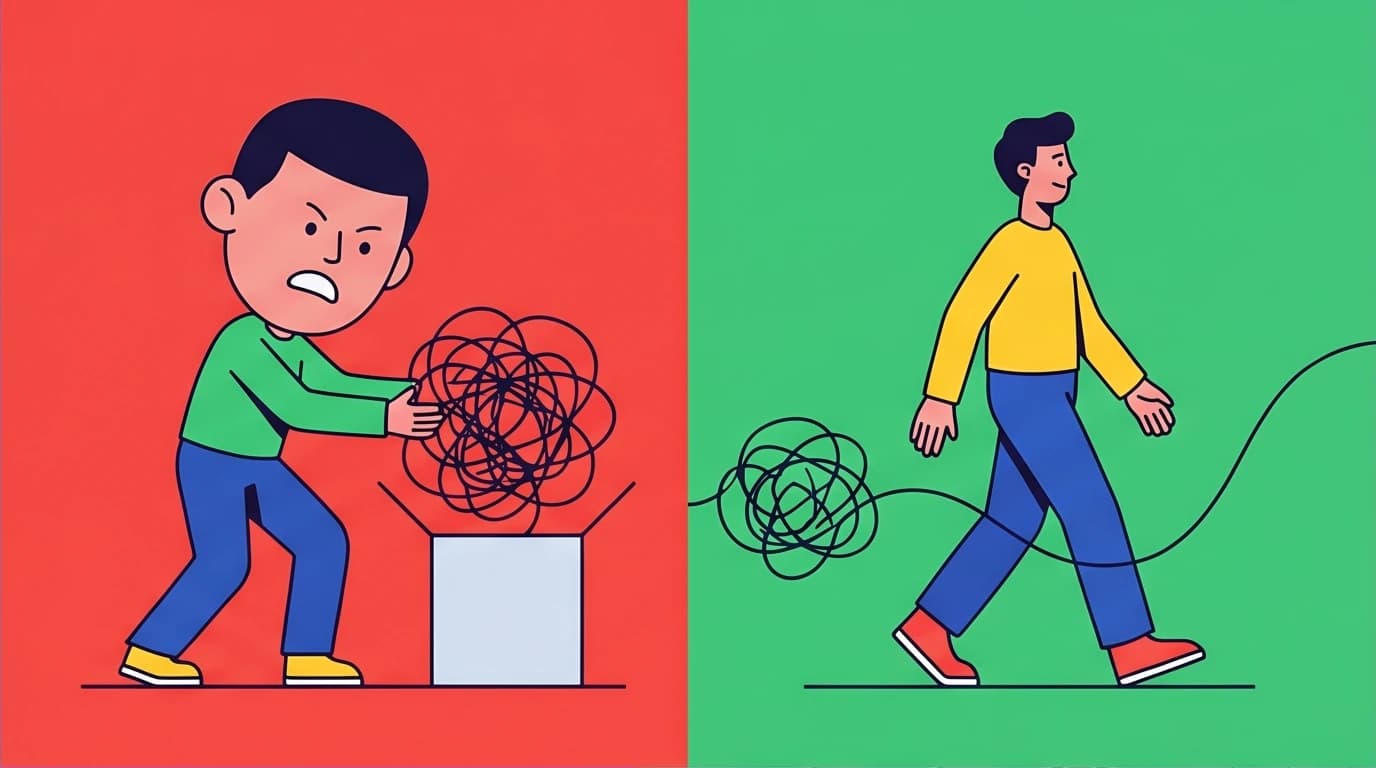
You do not need to pause your life to be mindful. True everyday mindfulness is about paying attention to the present moment without judgment. It is about feeling the steering wheel under your hands, tasting the bitterness of your morning coffee, or noticing the temperature of the air when you walk out your front door. It requires zero extra minutes. It only requires a shift in attention.
This shift is the core of the practice. For a step-by-step guide on the fundamental exercises that build this awareness, it's helpful to start with the basics.
If you’ve ever tried to meditate, got frustrated after three minutes, and decided your brain simply isn’t wired for it, you are not alone. Many high-achievers struggle to quiet their minds, assuming that a racing brain means they are doing it wrong. For a highly relatable, no-nonsense look at how a skeptical, stressed-out news anchor finally figured out how to incorporate mindfulness into a chaotic schedule, check out Dan Harris’s refreshing take. It's the perfect read if you need a practical approach without the typical wellness jargon.
10% Happier
Dan Harris
 39 Duration
 9 Key Points
 4.6 Rate
The Strategy: Habit Stacking Your Mindfulness Habits
If you rely on willpower to remember to be mindful, you will forget. Your brain is too busy processing a thousand other decisions. The secret to building effortless mindfulness habits is a concept popularized by behavior experts (and likely sitting on your Barnes & Noble bookshelf or Amazon Kindle right now): Habit Stacking.
Habit stacking means taking an action you already do automatically every single day and attaching a new behavior to it. Your existing habit becomes the trigger for your mindfulness practice.

Instead of saying, "I will practice mindfulness at 2:00 PM," you say, "When I start my car, I will take three deep breaths before shifting into drive." The trigger is starting the car. The habit is the breath.
The mechanics of habit stacking are incredibly powerful, but getting the hang of triggering new behaviors can take a little practice. If you want to dive deeper into the exact science of why attaching small changes to existing routines works so well—and how to engineer your environment for inevitable success—James Clear’s masterclass on habit formation is an absolute must-read. It breaks down the psychology behind micro-habits in a way that makes adopting a daily mindfulness practice feel virtually effortless.

Atomic Habits
James Clear
26 Duration8 Key Points4.7 RateFinding the time to read foundational books like these is often the biggest hurdle. If you want to absorb these powerful ideas without adding to your 'reading debt', an app designed for busy schedules can help.


Absorb the key ideas from bestselling books on habits and mindfulness in 15-minute audio or text summaries, turning your commute into a micro-learning session.
 LeapAhead
5 Realistic Ways to Build a Daily Mindfulness Practice
Here are five highly actionable ways to integrate awareness into your chaotic schedule. Pick just one to start with tomorrow.
1. The Morning Coffee Ritual
Most of us drink our morning coffee while scrolling through emails, checking the news, or mentally organizing the workday. We consume the caffeine without ever actually tasting the drink. Transform this automated routine into a powerful daily mindfulness practice.
- The Trigger: Pouring your first cup of coffee or tea.
- The Action: For the first three sips, put your phone down. Notice the weight of the ceramic mug in your hands. Feel the heat radiating through the cup. Smell the roasted beans. When you take a sip, hold it in your mouth for two seconds and single out the exact flavor profile.
- Why it works: You ground your racing brain in raw sensory data. It acts as a hard reset for your nervous system before the chaos of the day begins.
2. The 5 Minute Mindfulness Commute
Your commute is often a source of massive stress. Whether you are driving 20 miles down the interstate or sitting on a crowded subway, you usually spend this time listening to an Audible audiobook, catching up on podcasts, or stressing about the meeting you are driving toward.
- The Trigger: Sitting in your driver's seat or stepping onto the train.
- The Action: Dedicate the first five minutes of your trip to silence. Turn off the radio. Turn off the podcast. If you are driving, feel the texture of the steering wheel. Notice the tension in your shoulders and intentionally drop them. Look at the colors of the cars ahead of you—not as traffic, but just as visual objects.
- Why it works: A 5 minute mindfulness session during a transitional period creates a buffer zone between your home life and your work life. It stops stress from bleeding over from one environment to the next.
3. The Password Anchor
Think about how many times a day you type a password, unlock your phone, or log into your laptop. Most of us do this in a rushed, agitated state, desperate to get to the information behind the lock screen.
- The Trigger: Typing your password or using FaceID.
- The Action: Use that specific two-second window to take one deep, intentional breath. Inhale as you type or look at the screen, exhale as the screen unlocks.
- Why it works: This is the ultimate micro-habit. You might unlock your devices 50 times a day. That is 50 moments of returning to your breath, completely invisible to anyone around you.
4. Mindful Chores
Washing dishes, folding laundry, and taking out the trash are chores we usually rush through while our minds are miles away. These repetitive, physical tasks are actually perfect opportunities for physical grounding.
- The Trigger: Turning on the kitchen faucet to wash dishes.
- The Action: Focus entirely on the physical sensations. Notice the exact temperature of the water (is it 80 degrees Fahrenheit? Warmer?). Watch the way the soap bubbles form and pop. Listen to the sound of the sponge scrubbing the ceramic plate.
- Why it works: It turns a tedious, annoying chore into a moment of mental rest. By focusing on the physical world, you starve your anxious thoughts of the attention they need to survive.
5. The "Waiting Line" Check-In
Waiting is universally frustrating. Standing in line at the grocery store, waiting for a Zoom host to start the meeting, or sitting in a doctor's waiting room usually triggers the immediate reflex to pull out a smartphone and scroll.
- The Trigger: Being forced to wait for anything.
- The Action: Keep your phone in your pocket. Do a quick body scan. Start from the top of your head and move down to your toes. Are you clenching your jaw? Relax it. Are your fists tight? Open them. Feel the soles of your shoes pressing against the floor.
- Why it works: You reclaim stolen time. Instead of letting a delay spike your cortisol levels, you use it as an uninvited but welcome opportunity to decompress.
Many of these techniques are especially powerful for managing the unique pressures of the modern workplace. Applying mindfulness can transform how you handle meetings, deadlines, and professional relationships.
Transforming mundane moments like waiting in line or washing dishes into moments of peace is a skill that gets easier the more you do it. If you are looking for more ways to anchor yourself in the present moment, no matter where your busy schedule takes you, Jon Kabat-Zinn’s classic guide is a phenomenal resource. It beautifully illustrates how to weave quiet moments of awareness into the fabric of your daily life, proving that you don't need a dedicated meditation room to find a sense of calm.

Wherever You Go, There You Are
Jon Kabat-Zinn
19 Duration8 Key Points4.6 RateCommon Pitfalls That Derail Everyday Mindfulness
Even with the lowest barrier to entry, building a new habit comes with friction. If you want your practice to survive the first week, watch out for these predictable traps.
Trap 1: Expecting a Blank Mind
You will sit in your car, decide to be mindful, and immediately start thinking about your mortgage payment. You will think you failed. You didn't. The nature of the brain is to produce thoughts. The actual practice of mindfulness is simply realizing your mind has wandered, and gently pulling your attention back to the steering wheel. That moment of realization is the bicep curl of mindfulness.
You will sit in your car, decide to be mindful, and immediately start thinking about your mortgage payment. You will think you failed. You didn't. The nature of the brain is to produce thoughts. The actual practice of mindfulness is simply realizing your mind has wandered, and gently pulling your attention back to the steering wheel. That moment of realization is the bicep curl of mindfulness.

Trap 2: Going Too Big, Too Fast
Do not try to implement all five of the strategies listed above tomorrow. If you try to overhaul your entire day, you will burn out by noon. Pick exactly one trigger. Stick to the morning coffee routine for two straight weeks before you attempt the commute reset.
Do not try to implement all five of the strategies listed above tomorrow. If you try to overhaul your entire day, you will burn out by noon. Pick exactly one trigger. Stick to the morning coffee routine for two straight weeks before you attempt the commute reset.
Trap 3: Waiting for the Perfect Environment
Mindfulness in daily life is inherently messy. There will be sirens blaring during your commute. Your toddler might be yelling in the next room while you try to take your mindful breath. Do not fight the environment. Incorporate the noise into your practice. Notice the sound of the siren. Notice the pitch of the yelling. Observe it without labeling it as "good" or "bad."
Mindfulness in daily life is inherently messy. There will be sirens blaring during your commute. Your toddler might be yelling in the next room while you try to take your mindful breath. Do not fight the environment. Incorporate the noise into your practice. Notice the sound of the siren. Notice the pitch of the yelling. Observe it without labeling it as "good" or "bad."
Navigating these common pitfalls is much easier when you realize that our modern society is practically designed to keep us distracted and rushed. If you constantly feel like you are running out of time and want to fundamentally change your relationship with productivity and busyness, John Mark Comer offers a brilliant perspective. His work is an eye-opening exploration of how slowing down can actually bring more meaning, joy, and peace to your life without sacrificing the things that truly matter.
The Ruthless Elimination of Hurry
John Mark Comer
16 Duration7 Key Points3.8 RateAll these strategies and books offer a path to a calmer, more focused life. If you're eager to dive into the wisdom they contain but your schedule is the main obstacle, there's a practical way to start learning today.
Get actionable insights from nonfiction books on mindfulness, productivity, and personal growth in short, easy-to-digest formats that fit into any busy schedule.
LeapAheadWhile these daily practices can reduce general stress, many people seek out mindfulness specifically to manage feelings of anxiety. If that's your primary goal, it's helpful to explore techniques tailored for calming an anxious mind.
FAQ
Do I need meditation apps or a quiet room to practice?
No. While apps can be great educational tools for beginners, true everyday mindfulness requires zero equipment and zero ideal conditions. The goal is to find calm in the middle of chaos, not to escape the chaos entirely. You can practice awareness while walking down a busy city street or sitting in a noisy open-plan office.
No. While apps can be great educational tools for beginners, true everyday mindfulness requires zero equipment and zero ideal conditions. The goal is to find calm in the middle of chaos, not to escape the chaos entirely. You can practice awareness while walking down a busy city street or sitting in a noisy open-plan office.
How long does it take to see the benefits of everyday mindfulness?
You will feel momentary nervous system relief immediately upon taking a conscious breath. However, lasting baseline changes—like reduced reactivity to stress, better emotional regulation, and improved focus—typically emerge after two to four weeks of consistent, daily practice.
You will feel momentary nervous system relief immediately upon taking a conscious breath. However, lasting baseline changes—like reduced reactivity to stress, better emotional regulation, and improved focus—typically emerge after two to four weeks of consistent, daily practice.
What if I keep forgetting to do my 5 minute mindfulness routine?
This is why habit stacking is critical. If you keep forgetting, your trigger isn't strong enough. Change the environment to force the habit. For example, if you want to practice in your car, put a sticky note over your radio dial that says "Breathe." Visual cues interrupt your autopilot brain.
This is why habit stacking is critical. If you keep forgetting, your trigger isn't strong enough. Change the environment to force the habit. For example, if you want to practice in your car, put a sticky note over your radio dial that says "Breathe." Visual cues interrupt your autopilot brain.
Can I practice mindfulness if I have anxiety or a constantly racing mind?
Absolutely. In fact, people with racing minds benefit the most. The objective is not to stop the anxiety or silence the thoughts. The objective is to step back and observe the racing thoughts without getting swept away by them. When your mind races, simply note to yourself: "Thinking is happening," and then return your focus to a physical sensation, like your feet on the ground.
Absolutely. In fact, people with racing minds benefit the most. The objective is not to stop the anxiety or silence the thoughts. The objective is to step back and observe the racing thoughts without getting swept away by them. When your mind races, simply note to yourself: "Thinking is happening," and then return your focus to a physical sensation, like your feet on the ground.