


You are likely juggling a dozen tasks right now, feeling like your brain has too many browser tabs open. You have heard that mindfulness can help reduce stress and improve focus, but between work deadlines, family obligations, and daily chores, finding the time to sit quietly for an hour seems entirely impossible. You need a practical way to quiet the noise and regain control without adding yet another complicated routine to your already packed schedule.
This guide strips away the spiritual jargon. We are going to break down exactly how to practice mindfulness in the real world, using tools and moments you already have.
What is Mindfulness Practice?
Before you sit down to meditate, you need to know what you are actually trying to achieve. When people ask what is mindfulness practice, they often imagine someone sitting cross-legged on a mountain, thinking of absolutely nothing. That image is completely inaccurate.
Mindfulness is simply the act of noticing what is happening right now. It is paying full attention to what you are doing, feeling, and sensing in the present moment, rather than dwelling on the past or worrying about the future.
Think of your attention like a muscle. Throughout the day, your attention gets pulled in a hundred different directions—a notification from an Amazon delivery, an email from your boss, a random memory from ten years ago. Mindfulness is the exercise of noticing that your attention has wandered and deliberately bringing it back. Every time you realize you are distracted and return your focus to the present, you are doing one "rep" for your brain.

You do not need to clear your mind. You just need to notice where your mind is going.
If you're looking for a structured way to understand this concept without getting bogged down in esoteric philosophy, there are some fantastic resources out there. One of the best starting points for learning how to train your attention is a practical, science-backed approach. It provides a clear, day-by-day framework for rewiring your brain to focus on the present moment, making it incredibly accessible even if you've never meditated a day in your life.

Mindfulness
Mark Williams & Danny Penman
 25 Duration
 10 Key Points
 4.5 Rate
Mindfulness Meditation Steps: The Basic Foundation
If you want to build a formal habit, setting aside a few minutes specifically for meditation is the best way to start. You do not need a special cushion, incense, or a dedicated room. You just need a place to sit. Here are the clear mindfulness meditation steps you can follow right now.
Step 1: Claim Your Space and Set a Timer
Find a comfortable place to sit. A chair at your dining table, the edge of your bed, or your couch works perfectly. Set a timer on your phone or your Apple Watch. Start small. Three to five minutes is the ideal target for mindfulness for beginners. If you set the goal too high, you will find excuses to skip it.
Step 2: Check Your Posture
Sit with your back straight but not stiff. Plant your feet flat on the floor to feel grounded. Rest your hands loosely in your lap. You can close your eyes if you feel comfortable, or just lower your gaze to look softly at a spot a few feet in front of you.
Step 3: Anchor on Your Breath
Take a deep breath in through your nose, and slowly let it out through your mouth. Now, let your breathing return to normal. Do not try to force it or change its pace. Just notice it. Pick one spot where you feel your breath the most—maybe the cool air entering your nostrils, the rise and fall of your chest, or your belly expanding. This physical sensation is your "anchor."
Step 4: Notice When Your Mind Wanders (Because It Will)
Within about twenty seconds, you will probably start thinking about what to make for dinner, an awkward conversation you had yesterday, or a book you want to buy at Barnes & Noble. This is completely normal. Your mind is doing exactly what minds are designed to do: generate thoughts.
Step 5: The Gentle Return
This is the most critical step of the entire practice. The moment you realize you are thinking about something else, pause. Acknowledge the thought silently. Do not judge yourself or get frustrated. Simply let the thought go and redirect your attention back to your anchor—your breath.
You might have to do this fifty times in five minutes. That does not mean you are bad at meditation; it means you are successfully practicing mindfulness.
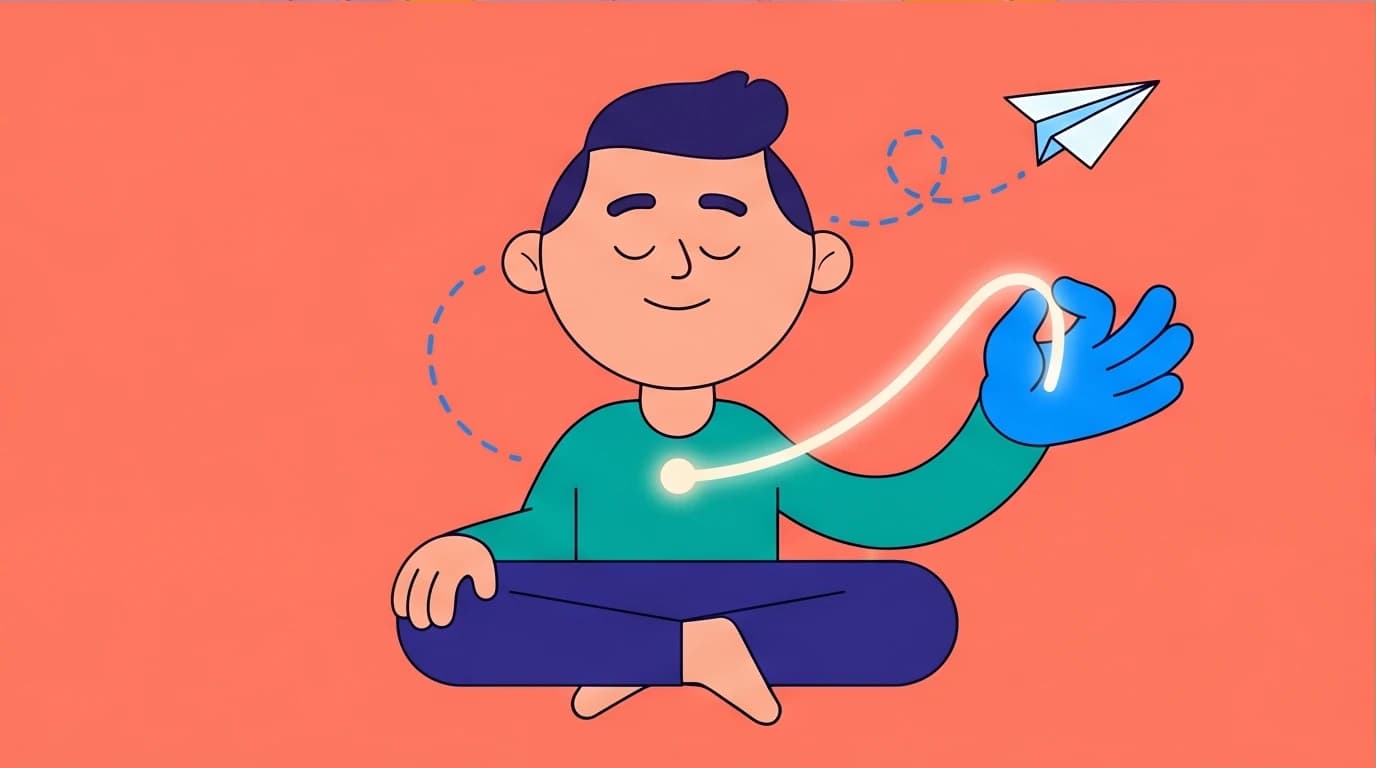
Feeling fidgety, easily distracted, or convinced that you are somehow "failing" at this process is a nearly universal American experience. If you find yourself struggling to sit still or fighting off a wave of skepticism, you are in excellent company. There is a deeply relatable and humorous guide designed specifically for those of us who think we are too busy, too easily distracted, or too cynical to actually sit down and anchor our breath.

Meditation for Fidgety Skeptics
Dan Harris, Jeff Warren, Carlye Adler
36 Duration9 Key Points4.6 RateSimple Mindfulness Exercises for Your Daily Routine
You do not always have to sit with your eyes closed to be mindful. One of the best ways to figure out how to practice mindfulness consistently is to tie it to activities you already do every day. Here are highly effective, simple mindfulness exercises you can integrate into a busy American lifestyle.
The Morning Coffee Check-In
Instead of scrolling through your phone the second you pour your morning coffee, use the first two minutes of your cup as a mindfulness exercise.
- Feel: Notice the weight and warmth of the mug in your hands.
- Smell: Take a second to actually inhale the aroma of the coffee before taking a sip.
- Taste: Focus entirely on the flavor and temperature of the first sip.
When your mind inevitably jumps to your to-do list, bring your attention back to the physical sensation of the cup.
The Commute Transition
Whether you drive twenty miles down the highway or take the subway to work, commuting is usually a time of high stress or mindless distraction. Try turning off the radio, pausing your Audible audiobook, or taking out your earbuds for just five minutes of the trip. Notice the feeling of the steering wheel against your palms. Notice the colors of the cars around you. Listen to the hum of the engine or the sound of the train on the tracks. Use this time to ground yourself before walking into the office or stepping back into your home.
The 5-4-3-2-1 Grounding Technique
When you feel sudden panic or intense overwhelm, your brain is usually spinning fast into the future. You can force your brain back into the present using your five senses. Pause wherever you are and name:
- Five things you can see around you (a blue pen, a coffee cup, a tree outside).
- Four things you can physically feel (your feet in your shoes, the fabric of your shirt, the back of the chair).
- Three things you can hear (the air conditioner, traffic outside, typing).
- Two things you can smell (lunch in the breakroom, your perfume).
- One thing you can taste (the lingering mint from your toothpaste).
This exercise acts like a circuit breaker for anxiety.
This grounding technique is a powerful tool because it immediately reconnects you with your physical surroundings, interrupting the cycle of anxious thoughts. For a deeper look at managing stress, explore our guide on mindfulness for anxiety.
Mindful Waiting
We spend a lot of time waiting—in line at the grocery store, at the doctor's office, or sitting at red lights. Our default reaction is to pull out our phones. Next time you are stuck waiting, leave your phone in your pocket. Stand with your weight evenly distributed on both feet. Take three deep breaths. Notice your surroundings. You will be surprised by how refreshing a two-minute mental break can be.
Finding pockets of calm while sitting in traffic on the interstate or waiting in line at the grocery store doesn't have to be a chore—it can actually become the highlight of your day. For decades, experts have taught that true inner peace isn't found by escaping our daily responsibilities, but by fully leaning into them. If you want to learn more about transforming mundane moments like washing the dishes or walking to the subway into profound experiences of clarity, there is a beautifully written classic that shows you exactly how.

Peace is Every Step
Thich Nhat Hanh
37 Duration8 Key Points4.6 RateHow to Overcome Common Beginner Mistakes
If you are learning how to practice mindfulness, you are going to encounter friction. Knowing the common traps ahead of time will prevent you from giving up.
Trap 1: Expecting a Blank Mind
The biggest myth about mindfulness is that it requires you to stop thinking. Trying to stop thinking is like trying to stop your heart from beating. It is impossible. Mindfulness is about changing your relationship with your thoughts. You observe them passing by like cars on a street, rather than jumping into the street to chase after them.
The biggest myth about mindfulness is that it requires you to stop thinking. Trying to stop thinking is like trying to stop your heart from beating. It is impossible. Mindfulness is about changing your relationship with your thoughts. You observe them passing by like cars on a street, rather than jumping into the street to chase after them.

Trap 2: Judging Your Practice
You will have days where your mind is incredibly loud. You will sit down for five minutes and feel agitated the entire time. Do not evaluate your sessions as "good" or "bad." If you sat down and noticed how distracted you were, the session was a success. The act of noticing is the victory.
You will have days where your mind is incredibly loud. You will sit down for five minutes and feel agitated the entire time. Do not evaluate your sessions as "good" or "bad." If you sat down and noticed how distracted you were, the session was a success. The act of noticing is the victory.
Trap 3: Waiting for the Perfect Environment
You do not need a silent room with the thermostat set to exactly 70 degrees Fahrenheit. Life is loud and messy. Learning to practice mindfulness amid the chaos—while the dog is barking in the backyard or the kids are watching TV—is incredibly practical. It teaches your brain to find calm internally, regardless of external circumstances.
You do not need a silent room with the thermostat set to exactly 70 degrees Fahrenheit. Life is loud and messy. Learning to practice mindfulness amid the chaos—while the dog is barking in the backyard or the kids are watching TV—is incredibly practical. It teaches your brain to find calm internally, regardless of external circumstances.
Trap 4: Inconsistency
Practicing mindfulness for twenty minutes once a week is far less effective than practicing for three minutes every single day. Consistency builds the neural pathways in your brain that regulate emotion and focus. Treat it like brushing your teeth. Keep it short, but do it daily.
Practicing mindfulness for twenty minutes once a week is far less effective than practicing for three minutes every single day. Consistency builds the neural pathways in your brain that regulate emotion and focus. Treat it like brushing your teeth. Keep it short, but do it daily.
Making this a daily habit is the most important step you can take. To help you stay on track, it's useful to have a variety of simple exercises you can turn to.
While these moments are perfect for quiet observation, you can also use that spare time to learn. If you want a way to absorb the ideas from mindfulness books during your commute or while waiting in line, there's a great tool designed for exactly these situations.


Use your commute or waiting time to listen to key insights from bestselling mindfulness books, turning idle moments into productive learning.
 LeapAhead
Making Mindfulness a Permanent Habit
To make this stick, rely on a psychological concept called "habit stacking." Instead of trying to find new time in your day for mindfulness, attach it to an existing habit.
If you always brush your teeth at 7:00 AM, practice mindful breathing for the two minutes you are brushing. Feel the bristles against your teeth and taste the toothpaste. If you always take a shower at night, make it a mindful shower. Focus entirely on the temperature of the water and the smell of the soap.
By anchoring this new skill to routines that already happen on autopilot, you bypass the friction of scheduling.
Mastering the art of "habit stacking" is the true secret to making any new routine stick, especially when you are trying to squeeze mindfulness into a jam-packed schedule. Understanding the psychology behind how our brains build and maintain behaviors can completely change your approach to personal growth. If you want a deep dive into the science of small changes and learn foolproof strategies for making your new meditation habit practically automatic, this next recommendation is an absolute game-changer.

Atomic Habits
James Clear
26 Duration8 Key Points4.7 RateThis article has mentioned several powerful books to deepen your understanding of mindfulness. But if your to-read list feels overwhelming, you can still get the core wisdom without spending weeks reading.
Absorb key lessons from books like 'Atomic Habits' and other mindfulness classics in just 15 minutes, helping you apply their wisdom right away.
LeapAheadFAQ
How long do I need to practice mindfulness to see results?
You do not need to practice for hours. Research shows that just 10 to 15 minutes of daily practice can lead to measurable changes in stress reduction and focus within four to eight weeks. However, many beginners report feeling an immediate, temporary sense of calm after just one five-minute session. Consistency matters far more than duration.
What if I cannot stop thinking while practicing?
You are not supposed to stop thinking. Having thoughts during mindfulness practice is completely normal and expected. The goal is simply to recognize that you are thinking, instead of getting lost in the thought. Once you realize you are thinking, gently pivot your attention back to your anchor, like your breath.
Is mindfulness the same as meditation?
Not exactly. Mindfulness is an active state of paying attention to the present moment, which you can do anytime, anywhere—while washing dishes, walking, or eating. Meditation is the formal, dedicated practice where you sit down specifically to train your brain in mindfulness. Think of meditation as going to the gym, and mindfulness as using that physical strength in your everyday life.
What is the best time of day to practice?
The best time is the time you will actually commit to. Many people prefer the morning because it sets a focused tone for the day before emails and demands start pouring in. Others prefer the evening to help decompress from work and prepare for sleep. Pick a time that easily fits your current schedule and stick with it for a week to see how it feels.