

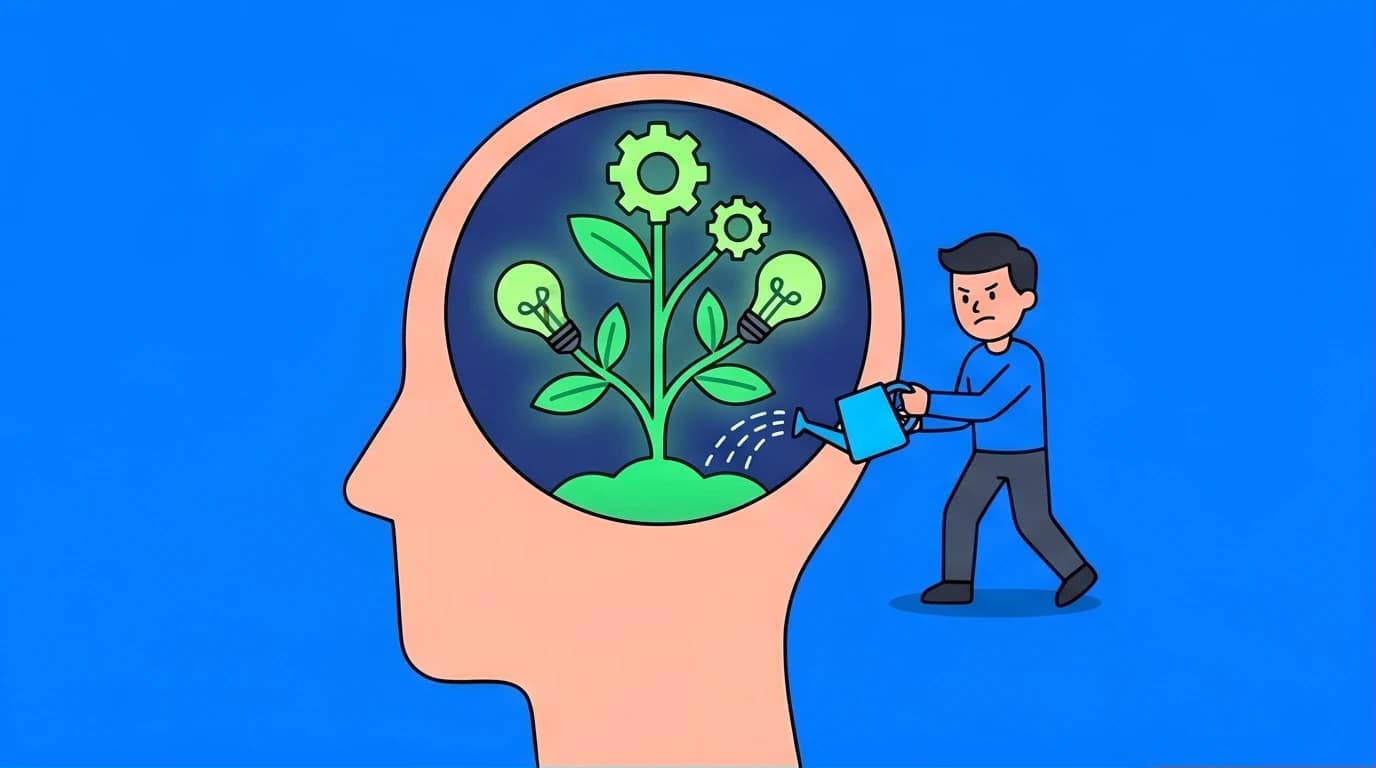
"I'm just not a math person." "I quit, this is too hard."
If you are a parent or a K-12 teacher, you have heard these phrases right before a complete meltdown. Watching a child shut down over a difficult homework assignment or after striking out in Little League is exhausting. You want to build their confidence, but you likely feel stuck. The standard "you are so smart" praise actually backfires, making kids terrified of making mistakes. Fixing this requires a complete shift in how you talk to them about success and failure.
The Hidden Trap of "You're So Smart"
For decades, parents and educators believed that building self-esteem meant telling kids how smart, talented, and gifted they were. But modern psychology reveals a different reality.
When you tell a child, "You got an A! You are so smart," you send a dangerous hidden message. You are telling them that their success is tied to an innate trait. If success means they are smart, what does failure mean? To a child, struggling with a new concept suddenly means they are dumb.
This creates a fixed mindset. Children with a fixed mindset believe their intelligence and skills are set in stone. They avoid challenges because failing would destroy their "smart" label. They give up easily. They might even cheat to maintain the appearance of perfection.
The alternative is a growth mindset. A child with a growth mindset understands that the brain is like a muscle. It gets stronger with exercise. They realize that making mistakes is simply part of the learning process. The absolute best way to build this resilience is by praising effort not intelligence.
Before you can effectively teach these concepts, it's helpful to have a crystal-clear understanding of the core differences between these two ways of thinking. Exploring the nuances can help you spot these mindsets in action, both in your child and yourself.
If you want to dive deeper into why some kids thrive under pressure while others fold, understanding the science of perseverance is a game-changer. While a growth mindset sets the foundation, pairing it with passion and long-term stamina is what truly builds resilient learners. For parents and educators looking to nurture that unshakeable "stick-to-it" attitude, exploring the psychology behind sustained effort can give you incredibly practical tools to use at home or in the classroom.
Grit
Angela Duckworth
 18 Duration
 8 Key Points
 4.6 Rate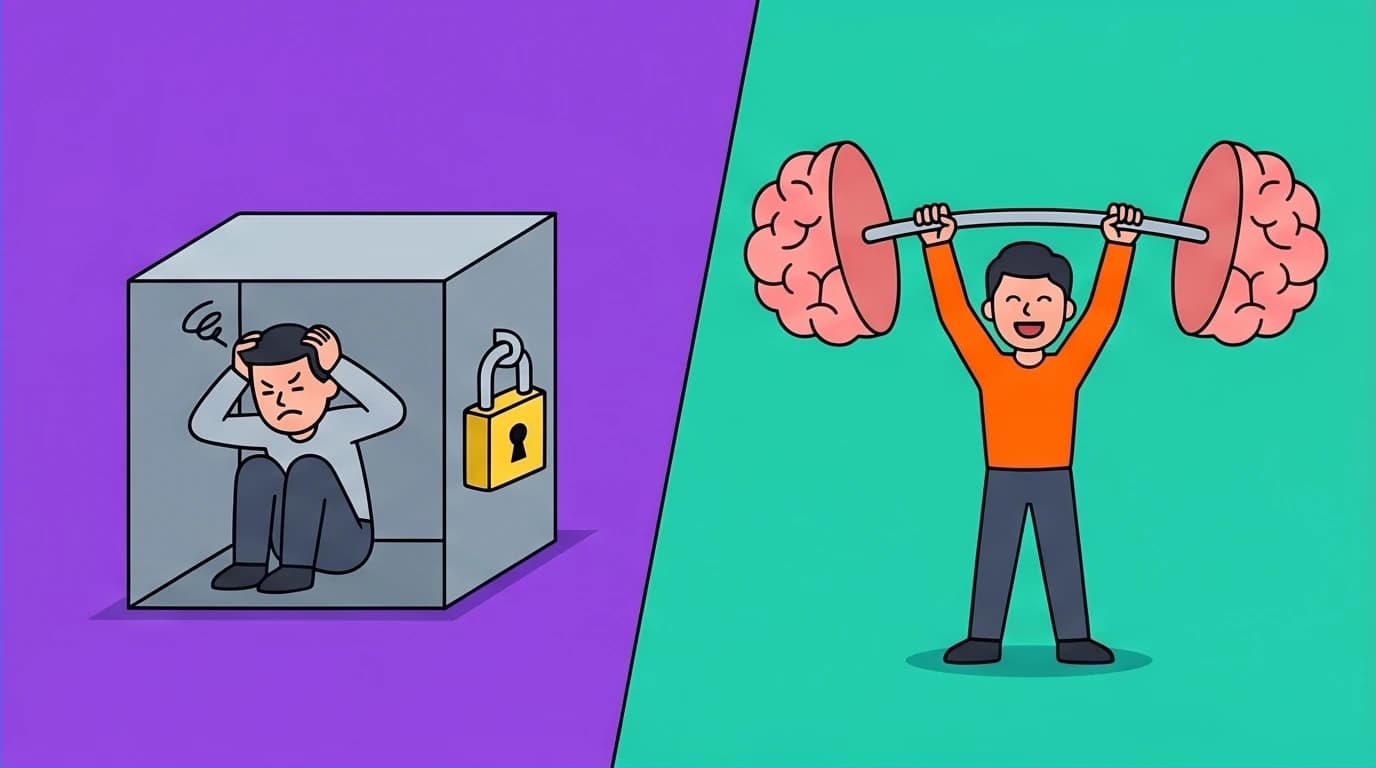
How to Teach Growth Mindset in Daily Life
You cannot hand a child a worksheet and expect them to develop a growth mindset. It is an ongoing practice. Learning how to teach growth mindset requires you to change the culture of your home or classroom.
1. Normalize the Struggle
Kids need to know that learning is supposed to feel hard. When a child complains that a 4th-grade fractions assignment is too difficult, agree with them.
Say, "You are right. This is really hard. Your brain is working in a brand new way right now, and that feeling of frustration is exactly what your brain growing feels like." Normalize the idea that smooth, easy sailing means they are not learning anything new.
2. Model Your Own Mistakes
Kids watch what you do much more closely than they listen to what you say. If you burn dinner and scream, "I am the worst cook in the world, I can never get this right!" you are modeling a fixed mindset.
Instead, narrate your own problem-solving out loud. "I completely burned this chicken. I didn't organize my cooking time well. Next time, I will set a timer on my phone so I don't get distracted. Let's order pizza." You just showed them how to accept a failure, analyze the mistake, and plan a better strategy for next time.
3. Add "Yet" to Their Vocabulary
This is the simplest and most effective tool in your toolkit. When a student throws their pencil down and says, "I can't do this," you gently hand the pencil back and add one word: "Yet."
"You can't do this yet."
That single word changes the entire trajectory of their thought process. It moves them out of a dead-end and onto a learning curve.
While these tips are specifically for communicating with children, remember that you can't pour from an empty cup. Modeling a growth mindset is most effective when you are actively cultivating one for yourself.
Tweaking your vocabulary with words like "yet" is just the beginning of establishing a healthier dialogue with your kids. If you are struggling to get your children to open up when they are frustrated, or if your attempts at coaching often turn into power struggles, rethinking your overall communication style can make a huge difference. Learning proven methods for acknowledging their big feelings without rescuing them will help you navigate those tricky homework meltdowns with a lot more confidence and a lot less yelling.
How to Talk So Kids Will Listen & Listen So Kids Will Talk
Adele Faber, Elaine Mazlish
37 Duration7 Key Points4.6 Rate
Growth Mindset Phrases for Students (Your Cheat Sheet)
The hardest part of this transition is breaking your own habits. You need specific growth mindset phrases for students ready to go when situations arise. Here is exactly what to say instead of the common fixed mindset defaults.
When They Succeed Easily
If a child breezes through a test or a sports drill without breaking a sweat, praising their genius teaches them to rely on natural talent.
- Stop saying: "Wow, you got a 100% without even studying! You are a natural."
- Say this: "You finished that really quickly. It looks like that was too easy for you. Let's find something a bit more challenging so your brain can actually get a workout."
When They Put in the Work and Succeed
This is your golden opportunity to reinforce the process.
- Stop saying: "See? I told you that you were smart enough to pass!"
- Say this: "I noticed how many hours you spent reviewing those flashcards. You tried three different ways to memorize those vocabulary words, and your hard work absolutely paid off. You should be proud of your dedication."
When They Struggle and Want to Quit
When a child hits a wall, they need scaffolding, not empty cheers.
- Stop saying: "Don't cry, it's okay. You're great at other things, like reading!" (This reinforces that they should only do things they are already good at).
- Say this: "I can see how frustrated you are. You have been trying the same method for ten minutes. Let's take a quick walk, grab a glass of water, and then come back to look for a completely new strategy."
When They Fail After Trying Hard
This is the toughest parenting and teaching moment. You want to protect their feelings, but you must protect their process instead.
- Stop saying: "You did your best, and that's all that matters." (If their best resulted in a failure, this feels like a dead end).
- Say this: "I know you are disappointed because you studied hard for this test. Let's look at the questions you missed. We can figure out where the confusion happened and make a better plan for the next test."
Avoiding the "Fake Growth Mindset" Trap
As the concept of a growth mindset became popular in American schools, a dangerous mutation occurred: the "fake growth mindset."
Many adults think a growth mindset just means telling kids to "try harder." But if a child is using the wrong mathematical formula, staring at the paper for five hours and "trying harder" will not produce the correct answer. It will only produce misery.
Praising effort is only half the battle. You must praise effective effort and strategy. If a child fails, do not just applaud them for trying. Help them evaluate why their strategy failed. Ask questions like:
- "What part of this project did you find confusing?"
- "Where do you think your plan broke down?"
- "Who can we ask for help to understand this better?"
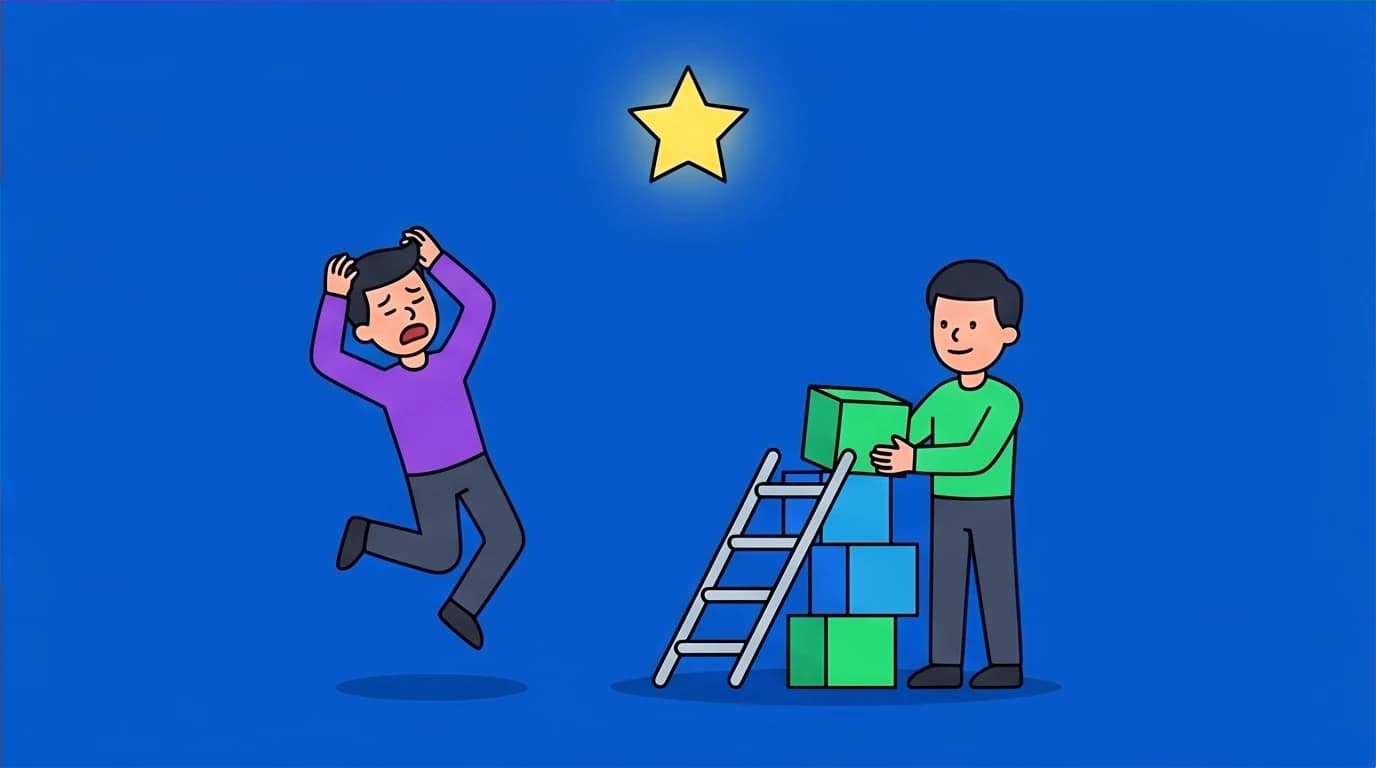
A true growth mindset pairs hard work with flexible thinking. It is about organizing a new attack plan when the first one fails.
Fostering a genuine growth mindset means eventually stepping back so your kids can take the wheel. When we constantly swoop in to organize their study plans or fix their mistakes, we accidentally rob them of their autonomy. If you want to raise a child who is internally motivated and capable of handling their own stress, it helps to learn how to shift from acting as their manager to acting as their consultant. It is one of the most empowering pivots you can make for your child's development.

The Self-Driven Child
William Stixrud, Ph.D., Ned Johnson
43 Duration9 Key Points4.3 RateApplying Mindset Book Parenting Principles
Much of this framework comes directly from Dr. Carol Dweck's groundbreaking research. If you want to deeply understand the psychology behind these strategies, leaning into Mindset book parenting principles is a fantastic next step.
Dweck's book, Mindset: The New Psychology of Success, is a mandatory read for anyone serious about childhood development. You can easily find it on Amazon, pick up a physical copy at Barnes & Noble to highlight key passages, or listen to the audiobook on Audible or Apple Books during your morning commute.
The core takeaway from her research is that your words shape your child's reality. When you consistently praise the process, you hand them the keys to their own potential. They stop seeing you as a judge grading their natural worth, and start seeing you as an ally in their ongoing development.
Building resilience takes time. You will slip up. You will accidentally tell your kid they are a genius when they paint a pretty picture. When you do, give yourself grace. Remember that you are developing your own growth mindset right alongside them. Acknowledge the slip, correct your phrasing, and keep practicing.
Since this entire framework is built upon Dr. Carol Dweck's decades of research, reading her original work is the best way to fully internalize these concepts. Her insights go far beyond the classroom, offering profound advice on how our subconscious beliefs influence everything from our kids' sports performance to their future careers. It is an absolute must-read if you are ready to completely overhaul the way your family approaches challenges, celebrates success, and builds lifelong resilience together.

Mindset
Carol S. Dweck
51 Duration8 Key Points4.6 RateFinding the time to read all these essential parenting books can feel like a challenge for any busy parent or teacher. If you want to absorb the core ideas from titles like Mindset and Grit but struggle to find a quiet moment, a summary app can be a great way to start.

Absorb key insights from bestselling parenting and psychology books in 15-minute audio or text summaries, perfect for your commute or workout.

Download LeapAhead App now
FAQ
Is it ever okay to call my child smart?
Yes, but it should not be the primary way you praise them. If you do call them smart, immediately tie it back to their effort. For example: "That was a really smart strategy you used to solve that puzzle. I love how you took your time to sort the edge pieces first."
Yes, but it should not be the primary way you praise them. If you do call them smart, immediately tie it back to their effort. For example: "That was a really smart strategy you used to solve that puzzle. I love how you took your time to sort the edge pieces first."
What if my child tries incredibly hard, uses different strategies, and still fails?
Acknowledge their pain without rushing to rescue them. Say, "It is so frustrating to work that hard and not get the result you wanted." Then, normalize it. Remind them that sometimes mastery takes months or years, not days. Focus on the micro-progress: "You didn't win the race, but you shaved two seconds off your personal best. Your speed is growing."
Acknowledge their pain without rushing to rescue them. Say, "It is so frustrating to work that hard and not get the result you wanted." Then, normalize it. Remind them that sometimes mastery takes months or years, not days. Focus on the micro-progress: "You didn't win the race, but you shaved two seconds off your personal best. Your speed is growing."
My teenager is already stuck in a fixed mindset. Is it too late to change?
It is never too late. The teenage brain is highly adaptable. Start by being transparent with them. You can actually explain the science of neuroplasticity. Teenagers respond well to facts. Show them how the brain physically changes when it learns something hard. Then, change your own language. Stop asking about their grades and start asking about their learning process.
It is never too late. The teenage brain is highly adaptable. Start by being transparent with them. You can actually explain the science of neuroplasticity. Teenagers respond well to facts. Show them how the brain physically changes when it learns something hard. Then, change your own language. Stop asking about their grades and start asking about their learning process.
How early can I start teaching a growth mindset?
You can start as soon as they can understand language. For toddlers building blocks, instead of saying "Good job, you're so smart!" when they stack three blocks, say, "Look at how carefully you balanced that block! You tried again when it fell down." Setting the foundation early makes the K-12 years significantly easier.
You can start as soon as they can understand language. For toddlers building blocks, instead of saying "Good job, you're so smart!" when they stack three blocks, say, "Look at how carefully you balanced that block! You tried again when it fell down." Setting the foundation early makes the K-12 years significantly easier.