

You hit another wall. Maybe you stalled out on a major career goal, abandoned a complex project when it got frustrating, or caught yourself thinking, "I just do not have the natural talent for this." That heavy feeling of being permanently stuck is not a reflection of your actual limits. It is just your fixed mindset running the show, tricking you into surrendering before you figure out the right strategy.

If you are feeling paralyzed by your current plateau, you do not need a pep talk. You need a mechanical shift in how your brain processes struggle.
The Foundation: How to Change Your Mindset
Before you can fix the problem, you have to understand the mechanics of the engine you are trying to rebuild.
A fixed mindset operates on the assumption that your intelligence, character, and creative abilities are static givens. You either have it or you do not. When you operate from this baseline, every failure is a terrifying judgment on your personal worth.
A growth mindset, on the other hand, operates on neuroplasticity—the scientifically proven reality that your brain can reorganize itself and build new neural pathways throughout your entire life. In this state, failure is stripped of its emotional weight. It simply becomes feedback.
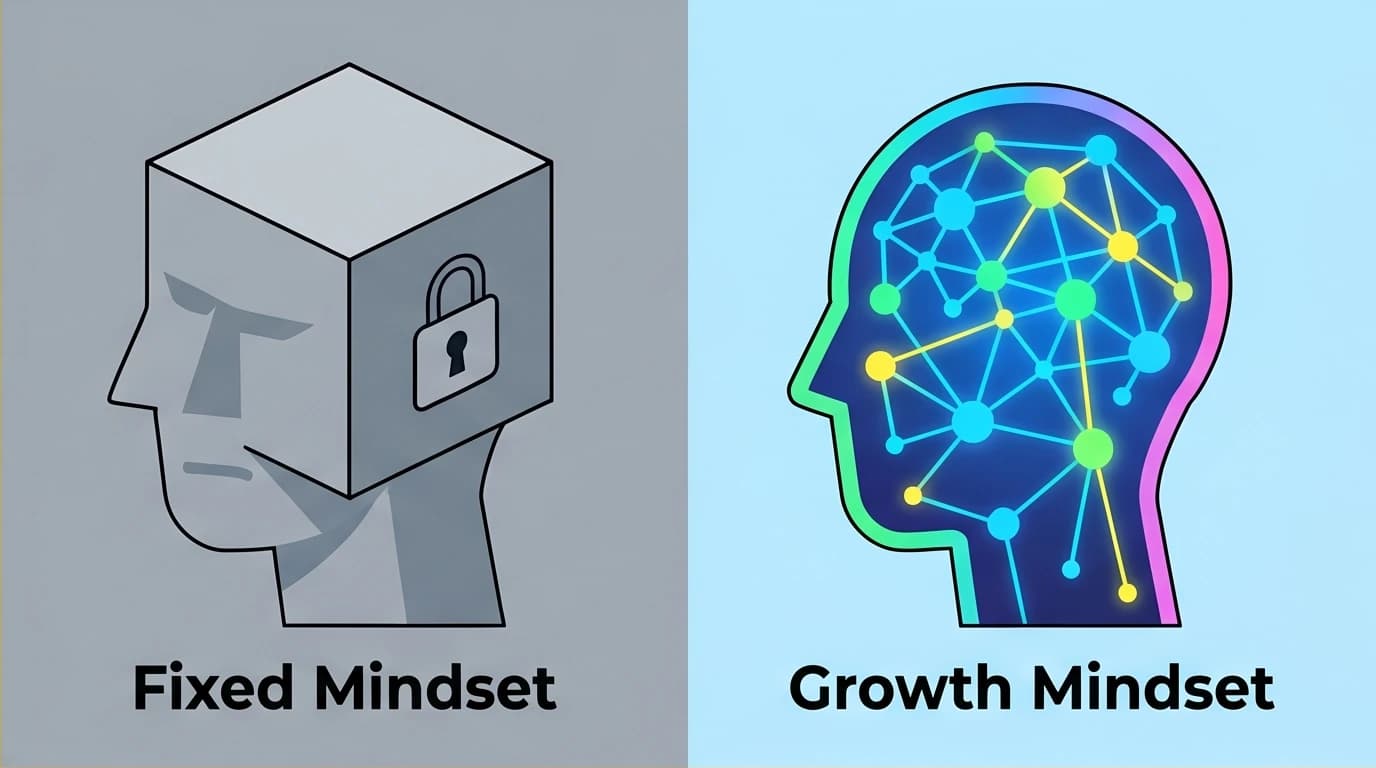
If you want to know how to change your mindset permanently, you must stop treating "growth" as a vague motivational concept and start treating it as a daily operational habit. You have to catch yourself in the exact moment your brain tries to protect your ego, and deliberately choose the harder, uglier path of learning.
Understanding the subtle but powerful ways these two mindsets manifest in our thoughts and actions is the first step toward real change.
If you want to dive deeper into the science behind this psychological framework, it helps to read the foundational work that started the conversation. Understanding the nuances between these two states of mind can completely reshape how you view your own potential and intelligence. For a comprehensive look at why we get stuck and how to reprogram our brains for long-term success, this groundbreaking book is an absolute must-read.
For a quick overview of its main arguments and key takeaways, a summary can be an excellent place to start.

Mindset
Carol S. Dweck
 51 Duration
 8 Key Points
 4.6 Rate
The 4-Step Pivot: Change From Fixed to Growth Mindset
Making the change from fixed to growth mindset does not happen overnight. It is a calculated process of catching your old mental habits and forcing them through a new filter.
1. Identify Your Fixed Mindset Triggers
Your fixed mindset has a recognizable voice. It shows up when you face a massive challenge, receive sharp criticism, or see a peer succeed where you failed. Pay attention to the physical cues. Does your stomach drop? Do you immediately get defensive? Recognize that this is not "the truth"—it is just a triggered defense mechanism.
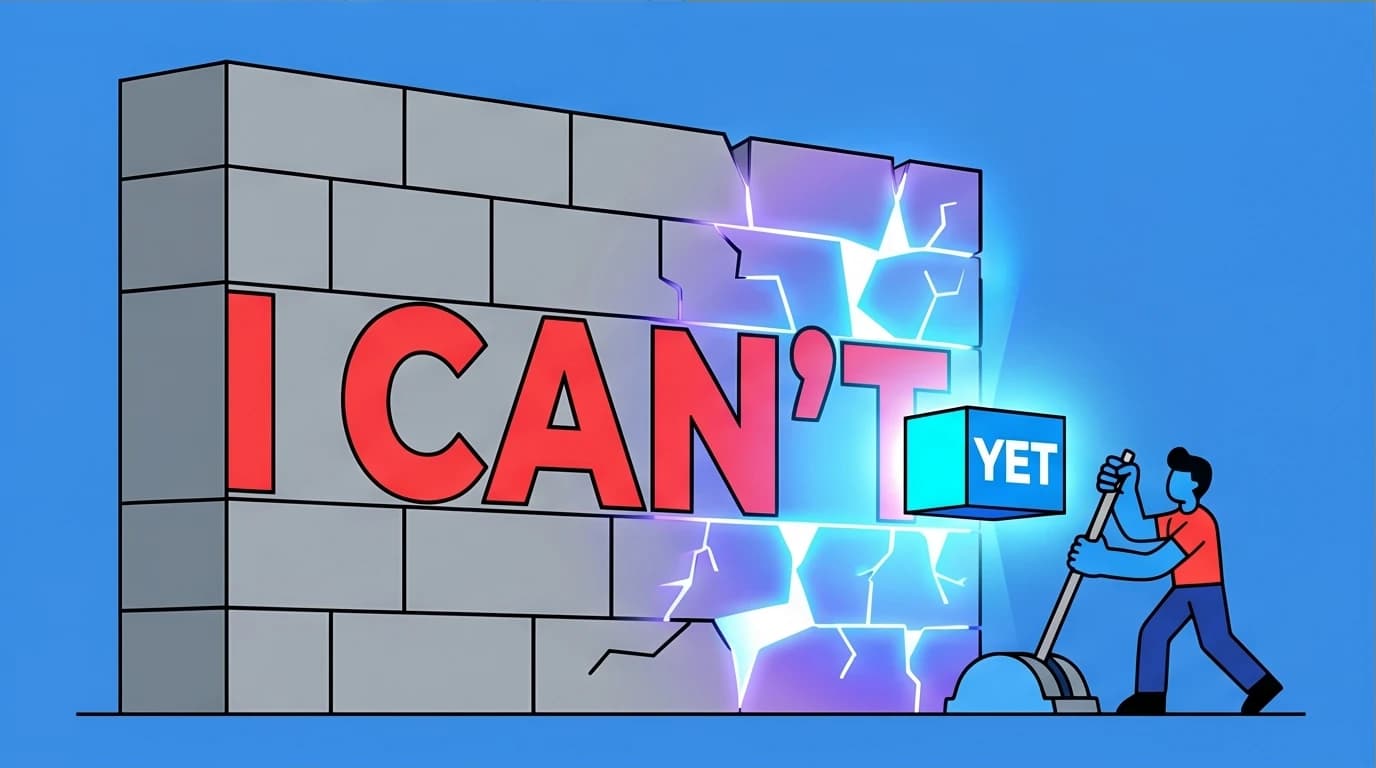
2. Isolate the "I Can't" Narrative
When you hear the voice say, "I am terrible at public speaking," or "I am just not a numbers person," stop right there. Acknowledge that the fixed mindset has entered the room. Do not suppress it; simply observe it.
3. Deploy the "Yet" Protocol
This is the fastest semantic shift you can make. Take your absolute limitation and tack the word "yet" onto the end of it.
- "I cannot write this code... yet."
- "I do not know how to organize this project... yet."
This single word forces your brain to realize that the current state is temporary.
4. Choose the Growth Action
Once you reframe the thought, immediately take an action that aligns with growth. If you do not understand the software, do not close your laptop. Open Google, search for a tutorial, and commit to watching just five minutes of it. The action proves the new mindset to your brain.
Practical Growth Mindset Activities for Adults
Most literature on mindset focuses on elementary school classrooms. But adults face higher stakes. Missing a Q3 sales target or failing to pivot careers requires a different level of tactical response. Here are high-impact growth mindset activities for adults that directly target professional and personal stagnation.
While this guide focuses on adults, understanding how these principles are taught to younger generations can offer surprisingly simple and powerful frameworks.
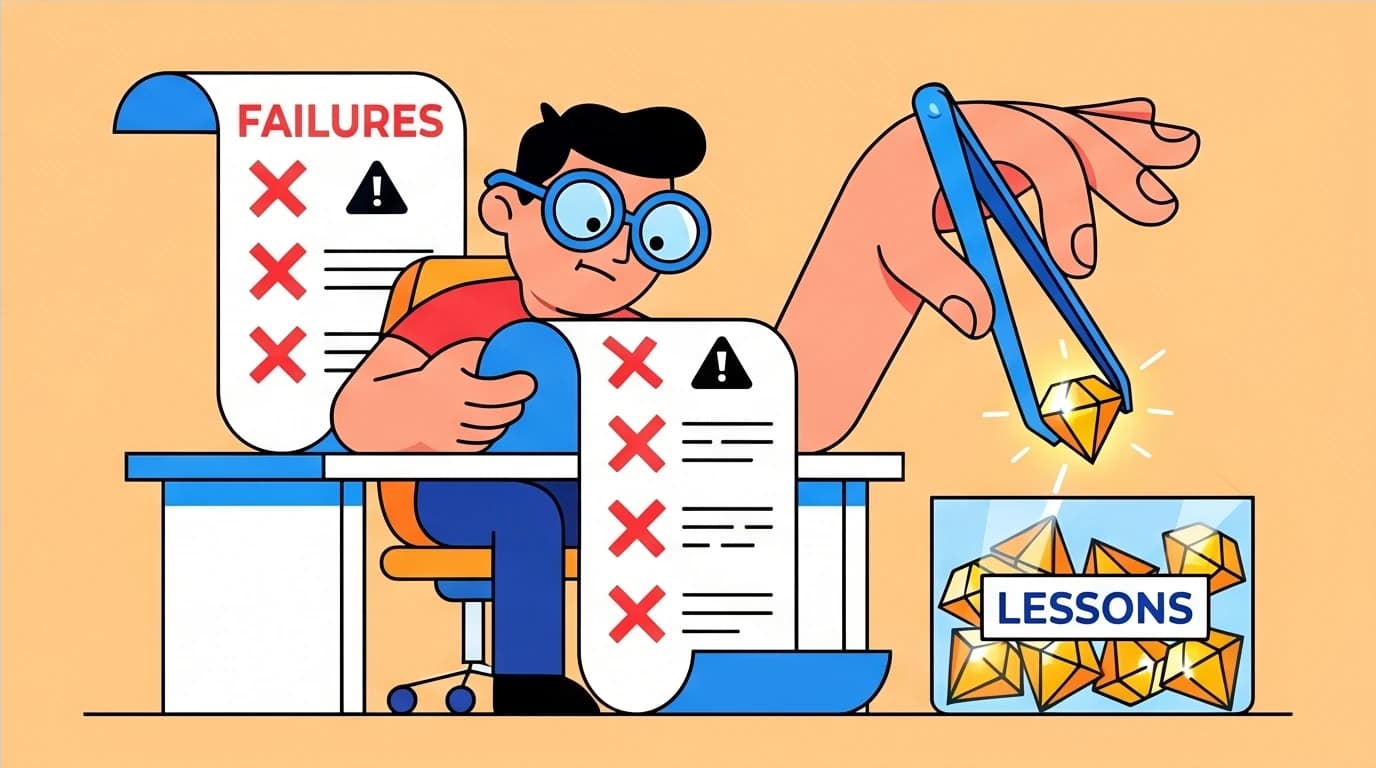
The Failure Resume
We usually hide our failures. You are going to document them. Open a blank document or grab a fresh notebook (whether you ordered it from Amazon or picked it up at Barnes & Noble) and list your top three professional or personal failures from the last two years.
For each failure, write down two columns:
- The Mistake: What specifically went wrong? (e.g., "I misjudged the project timeline by weeks.")
- The Data Extracted: What exact skill or rule did you learn? (e.g., "I must build a 20% buffer into all future estimates and communicate delays early.")
By forcing yourself to extract data from the wreckage, you train your brain to see value in the missteps.
Shifting your perspective to view mistakes as valuable data points rather than personal shortcomings is a game-changer. In fact, some of the most successful industries in the world, like commercial aviation, operate entirely on this principle of learning from every single error. If you are intrigued by how top-tier professionals and organizations use failure to drive massive innovation, this insightful read will completely change how you handle your next major setback.

Black Box Thinking
Matthew Syed
23 Duration8 Key Points4.8 RateThe 15-Minute Skill Stretch
Pick a skill you actively avoid because you feel you lack "natural talent." It could be video editing, public speaking, or learning a new language. Commit to practicing it for exactly 15 minutes a day for two weeks.
The goal here is not mastery. The goal is to endure the discomfort of being incredibly bad at something without quitting. Whether it feels like a breeze or like running a marathon for a hundred miles, sit there and do the work. You are building tolerance for the initial friction of learning.
Pushing through that initial friction when you lack natural talent requires a special kind of perseverance. It is easy to give up when things get hard, but developing the stamina to stick with difficult tasks is exactly what separates high achievers from the rest of the pack. To learn more about why passion and sustained persistence matter far more than raw, innate ability, consider picking up this compelling exploration of human endurance.

Grit
Angela Duckworth
18 Duration8 Key Points4.6 RateThe Environment Audit
Your mindset is heavily influenced by what you consume. If you spend your time around cynical people who constantly complain about their lack of luck, your growth mindset will wither. Audit your inputs. Swap out doomscrolling for an audiobook on Audible or an insightful podcast. Surround yourself with voices that normalize struggle, failure, and eventual triumph.
If finding time for a full audiobook feels daunting, you can start by turning small pockets of your day—like your commute or a coffee break—into learning opportunities.


LeapAhead

This app helps you absorb the core ideas from bestselling growth books in just 15 minutes, making it easy to replace doomscrolling with powerful new perspectives.
Daily Growth Mindset Exercises to Rewire Your Brain
To make the shift permanent, you need reps. Integrate these growth mindset exercises into your daily routine to keep your neural pathways firing in the right direction.
The Morning Intent
Before you check your email or start your commute, ask yourself one question: "What is one opportunity for learning and growth today?"
It might be a difficult conversation with a client or tackling a complex spreadsheet. Frame it as a puzzle to be solved rather than a threat to be survived.
It might be a difficult conversation with a client or tackling a complex spreadsheet. Frame it as a puzzle to be solved rather than a threat to be survived.
The Evening Reflection
At the end of the day, skip the standard "What went well?" and ask yourself these three specific questions:
- What did I struggle with today?
- Did I give up, or did I try a different strategy?
- What new approach can I try tomorrow?
The Feedback Filter
Whenever you receive criticism—from a boss, a partner, or a peer—your immediate instinct might be to defend your ego. Practice the "24-Hour Rule." Say, "Thank you for the feedback, let me process this and get back to you." Use that time to strip away the emotional sting and find the tactical advice buried inside. Look for the true color of the feedback: is it an opportunity to sharpen your skills? Usually, it is.
Transforming your mindset is not about grand, sweeping declarations; it is about the tiny, consistent actions you take every single day. When you string enough of these small daily exercises together, they compound into massive psychological shifts. If you are looking for a highly practical system to help you build these new routines and effortlessly break the bad mental habits holding you back, this practical guide is one of the most effective resources available.

Atomic Habits
James Clear
26 Duration8 Key Points4.7 RatePutting the ideas from books like Atomic Habits and Mindset into practice is the fastest way to see a change, but it's hard to find the time to read them all.
LeapAhead
Use this app to get the key insights from these essential growth mindset books in 15-minute summaries, helping you learn and apply their lessons faster.
The Trap: Beware of the "Fake Growth Mindset"
As you do this work, watch out for the fake growth mindset. This happens when you mistake blind positivity for actual growth.
Praising yourself just for "trying hard" is a trap. Effort is required, but effort without results is just spinning your wheels. A true growth mindset ties effort to learning. If you try hard and fail, a fake growth mindset says, "Well, at least I gave it my all!" A genuine growth mindset says, "That strategy failed completely. What measurable changes will I make before I try again?"
Demand progress from yourself. Change your tactics, seek out mentors, read new books, and relentlessly test new approaches until you break through the plateau.
FAQ
Can you actually change your mindset as an older adult?
Yes. The concept of neuroplasticity proves that the human brain can reorganize neural pathways and build new connections well into old age. While childhood programming runs deep, deliberate daily practice and new habits can completely overwrite a fixed mindset, regardless of your current age.
Yes. The concept of neuroplasticity proves that the human brain can reorganize neural pathways and build new connections well into old age. While childhood programming runs deep, deliberate daily practice and new habits can completely overwrite a fixed mindset, regardless of your current age.
How long does it take to develop a growth mindset?
It is not a switch you flip; it is a lifelong practice. You might start noticing a shift in your reaction to failure within 3 to 4 weeks of consistent mindset exercises. However, in high-stress situations, your fixed mindset will often try to resurface. The goal is not perfection, but rather decreasing the time it takes you to recover and pivot to a growth perspective.
It is not a switch you flip; it is a lifelong practice. You might start noticing a shift in your reaction to failure within 3 to 4 weeks of consistent mindset exercises. However, in high-stress situations, your fixed mindset will often try to resurface. The goal is not perfection, but rather decreasing the time it takes you to recover and pivot to a growth perspective.
What if my workplace or boss has a highly fixed mindset?
You cannot control a toxic environment, but you can control your internal processing. When dealing with a fixed-mindset boss who punishes mistakes harshly, focus entirely on your locus of control. Privately do your Failure Resumes. Extract the lessons for your own career growth, and recognize that their rigid reactions are a reflection of their limitations, not your potential.
You cannot control a toxic environment, but you can control your internal processing. When dealing with a fixed-mindset boss who punishes mistakes harshly, focus entirely on your locus of control. Privately do your Failure Resumes. Extract the lessons for your own career growth, and recognize that their rigid reactions are a reflection of their limitations, not your potential.
How do I know if I am making progress?
The clearest indicator is your reaction to being wrong. If you catch yourself admitting a mistake quickly, asking "how can I fix this" instead of hiding it, and feeling energized by a challenge rather than immediately defeated by the temperature of the room, your growth mindset is actively taking root.
The clearest indicator is your reaction to being wrong. If you catch yourself admitting a mistake quickly, asking "how can I fix this" instead of hiding it, and feeling energized by a challenge rather than immediately defeated by the temperature of the room, your growth mindset is actively taking root.