

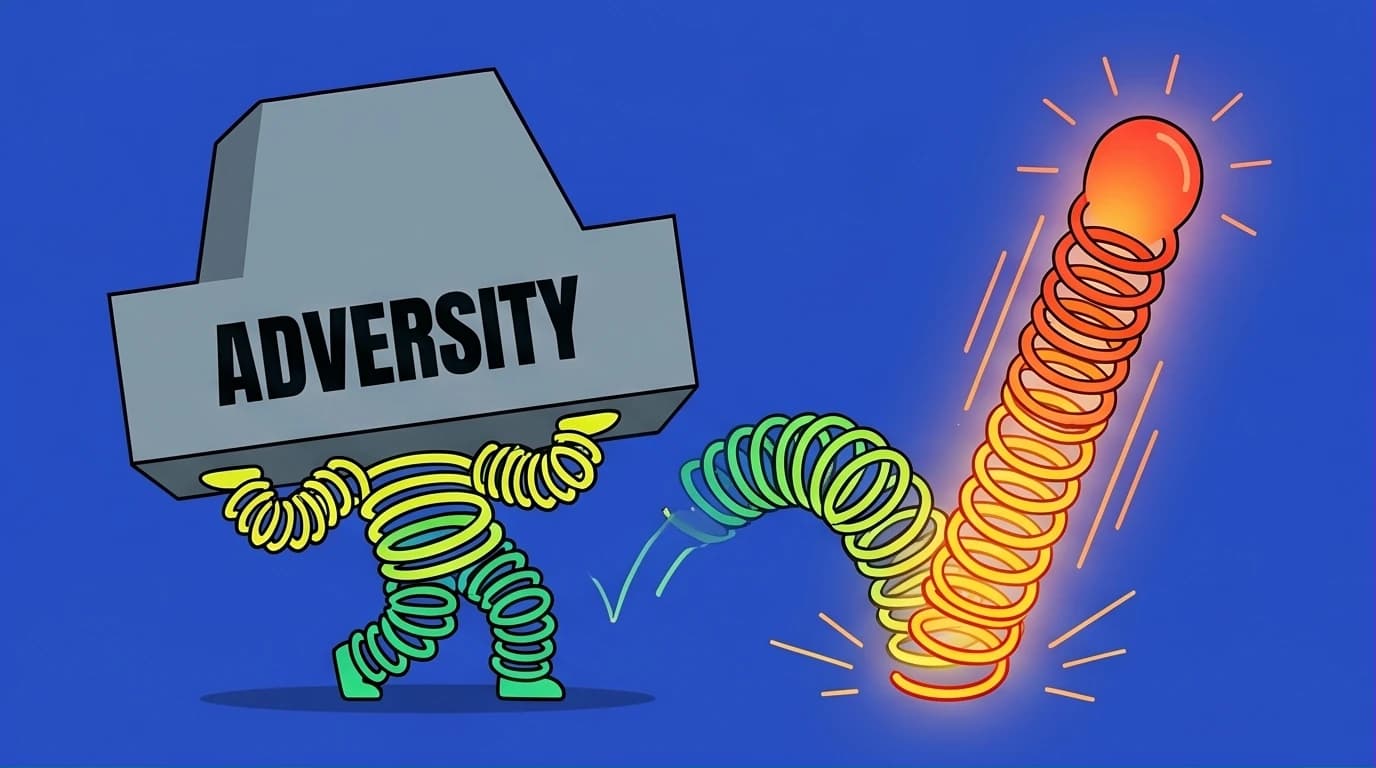
Life occasionally pulls the rug out from under you. Maybe you are dealing with a sudden job loss, a painful breakup, or just the exhausting weight of chronic daily anxiety. You feel fragile, tired, and unsure how to move forward. You might even look around and wonder why other people seem to handle setbacks so easily while you feel completely stuck.
Let go of the guilt right now. Mental toughness is not a genetic trait. You are not born with a fixed amount of grit. Resilience is a muscle. Just like lifting weights at the gym creates micro-tears in your muscles to make them stronger, navigating stress with the right psychological tools actually rewires your brain to handle future hardships better.
If you want to stop feeling overwhelmed by every curveball, you need practical, science-backed methods. Here is exactly how to train your mind to recover faster and bounce back stronger.
Redefining Mental Toughness
Before diving into specific resilience building strategies, we need to clear up a massive misconception. Many people think building mental toughness means suppressing emotions, acting like nothing hurts, or adopting a "grind through it" mentality.
Psychologists completely disagree. The American Psychological Association defines resilience as the process of adapting well in the face of adversity, trauma, tragedy, or significant sources of stress.
Highly resilient people still feel grief, anger, and anxiety. The difference is they do not let those emotions paralyze them. They experience the pain, process it, and then use specific cognitive tools to figure out their next step. Understanding this difference is your first major step toward recovery.
To truly grasp these concepts, it can be helpful to explore the core characteristics of a resilient person. Understanding the psychological definition of emotional resilience provides a solid foundation for the strategies that follow.
If you are ready to unlearn the toxic myths about mental toughness, you might be looking for a practical roadmap to get started. Letting go of bad habits—like throwing pity parties or expecting immediate results—is just as important as building new ones. For a straightforward, actionable guide on what to avoid when you are trying to build emotional strength, this next read is a fantastic resource. It breaks down the exact behaviors you need to leave behind to truly bounce back from life's hardest moments.
13 Things Mentally Strong People Don't Do
Amy Morin
 21 Duration
 9 Key Points
 4.7 Rate
Resilience Building Strategies for Daily Life
To change how you react to stress, you have to change how you process information. These are core strategies you can implement to build a stronger mental foundation.
Focus Only on Your "Circle of Control"
When a crisis hits, your brain naturally panics about a hundred different variables. Will the economy crash? What if they never call me back? What will other people think?
Expending energy on things outside your control drains your emotional battery. Grab a piece of paper and draw two circles, one inside the other. The inner circle is what you can control (your effort, your attitude, your diet, your sleep, your immediate next step). The outer circle is what you cannot control (other people's actions, market trends, the past).
When you feel panic rising, force your attention back to the inner circle. Taking action on just one small thing you can control instantly reduces anxiety and builds momentum.
Mastering the art of focusing solely on what you can control is heavily rooted in ancient Stoic philosophy, a mindset utilized by history's greatest leaders to thrive under unimaginable pressure. If you want to dive deeper into how to actively turn your biggest roadblocks into your greatest advantages, exploring modern Stoicism is incredibly helpful. This next recommendation brilliantly adapts those ancient strategies for today's chaotic world, teaching you how to use adversity as the exact fuel you need to move forward.
The Obstacle Is the Way
Ryan Holiday
44 Duration7 Key Points4.6 Rate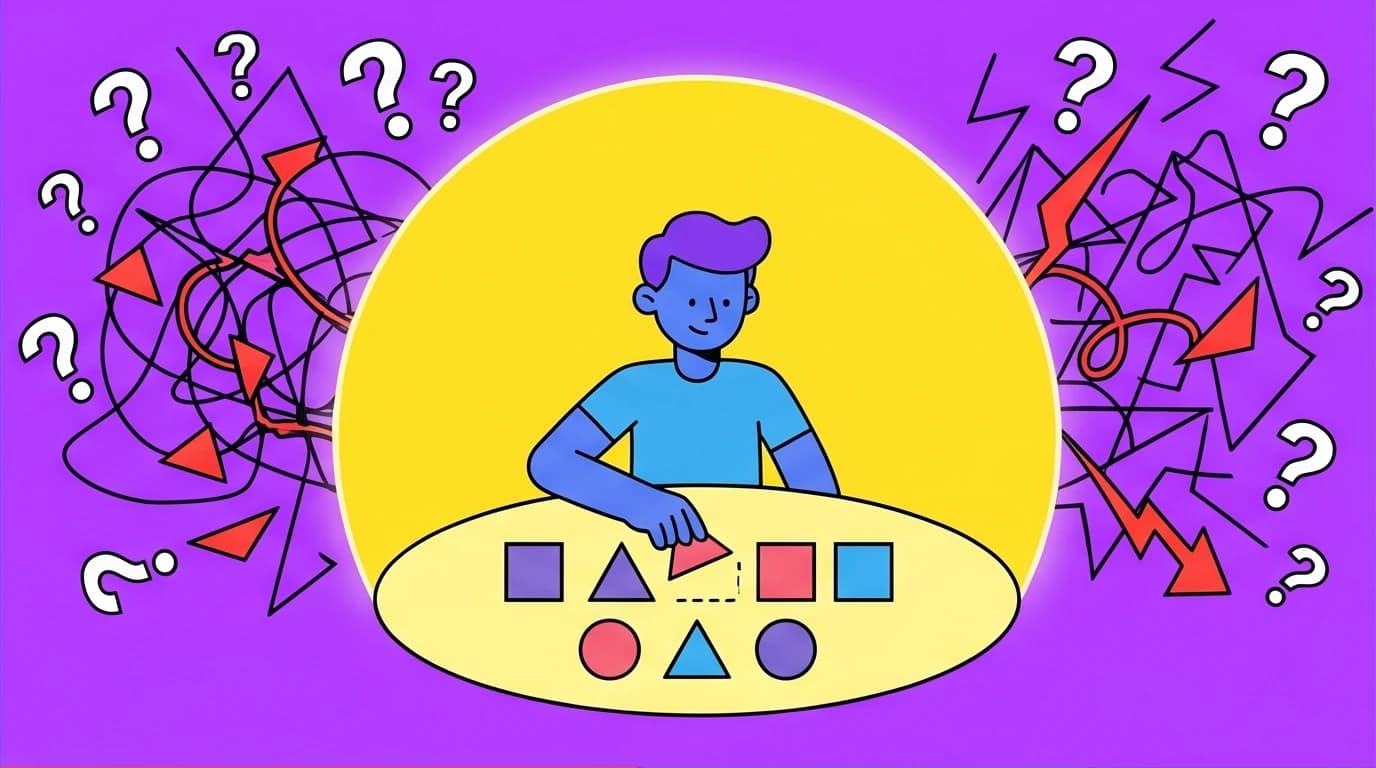
Reframe Your Cognitive Distortions
Our brains love to catastrophize. If you make a mistake at work, the immediate thought is often, "I am going to get fired, and I will never find another job."
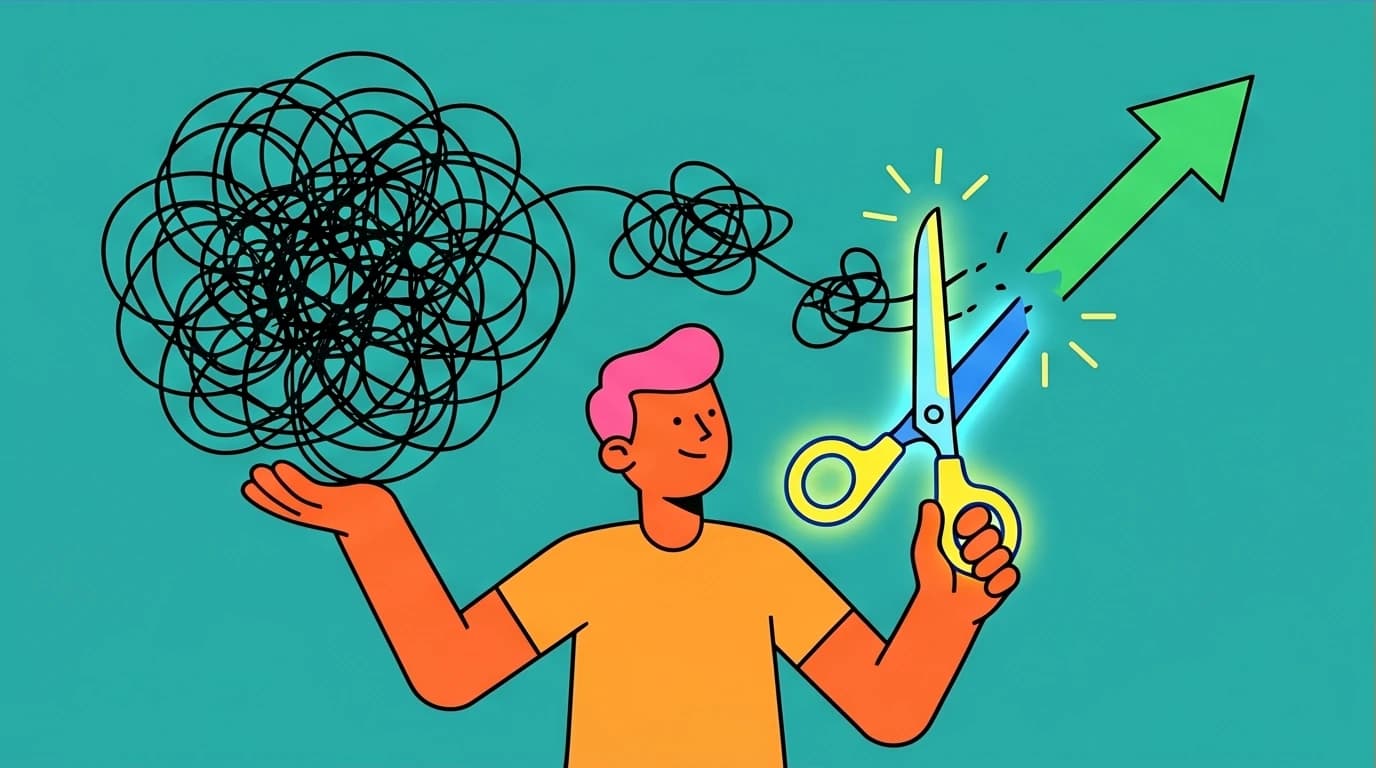
Cognitive reframing is one of the most effective ways to become more resilient. It forces you to challenge your automatic negative thoughts. When a disastrous thought pops up, act like a lawyer cross-examining a witness. Ask yourself:
- Is this thought 100% true?
- What is the actual evidence supporting this?
- What is a more realistic alternative?
Instead of thinking, "I completely failed," reframe it to, "I did not get the result I wanted this time, but I learned exactly what not to do for the next attempt." This simple shift prevents temporary setbacks from becoming permanent identities.
Putting these mindset shifts into practice often means learning from experts, but finding the time to read through dense psychology books can be a challenge in itself when you're already stressed.

Get the core insights from bestselling books on mental toughness and resilience in 15-minute summaries, making it easier to learn new coping strategies on busy days.

Download LeapAhead App now
Cultivate Realistic Optimism
Realistic optimism does not mean putting on a fake smile and pretending everything is fine. It means acknowledging the current situation sucks, but maintaining the fundamental belief that you have the capability to navigate out of it. It is the shift from "This is awful and my life is over" to "This is awful, but I will figure out a way through it."
Emotional Resilience Exercises to Try Right Now
You cannot think your way out of a panic attack or deep overwhelm. Sometimes you need physical, immediate interventions to calm your nervous system. Here are actionable emotional resilience exercises you can use the moment stress hits.
The 4-7-8 Breathing Technique
When you are stressed, your sympathetic nervous system triggers a "fight or flight" response. Your heart rate spikes, and your breathing becomes shallow. You can hack this system by using your breath.
- Inhale quietly through your nose for 4 seconds.
- Hold your breath for 7 seconds.
- Exhale completely through your mouth, making a whoosh sound, for 8 seconds.
Repeat this cycle four times. The extended exhale forces your parasympathetic nervous system to kick in, physically slowing your heart rate and returning rational control to your brain.
The "Name It to Tame It" Practice
Psychiatrist Dan Siegel coined this technique. When you experience intense negative emotions, the emotional center of your brain (the amygdala) is running the show. By simply putting a specific label on your emotion, you activate your prefrontal cortex—the logic center of the brain.
Instead of saying, "I feel terrible," say out loud, "I am feeling intense anxiety right now because of my upcoming performance review." Naming the emotion creates psychological distance, making the feeling less overwhelming and easier to manage.
Since we just touched on Dr. Dan Siegel's powerful "Name It to Tame It" concept, it is worth exploring how his broader research can help you rewire your brain. Understanding the actual neuroscience behind your emotional reactions makes it so much easier to step back and observe your feelings without being consumed by them. If you want to learn more about how to harness your brain's capacity for healing and emotional regulation, Dr. Siegel's foundational work on focused attention is an absolute must-read.

Mindsight
Daniel J. Siegel, M.D.
27 Duration10 Key Points4.7 RateThe 10-10-10 Reality Check
When a problem feels too heavy to carry, run it through the 10-10-10 filter. Ask yourself:
- Will this matter in 10 days?
- Will this matter in 10 months?
- Will this matter in 10 years?
A rejected proposal or a harsh comment from a coworker might sting today, but it rarely matters 10 months from now. This exercise instantly provides perspective, preventing minor bumps from looking like massive roadblocks.
Long-Term Habits to Become More Resilient
You cannot build a sturdy house on a cracked foundation. Emotional strength requires physical and structural support.
Prioritize Physical Recovery
We often treat the mind and body as two separate entities. They are not. Sleep deprivation directly impairs your brain's ability to regulate emotions. If you are sleeping four hours a night and living on caffeine, your baseline for stress is already maxed out.
Protect your sleep like it is a prescription medication. Aim for 7 to 8 hours. Move your body daily, even if it is just a 20-minute walk around the block. Physical exercise metabolizes stress hormones like cortisol, clearing them out of your system so you can think clearly.
When you're physically and mentally drained, picking up a book is often the last thing you feel like doing. If you want to keep learning without the heavy lifting...
Use your commute or a short break to listen to summaries of books on personal growth, helping you build resilience even on days when you feel too exhausted to read.
Download LeapAhead App now
Micro-Dosing Discomfort
You build resilience by voluntarily doing hard things when the stakes are low. Think of it as an emotional vaccine. Introduce small, manageable stressors into your daily routine to prove to your brain that you can handle discomfort.
This could be taking a cold shower for 30 seconds, signing up for a public speaking class, or having a difficult conversation you have been avoiding. Exposing yourself to minor stress builds the psychological calluses you will need when a major life crisis actually happens.
Build a Support System Before You Need It
Isolation breeds despair. The most resilient individuals in the world rely on deep community ties. Do not wait until you are completely broken to reach out for help.
Invest time in your relationships when things are going well. Join a local club, maintain connections with old friends, or find an online community centered around your hobbies (whether it is a Goodreads book club or a local running group). Having a safety net of people who can offer perspective, practical help, or just a listening ear is the ultimate cheat code for bouncing back.
Building these strong support networks is particularly important in professional settings, where setbacks can impact both your career and your well-being. Applying these resilience strategies specifically to the challenges of the modern office can help you build a more durable and successful career.
Rebuilding your life after a tough fall requires both internal grit and the courage to lean on others. Embracing vulnerability rather than hiding your struggles is often the key to moving from simply surviving to actually thriving. If you are currently navigating a difficult chapter and want a deeply empathetic, research-backed guide on how to own your story and rise from the ashes, this final book recommendation will fundamentally change how you view your own resilience.
Rising Strong
Dr. Brené Brown
22 Duration9 Key Points4.8 RateFAQ
Can anyone learn how to build resilience, or is it genetic?
Everyone has the capacity to build resilience. While genetics and early childhood experiences might give some people a different baseline, resilience is widely recognized by psychologists as a set of behaviors, thoughts, and actions that anyone can learn and develop over time.
Everyone has the capacity to build resilience. While genetics and early childhood experiences might give some people a different baseline, resilience is widely recognized by psychologists as a set of behaviors, thoughts, and actions that anyone can learn and develop over time.
How long does it take to build mental toughness?
There is no fixed timeline. You can feel the calming effects of a breathing exercise in two minutes, but rewiring your brain to automatically default to positive reframing takes consistent practice. Think of it like physical fitness—you see minor improvements in a few weeks, but it is a lifelong practice to maintain.
There is no fixed timeline. You can feel the calming effects of a breathing exercise in two minutes, but rewiring your brain to automatically default to positive reframing takes consistent practice. Think of it like physical fitness—you see minor improvements in a few weeks, but it is a lifelong practice to maintain.
What is the difference between resilience and toxic positivity?
Toxic positivity forces you to ignore negative emotions with phrases like "Just smile!" or "Good vibes only." It denies reality. Resilience requires you to fully acknowledge the pain, frustration, and sadness of a situation, process those feelings, and then actively look for a constructive way forward.
Toxic positivity forces you to ignore negative emotions with phrases like "Just smile!" or "Good vibes only." It denies reality. Resilience requires you to fully acknowledge the pain, frustration, and sadness of a situation, process those feelings, and then actively look for a constructive way forward.
Why do I feel more exhausted after trying to be strong?
Because you are likely confusing "suppression" with "resilience." Pushing down your emotions takes a massive toll on your physical and mental energy. True resilience includes self-compassion and allowing yourself time to rest and grieve. If you are exhausted, your body is telling you to stop fighting the emotion and start processing it. Take a break.
Because you are likely confusing "suppression" with "resilience." Pushing down your emotions takes a massive toll on your physical and mental energy. True resilience includes self-compassion and allowing yourself time to rest and grieve. If you are exhausted, your body is telling you to stop fighting the emotion and start processing it. Take a break.