

You keep hitting the same emotional walls, reacting to stress with old habits that leave you exhausted and stuck. You have heard about Dr. Nicole LePera's groundbreaking framework, but finding the time to digest a 300-page psychology book feels impossible right now. You just want to know exactly what "the work" is and how to start applying it to your life today.
If the biggest hurdle to starting is simply the time commitment of a dense book, you can get a head start by absorbing the core principles in a much shorter format.

Quickly grasp the key insights from 'How to Do the Work' and other psychology bestsellers in 15-minute audio or text summaries, perfect for busy schedules.

Download LeapAhead App now
What is Holistic Psychology?
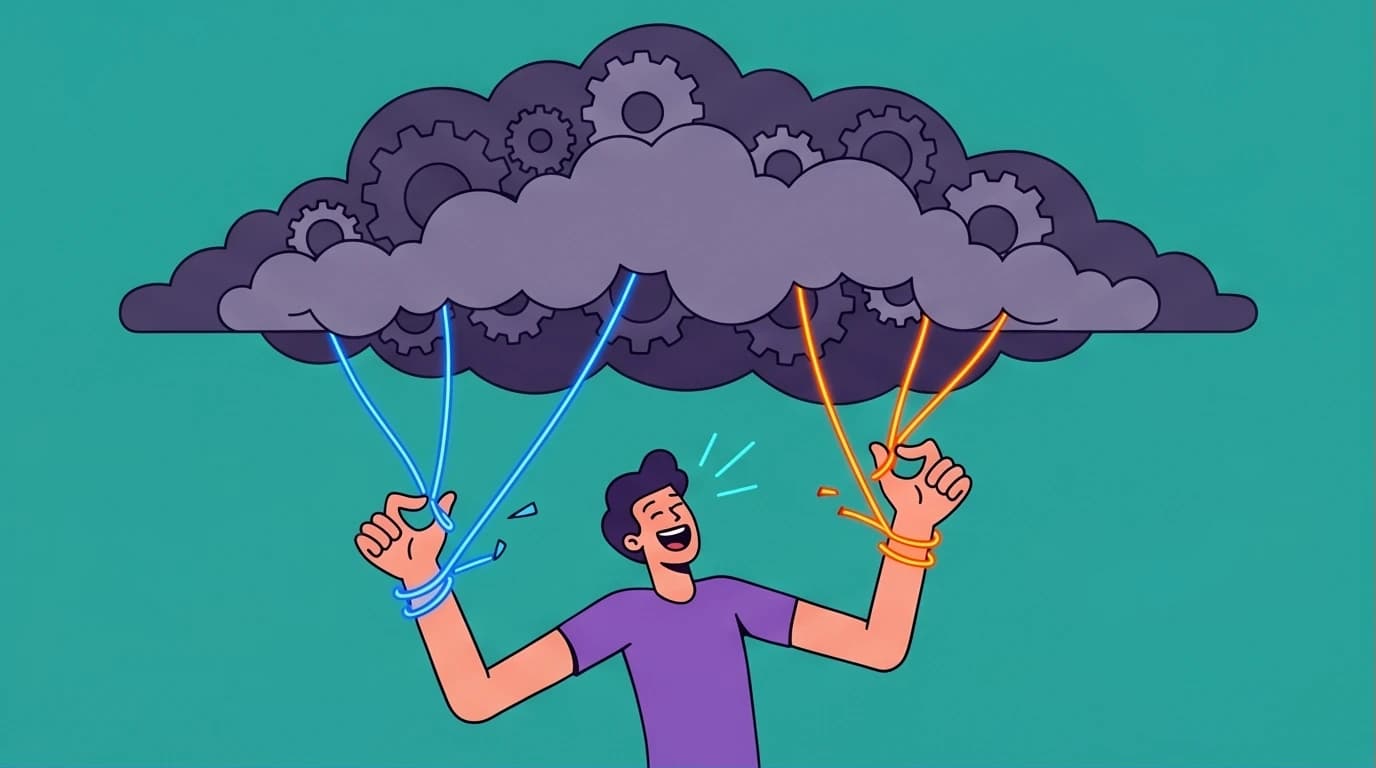
Traditional therapy often treats the mind and body as separate entities. Dr. Nicole LePera, known online as The Holistic Psychologist, wrote this book to bridge that gap. Holistic psychology operates on a simple premise: your mental health is inextricably linked to your physical body.
You cannot out-think a nervous system that is stuck in survival mode. "The work" is the daily practice of recognizing your subconscious patterns, healing your nervous system, and actively choosing a new way to respond to the world.
Breaking Down the How to Do the Work Chapters
To really grasp the book without reading every page, it helps to look at the structure. The how to do the work chapters are organized into a logical progression from awareness to physical regulation, and finally to mental rewiring.
Phase 1: Conscious Awakening
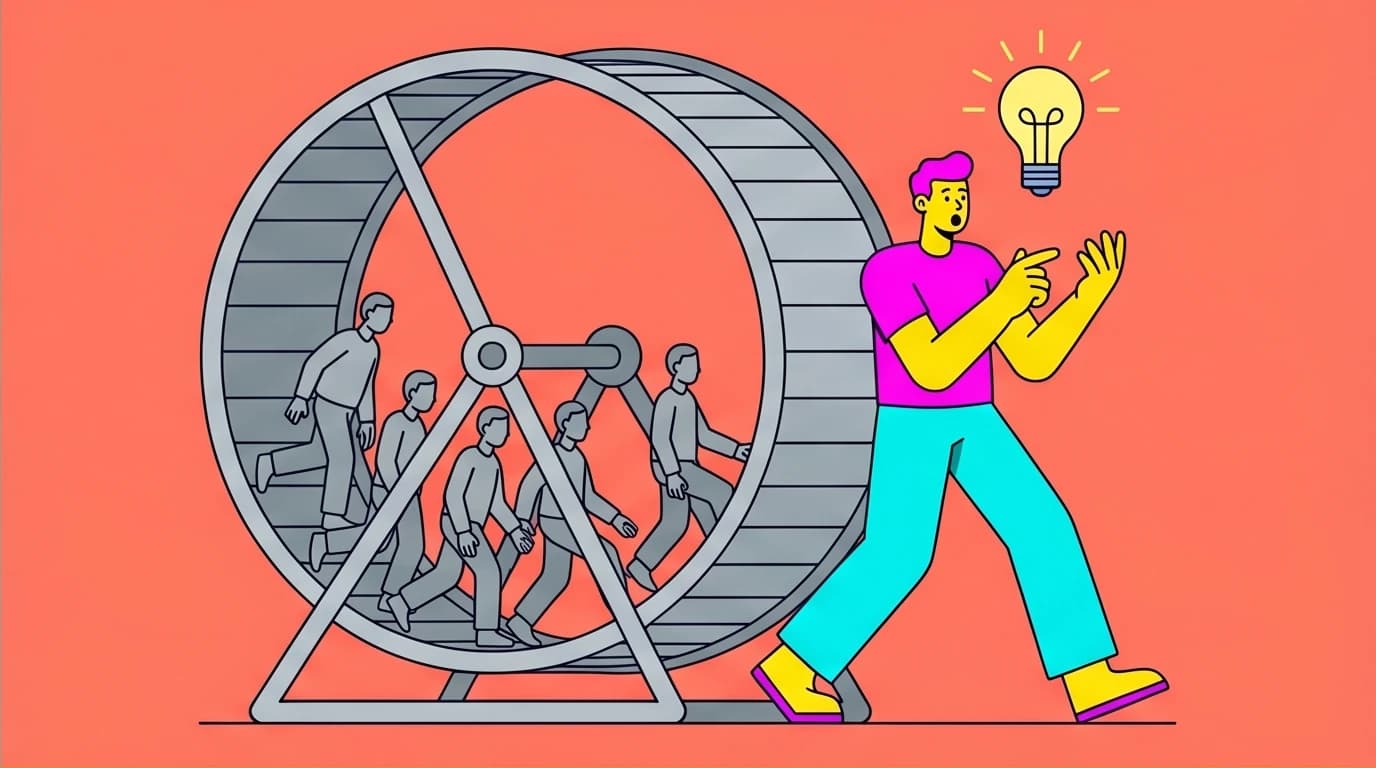
The first section of the book strips away the illusion that you are in control of your daily actions. LePera explains that by age 35, up to 95% of your behaviors, reactions, and beliefs are completely subconscious. You are running on autopilot, replaying childhood programming. The goal of these early chapters is simply to wake up. You learn to step back and observe your thoughts without letting them control you.
Phase 2: The Body and Trauma
You cannot heal trauma with logic alone. LePera dives heavily into the vagus nerve and the physiological nature of trauma. Trauma is not just severe abuse; it is any chronic experience where your basic needs for safety, connection, or authenticity were denied. The chapters in this section provide physical tools—like breathwork—to signal safety to your body so your mind can relax.
Phase 3: The Ego, Inner Child, and Boundaries
The final stretch of the book gets into the heavy lifting. This is where you meet your ego, confront the concept of "trauma bonds" in relationships, and learn how to reparent your inner child. It culminates in learning how to set firm, unapologetic boundaries to protect your newly healed self.
Learning to set boundaries is often the most challenging part of this final phase. It is entirely normal to feel a deep sense of guilt when you first start telling people "no" or protecting your energy. If you are struggling to figure out what healthy limits actually look like in practice—whether with demanding family members, overstepping friends, or even toxic workplace environments—you might need a specialized guide. To help you articulate your needs without apologizing for them, check out this phenomenal resource on creating unapologetic boundaries.

Set Boundaries, Find Peace
Nedra Glover Tawwab
 29 Duration
 10 Key Points
 4.5 Rate
Core How to Do the Work Key Takeaways
If you only walk away with a few concepts from this how to do the work summary, make sure it is these core principles. They form the foundation of everything LePera teaches.
1. Trauma Lives in Your Nervous System
Trauma is a bodily response, not just a memory. When you experience chronic stress or emotional neglect as a child, your nervous system gets stuck in a dysregulated state (fight, flight, freeze, or fawn). If you find yourself overreacting to minor inconveniences or shutting down during arguments, that is not a personality flaw. That is your nervous system trying to protect you from a perceived threat.
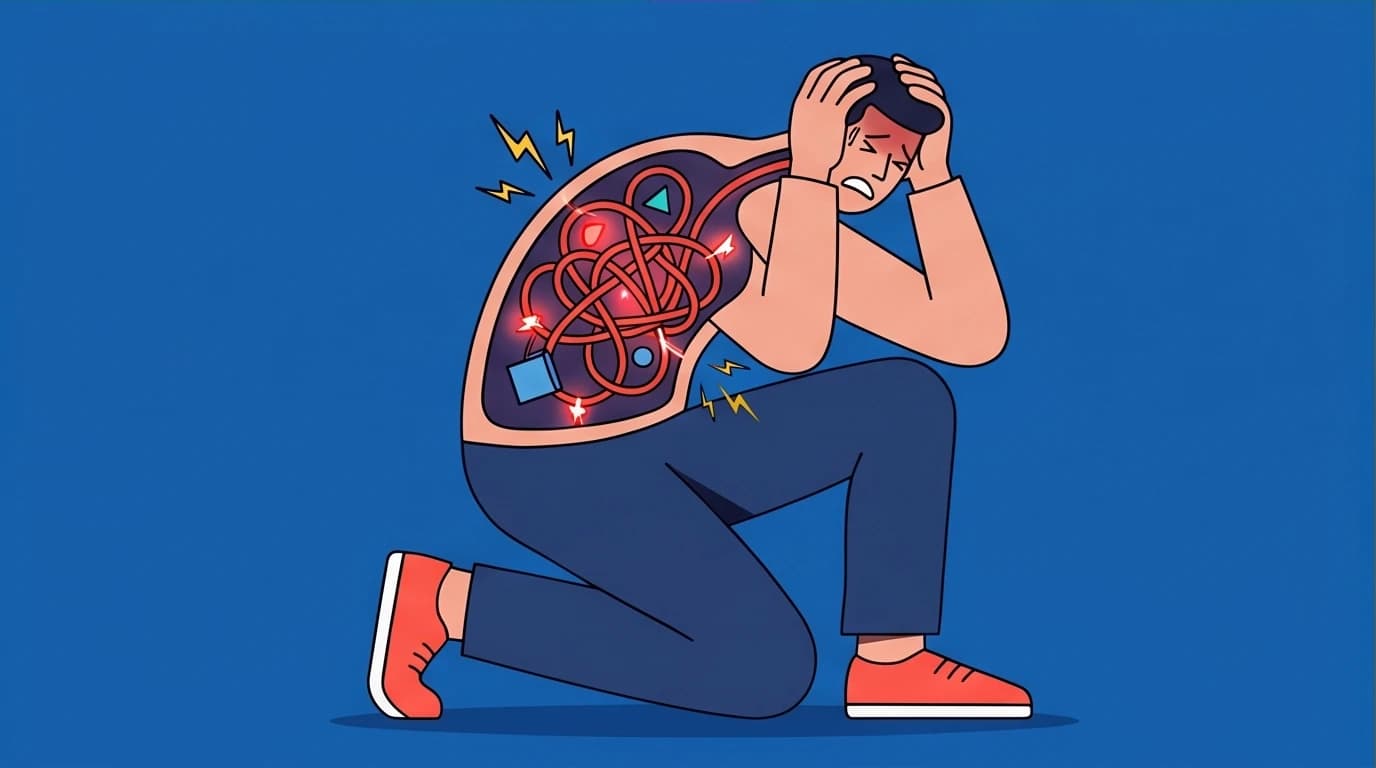
Recognizing this connection is a critical first step. For a deeper look at the specific techniques you can use to calm your body and break free from these ingrained trauma responses, explore these powerful methods for nervous system regulation.
If you find yourself fascinated by the connection between your physical body and emotional trauma, diving deeper into the science of the nervous system is incredibly rewarding. While Dr. LePera gives you practical steps, understanding the underlying mechanics of how your body stores past pain can be a massive lightbulb moment. For those wanting a comprehensive, research-backed look at how trauma literally reshapes both our brains and bodies, there is one seminal book that therapists across the United States recommend more than any other.
The Body Keeps The Score
Bessel Van Der Kolk
32 Duration10 Key Points4.5 Rate2. You Are Addicted to Familiar Emotions
Your brain prioritizes familiarity over happiness. If you grew up in a chaotic household, your body became chemically addicted to the stress hormones cortisol and adrenaline. As an adult, you might subconsciously sabotage healthy relationships or create drama at work simply because peace feels uncomfortable and dangerous to your nervous system. Breaking this addiction is uncomfortable, and feeling worse before you feel better is a normal part of the process.
3. Your Ego is Trying to Protect You
The ego is the identity you built to survive childhood. It is the voice in your head that gets defensive, takes things personally, and demands to be right. LePera teaches that you should not try to "kill" the ego. Instead, learn to observe it. When you feel deeply offended, pause and ask: What story is my ego telling me right now?
4. No One is Coming to Save You
This is the toughest pill to swallow. LePera emphasizes radical personal responsibility. Your parents, your spouse, or your therapist cannot do the heavy lifting for you. You have to reparent yourself.
Actionable Practices: Actually "Doing the Work"
Understanding the theory is useless if you do not change your daily habits. Here are the precise, actionable steps outlined in the book to start healing.
Regulate Your Vagus Nerve
Before you can analyze your childhood, you must calm your body. The vagus nerve controls your parasympathetic (rest and digest) nervous system.
- Belly Breathing: Take deep breaths that expand your stomach, not your chest. Exhale longer than you inhale. Do this for two minutes every morning.
- Cold Exposure: Splash freezing water on your face when you feel an anxiety spiral starting. It acts as a physical reset button for your nervous system.
Observe Your Ego Stories
When you get triggered, your ego instantly creates a narrative. If a friend takes hours to text back, your ego says, "They do not care about you."
- The Practice: Catch the thought. Say out loud, "My ego is telling me a story that my friend does not care." Separating yourself from the thought strips away its power.
Reparent Your Inner Child
You likely carry unmet needs from childhood. Reparenting means becoming the caregiver you needed back then.
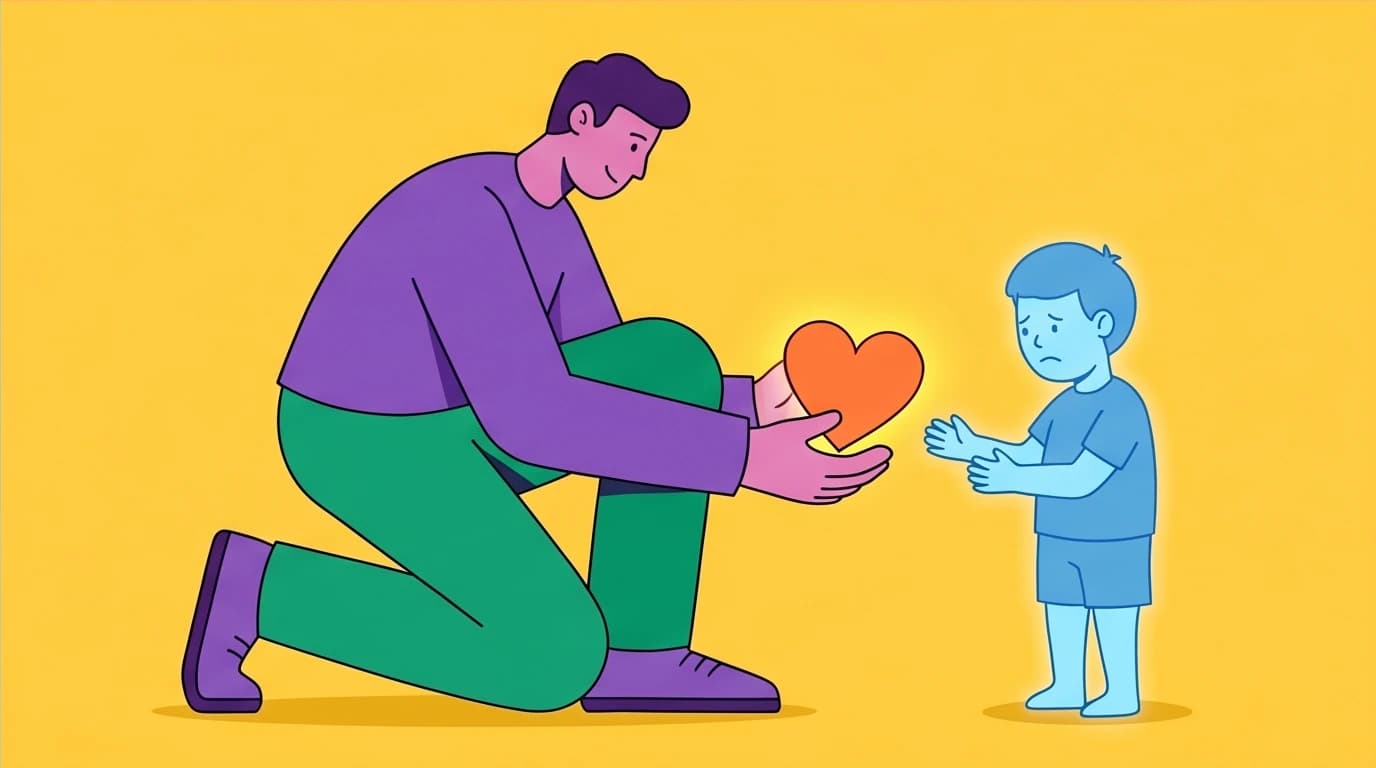
- Acknowledge the inner child: Recognize when your current emotional reaction is actually a childhood wound flaring up.
- Keep small promises: Build self-trust by making and keeping one tiny promise to yourself every day. Drink a glass of water every morning. Read for ten minutes. It proves to your subconscious that you are reliable.
This process involves building self-trust and providing the emotional support you may have missed. For more specific exercises and a clearer roadmap on how to start this journey, learning how to reparent yourself can be a truly transformative next step.
Becoming the caregiver you always needed is a beautiful but difficult process, especially if you are just starting to realize that your upbringing lacked emotional depth. Many of us grew up in homes where physical needs were met, but emotional validation was nonexistent. If you are uncovering layers of childhood neglect and need help making sense of why your parents acted the way they did, further exploration can bring immense relief. This eye-opening read will help you heal those specific wounds and break free from old family dynamics.

Adult Children of Emotionally Immature Parents
Lindsay C. Gibson, Psy.D.
39 Duration8 Key Points4.6 RateFuture Self Journaling
This is LePera’s signature tool for rewiring the subconscious mind. You cannot just think your way into a new personality; you have to write it down and practice it.
- Identify one specific behavior you want to change (e.g., getting defensive during feedback).
- Write down the new behavior you will practice today.
- Rehearse how your "future self" will handle the specific trigger when it inevitably happens.
This daily practice is key to creating lasting change. For more guidance and specific prompts to get you started, you can use a dedicated future self journaling template to structure your entries effectively.
Powerful How to Do the Work Quotes
Sometimes a single sentence clarifies a concept better than a whole chapter. Here are some of the most impactful how to do the work quotes to shift your perspective:
"Healing is a daily event. You can't 'go somewhere' to be healed; you must go inward to be healed."
"Trauma is not what happens to you, but what happens inside you as a result of what happens to you."
"The ego is a master of disguise. Its main goal is to keep you in the familiar."
"Boundaries are the distance at which I can love you and me simultaneously."
Looking for a Nicole LePera Book PDF? Read This First
If you are searching for a nicole lepera book pdf online to save money or skim the material, you should reconsider your approach.
This book is not a novel you read once and put back on the shelf. It is a functional workbook. The physical pages are designed for you to write in, highlight, dog-ear, and revisit during your Future Self Journaling exercises. Reading a pirated PDF on your phone screen leads to passive consumption. You will likely scroll through the dense psychological concepts, nod your head, and change absolutely nothing about your daily life.
If budget is an issue, borrow it from a local library. If time is your enemy, grab the audiobook on Audible and listen during your commute. But if you are serious about doing the work, buy the physical copy from Amazon or Barnes & Noble. Treat it as an investment in your mental architecture.
Deciding to truly invest in your mental health means equipping yourself with the right tools. Skip the endless scrolling and the frustrating search for incomplete digital files. Getting your hands on a proper physical copy allows you to engage with the material exactly as intended—taking notes, tracking your daily habits, and mapping out your future self. If you are ready to stop talking about healing and actually start doing it, grab the official hardcover edition and begin your transformational journey today.
How to Do the Work
Dr. Nicole LePera
47 Duration10 Key Points4.6 RateHow to Measure Your Progress
You will not wake up one day perfectly healed. "The work" is an ongoing lifestyle. You will know you are making progress when:
- You notice a gap between feeling triggered and reacting. You pause instead of yelling.
- You stop seeking external validation for your choices.
- You can set a boundary without feeling a crushing wave of guilt.
- You feel more comfortable in periods of calm, rather than actively seeking out chaos or drama.
Start small. Pick one concept—like belly breathing or keeping one daily promise to yourself—and practice it for 30 days. That is how the work begins.
And if you want to continue expanding your mental health toolkit by learning from other authors but don't have hours to spare, you can listen to key insights from books like this during your commute or workout.
Continue your healing journey by absorbing key ideas from the best self-help books in just 15 minutes a day, even when you're too tired to read.
Download LeapAhead App now
FAQ
What is "the work" according to Dr. Nicole LePera?
"The work" refers to the daily, conscious practice of recognizing your subconscious habits, regulating your physical nervous system, and actively choosing new behaviors to heal childhood trauma. It is moving from living on autopilot to living with intention.
"The work" refers to the daily, conscious practice of recognizing your subconscious habits, regulating your physical nervous system, and actively choosing new behaviors to heal childhood trauma. It is moving from living on autopilot to living with intention.
Is this book a replacement for therapy?
No. Dr. LePera makes it clear that while self-healing is crucial, this book does not replace professional therapy, especially for individuals dealing with severe trauma, PTSD, or acute mental health crises. It is designed to be a powerful supplementary tool or a starting point for self-awareness.
No. Dr. LePera makes it clear that while self-healing is crucial, this book does not replace professional therapy, especially for individuals dealing with severe trauma, PTSD, or acute mental health crises. It is designed to be a powerful supplementary tool or a starting point for self-awareness.
How long does it take to see results from "doing the work"?
Because you are rewiring decades of subconscious programming, results are not immediate. Many people start noticing small shifts in their reactivity and emotional regulation within 30 to 90 days of consistent, daily practice like Future Self Journaling.
Because you are rewiring decades of subconscious programming, results are not immediate. Many people start noticing small shifts in their reactivity and emotional regulation within 30 to 90 days of consistent, daily practice like Future Self Journaling.
Do I need to read the book in order?
Yes. The book follows a specific, layered framework. You cannot effectively practice reparenting or boundary setting (Phase 3) if you have not first learned how to regulate your physical nervous system out of a trauma response (Phase 2).
Yes. The book follows a specific, layered framework. You cannot effectively practice reparenting or boundary setting (Phase 3) if you have not first learned how to regulate your physical nervous system out of a trauma response (Phase 2).