

You know the relationship is toxic. You understand the dynamic is harmful. You might have even packed your bags, blocked their number, or sworn to your friends that this time is different. Yet, a few days later, a wave of unbearable panic washes over you, and you find yourself reaching out again.
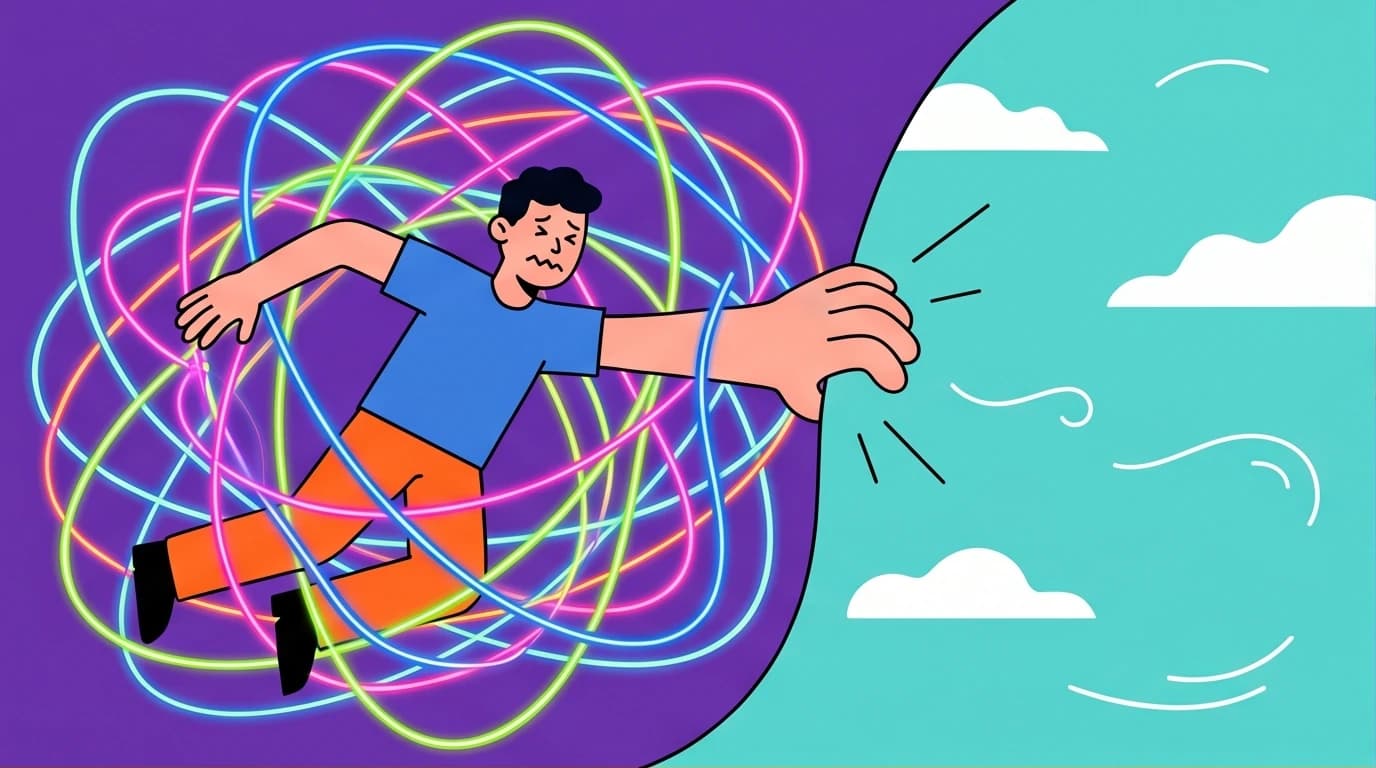
This is not a lack of willpower. It is not a moral failing. Your body is simply doing what it was designed to do: seeking the familiar to survive.
When you live in chronic stress or navigate manipulative dynamics for an extended period, your biology changes. Your baseline shifts. Chaos becomes your normal, and peace feels terrifyingly empty. Talk therapy alone often falls short here because you cannot think your way out of a biological stress response. To master nervous system regulation, holistic psychologist approaches suggest we must bypass the analytical mind and speak directly to the body.
Here is the exact framework to help you stop living in survival mode and start finding safety in your own skin.
The Biology of Being Stuck: Understanding the Trap
Before you can change your patterns, you need to understand the hardware running your reactions. Chronic anxiety and toxic relationship loops are deeply physical experiences.
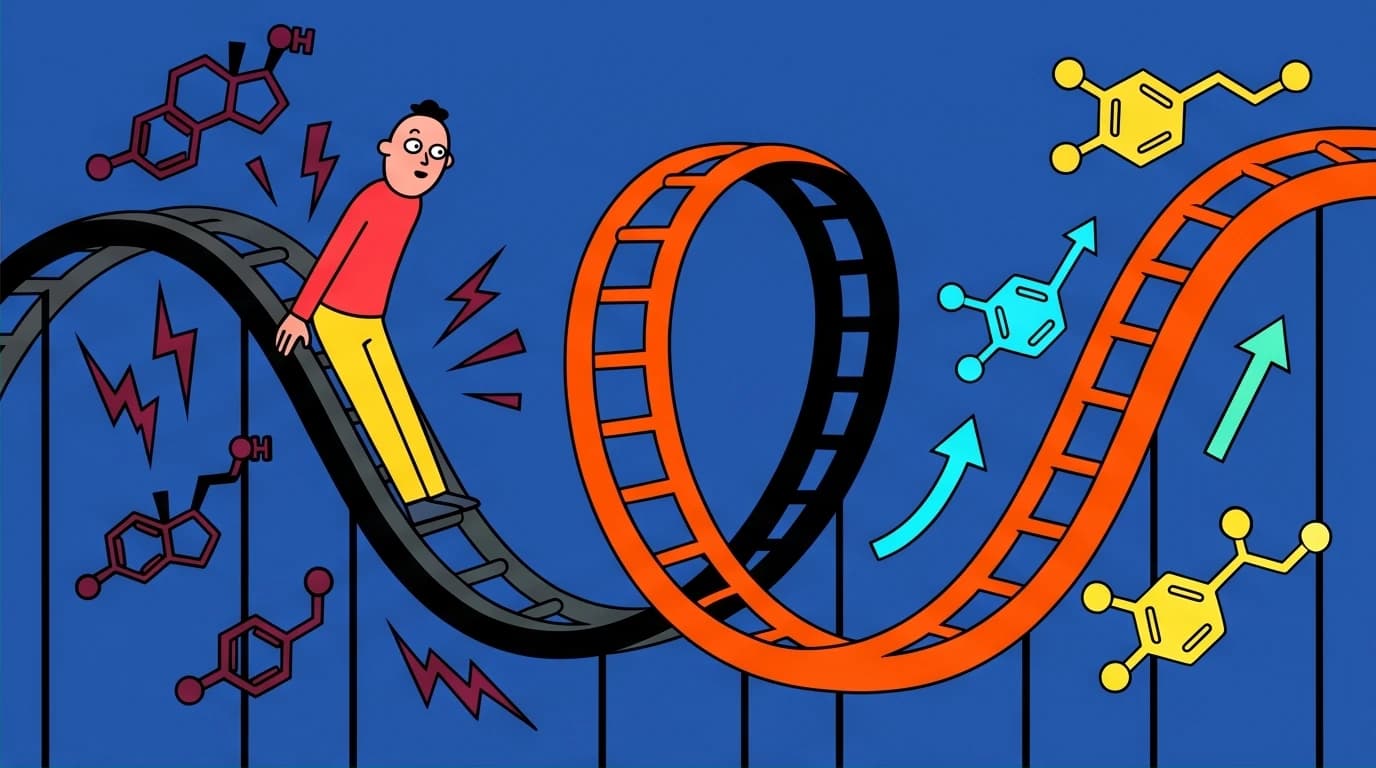
If you are trying to figure out how to break a trauma bond, the answer starts in your body. A trauma bond is a biological addiction to the emotional rollercoaster of abuse and intermittent reinforcement. When your partner is distant or cruel, your body floods with cortisol and adrenaline. You feel a tightness in your chest, shallow breathing, and a racing heart. You are in fight-or-flight.
When they return with breadcrumbs of affection or apologies, your brain releases a massive hit of dopamine and oxytocin. The relief is intoxicating. Over time, your nervous system begins to associate this extreme high-and-low cycle with love and connection.
A healthy, stable relationship does not trigger these massive chemical spikes. To a dysregulated nervous system, stability feels incredibly boring—or worse, it feels like a threat because your body is constantly waiting for the other shoe to drop. You must teach your body that calm is safe.
This process of teaching your body a new definition of safety—one that isn't dependent on external validation or chaos—is the core of reparenting work. It involves consciously providing yourself with the nurturing and stability you may not have received in childhood.
If you find yourself endlessly fascinated—or frustrated—by how a toxic relationship actually alters your biological hardware, diving into the science can be incredibly validating. Understanding that your trauma responses are rooted in physiology rather than personal failure is a massive step forward in your recovery. For a masterclass on how prolonged stress, abuse, and manipulation physically reshape your brain and body over time, this foundational book is an absolute must-read for your healing toolkit.
The Body Keeps The Score
Bessel Van Der Kolk
 32 Duration
 10 Key Points
 4.5 Rate
While this book is a critical resource, diving into dense material can feel overwhelming when you're already low on energy. A good way to start is by understanding the core concepts first.


Grasp the key insights from dense books on trauma and healing in just 15 minutes, making vital knowledge accessible even on days when you don't have the capacity for deep reading.
 LeapAhead
Polyvagal Theory & Your Body's Survival States
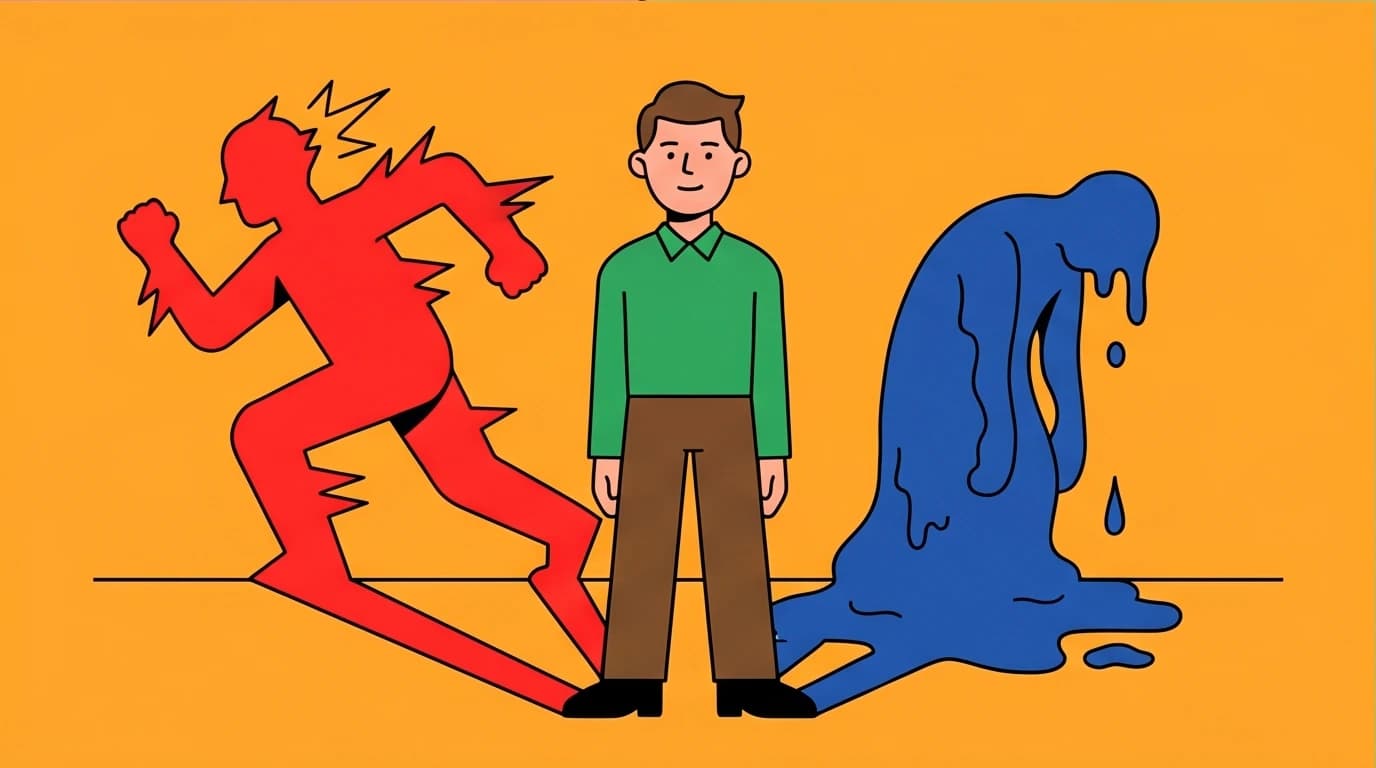
To do this effectively, we rely on the science of how our bodies process safety and danger. When studying polyvagal theory, How to Do the Work and similar resources map out three primary states of the autonomic nervous system. You move through these states daily, but chronic stress can cause you to get stuck in the bottom two.
1. Ventral Vagal (Safe and Social)
This is your natural resting state. Your heart rate is steady, your breathing is deep, and your digestion works properly. You feel grounded, connected to others, and capable of handling minor stressors without falling apart. You have access to your prefrontal cortex, meaning you can set boundaries and make rational decisions.
2. Sympathetic (Fight or Flight)
When your brain perceives a threat, it activates the sympathetic nervous system. Blood rushes to your limbs, cortisol spikes, and your heart races. You are ready to run or defend yourself. In the modern world, this looks like chronic anxiety, road rage, panic attacks, obsessively checking your phone, or pacing the floor when someone leaves you on read.
3. Dorsal Vagal (Freeze or Fawn)
If the threat is too overwhelming and you cannot fight or flee, your nervous system slams the brakes. This is the shutdown response. You feel numb, disconnected, depressed, and physically exhausted. You might disassociate, binge-watch television for 14 hours straight, or completely submit to a toxic partner just to keep the peace (fawning).
As referenced earlier in this article, shifting out of these rigid survival states requires a psychological framework that honors the body's physical responses. If you want to explore the polyvagal principles we just covered and take radical ownership of your day-to-day healing, Dr. Nicole LePera’s comprehensive guide is phenomenal. It breaks down exactly how to recognize your triggers, reprogram your nervous system, and finally break free from the invisible patterns that keep you stuck in a dorsal freeze or sympathetic overdrive.
For a concise overview of the book's foundational concepts before committing to the full read, you might find a summary helpful.
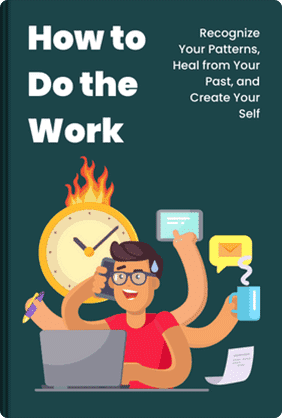
How to Do the Work
Dr. Nicole LePera
47 Duration10 Key Points4.6 RateActionable Somatic Exercises to Regulate Your Nervous System
You cannot force your way back to the Ventral Vagal state using logic. You have to use physical tools. Through somatic healing, Nicole LePera and other experts emphasize that daily, micro-habits are the key to expanding your window of tolerance.
Here are the most effective body-based practices you can start using immediately.
The Physiological Sigh
This is a breathing technique scientifically proven to offload carbon dioxide and instantly lower autonomic arousal. Use this when you feel the urge to text a toxic ex, or when anxiety spikes your heart rate.
- Take a deep inhale through your nose.
- Before you exhale, take another quick, sharp inhale through your nose to fully expand your lungs.
- Exhale completely and slowly through your mouth.
- Repeat this 3 to 5 times.
Vagus Nerve Toning via Sound (The "Voo" Breath)
The vagus nerve is the information highway between your brain and your gut. It controls your parasympathetic (rest and digest) response. Because it runs directly through your vocal cords, you can stimulate it using vibration.
- Sit comfortably and take a deep breath into your belly.
- As you exhale, make a low, deep "Vooooo" sound. Push the sound deep into your chest and belly, almost like a foghorn.
- Let the exhale last as long as possible.
- Notice the vibration in your chest and throat. Repeat 5 times.
This is incredibly effective for pulling yourself out of a dorsal vagal freeze state.
Temperature Shifts
When you are spiraling in a trauma response, your brain is entirely focused on a perceived external threat. Extreme temperature changes force your brain to bring its attention immediately back to your physical body.
- Cold Exposure: Splash ice-cold water on your face, or hold an ice cube in your hand until it melts. If you have a shower that drops below 60 degrees Fahrenheit, stand under the cold water for 30 to 60 seconds at the end of your routine. The shock triggers the mammalian dive reflex, which rapidly slows your heart rate and redirects blood flow.
- Warmth: If you are in a freeze state (feeling numb or paralyzed), wrap yourself in a heavy, warm blanket or hold a hot cup of tea. Warmth signals safety and containment.
Somatic Shaking (Neurogenic Tremors)
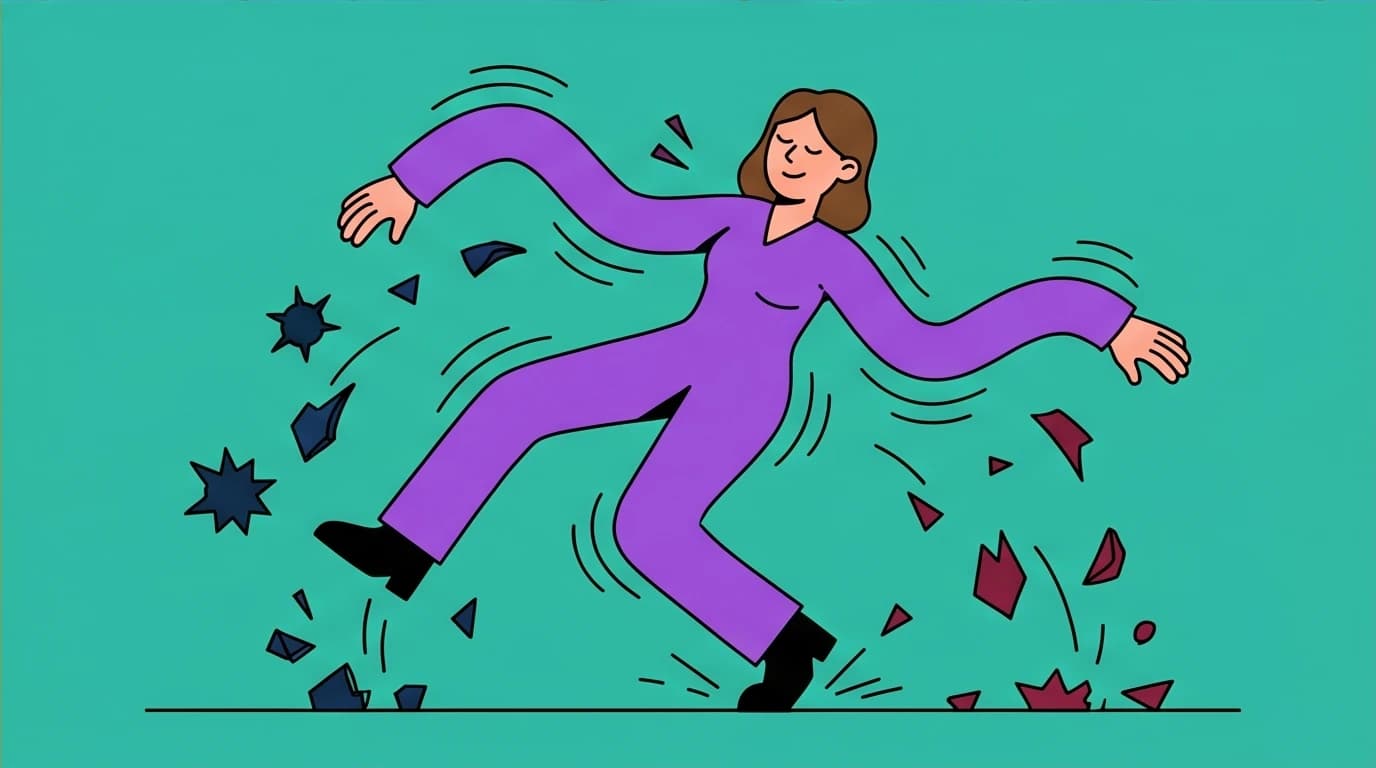
Watch a dog after it gets into a tense standoff with another dog. Once the threat passes, the dog will physically shake its entire body. Animals do this to discharge excess adrenaline. Humans have socialized this impulse out of our behavior, causing us to store that kinetic energy as chronic muscle tension.
When you feel highly anxious or triggered:
- Stand up and plant your feet on the floor.
- Start by shaking your hands vigorously.
- Let the shaking move up your arms to your shoulders.
- Bounce gently on your knees, shaking your legs and hips.
- Shake your entire body for two full minutes.
- Stop and stand completely still. Notice the tingling sensation and the natural drop in your heart rate.
Bilateral Stimulation (The Butterfly Hug)
This technique cross-wires the left and right hemispheres of your brain, helping to process emotional distress and ground you in the present moment.
- Cross your arms over your chest so your right hand rests on your left collarbone and your left hand rests on your right collarbone.
- Hook your thumbs together to form a butterfly shape.
- Alternate tapping your hands against your chest (left, right, left, right) at a steady, rhythmic pace.
- Continue for one to two minutes while taking slow, deep breaths.
While these somatic tools work directly on the body's physical state, combining them with a conscious mental practice can accelerate your healing. Journaling is a powerful way to process emotions, identify patterns, and intentionally connect with the healed, regulated version of yourself you are working to become.
Healing Your Patterns: The Daily Application
These tools only work if you practice them before you need them. If you buy a book on survival skills from Barnes & Noble, you do not wait until you are lost in the woods to read it. You read it at home. The same applies to somatic work. Practice the physiological sigh when you are relaxed. Practice cold exposure on a normal Tuesday morning. Build the muscle memory of regulation.
When it comes to healing trauma bonds, holistic psychologist frameworks require you to pause the gap between trigger and reaction.
The next time your partner picks a fight, or the silence from a breakup feels deafening, notice what happens in your body. Does your throat tighten? Does your stomach drop? Do your hands get cold?
Stop the story in your mind. Stop labeling the feeling as "I miss them" or "I need to fix this." Label it biologically: "My chest is tight. My heart is beating fast. I am in a sympathetic state." Then, intervene with a somatic tool. Do the Butterfly Hug. Splash cold water on your face.
Once your nervous system returns to baseline, the intense, desperate craving to engage in the toxic dynamic will severely diminish. You will begin to realize that the urge to reach out was never about love; it was about seeking a dopamine hit to relieve unbearable physical discomfort.
As you commit to this practice, your baseline will shift. You will stop interpreting peace as boredom. You will stop finding chaos attractive. You will finally build a body that feels safe enough to heal.
Once your nervous system begins to regulate and you are no longer operating from a constant state of panic, you will finally have the cognitive capacity to protect your peace. The next crucial step in your journey is learning how to assert your limits without second-guessing yourself, apologizing, or falling back into a fawn response. If you are ready to confidently enforce healthy limits with a toxic ex, draining family members, or even your own self-sabotaging habits, this highly practical guide will show you exactly how to draw the line.

Set Boundaries, Find Peace
Nedra Glover Tawwab
29 Duration10 Key Points4.5 RateThis journey of healing is supported by continuous learning, but it's easy to feel overwhelmed by a growing reading list. If you want to absorb the key ideas from these recommended books without the pressure of finding hours to read, there's a more modern approach.
Listen to summaries of foundational healing books during your commute or a short break, helping you consistently build knowledge and clear your 'reading debt' without feeling overwhelmed.
LeapAheadFAQ
Why do I feel more anxious when I start doing somatic exercises?
This is a very common experience known as "backlash." If you have been living in a dorsal vagal freeze state (numbness, dissociation) for a long time, starting to thaw out means you have to pass through the sympathetic state (anxiety, fight-or-flight) to get back to safety. Your body is waking up, and it feels uncomfortable. Go slow. If an exercise makes you panic, stop and switch to something gentler, like wrapping yourself in a heavy blanket.
This is a very common experience known as "backlash." If you have been living in a dorsal vagal freeze state (numbness, dissociation) for a long time, starting to thaw out means you have to pass through the sympathetic state (anxiety, fight-or-flight) to get back to safety. Your body is waking up, and it feels uncomfortable. Go slow. If an exercise makes you panic, stop and switch to something gentler, like wrapping yourself in a heavy blanket.
How long does it take to regulate a nervous system?
There is no fixed timeline, as it depends on the depth of the trauma and your daily environment. However, you can experience the immediate effects of a tool like the physiological sigh in real-time (under 60 seconds). Long-term rewiring—where your baseline actually shifts to a calm state—usually takes several months of consistent, daily practice. Consistency matters more than intensity.
There is no fixed timeline, as it depends on the depth of the trauma and your daily environment. However, you can experience the immediate effects of a tool like the physiological sigh in real-time (under 60 seconds). Long-term rewiring—where your baseline actually shifts to a calm state—usually takes several months of consistent, daily practice. Consistency matters more than intensity.
Can I heal my nervous system while still living with a toxic partner?
You can certainly build resilience, but true, deep regulation is incredibly difficult if your environment constantly demands a survival response. It is like trying to heal a burn while keeping your hand on the stove. Somatic tools will help you find the clarity and strength needed to eventually leave, but complete healing usually requires physical distance from chronic abuse.
You can certainly build resilience, but true, deep regulation is incredibly difficult if your environment constantly demands a survival response. It is like trying to heal a burn while keeping your hand on the stove. Somatic tools will help you find the clarity and strength needed to eventually leave, but complete healing usually requires physical distance from chronic abuse.
What if I cannot physically feel my body at all?
If you try to notice your bodily sensations and just feel "blank" or floating, you are likely heavily dissociated. Do not force it. Start with external grounding rather than internal scanning. Name five red objects in the room. Feel the texture of the fabric on your chair. Listen to the hum of your refrigerator. Slowly introduce external safety before trying to navigate internal sensations.
If you try to notice your bodily sensations and just feel "blank" or floating, you are likely heavily dissociated. Do not force it. Start with external grounding rather than internal scanning. Name five red objects in the room. Feel the texture of the fabric on your chair. Listen to the hum of your refrigerator. Slowly introduce external safety before trying to navigate internal sensations.