

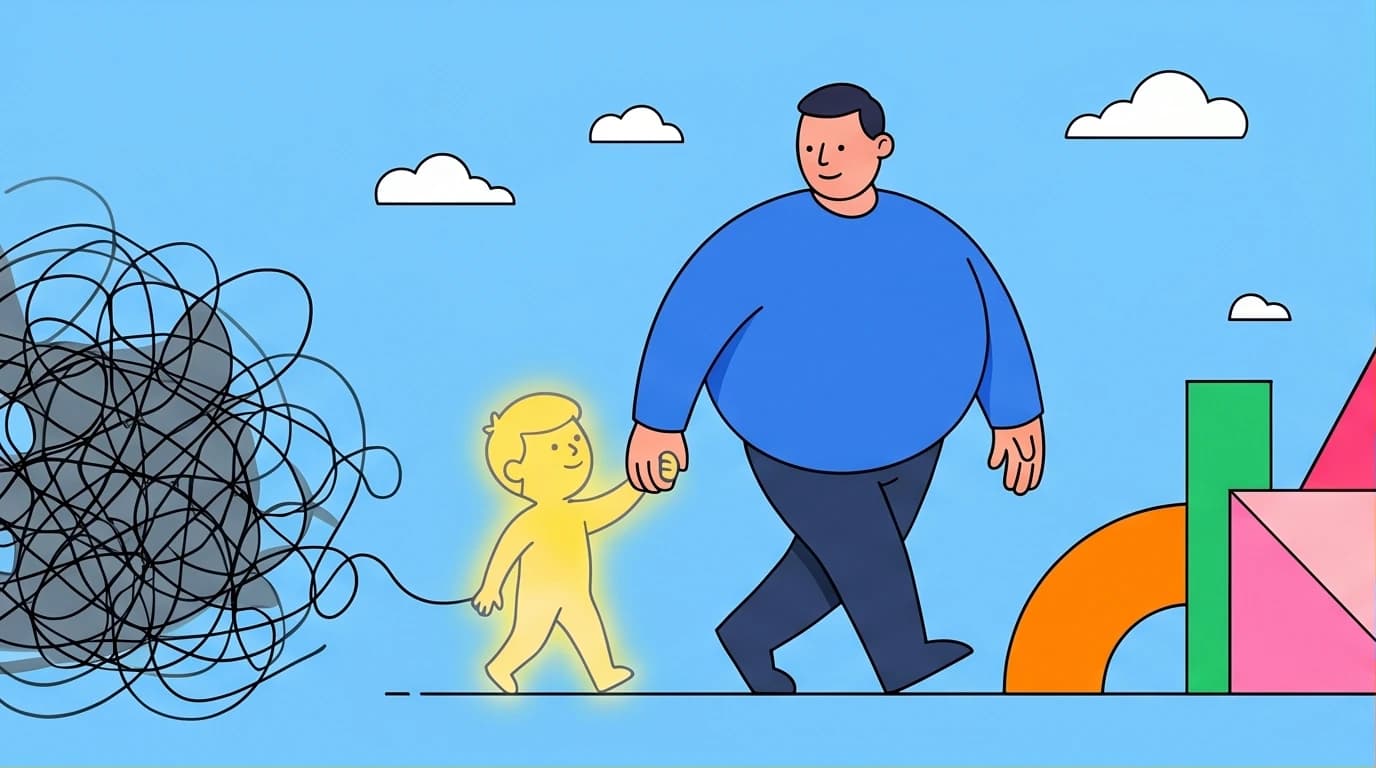
You react to a minor disagreement with your partner by completely shutting down. You say "yes" to projects you don't have time for because the thought of disappointing someone makes your stomach drop. You know these patterns are holding you back. You know they drain your energy. But stopping them feels entirely out of your control.
These reactions are not personality flaws. They are deeply ingrained trauma responses. When you grew up in an environment where your emotional needs were ignored, invalidated, or inconsistent, you developed coping mechanisms to survive. Now, those same survival tactics are sabotaging your adult life. To change this, you have to do the work of reparenting yourself. Nicole LePera, widely known as The Holistic Psychologist, popularized a grounded, practical approach to this exact process.
Her framework bridges the gap between understanding your past and actually changing your daily behavior. Here is exactly how to apply it.
The Foundation: Recognizing the Need
Before you can fix the foundation of a house, you have to see where the cracks are. You cannot heal what you refuse to acknowledge. Many adults walk around with a wounded child driving their daily decisions.
Here are the most common signs of unhealed inner child wounds:
- Chronic People-Pleasing: You morph your personality, opinions, and needs to fit what you think others want. Conflict feels dangerous.
- Emotional Dysregulation: A small inconvenience ruins your entire day. You swing rapidly between numbness and explosive anger or tears.
- Hyper-Independence: You refuse to ask for help. You operate under the belief that relying on anyone else will inevitably lead to betrayal or disappointment.
- Harsh Inner Critic: The voice in your head is relentless. You hold yourself to impossible standards and punish yourself severely for minor mistakes.
- Poor Boundaries: You let people cross your limits, and then harbor deep resentment toward them for doing so.
If you recognize yourself in this list, your inner child is running the show. The goal is not to kill off this part of yourself. The goal is to bring a conscious, adult presence into the room.
If you are realizing that your current behavioral patterns are deeply rooted in the way your parents handled—or failed to handle—your emotional needs, you are not alone. Recognizing this dynamic is half the battle. To gain a clearer understanding of how an emotionally barren childhood shapes your adult identity, and how to start untangling yourself from those early family systems, this eye-opening guide is an essential starting point.

Adult Children of Emotionally Immature Parents
Lindsay C. Gibson, Psy.D.
 39 Duration
 8 Key Points
 4.6 Rate
The Core Concept: What Is Reparenting?
If you picked up How to Do the Work at a Barnes & Noble or ordered it on Amazon, you probably noticed Dr. LePera's emphasis on taking radical responsibility.
Reparenting is the act of giving yourself what you didn't receive as a child. It means becoming the stable, predictable, and loving parent you needed. It requires shifting out of autopilot and making conscious choices about how you respond to stress, how you treat your body, and how you speak to yourself.
Since we are exploring Dr. Nicole LePera’s holistic framework, diving into her foundational text is the natural next step. If you want a comprehensive, actionable roadmap to breaking these exact trauma cycles and mastering self-healing, her best-selling book is a must-read. It expands heavily on the concepts of radical responsibility and provides deeper exercises to help you rebuild that vital connection with your authentic self.
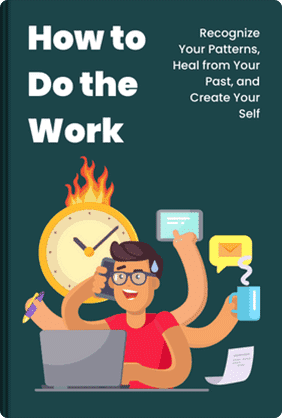
How to Do the Work
Dr. Nicole LePera
47 Duration10 Key Points4.6 RateFor those looking to absorb the core principles before diving into the full text, a summary can be an excellent starting point.
The Framework: How to Reparent Yourself
Dr. LePera’s approach is fundamentally holistic. It recognizes that trauma does not just live in your thoughts; it lives in your nervous system. Talk therapy alone often falls short because you cannot logic your way out of a physiological panic response.
Here is the step-by-step breakdown of how to execute this.
Step 1: Cultivating the "Conscious Observer"
You cannot change a habit if you don't notice it happening. Most of us live in a state of chronic dissociation. We numb out with our phones, overworking, or junk food. The first step in how to reparent yourself is to wake up.
Dr. LePera calls this becoming the Conscious Observer. You must learn to step back and watch your thoughts and reactions without judging them. When you feel a spike of anxiety, instead of spiraling into panic, you pause and note: "I am feeling a tightness in my chest. My mind is telling me I am in danger."
This creates a crucial gap between stimulus and response. In that gap lies your ability to choose a different reaction.
Step 2: Keeping Small Promises
Self-trust is the bedrock of a healthy adult identity. Trauma survivors often have zero self-trust because their childhood environment was chaotic and unpredictable. To survive, they learned to abandon themselves.
You rebuild self-trust by making and keeping micro-promises. Do not set a goal to meditate for an hour every day. You will fail, and your inner critic will use it as evidence that you are broken. Set a goal so small it seems ridiculous.
- Drink one glass of water right when you wake up.
- Walk outside for five minutes.
- Write one sentence in a journal.
Do this daily. Consistency matters more than intensity. When you keep a promise to yourself for 30 consecutive days, your brain starts to register: "I am someone who shows up for me. I am safe with myself."
Step 3: Emotional Regulation Through the Body
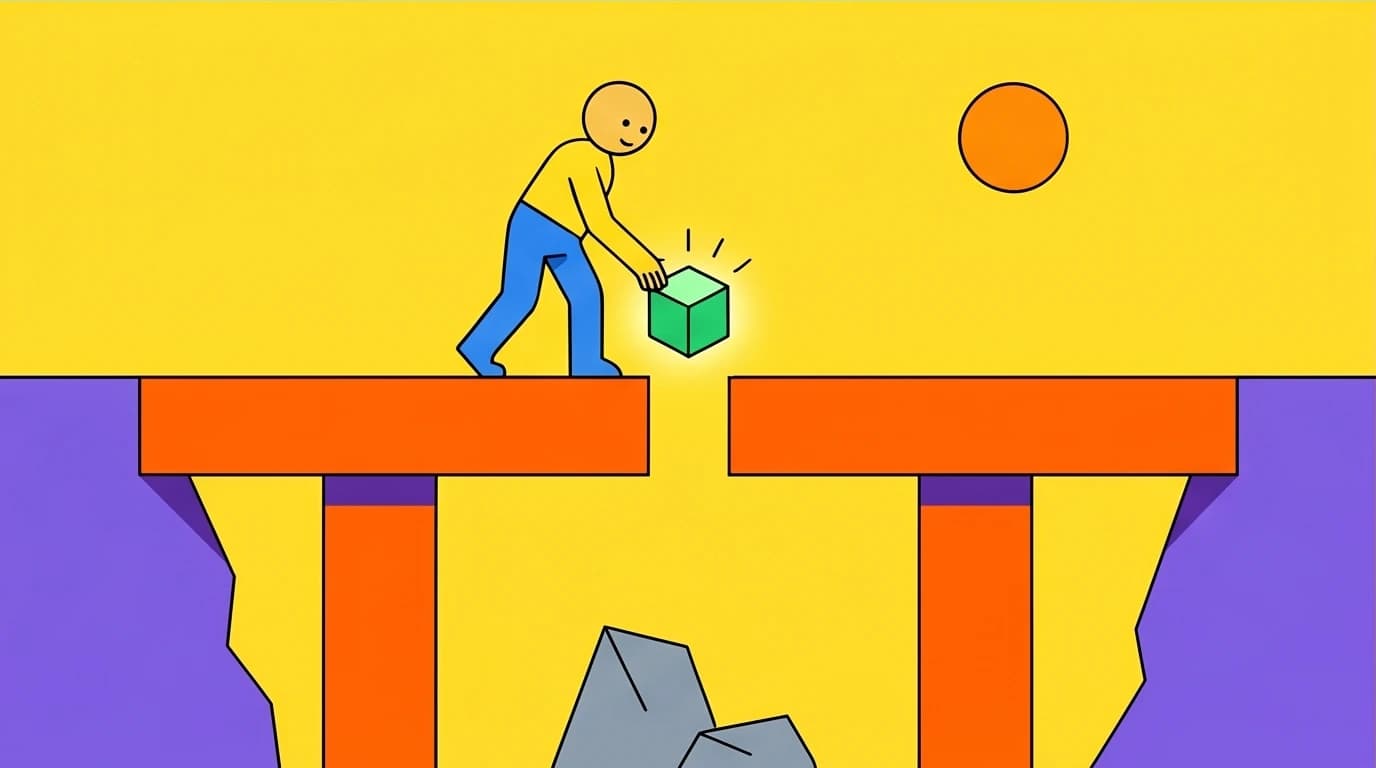
One of the most effective reparenting techniques holistic psychologist principles emphasize is regulating the nervous system before trying to reframe your thoughts.
When your inner child is triggered, your nervous system flips into fight-or-flight. You cannot reason with a brain that thinks a tiger is chasing it. You must use physical tools to signal safety to your body.
- Breathwork: Try the physiological sigh (two sharp inhales through the nose, followed by a long, slow exhale through the mouth). Repeat this three times to rapidly lower heart rate.
- Temperature Shift: Splash freezing cold water on your face. This stimulates the vagus nerve and interrupts panic loops.
- Grounding: Take off your shoes. Stand in the grass or dirt. Feel the solid ground supporting your weight.
These physical interventions are crucial because they directly address the biological roots of trauma responses.
Understanding that your trauma responses are deeply wired into your biology rather than just your mindset is a massive turning point in healing. If you want to know exactly why your nervous system hijacks your brain during a trigger—and how to physically release that stored tension—this groundbreaking book offers fascinating, science-backed insights that perfectly complement your reparenting journey.
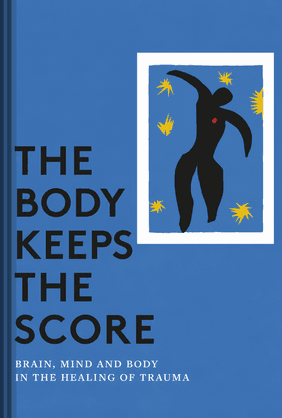
The Body Keeps The Score
Bessel Van Der Kolk
32 Duration10 Key Points4.5 RateStep 4: Setting Firm Boundaries
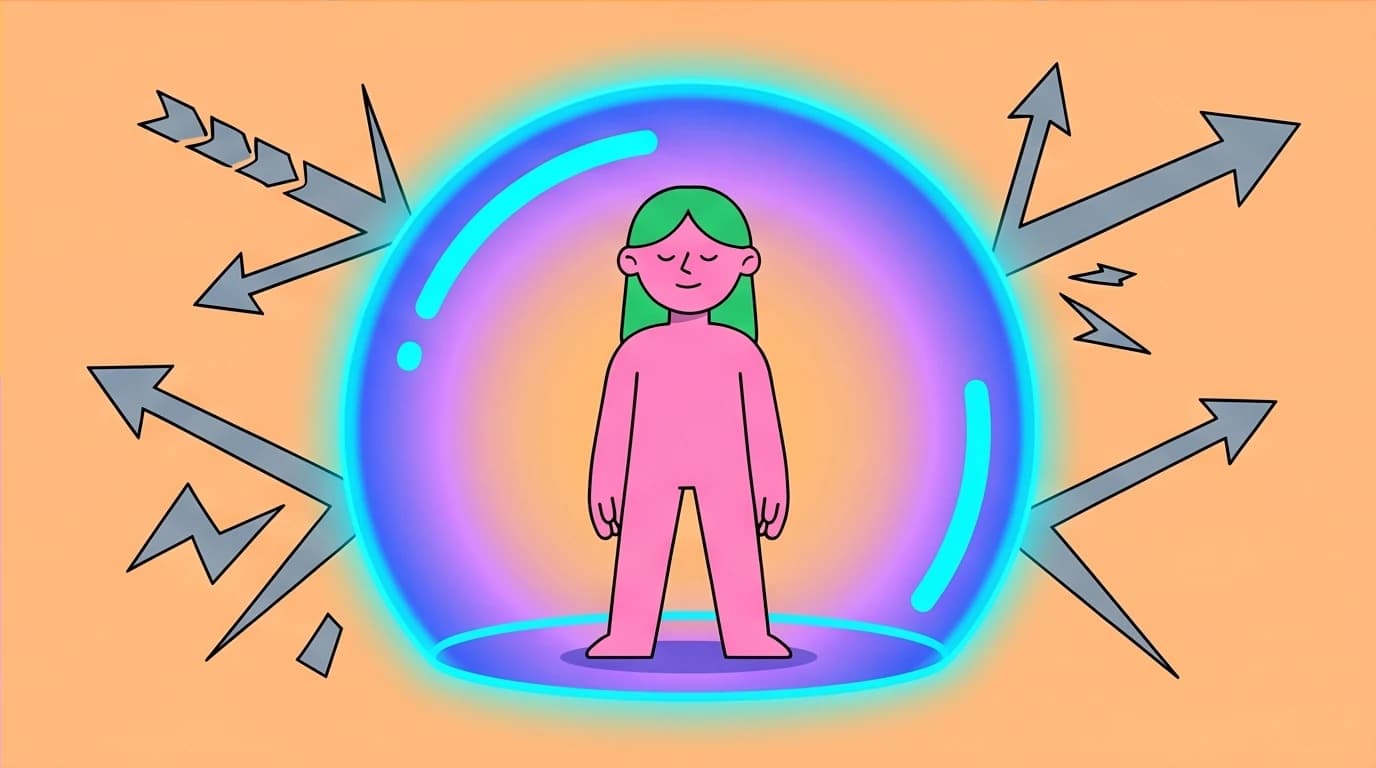
A good parent protects their child. As an adult, you protect your inner child by setting boundaries.
Boundaries are not about controlling other people. They are rules you set for your own behavior. You cannot control if a family member makes a passive-aggressive comment. You can control whether you stay in the room to listen to it.
Start small. Say "Let me check my calendar" instead of immediately saying "Yes" to a request. Turn your phone on 'Do Not Disturb' at 8:00 PM. Protect your energy fiercely. It is not selfish; it is self-preservation.
Setting limits to protect your inner child sounds great in theory, but actually saying "no" in the moment can trigger overwhelming guilt. If you struggle to communicate your limits or constantly feel drained by the demands of others, you need a practical playbook for establishing clear lines. This empowering book breaks down exactly how to protect your peace without apologizing for it.

Set Boundaries, Find Peace
Nedra Glover Tawwab
29 Duration10 Key Points4.5 RateAbsorbing the lessons from all these powerful books can feel like a monumental task, especially when you're already low on energy. If you want to grasp the core concepts from these authors without the pressure of a huge reading list, an app can be a great starting point.

Use LeapAhead to listen to 15-minute summaries of books like these during your commute, helping you learn key self-healing strategies even on your busiest days.

Download LeapAhead App now
Practical Application: Inner Child Healing Exercises
Theory is useless without action. Here are three inner child healing exercises you can start using today.
The Daily Check-In
Set an alarm on your phone for three different times during the day. When it goes off, stop whatever you are doing. Close your eyes. Ask yourself three questions:
- How is my breathing right now? (Shallow? Fast? Held?)
- Where is the tension in my body? (Jaw? Shoulders? Stomach?)
- What do I need in this exact moment?
If you need a stretch, stretch. If you need a sip of water, drink it. This exercise trains you to prioritize your physical and emotional baseline.
Dialogue Journaling
Buy a notebook specifically for this practice. When you feel overwhelmed, write a letter from your triggered inner child using your non-dominant hand. It will feel awkward and look messy. Let it. Write whatever comes up: "I am scared. I feel like everyone hates me. I want to hide."
Then, switch the pen to your dominant hand. Step into the role of your wise, conscious Inner Parent. Write a response: "I see that you are scared right now. It makes sense that you feel that way based on what happened in the past. But you are safe now. I am here, and I will handle this."
This physically maps the parent-child dynamic in your brain and provides immediate self-soothing. While this exercise focuses on healing the past, another powerful practice involves connecting with the person you are becoming.
The "No" Muscle Workout
Write down three areas of your life where you are currently overextended. Pick the lowest-stakes item on that list. Cancel it.
Draft a polite but firm text or email. "I realize I have taken on too much right now, and I need to step back from this commitment." Hit send. Do not apologize profusely. Do not offer a long, fabricated excuse. Sit with the discomfort that follows. The guilt you feel is just the echo of old conditioning. Let it pass.
Common Pitfalls to Avoid
Healing is not a linear upward trajectory. It is messy. As you start this process, watch out for these common traps:
- The Perfectionism Trap: Do not turn reparenting into another item on your to-do list that you can fail at. If you miss a day of keeping your small promise, just start again the next day. Do not punish yourself.
- Intellectualizing Instead of Feeling: You can read every psychology book in existence and listen to every podcast on Audible. But if you never actually sit on your living room floor and feel the grief or anger in your body, nothing changes.
- Expecting External Validation: The people who benefit from your lack of boundaries will not applaud you for setting them. Expect pushback. Stay the course anyway.
Healing your inner child is the hardest work you will ever do, but it is the only path to genuine freedom. You have spent years waiting for someone else to save you, to validate you, or to make you feel safe. The realization that you have to be that person is daunting, but it is also incredibly empowering. You hold the keys now.
FAQ
How long does reparenting take?
Reparenting is a lifelong practice, not a 30-day challenge. However, you can start noticing shifts in your emotional reactivity and anxiety levels within a few weeks of consistent, daily practice (like keeping small promises and breathwork). The goal is progress, not perfection.
Reparenting is a lifelong practice, not a 30-day challenge. However, you can start noticing shifts in your emotional reactivity and anxiety levels within a few weeks of consistent, daily practice (like keeping small promises and breathwork). The goal is progress, not perfection.
Can I do this if I don't remember much of my childhood?
Absolutely. You do not need crystal-clear memories to heal. Your body remembers the trauma, which is evident in your current triggers and reactions. By focusing on regulating your nervous system in the present moment, you heal the physiological impact of the past, regardless of whether you recall the specific events.
Absolutely. You do not need crystal-clear memories to heal. Your body remembers the trauma, which is evident in your current triggers and reactions. By focusing on regulating your nervous system in the present moment, you heal the physiological impact of the past, regardless of whether you recall the specific events.
What if I feel completely silly talking to my inner child?
Feeling silly or resistant is completely normal. Your ego is trying to protect you from vulnerability. Acknowledge the awkwardness. You can say to yourself, "This feels ridiculous right now, but I'm going to try it anyway." Over time, as you experience the calming effects of the exercises, the resistance will fade.
Feeling silly or resistant is completely normal. Your ego is trying to protect you from vulnerability. Acknowledge the awkwardness. You can say to yourself, "This feels ridiculous right now, but I'm going to try it anyway." Over time, as you experience the calming effects of the exercises, the resistance will fade.
Is reparenting a substitute for professional therapy?
While Dr. LePera's framework empowers individuals to take daily action, it is not a replacement for professional help, especially if you are dealing with severe trauma, deep depression, or PTSD. Think of reparenting as the daily hygiene of mental health—like brushing your teeth—while therapy is like going to the dentist. They work best together.
While Dr. LePera's framework empowers individuals to take daily action, it is not a replacement for professional help, especially if you are dealing with severe trauma, deep depression, or PTSD. Think of reparenting as the daily hygiene of mental health—like brushing your teeth—while therapy is like going to the dentist. They work best together.