

You bought the book on Amazon. You listened to the audiobook on Audible. You highlighted half the pages, nodding along as Eckhart Tolle explained that the present moment is all we ever have.
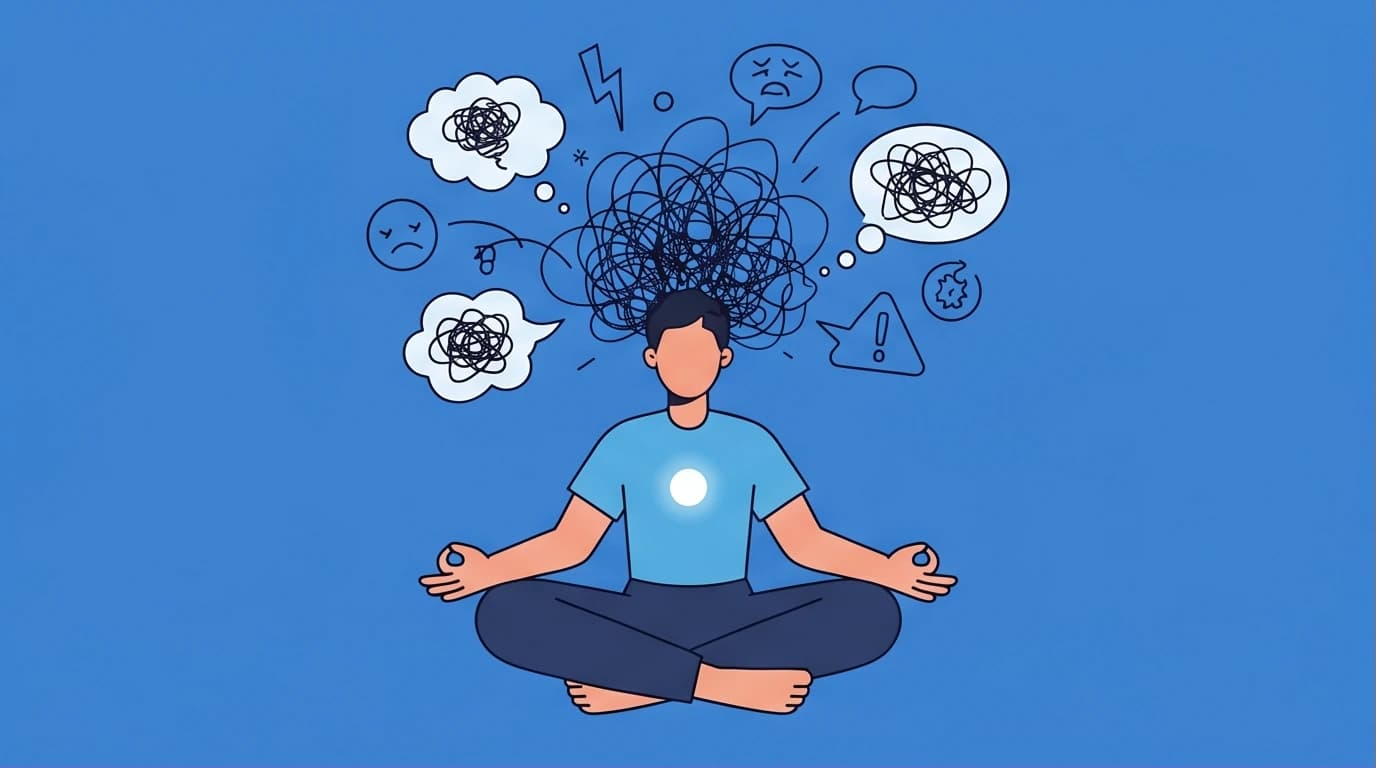
But then reality hits. Your boss sends a passive-aggressive email. You get stuck in bumper-to-bumper traffic miles from home. Your mind immediately races into the future, visualizing worst-case scenarios, or spirals into the past, replaying old regrets. Suddenly, all that profound spiritual wisdom vanishes.
But then reality hits. Your boss sends a passive-aggressive email. You get stuck in bumper-to-bumper traffic miles from home. Your mind immediately races into the future, visualizing worst-case scenarios, or spirals into the past, replaying old regrets. Suddenly, all that profound spiritual wisdom vanishes.
Understanding the concept of presence is easy. Figuring out exactly how to practice the power of now when your chest is tight and your mind will not shut up is entirely different.
You do not need more philosophy. You need a practical, reliable system to pull yourself out of mental spirals. Here is exactly how to stop fighting your mind and start anchoring yourself in reality.
Before we dive into the practical exercises, it can be helpful to refresh your memory on the book's foundational concepts. If you're looking for a concise overview of its most important ideas, our summary is a great place to start.
The Core Problem: You Are Addicted to "Psychological Time"
Before you can fix the problem, you must recognize what is actually happening in your brain.
Tolle makes a critical distinction between "clock time" and "psychological time."
Clock time is practical. It is scheduling a dentist appointment, organizing your weekly tasks, or learning from a past mistake. You use clock time to function in society.
Clock time is practical. It is scheduling a dentist appointment, organizing your weekly tasks, or learning from a past mistake. You use clock time to function in society.
Psychological time is a toxic loop. It is dwelling on a mistake you made three years ago or agonizing over a presentation happening next week. Psychological time creates anxiety. When people search for how to stop overthinking Eckhart Tolle style, what they are really looking for is a way to destroy psychological time.
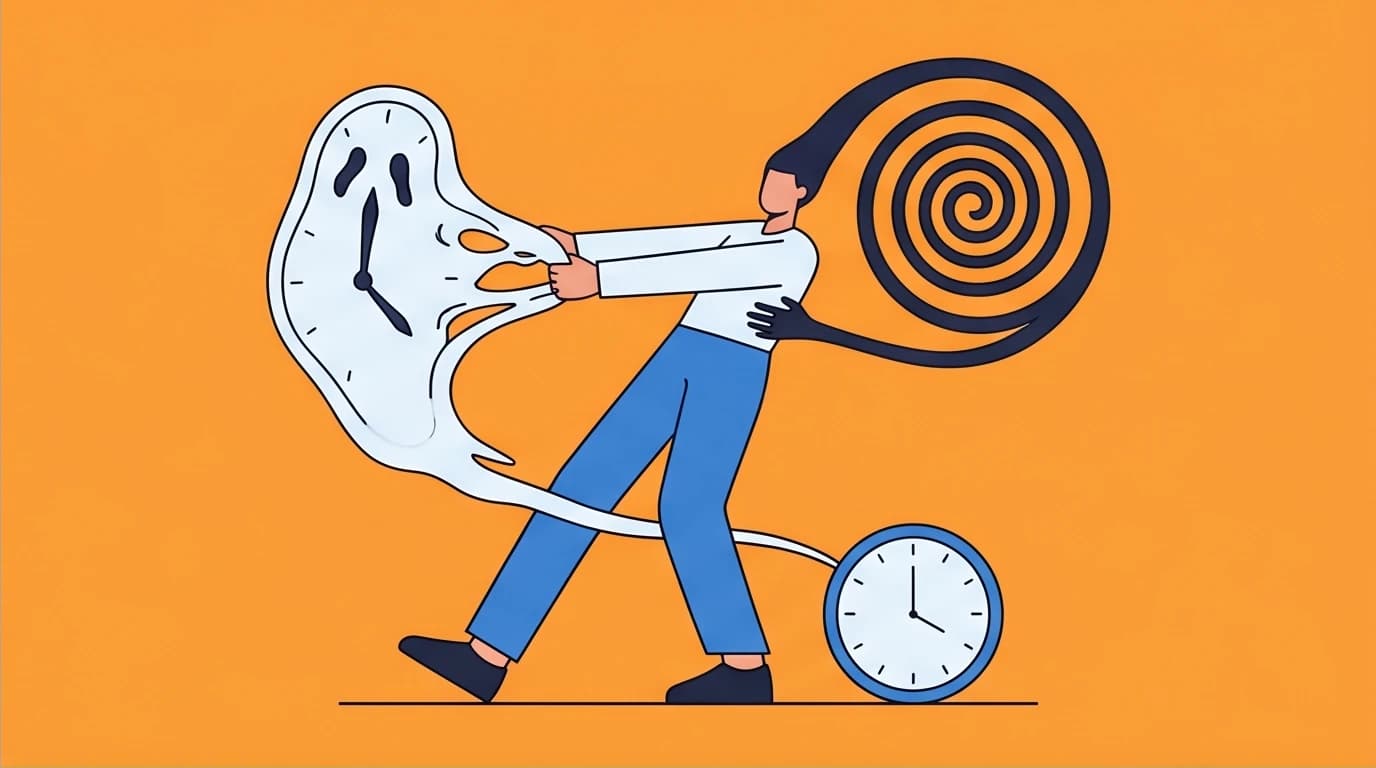
Your mind wants to drag you away from the present because the ego thrives on conflict, past grievances, and future threats. To break this habit, you must learn to detach from the voice in your head.
A major part of the ego's hold on us is what Tolle calls the "pain-body"—an accumulation of past emotional pain that can take over your thinking without you even realizing it. Understanding this concept is crucial for breaking free.
Since we are diving deep into Eckhart Tolle's framework, there is no substitute for reading the foundational text that started it all. If you have only heard about these concepts through podcasts or quick summaries, grabbing a copy of the original book is a total game-changer. Tolle brilliantly breaks down how the ego constructs "psychological time" and gives you the exact tools you need to stop identifying with the relentless voice in your head. It is a must-read for anyone serious about finding lasting peace.
The Power of Now
Eckhart Tolle
 36 Duration
 9 Key Points
 4.6 Rate
While diving into the full text is ideal, finding the time for deep reading can be tough when you're already feeling overwhelmed. If you want to grasp the core ideas of this book and others like it without the heavy time commitment, an app can help.


Grasp the core principles from *The Power of Now* and similar books in 15-minute audio or text summaries, helping you find clarity even on your busiest days.
 LeapAhead
Activating the Practice: Immediate Steps to Ground Yourself
You cannot just command your brain to "stop thinking." That is like trying to flatten out rough water with a hot iron; you only disturb it more. Instead, you change where your attention is focused.
1. Watch the Thinker
The foundation of Tolle's teaching is realizing that you are not your thoughts. You are the awareness behind the thoughts.
The next time you catch yourself spiraling, stop and mentally step back. Say to yourself, "I am having a thought about my finances." Do not judge the thought. Do not call it stupid. Do not try to force it away. Just watch it.
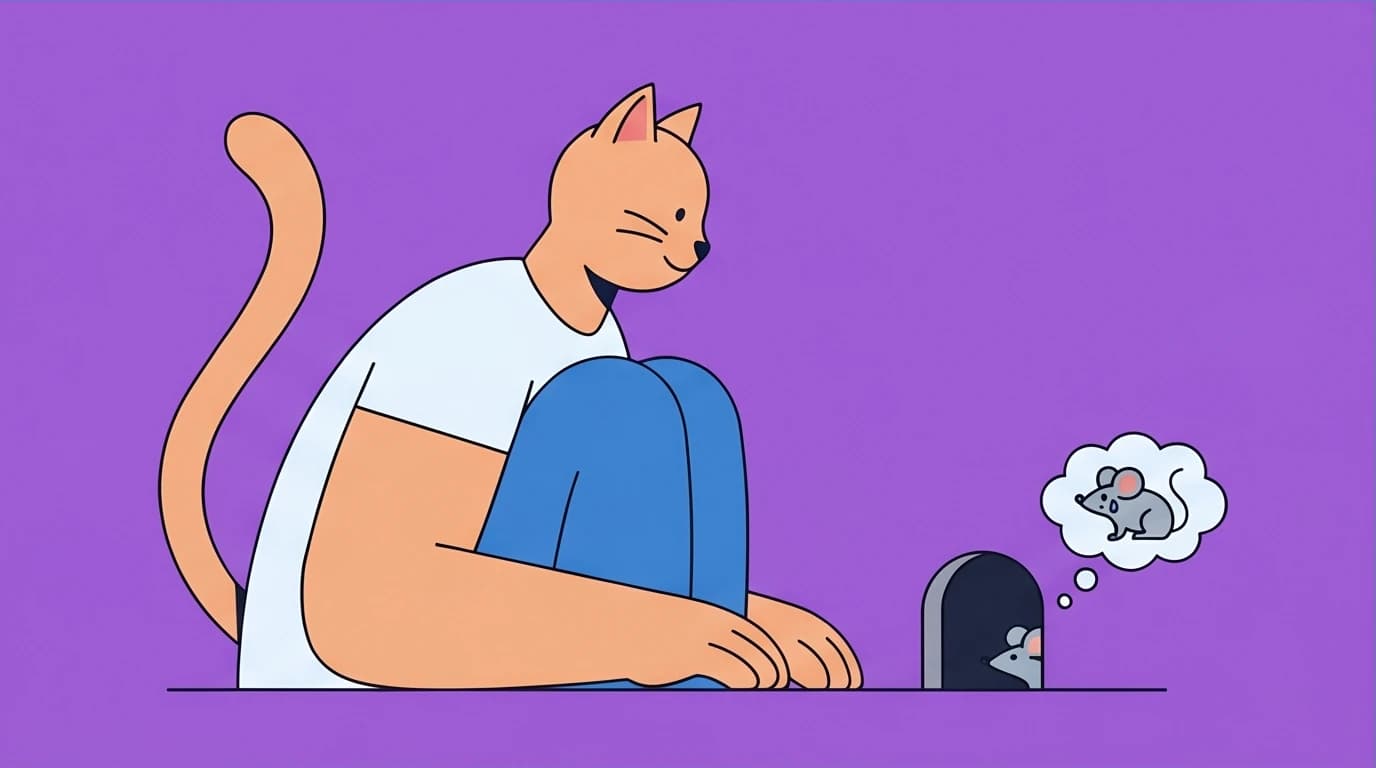
Imagine you are a cat sitting silently in front of a mouse hole. The mouse hole is your mind. The mouse is the next thought. Just watch the hole. Wait for the next thought to pop up. The moment you actively watch for a thought, your mind usually goes completely blank. That brief gap of silence is the pure state of presence.
Once you start trying to watch your thoughts, you will likely be shocked by just how loud, persistent, and negative your inner voice actually is. If you want to understand the science behind why our brains are hardwired for this relentless mental noise, exploring how our inner dialogue functions can be incredibly eye-opening. Understanding the psychology of your mental chatter makes stepping back as the "watcher" significantly easier, helping you transform a harsh inner critic into a helpful internal coach.

Chatter
Ethan Kross, Ph.D.
23 Duration10 Key Points4.3 Rate2. Move Attention into the Inner Body
When your mind is frantic, your physical body is your fastest escape route. You always carry your body with you, making it the perfect anchor.
Close your eyes and focus your attention on your right hand. Do not move it. Just feel it. Can you feel the subtle vibration? The warmth? The life energy inside it? Once you feel that energy in your hand, move your focus to your feet. Then your arms. Then your chest.
Flooding your body with consciousness draws energy away from the mind. You cannot simultaneously overthink your electric bill and deeply feel the inner life of your hands. The mind requires 100% of your attention to maintain its anxious loops. When you give 50% of your attention to your inner body, the overthinking engine loses power and stalls out.
3. Radical Acceptance of the "Is-ness"
Much of our daily suffering comes from arguing with reality. We stand in a slow checkout line at Barnes & Noble, internally screaming, "This line shouldn't be this long! I don't have time for this!"
The reality is simple: You are in a line.
The suffering is: The mental commentary about the line.
The suffering is: The mental commentary about the line.
To practice presence, you must drop the internal resistance to what is. The situation is already happening. Fighting it in your head wastes energy. Accept the current moment exactly as it is. If the moment requires action, take it. If it does not, surrender to it.
The Power of Now for Anxiety: An Emergency Protocol
Anxiety is an intense projection of the mind into a frightening future. When a panic attack looms or chronic stress peaks, reading a book will not cut it. You need to leverage The Power of Now for anxiety through a strict emergency protocol.
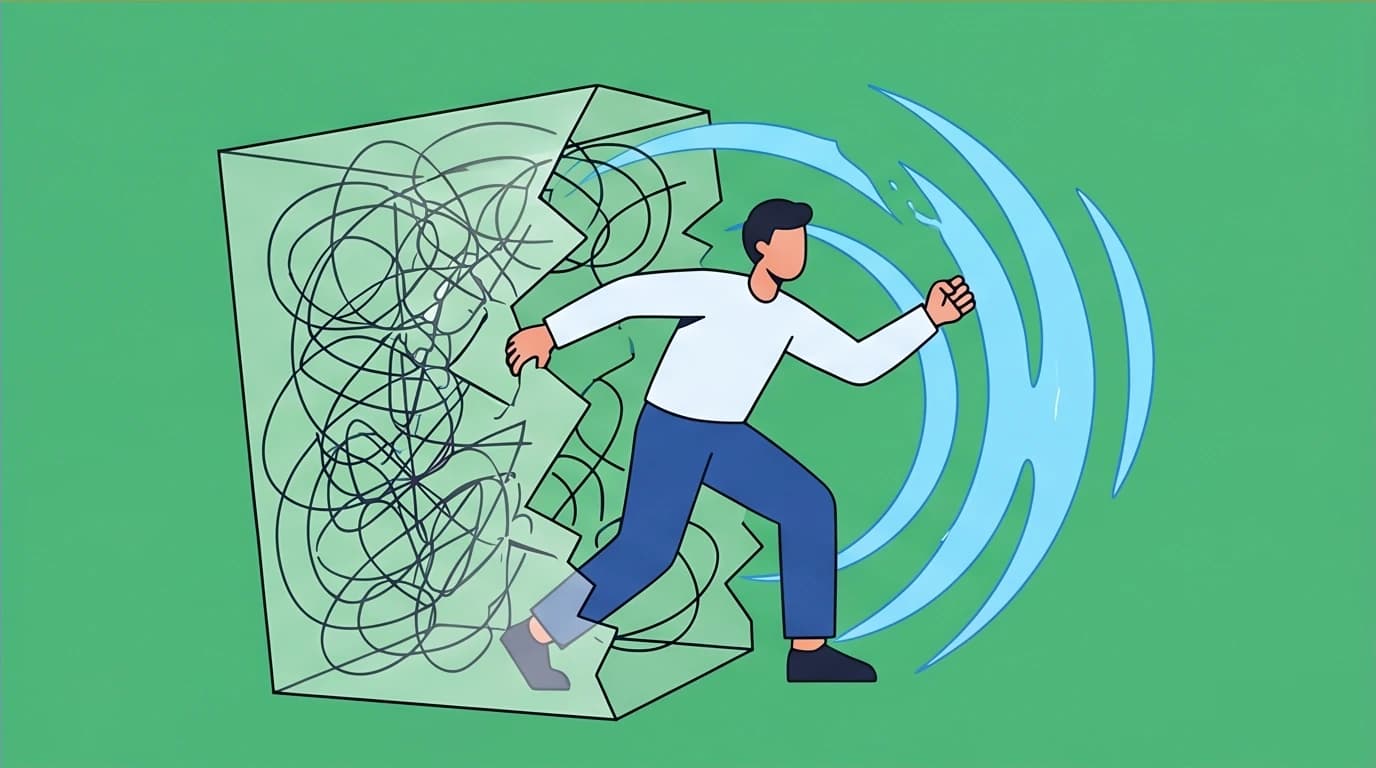
When anxiety hits, execute these steps:
- Acknowledge the physical feeling: Notice the tight chest or the shallow breathing. Look at it objectively. Say, "There is heavy energy in my chest right now."
- Drop the narrative: Anxiety feeds on stories. "What if I lose my job? What if I get sick?" Cut the story entirely. Focus only on the physical sensation of the anxiety in your body.
- Ask the grounding question: Ask yourself out loud, "What is lacking in this exact second?" Not tomorrow. Not ten minutes from now. Right now, in this very second as you read this sentence, what is wrong? Usually, the answer is absolutely nothing. You are sitting in a chair, breathing air, and you are safe.
- Locate your surroundings: Look around the room. Name three colors you see. Touch a texture near you. Bring your senses violently back to the physical room you are in.
By removing the future narrative and focusing purely on the physical moment, you starve the anxiety of its fuel.
Breaking the cycle of severe anxiety takes more than just deep breathing; it requires a fundamental shift in how you respond to your own fear. If you frequently deal with panic or chronic stress that feels impossible to simply "turn off," you might need more targeted strategies to stop feeding your brain's anxiety loop. Learning how to effectively outsmart your brain's overactive threat-detection system is a fantastic complement to Tolle's grounding exercises, giving you actionable ways to short-circuit panic before it takes over.
Don't Feed the Monkey Mind
Jennifer Shannon
21 Duration8 Key Points4.4 RateApplying The Power of Now in Daily Life
You do not need to sit on a meditation cushion to practice presence. In fact, real-world application is far more effective. Applying The Power of Now in daily life means turning mundane, routine activities into anchors for awareness.
The Commute
Americans drive hundreds of millions of miles a day. Most of us use this time to stress about the workday ahead. Tomorrow, change the routine. Turn off the radio. Feel your hands gripping the steering wheel. Notice the color of the cars around you. Listen to the sound of the tires on the pavement. When another driver cuts you off, observe your ego's desire to get angry. Watch the anger rise, and let it pass through you without acting on it.
If you find silent mindfulness during your drive is difficult, another great way to reclaim that time is by learning through audio, which can help focus your mind on productive ideas instead of anxious thoughts.
Turn your drive into a productive learning session by listening to key insights from books on focus, presence, and personal development in just 15 minutes.
LeapAheadRoutine Chores
Washing your hands, making coffee, or doing the dishes are perfect opportunities. When you wash your hands, feel the temperature of the water—notice whether it is 60 or 90 degrees Fahrenheit. Smell the soap. Listen to the water hitting the sink. Give your absolute, undivided attention to the task.
Waiting
Modern life involves a lot of waiting. Waiting for a webpage to load, waiting in a drive-thru, waiting for a meeting to start. Normally, we pull out our phones to distract ourselves. Instead, use waiting times as a trigger to practice presence. Feel your breathing. Feel the weight of your feet on the floor. Be the watcher.
Sometimes, a single powerful sentence is enough to bring you back to the present moment. Keeping a few key ideas in your mind can serve as a powerful anchor throughout a busy day.
How to Live in the Present Moment (Eckhart Tolle's Hardest Lesson)
The most common pushback people have when learning how to live in the present moment Eckhart Tolle style is this: What if my present moment is actually terrible?
What if you are in physical pain, dealing with a toxic workplace, or facing a severe financial crisis? Does living in the now mean you just passively accept abuse or ruin?
Absolutely not. Tolle is very clear about dealing with an unacceptable present moment. You always have three distinct choices:
- Remove yourself from the situation. (Quit the job, leave the room, walk away).
- Change the situation. (Speak up, take action, fix the problem).
- Accept it totally. (If you cannot leave and cannot change it, accept it without internal complaining).
Anything else is madness. Complaining internally while staying in a situation you cannot change is exactly what creates toxic stress. If you choose to take action to change your situation, do it completely in the present moment. Do not act out of fear of the future; act out of clarity in the now. Take the very next logical step required.
Fully accepting a difficult or painful situation without internal complaining is arguably the most challenging part of practicing presence. If you find yourself stubbornly holding onto deep-seated resentment, anger, or resistance when life gets tough, exploring the mechanics of emotional surrender can be incredibly freeing. Mastering the art of releasing negative emotional baggage allows you to face reality head-on, making it much easier to step into the present moment and find genuine peace, no matter what your current circumstances look like.
Letting Go
David R. Hawkins, M.D., Ph.D.
39 Duration8 Key Points4.6 RateOvercoming the "Rubber Band" Effect
When you first begin this practice, you will experience the rubber band effect. You will successfully ground yourself in the present moment, feel a sense of profound peace, and then three seconds later, your mind will snap back to worrying about your weekend plans.
Do not get frustrated. Getting frustrated that you lost your presence is just another trick of the ego. The mind wants you to feel like you are failing.
The moment you realize you have been lost in thought, you are instantly back in the present moment. That realization is presence. You do not have to fight your way back. Just acknowledge, "I was lost in thought," and return your focus to your breath or your inner body. Over time, the gaps between your thoughts will grow longer. The moments of peace will expand.
You cannot master this overnight. It is a daily, minute-by-minute commitment to pulling your attention back to reality. You organize your life around clock time, but you live entirely in the now.
FAQ
Does living in the present moment mean I stop planning for the future?
No. Planning for the future is a practical use of "clock time." You can book a flight, set a budget, or map out a project step-by-step. The difference is that you do the planning in the present moment with a clear mind, rather than obsessing over the outcome and creating anxiety. Once the planning is done, you put it down and return your attention to the current moment.
No. Planning for the future is a practical use of "clock time." You can book a flight, set a budget, or map out a project step-by-step. The difference is that you do the planning in the present moment with a clear mind, rather than obsessing over the outcome and creating anxiety. Once the planning is done, you put it down and return your attention to the current moment.
How long does it take to see results from practicing the power of now?
Relief can be instantaneous. The second you pull your attention out of a mental spiral and focus on your inner body, anxiety drops. However, making it your default state of living takes consistent practice. At first, you may only string together a few seconds of pure presence. Over weeks and months of practicing during mundane tasks, it will become a natural habit.
Relief can be instantaneous. The second you pull your attention out of a mental spiral and focus on your inner body, anxiety drops. However, making it your default state of living takes consistent practice. At first, you may only string together a few seconds of pure presence. Over weeks and months of practicing during mundane tasks, it will become a natural habit.
What should I do if my mind refuses to stop racing when I try to observe it?
If your mental noise is too loud to simply "watch," shift immediately to heavy physical grounding. Exercise intensely, take a cold shower, or focus entirely on a complex physical task. Intense physical sensation forces consciousness back into the body and starves the overactive mind of the attention it needs to keep racing.
If your mental noise is too loud to simply "watch," shift immediately to heavy physical grounding. Exercise intensely, take a cold shower, or focus entirely on a complex physical task. Intense physical sensation forces consciousness back into the body and starves the overactive mind of the attention it needs to keep racing.
Is this just another form of meditation?
While traditional meditation often requires you to set aside quiet time in a specific posture, practicing the power of now is meant to be done continuously throughout your day. You can practice it while answering emails, walking your dog, or talking to a friend. It is an active state of alertness applied to daily living, rather than a separate activity you do for 20 minutes a day.
While traditional meditation often requires you to set aside quiet time in a specific posture, practicing the power of now is meant to be done continuously throughout your day. You can practice it while answering emails, walking your dog, or talking to a friend. It is an active state of alertness applied to daily living, rather than a separate activity you do for 20 minutes a day.